


- Description
- Specifications
Product Overview
The Explore Scientific 72° ED Series 20mm is a low-to-mid power waterproof eyepiece with a 1.25-inch barrel, built around extra-low-dispersion glass. Explore Scientific specifies a 72° apparent field of view and describes the optical design as using ED glass to reduce chromatic aberration, raise contrast and sharpen both planetary and deep-sky views, with comfortable eye relief for long sessions.
At 20mm this is the focal length most observers reach for as a working general-purpose eyepiece: in a 714mm refractor it gives 36x, in a 1200mm SCT 60x, in a 1500mm Dobsonian 75x. It is low enough to frame a cluster, high enough to start pulling structure out of a nebula, and it sits comfortably between a finder-like sweeping eyepiece and the high-power end of a set.
The 72° apparent field sits between the 68° Series and the 82° Series. It is wide enough that the field edge stops feeling like a tunnel, without the demands a 100° design places on the outer field or on the size and weight of the housing.
Who It's For
- Deep-sky observers who want a wide, contrasty mid-power view for open clusters, brighter galaxies and the large nebulae.
- Dobsonian and undriven mount users: a 72° field at 20mm gives real drift time before an object needs nudging back to centre.
- Observers who prefer a single go-to focal length that covers most of a night's targets without constant eyepiece changes.
- Eyeglass wearers: Explore Scientific specifies comfortable eye relief for the series, which is what makes observing with spectacles practical.
- Observers building a matched 72° ED set so apparent field and eye position stay consistent from one focal length to the next.
- Anyone who observes in dew or damp air: the waterproof housing is built for it.
Key Features & Design
- Extra-low-dispersion (ED) glass: reduces chromatic aberration generated inside the eyepiece itself, which shows up as cleaner colour edges on bright stars and better contrast on subtle detail.
- 72° apparent field of view: more open than the 52° and 62° Series, and less demanding on the outer field than the 82° and 100° designs.
- 20mm focal length: the mid-range workhorse position in most eyepiece sets.
- 1.25″ barrel: fits any standard 1.25-inch focuser or diagonal directly.
- Waterproof construction, consistent with the sealed housings used across the Explore Scientific waterproof eyepiece range.
- Comfortable eye relief specified for the series, which is what keeps a long session from becoming a squint.
Recommended Uses
- General deep-sky observing — open clusters, brighter galaxies, large nebulae.
- Framing and locating targets before switching to a shorter focal length.
- Wide low-power lunar views showing the whole disc with room around it.
- Observing on an undriven mount, where apparent field translates directly into time on target.
- Outreach and shared sessions, where a wide field makes it easier for a newcomer at the eyepiece to see what they are meant to be looking at.
Compatibility and Accessory Notes
- Fits any 1.25-inch focuser or diagonal. In a 2-inch focuser it takes a 2-inch to 1.25-inch adapter.
- Magnification: telescope focal length ÷ 20. A 952mm refractor gives 48x; a 1900mm Maksutov gives 95x; a 750mm Newtonian gives 38x.
- Exit pupil: 20mm ÷ the telescope's focal ratio — 4mm at f/5, 2mm at f/10. A 4mm exit pupil is a comfortable dark-site figure.
- Focal extenders: a 20mm eyepiece behind a 2x extender behaves like a 10mm while keeping the eye relief of the longer eyepiece, which is a useful trick for spectacle wearers.
- Within the series: the 72° ED Series covers a range of focal lengths, so a matched set holds the same apparent field and eye position throughout.
- Filters: Explore Scientific does not publish the filter thread specification for this model, so we are not quoting one. If you intend to run a UHC or O-III filter, ask and we will confirm the thread with our rep first.
Good to Know Before You Order
- Explore Scientific has not published a full specification table for this eyepiece. Eye relief in millimetres, field stop diameter, element count, coatings, physical dimensions and weight are all absent from their product page, so those rows read "Not published by vendor" below rather than carrying an estimate. If you need a specific figure before ordering, ask us and we will put the question to our Explore Scientific rep.
- Without a published field stop diameter, true field cannot be calculated exactly. The 72° apparent field divided by the magnification gives a close approximation, and that is the honest way to work it out until the figure is published.
- This is a recently listed product. Explore Scientific has not yet published a barcode or shipping weight for it, which is normal for a new addition to a series and tends to fill in over time.
- It is a visual eyepiece. Eyepiece-projection imaging is possible with an adapter, but the design target is the eye.
- In a fast telescope, a 20mm eyepiece produces a large exit pupil. At f/4 that is 5mm, which suits a dark site and shows sky glow under city lights. A narrowband filter or a shorter focal length is the usual remedy, and we stock both.
Frequently Asked Questions
Is it difficult to set up?
No — it drops into any 1.25-inch focuser or diagonal and is ready immediately. There is nothing to assemble or adjust.
What magnification will I get?
Divide your telescope's focal length in millimetres by 20. A 1000mm telescope gives 50x.
What does the ED glass change?
Extra-low-dispersion glass brings the different wavelengths closer to a common focus inside the eyepiece, so colour edges on bright stars are cleaner and fine contrast holds up better than a standard-glass design of the same field would manage.
How does it compare to the 82° Series at a similar focal length?
The 82° gives a wider, more immersive field; the 72° ED is built around glass type and eye relief instead. Which suits you depends on whether field width or comfort and colour correction matters more — tell us what you observe and we will give you a straight answer.
How much eye relief does it have?
Explore Scientific describes it as comfortable for extended observing but does not publish the figure in millimetres, so we are not going to quote one. If it is the deciding factor, ask and we will confirm it with our rep first.
Is it a good match for a Dobsonian?
Yes. At 20mm with a 72° field it gives a wide, easy view on an undriven mount, and objects take noticeably longer to drift out than they would in a narrower eyepiece.
Can I use it with a focal extender?
Yes — a 2x extender turns it into the equivalent of a 10mm while preserving the longer eyepiece's eye relief, which many observers prefer to a native 10mm.
Bottom Line
In short: a 20mm ED-glass eyepiece with a 72° apparent field in a waterproof 1.25-inch barrel — the mid-range focal length most nights get built around, with a wider field and better colour correction than a standard-glass design of the same size. If you are filling out a set for a particular telescope, send us its aperture and focal length and we will map out which focal lengths make sense alongside it.
| Description | 72° ED Series 20mm Waterproof Eyepiece |
|---|---|
| Item Number | EPWP7220ED-01 |
| Focal Length | 20mm |
| Apparent Field of View | 72° |
| Barrel Size | 1.25″ |
| Optical Glass | Extra-low dispersion (ED) |
| Construction | Waterproof |
| Eye Relief | Not published by vendor |
| Field Stop Diameter | Not published by vendor |
| Lens Elements/Groups | Not published by vendor |
| Coatings | Not published by vendor |
| Filter Thread | Not published by vendor |
| Length | Not published by vendor |
| Width | Not published by vendor |
| Weight | Not published by vendor |
You may also like
Recently viewed
Recent Blog Posts
View all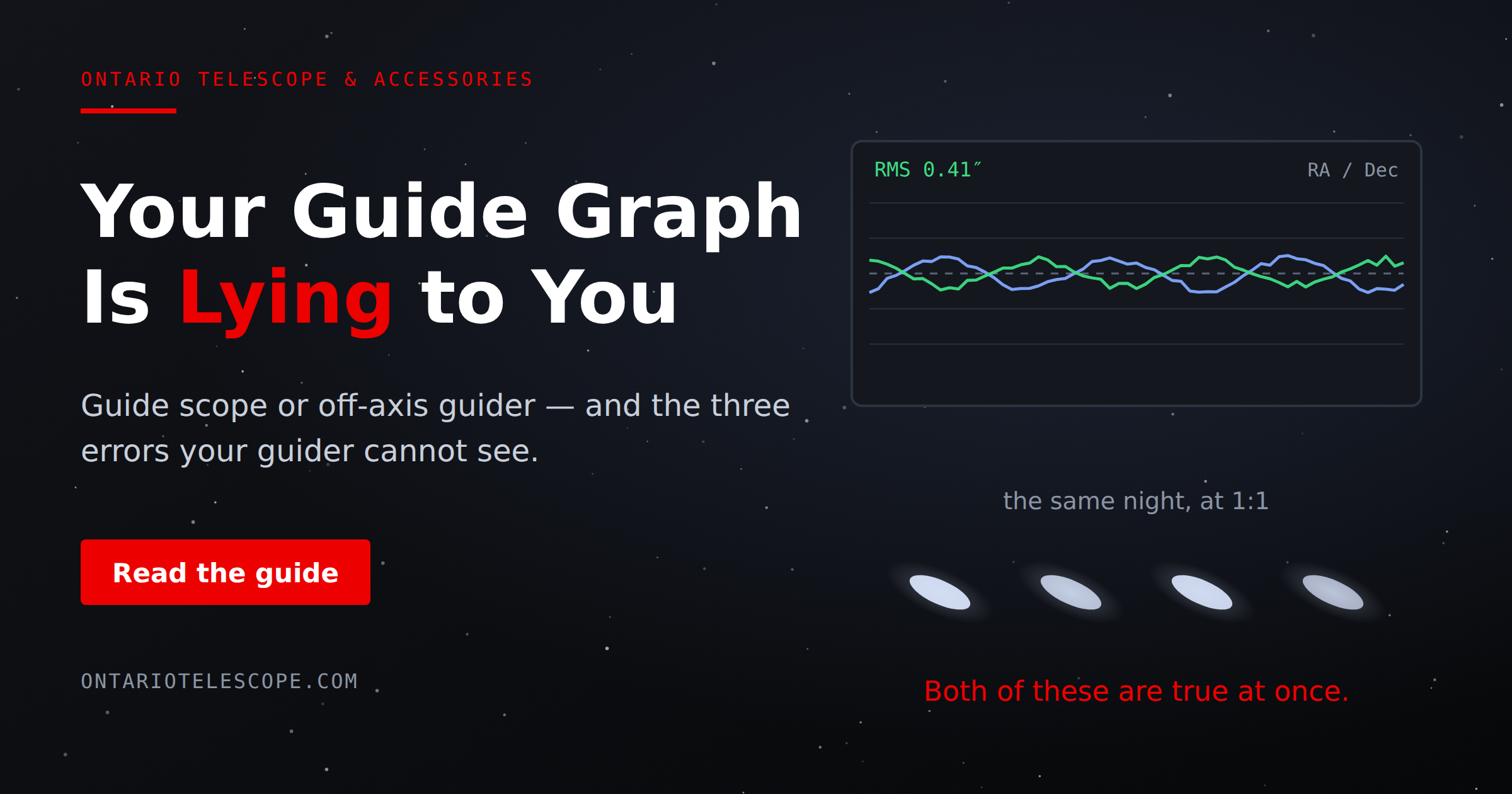
Your Guide Graph Is Lying to You
Read More
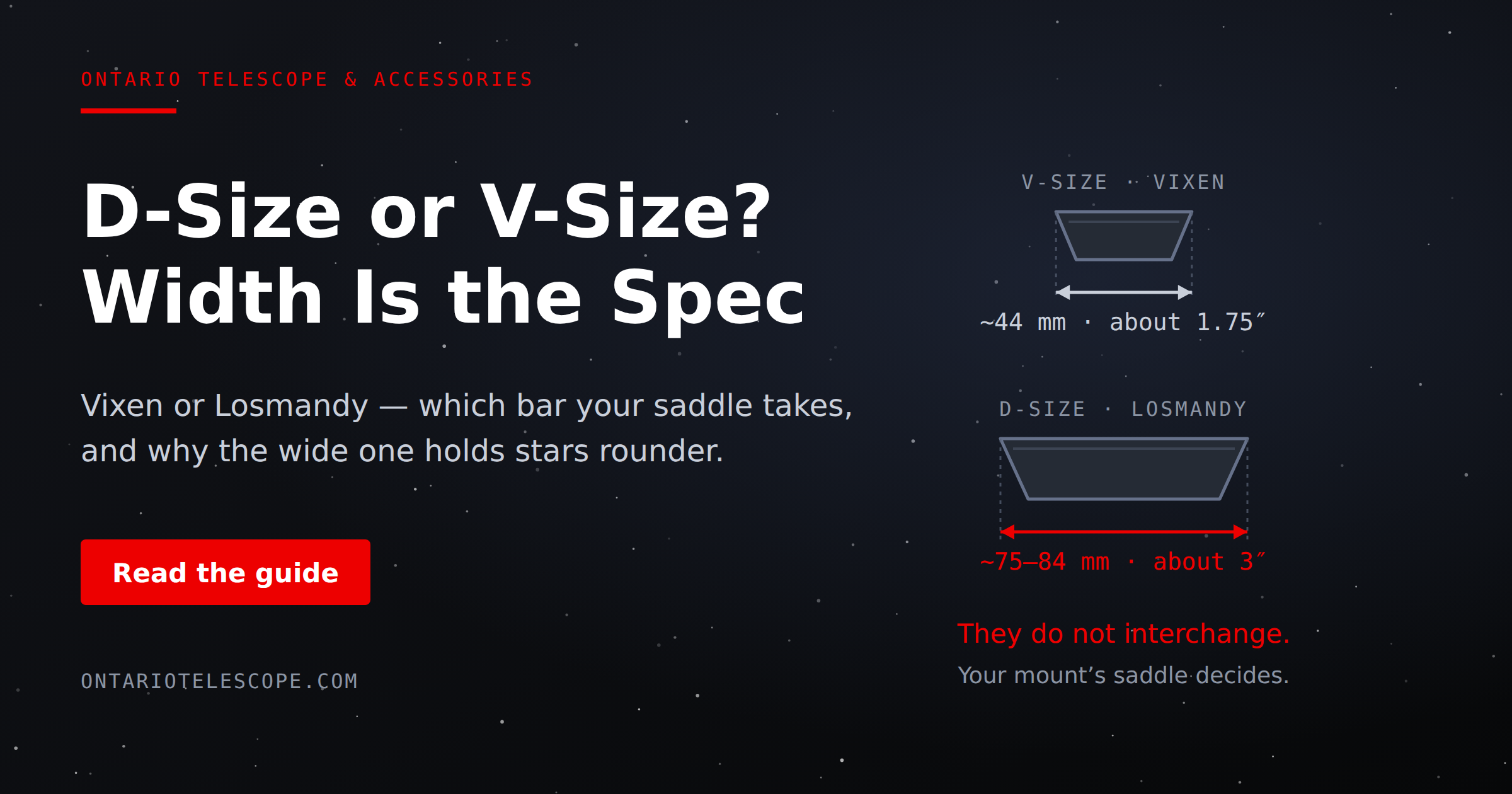
D-Size vs V-Size: A Complete Guide to Telescope Dovetail Systems
Read More
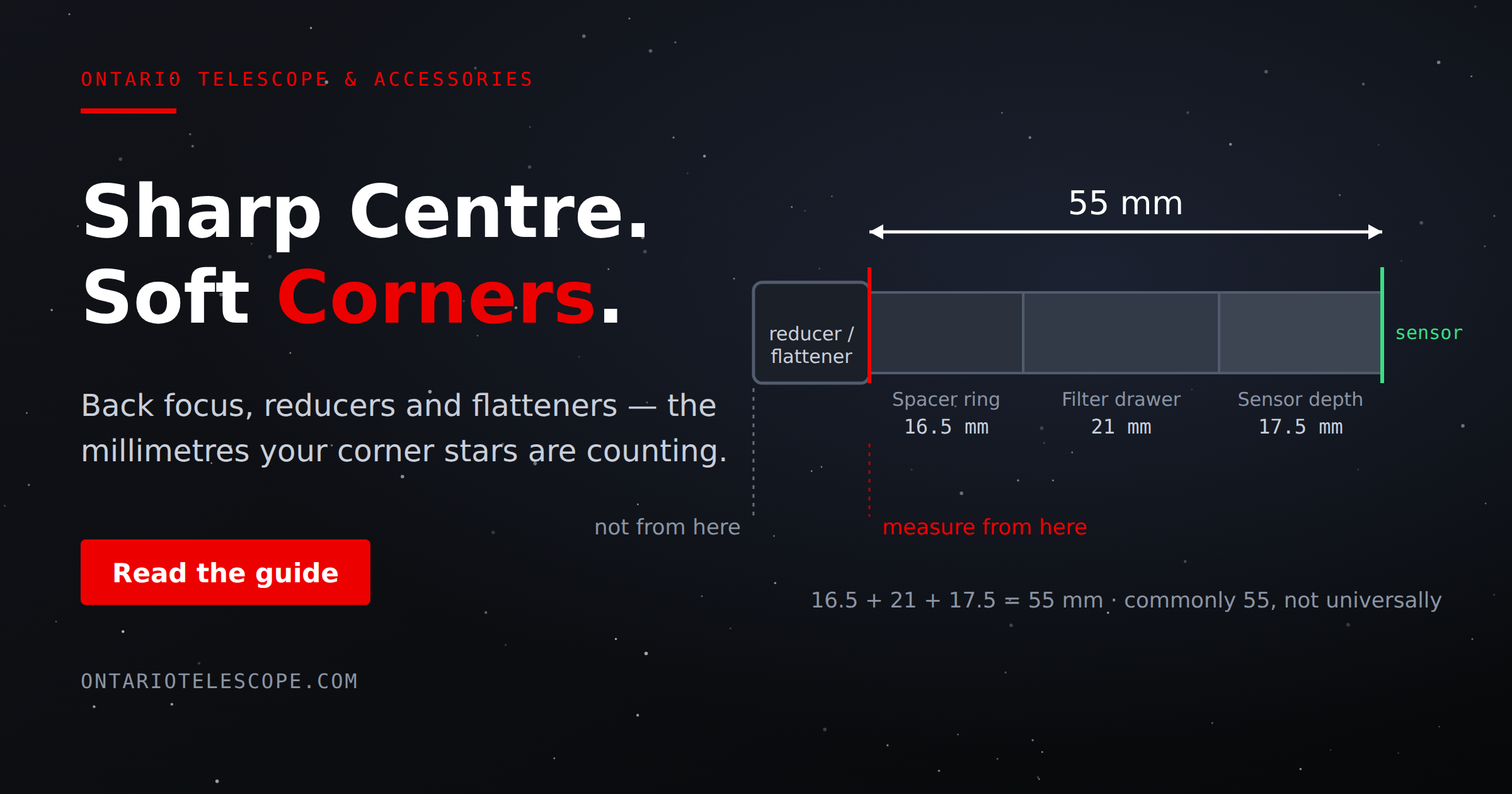
What Is Back Focus in Astrophotography? Telescope Reducers, Flatteners, and Spacing Explained
Read More