
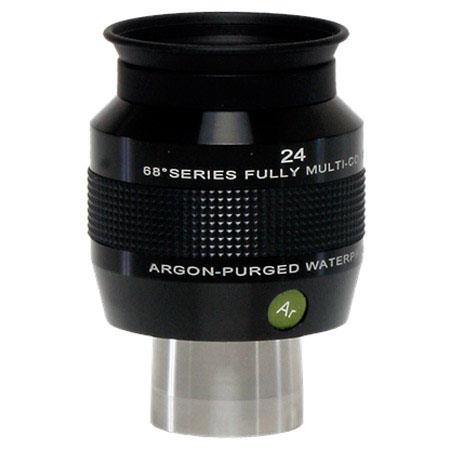

- Description
- Specifications
Product Overview
The Explore Scientific 68° Series 24mm is the eyepiece that extracts the widest true field a 1.25-inch barrel can physically deliver. Its published field stop is 27.2mm, and a 1.25-inch barrel has an internal diameter of about 28mm — so this design is working right up against the mechanical limit of the format. Nothing in a 1.25-inch barrel shows more sky at once.
The other published figures are 24mm focal length, 18.4mm eye relief, a body 75.6mm long and 56.2mm wide, and a weight of 11.6oz (329g). Explore Scientific describes the optical design as using combinations of low-dispersion and high-refractive-index glasses arrived at by computer optimisation, in an argon-purged housing that resists internal fogging and contamination, tested for waterproofness at one metre of water for thirty minutes. A removable, foldable silicone rubber eyecup is supplied.
The 68° apparent field sits a clear step above the 52° and 62° designs and below the 82° and 92° ranges — wide enough to feel open at the eye without the outer-field demands a 100-degree-class design places on a fast telescope.
Who It's For
- Observers who want the widest 1.25-inch true field available: at a 27.2mm field stop this is the practical ceiling of the format, and moving wider means moving to 2-inch eyepieces and a 2-inch focuser.
- Eyeglass wearers: 18.4mm of eye relief is generous by any standard, and the foldable eyecup rolls back so spectacle lenses can sit close enough to take in the whole 68°.
- Dobsonian and undriven-mount users: a wide apparent field is time on target when nothing is tracking, and at 24mm the drift is slow to begin with.
- Deep-sky observers framing open clusters, large nebulae and rich Milky Way fields.
- Observers in damp conditions: the argon-purged, sealed housing is specified against internal fogging and contamination.
Key Features & Design
- 27.2mm field stop: the largest field stop that fits a 1.25-inch barrel, and the figure that fixes the true field exactly — 57.3 × 27.2 ÷ your telescope's focal length.
- 68° apparent field: noticeably more open than a 52° or 62° design, without asking as much of the outer field as an 82° or 92° eyepiece does.
- 18.4mm eye relief: among the more generous figures published at this focal length, which is what makes observing with glasses on comfortable rather than merely possible.
- Low-dispersion and high-refractive-index glasses in a computer-optimised combination, which is how a wide apparent field is corrected across the whole of the view.
- Argon-purged construction: argon rather than air inside the body means no internal condensation and no airborne contamination reaching the internal surfaces.
- Waterproof, tested at one metre of water for 30 minutes.
- 1.25″ barrel: fits any standard 1.25-inch focuser or diagonal directly.
- Removable, foldable silicone rubber eyecup: up for observing without glasses, folded down for observing with them.
- 75.6mm long, 56.2mm wide, 11.6oz (329g): a substantial 1.25-inch eyepiece, and the 56.2mm body diameter is what makes the wide eye lens possible.
Recommended Uses
- Widest-field low-power observing in a telescope with only a 1.25-inch focuser.
- Open clusters, large emission nebulae and Milky Way sweeping.
- Framing large objects that overflow a narrower field — the Pleiades, the Double Cluster, the Veil.
- Observing with glasses on, where the 18.4mm eye relief is the deciding specification.
Compatibility and Accessory Notes
- Fits any 1.25-inch focuser or diagonal. In a 2-inch focuser it takes a 2-inch to 1.25-inch adapter.
- Magnification: telescope focal length ÷ 24. A 663mm refractor gives 28x, a 1219mm Dobsonian 51x, a 2000mm Schmidt-Cassegrain 83x.
- True field: 57.3 × 27.2 ÷ telescope focal length — 2.35° at 663mm, 1.28° at 1219mm, 0.78° at 2000mm. That is more than four full-Moon widths in a short refractor.
- Exit pupil: 24 ÷ the telescope's focal ratio. An f/5.9 Dobsonian gives 4.1mm, an f/6.5 refractor 3.7mm, an f/10 Schmidt-Cassegrain 2.4mm.
- Filters: takes standard 1.25-inch threaded filters. A narrowband nebula filter and a wide-field 24mm is one of the more productive combinations in visual deep-sky observing.
- Balance: at 329g this is heavier than a simple 1.25-inch eyepiece. On a small refractor or a Dobsonian it is worth rechecking balance after swapping to it, which usually means sliding a tube in its rings or adjusting the tension on a Dobsonian base.
Good to Know Before You Order
- A 1.25-inch barrel caps how wide the true field can go, and this eyepiece is already at that cap. Going wider means a 2-inch focuser and a 2-inch eyepiece — there is no 1.25-inch design that gets past a field stop of roughly 27mm. If your telescope has a 2-inch focuser and you want more field, we can show you what the 2-inch options give.
- Explore Scientific does not publish the element count, the group count or the coating specification for this eyepiece. Those rows read as not published in the table below rather than being estimated. If a specific figure decides the purchase for you, ask us and we will put it to our Explore Scientific representative.
- It is a physically large eyepiece: 75.6mm long, 56.2mm across and 329g. In a short focuser drawtube or a compact case, the length is worth measuring; in a Dobsonian, the mass is worth allowing for in balance.
- In a fast telescope the exit pupil grows. Below about f/4.5, 24mm produces an exit pupil wider than most dark-adapted eyes open to, so a shorter focal length uses the aperture better. Tell us your focal ratio and we will suggest where the sweet spot sits.
- The waterproof rating covers immersion, not use underwater. It exists so that dew, rain and an eyepiece dropped in wet grass are not what ends a session.
Frequently Asked Questions
Is it difficult to set up?
No — it slides into any 1.25-inch focuser or diagonal and is ready immediately. The eyecup folds by hand and there is nothing to assemble or align.
What magnification will I get?
Divide your telescope's focal length in millimetres by 24. A 1000mm telescope gives 42x; a 1219mm Dobsonian gives 51x.
Why does the 27.2mm field stop matter?
Because it, not the apparent field, is what fixes how much sky you see. True field equals 57.3 multiplied by 27.2 and divided by your telescope's focal length. At 27.2mm this eyepiece is at the physical limit of the 1.25-inch format, so no other 1.25-inch eyepiece shows more sky in the same telescope.
Can I use it with glasses on?
Yes, and comfortably. 18.4mm of eye relief with a foldable eyecup is enough for most spectacle wearers to take in the full 68°.
How does it compare with the 82° Series at a similar focal length?
The 82° designs give a wider, more enveloping apparent field. The 68° here is built around a maximum-diameter field stop and long eye relief in the smaller barrel size. In a 1.25-inch-only telescope the 68° 24mm is the wider true field of the two; in a 2-inch focuser the comparison changes. Tell us which telescope it is going into and we will give you a straight answer.
Will it work in my Dobsonian?
Yes, and the wide apparent field is particularly useful on an undriven mount because objects take longer to cross it. At 329g it is worth a quick balance check after swapping eyepieces.
Bottom Line
In short: a 24mm argon-purged waterproof eyepiece with a 68° apparent field, 18.4mm of eye relief and a 27.2mm field stop — the maximum true field the 1.25-inch format allows, in a housing built to shrug off dew. If you are working out where it fits alongside eyepieces you already own, send us your telescope's focal length and the focal lengths in your case and we will map the gaps.
| Item Number | EPWP6824-01 |
|---|---|
| Focal Length | 24mm |
| Apparent Field of View | 68° |
| Length | 75.6mm |
| Width | 56.2mm |
| Weight | 11.6oz; 329g |
| Barrel Size | 1.25" |
| Eye Relief | 18.4mm |
| Field Stop Diameter | 27.2mm |
| Waterproof | Argon Purged; Tested at One Meter of Water for 30 Minutes |
| Eyecup | Removable, Foldable Silicone Rubber |
| Optical Glass | Low Dispersion and High Refractive Index Combinations |
| Lens Elements/Groups | Not published by vendor |
| Coatings | Not published by vendor |
| Filter Thread | Not published by vendor |
| UPC | 8122570105236 |
You may also like
Recently viewed
Recent Blog Posts
View all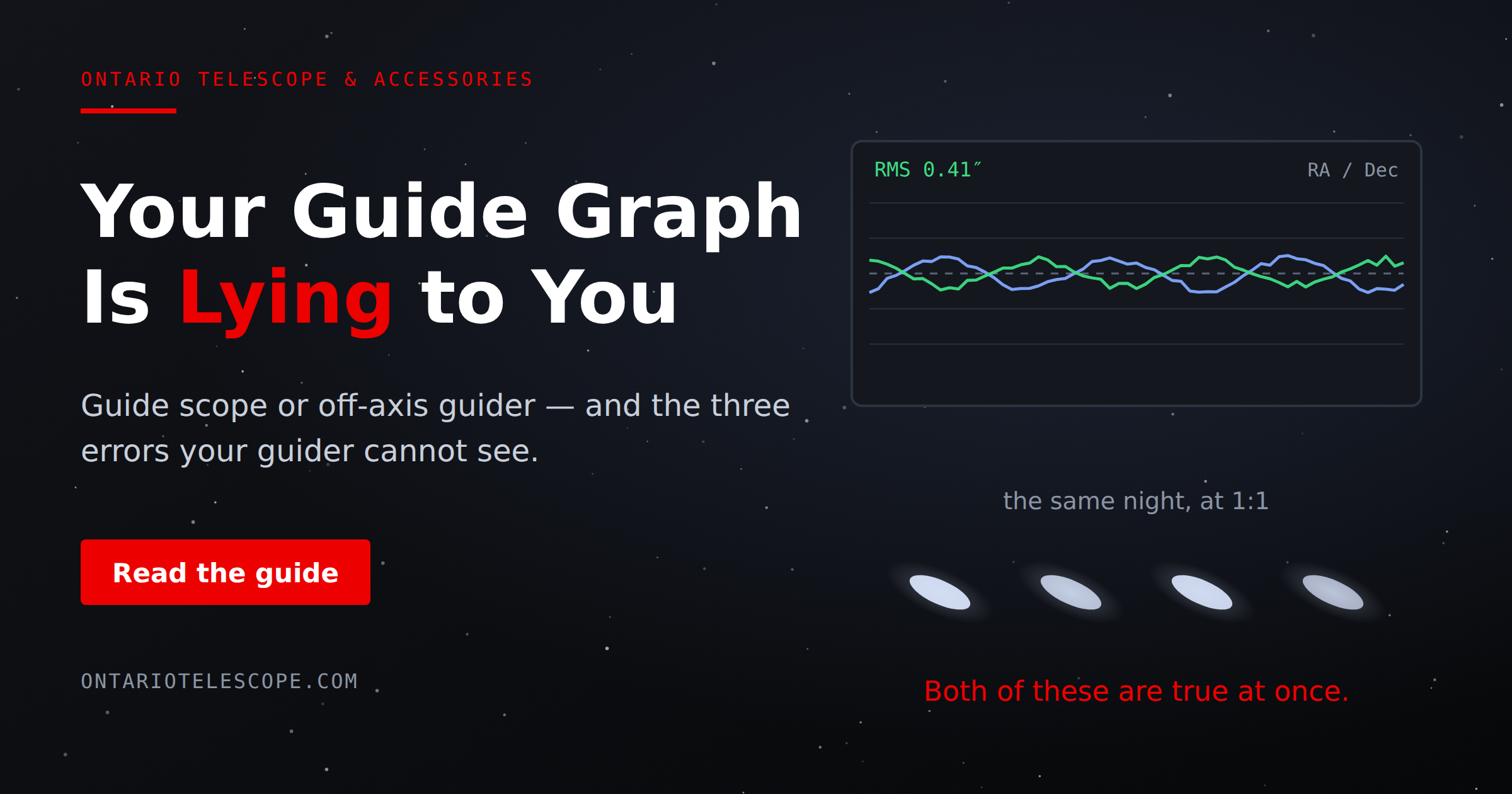
Your Guide Graph Is Lying to You
Read More
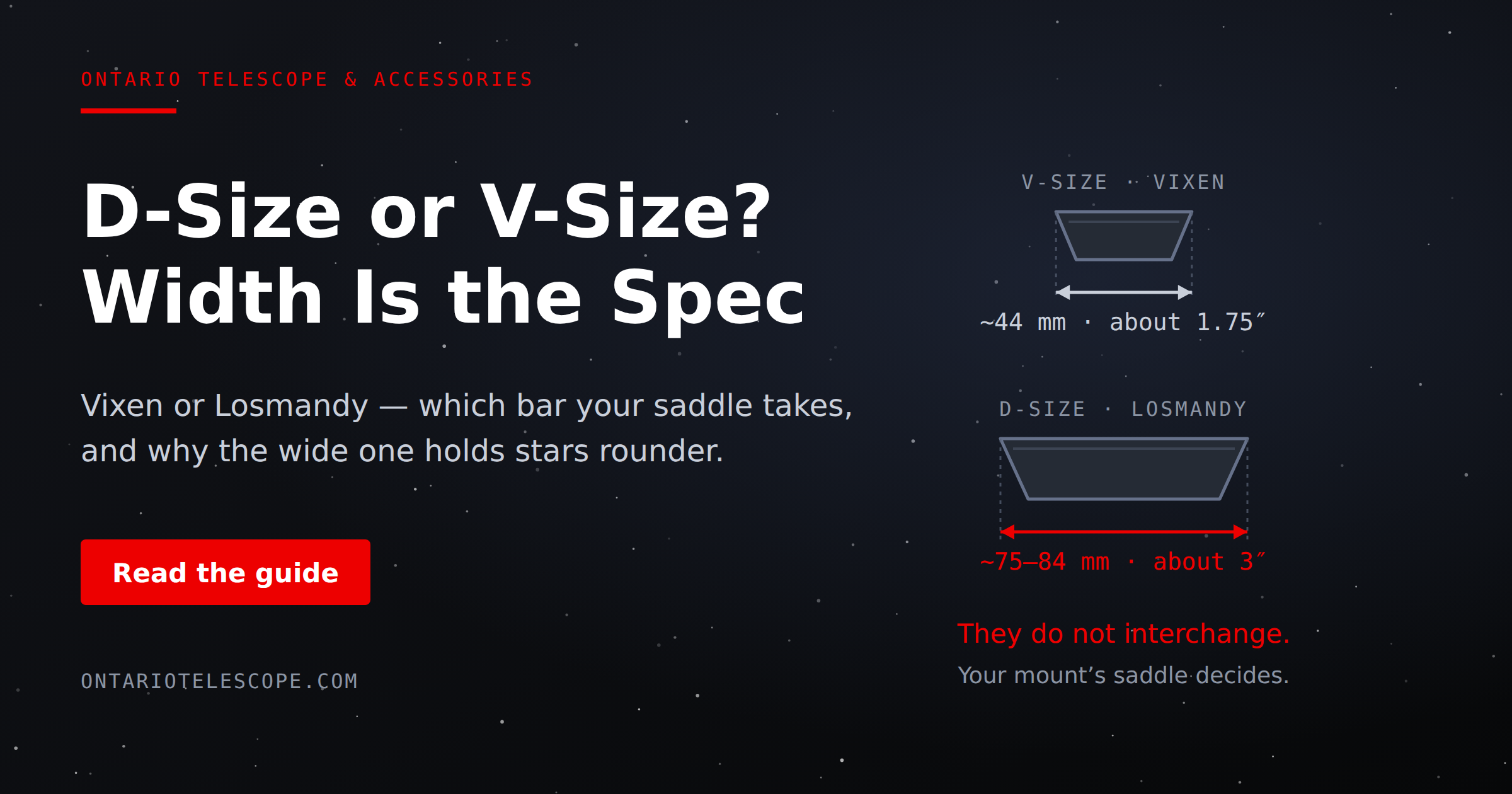
D-Size vs V-Size: A Complete Guide to Telescope Dovetail Systems
Read More
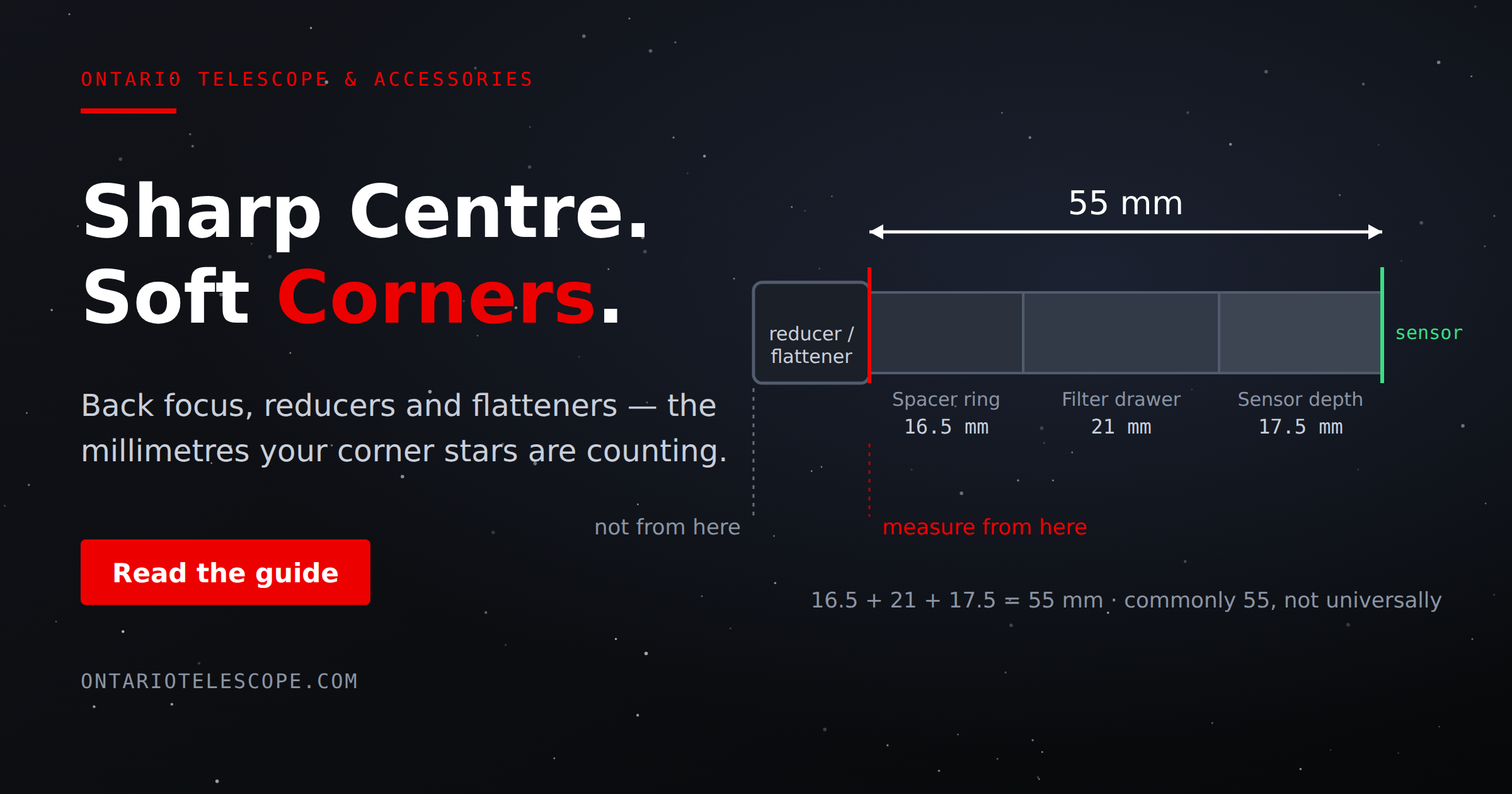
What Is Back Focus in Astrophotography? Telescope Reducers, Flatteners, and Spacing Explained
Read More