

- Description
- Specifications
Product Overview
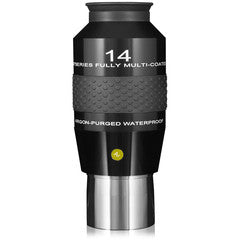
The Explore Scientific 100° Series 14mm is the widest apparent field Explore Scientific builds: a 2-inch, argon-purged waterproof eyepiece with a 24.4mm field stop and 14.5mm of eye relief. It is fully multi-coated, fully sealed, and tested to withstand submersion to 1 metre for 30 minutes. Published dimensions are 157mm long, 70mm wide and 29.4 oz (836 g).
At 14mm the magnification is medium — 71x in a 1000mm telescope, 86x in a 1200mm SCT — but the field is not. The 24.4mm field stop gives 1.16° of true field at 1200mm and 2.91° at 480mm, and the 100-degree apparent field means that sky arrives as a view with no visible edge in ordinary use.
That is the trade this eyepiece makes: a 2-inch barrel and 836 g of glass and metal, in exchange for a field that keeps objects visible far longer without moving the telescope and gives averted vision somewhere to work.
Who It's For
- Observers chasing immersion: at 100 degrees the field edge sits outside normal vision, so the view reads as sky rather than as a circle.
- Dobsonian owners: the wider the apparent field, the longer an object drifts before it needs a nudge — and at 14mm on an undriven mount that difference is substantial.
- Deep-sky observers working on nebulae and star fields where averted vision does the heavy lifting; more field gives the eye more room to wander across the object.
- Observers with 2-inch focusers already fitted who want the widest apparent field available at a medium focal length.
- Anyone observing in heavy dew or rain: the sealed, argon-purged body is tested to 1 metre for 30 minutes.
Key Features & Design
- 100° apparent field of view: the widest in the Explore Scientific eyepiece range.
- 24.4mm field stop at a 14mm focal length — that combination is what produces the field, and it is why the barrel is 2 inches rather than 1.25.
- 14.5mm eye relief, which is a workable eye position for a design of this apparent field.
- Fully multi-coated optics, which matters more in a wide-field design because there are more surfaces in the path to lose light and contrast across.
- Argon purged and fully sealed, tested to withstand submersion to 1 metre for 30 minutes.
- Substantial build: 157mm long, 70mm wide, 29.4 oz (836 g).
- Consistent within the 100° Series, so a set holds the same apparent field and eye position across focal lengths.
Recommended Uses
- Deep-sky observing on nebulae, galaxies and globular clusters at medium power.
- Undriven and Dobsonian observing, where apparent field is what buys time on target.
- Large open clusters, where a wide field lets the whole group sit in surrounding sky.
- Lunar observing, with the disc set inside an unusually large frame.
- Observing from damp, dew-heavy sites where a sealed eyepiece is the practical choice.
Compatibility and Accessory Notes
- Requires a 2-inch focuser or diagonal. The 24.4mm field stop and the 100-degree field both need the larger barrel; there is no 1.25-inch equivalent of this combination.
- Magnification: telescope focal length divided by 14. A 1200mm SCT gives 86x, a 900mm Newtonian gives 64x.
- True field: 24.4 divided by focal length, times 57.3. A 1000mm telescope gives 1.40°.
- Exit pupil: 14 divided by focal ratio — 2.3mm at f/6 and 1.4mm at f/10, both comfortable.
- Filters: takes standard 2-inch threaded filters. Oxygen-III and narrowband filters combine well with a wide field on large emission nebulae.
- Balance: 836 g at the focuser will move the balance point of a light tube. A counterweight or a small shift of the tube rings resolves it in one adjustment, and we stock counterweights for most tube styles.
Good to Know Before You Order
- It weighs 836 g and is 157mm long. A 2-inch focuser carries it without difficulty, though a lightweight refractor or a small Dobsonian will want rebalancing when it goes in. That is a one-time setup adjustment rather than an ongoing chore.
- A 100-degree field is taken in by scanning, not by staring. The edge of the field sits beyond where the eye rests naturally, so you move your eye across the view. Observers new to the format usually settle into it within a session.
- Eye placement is more particular than in a narrower design. 14.5mm of eye relief gives room to work with, and once you find the position the fold-down eyecup makes it repeatable.
- Explore Scientific does not publish an element count for this eyepiece, so that row is absent below rather than estimated. If you would like the figure, ask and we will put the question to our Explore Scientific rep.
- The submersion rating covers accidents, not use underwater. The 1 metre / 30 minute test is there so dew, rain and a drop into wet grass are non-events during a session.
Frequently Asked Questions
Is it difficult to set up?
No — it slides into any 2-inch focuser or diagonal and is ready straight away. The one thing worth doing on the first night is rechecking your telescope's balance, since 836 g at the eyepiece end is enough to move it on a light tube.
What magnification and true field will I get?
Focal length divided by 14 for magnification, and 24.4 divided by focal length times 57.3 for true field. A 1200mm SCT gives 86x over 1.16 degrees.
What does a 100-degree field actually look like?
The field edge falls outside where your eye rests, so instead of looking at a bright circle you look into a scene. On a large open cluster or a nebula that changes how the object reads — it sits within surrounding sky rather than being framed by a hard boundary.
Will it fit a 1.25-inch focuser?
No — the barrel is 2 inches. A 2-inch focuser or a 2-inch diagonal is what this eyepiece needs, and we stock diagonals for most telescope threads if yours is 1.25-inch only.
How does it compare with the 82° Series at the same focal length?
Same magnification, more field. The 82° 14mm has an 18.9mm field stop in a 256 g 1.25-inch body; this one has a 24.4mm field stop in an 836 g 2-inch body. You are trading weight and focuser size for a substantially larger true and apparent field.
Is it suitable for astrophotography?
It is a visual eyepiece. Projection imaging with an adapter is possible, though a wide-field eyepiece of this kind is designed around what the eye takes in.
Bottom Line
In short: a 14mm eyepiece with a 100° apparent field, a 24.4mm field stop and 14.5mm of eye relief, argon purged and tested to 1 metre for 30 minutes, in a 2-inch 836 g body — the widest apparent field Explore Scientific offers at a medium power. If you would like us to work out the true field it will give in your telescope, or how it would sit alongside the eyepieces you have, send us the details and we will do the arithmetic with you.
| Description | 14mm 100° Series Argon-Purged Waterproof Eyepiece |
|---|---|
| Item Number | EPWP10014-01 |
| Focal Length | 14mm |
| Apparent Field of View | 100° |
| Length | 157mm |
| Width | 70mm |
| Weight | 29.4oz; 836g |
| Barrel Size | 2.00" |
| Eye Relief | 14.5mm |
| Field Stop Diameter | 24.4mm |
| Coatings | Fully multi-coated |
| Waterproofing | Argon purged, sealed; tested to 1 metre for 30 minutes |
| Element Count | Not published by vendor |
You may also like
Recently viewed
Recent Blog Posts
View all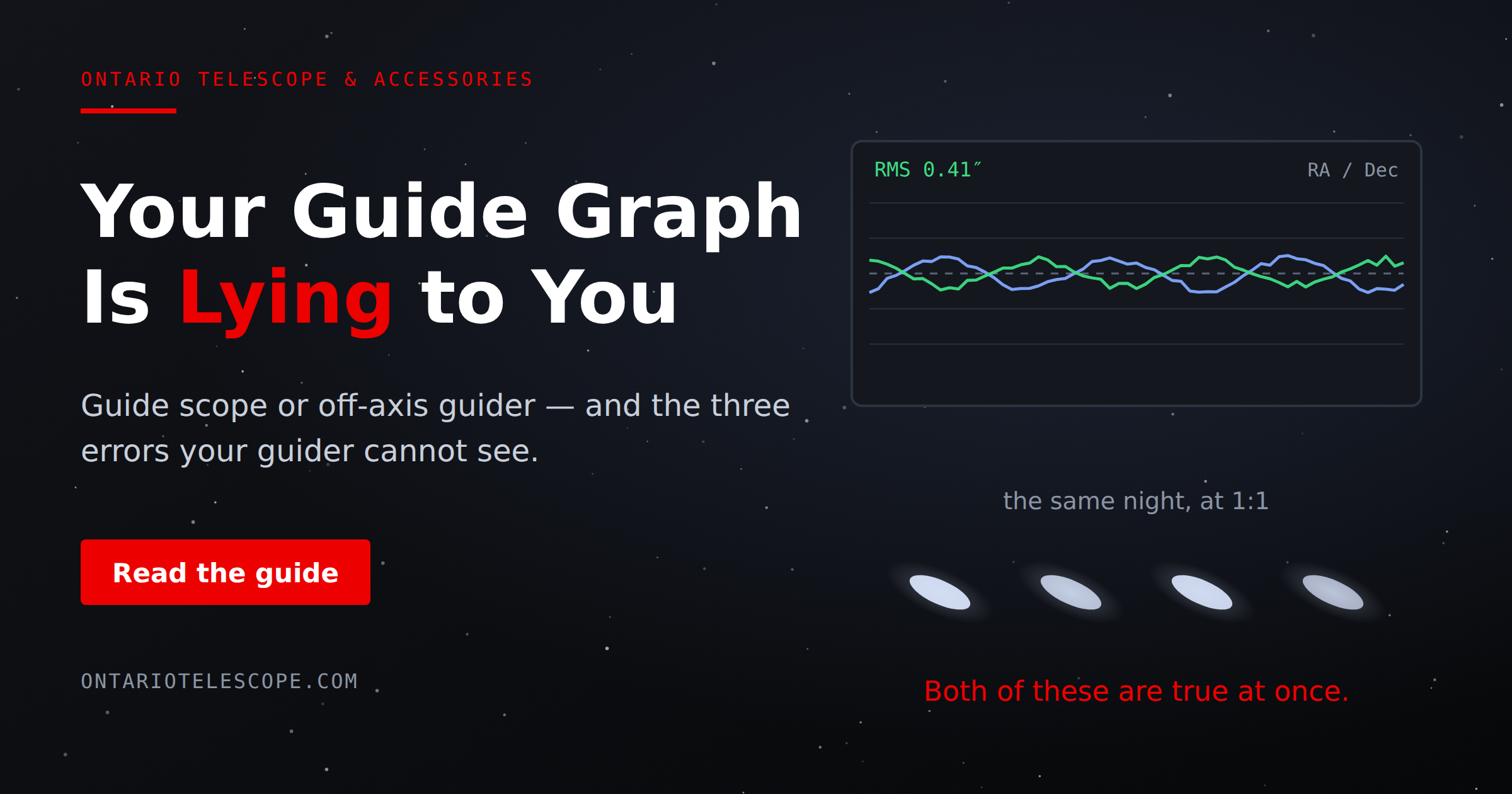
Your Guide Graph Is Lying to You
Read More
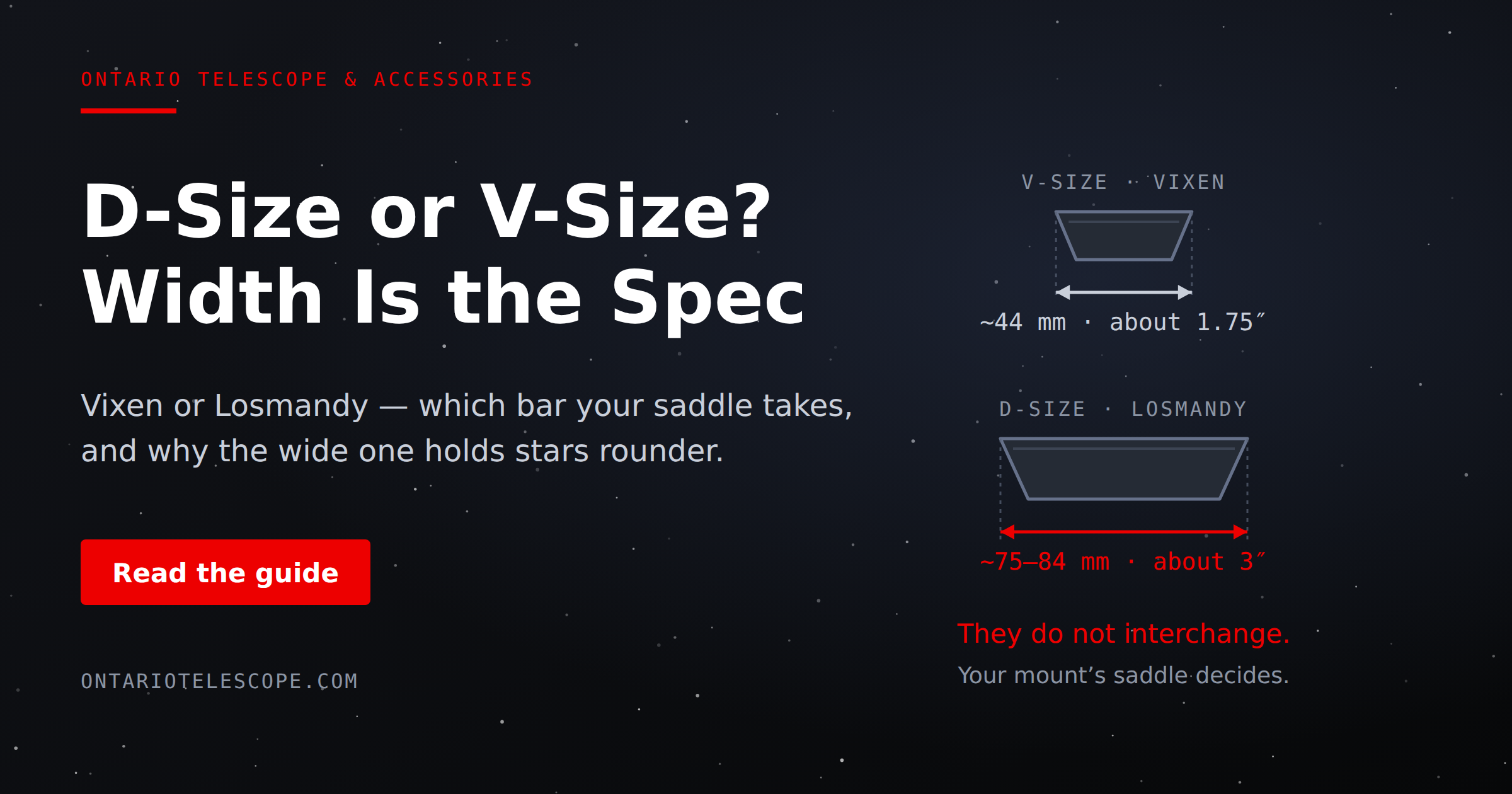
D-Size vs V-Size: A Complete Guide to Telescope Dovetail Systems
Read More
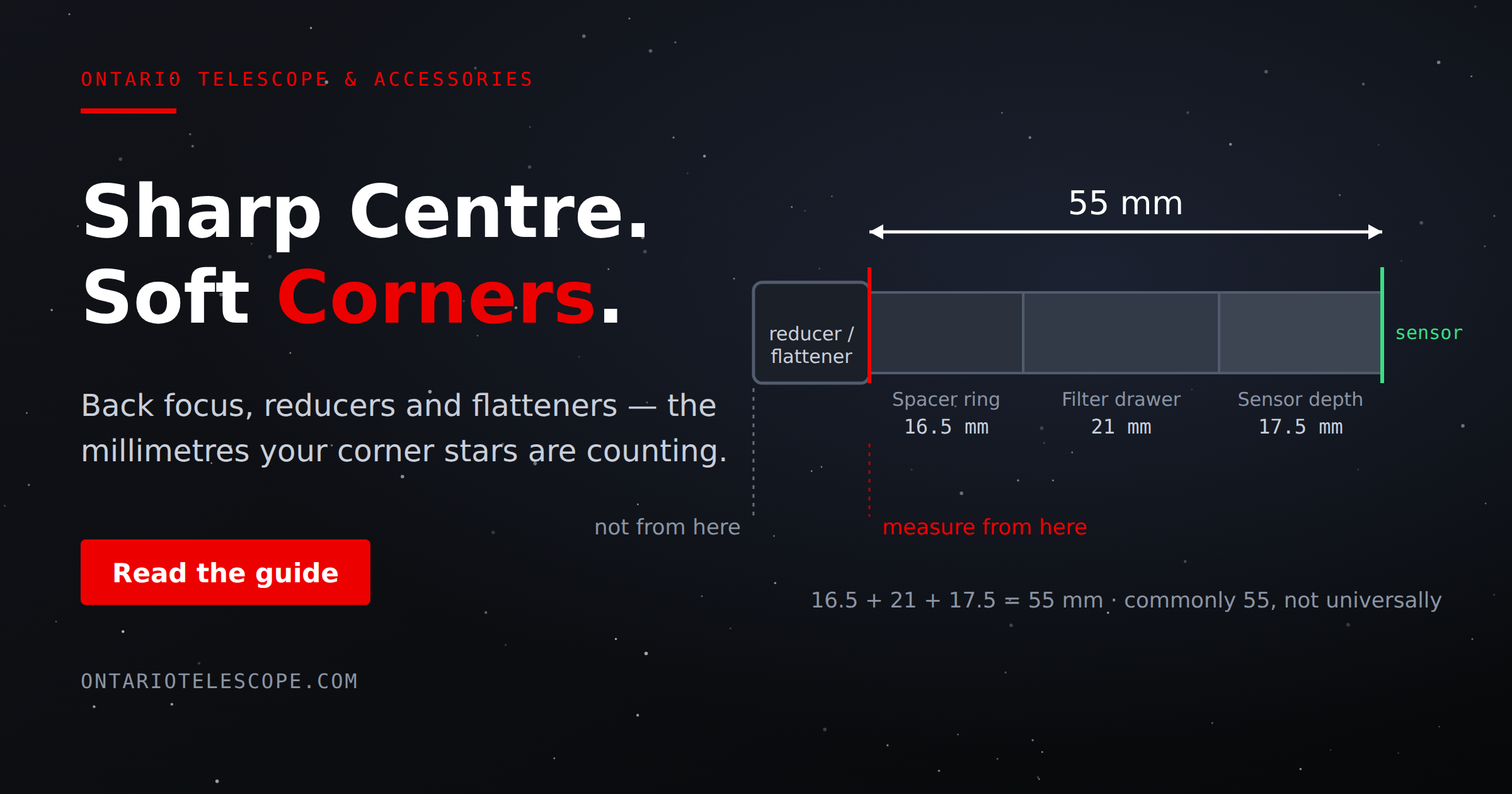
What Is Back Focus in Astrophotography? Telescope Reducers, Flatteners, and Spacing Explained
Read More