
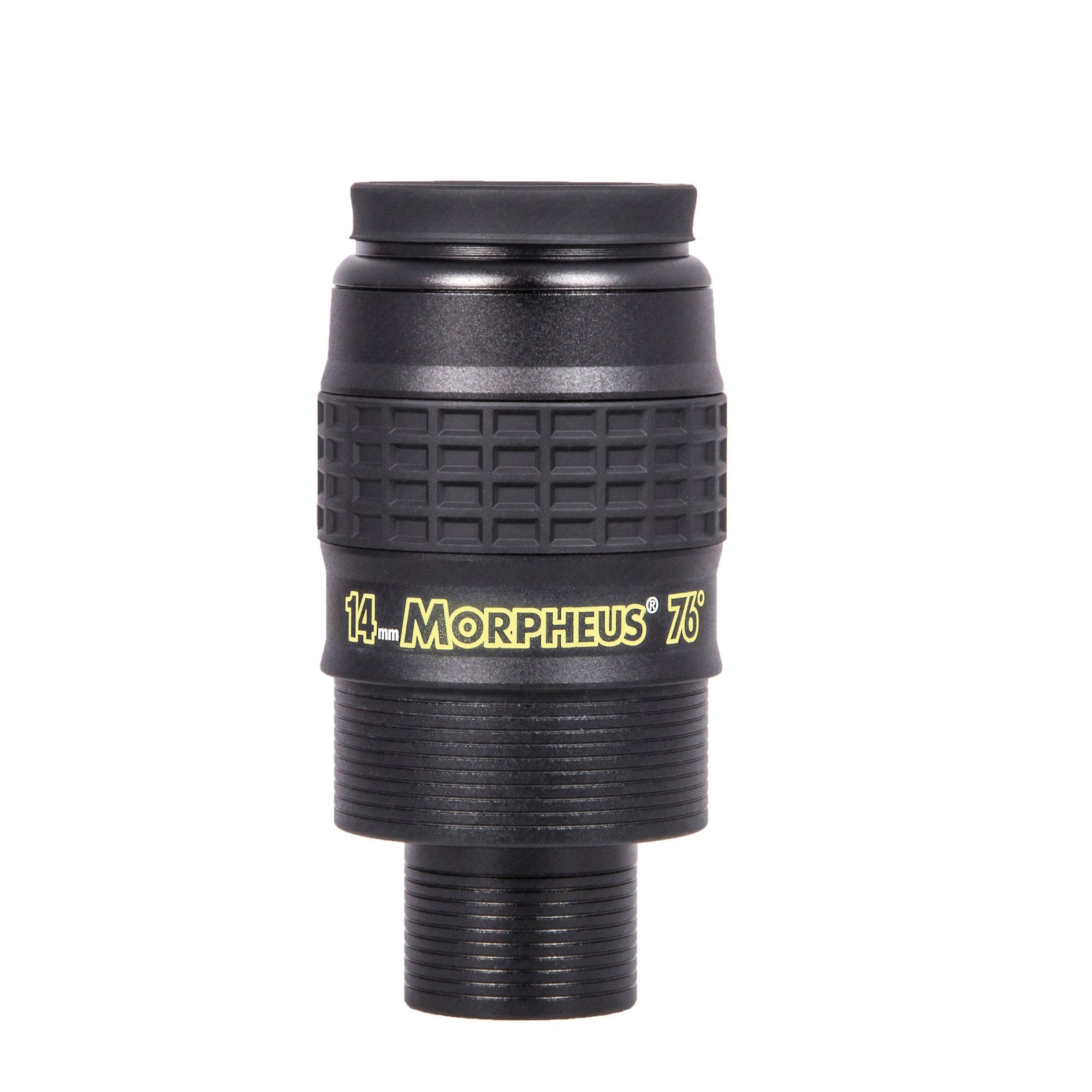


- Description
- Specifications
- Full field sharpness: The sharp flat 76° field is unsurpassed by any other modern wide field eyepiece. On-axis sharpness and contrast rivals our best planetary eyepieces, while delivering nearly equivalent performance over the full field.
- Long Eye Relief and optimized for bino-viewing: Morpheus pushes the envelope of comfortable wide field viewing further than ever before, delivering close to 20mm of eye relief
- Low Distortion: The Morpheus optical design delivers exceedingly low distortion (angular magnification distortion)
- Photo-Video Adaption: Like their Hyperion siblings, all Morpheus eyepieces make superb imaging projection optics with the M43 thread
-
NEW FEATURES SINCE JANUARY 2018:
-
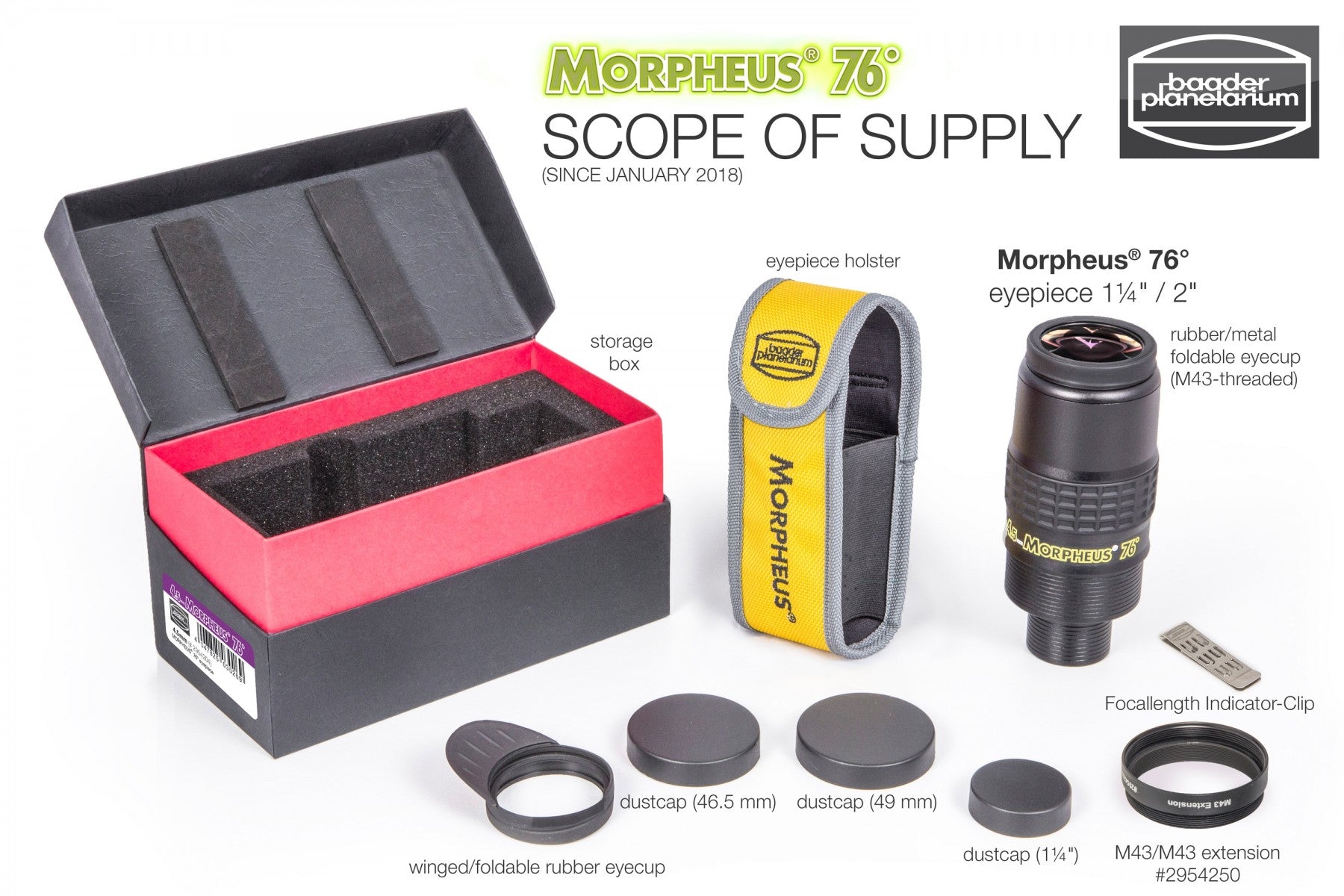
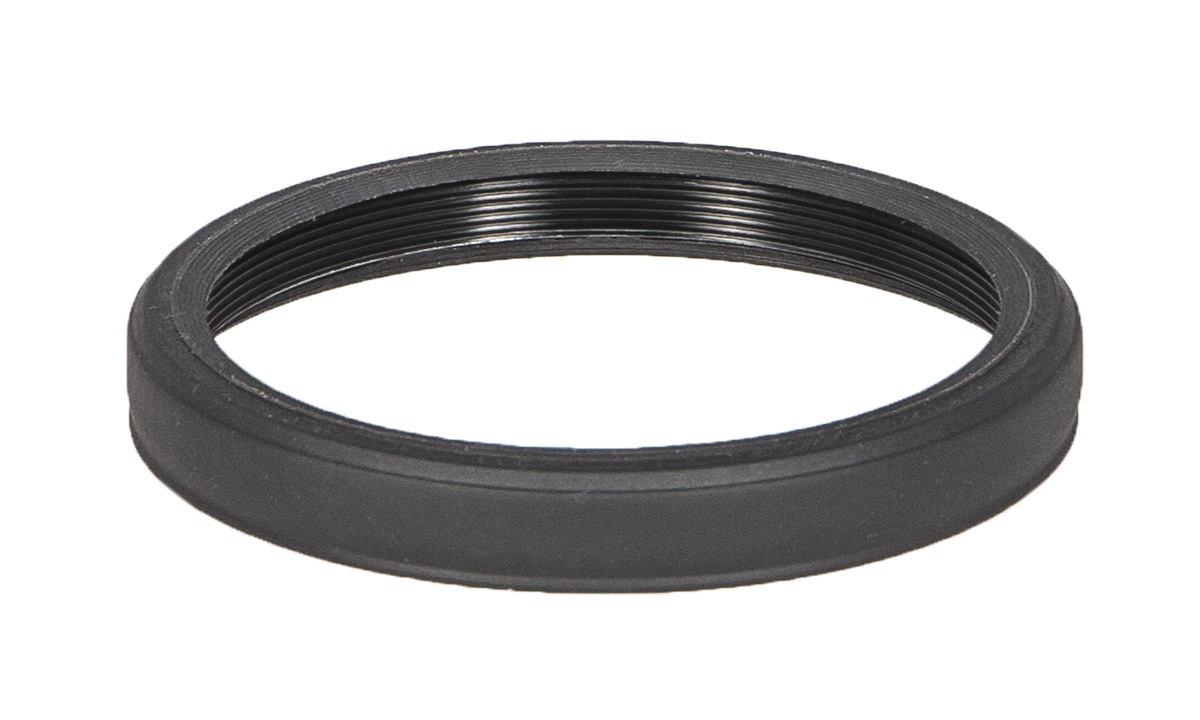
 Metal / Rubber eyecup: The folding rubber eyecup now comes with an integral M43 threaded metal ring (this accounts for the complete line of Morpheus-eyepieces). The threaded attachment enables the eyecup to stay soft and compliant, while keeping the eyecup securely attached to the eyepiece while folding it up or down.
-
 M43/M43 extension: all Morpheus eyepieces now include the M43 extension #2954250. It is used for optimizing the position of the eyecup in setting the personal viewing position as well as for adapting a camera with M43-thread (eg. Sony / Panasonic). In addition this extension serves also as clamping surface for smartphone holders
-
 10-page manual: a manual with many application examples and a list of optional accessories (similar to the Hyperion manual) is included (also under Tab "Downloads")
-
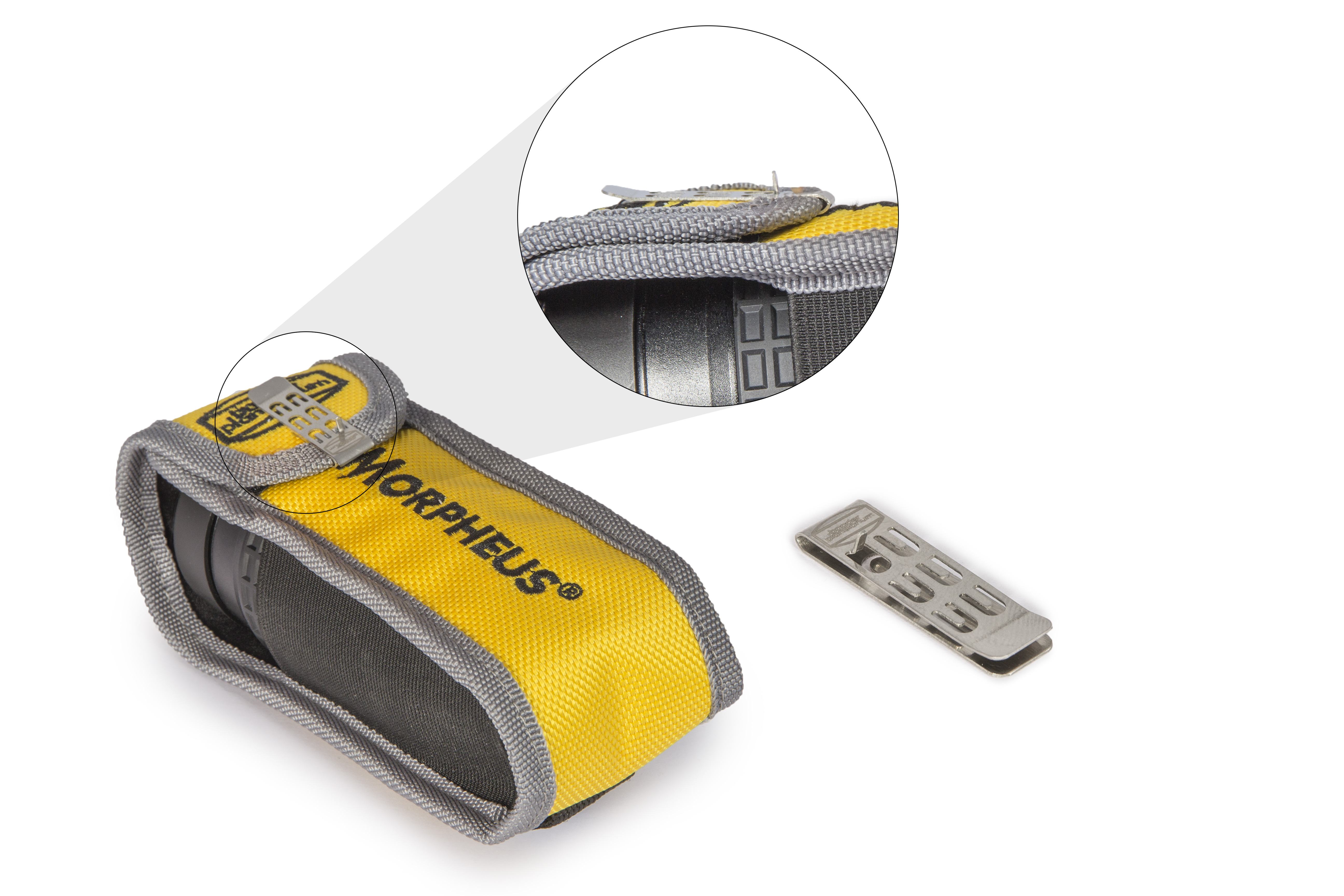
 Focal-Length Indicator-Clips: these stainless steel clips can be attached e.g. to the eyepiece holster and one or more of the little indicator fingers is bent upward - according to the focal length used. In this way the user experiences a taktile ("braille"-equivalent) sensation, being able to identify each eyepiece without looking and without using a flashlight
-


| GENERAL | |
|---|---|
| MANUFACTURER | Baader Planetarium |
| SKU (#) | 2954214 |
| WEIGHT (KG) | 0.360 |
| EYEPIECE SERIES | Morpheus |
| SPECIFICATIONS | |
| FOCAL LENGTH | 14 mm |
| APPARENT FIELD OF VIEW | 76° |
| EYE RELIEF (MM) | 18,5 mm |
| AR-COATING | Phantom Coating® Group |
| PARFOCAL EYEPIECES | Yes |
| SPECIAL FEATURES | Photo-luminescent engraving: lets you find the correct eyepiece at all times |
| BARREL SIZE (IN) | 1¼", 2" |
| OPTICAL DESIGN | Wide Angle |
| SPECIALITY | Eyepiece projection: classical |
| EYEPIECE DESIGN | |
| FIELD STOP DIAMETER | 18,85 mm |
| FIELD STOP DISPLACEMENT TO REFERENCE PLANE | +/- 0 mm |
| NUMBER OF LENS ELEMENTS | 8 |
| NUMBER OF GROUPS | 5 |
| BACKFOCUS GAIN W. 2“ BARREL (MM) | 21 mm |
| SLIP PROTECT SAFETY | Safety Kerfs |
| EYEPIECE BODY ABOVE REFERENCE PLANE (MM) | 85 mm |
| LENGTH OF 1¼" BARREL (MM) | 24 mm |
| LENGTH OF 2" BARREL (MM) | 21 mm |
| OUTER DIAMETER | 55 mm |
| CONNECTIONS | |
| OUTER CONNECTION (EYEPIECE/-CAMERA-SIDED) | Thread, M43 |
| INNER CONNECTION (LENS SIDED) | Thread, M28,5 |
| OUTER CONNECTION (LENS SIDED) | Barrel, 1¼", 2" (50,8mm) |
| CAMERA THREAD | M43 |
| THREADED FOR FILTERS | Yes |
| INCLUDED ITEMS | |
| DUSTCAPS | 1¼" dustcap (31,8mm), 2" dustcap (45mm), 2" dustcap (46.5mm - fits over eyecup) |
| EYECUPS | folding eyecup (M43), winged eyecup (M43) |
| INCLUDED ACCESSORIES | Cordura eyepiece holster for fast access |
| OPTIONAL ACCESSORIES | Dustcap Storage Holster |
You may also like
Recently viewed
Recent Blog Posts
View all
Your Guide Graph Is Lying to You
You drove ninety minutes to dark sky, PHD2 held 0.4 arcseconds all night, and half your subs still have eggs for stars. Here are the three things your
Read More
Read More

D-Size vs V-Size: A Complete Guide to Telescope Dovetail Systems
What's the difference between D-size and V-size telescope dovetails? Here's everything you need to know.
Read More
Read More

What Is Back Focus in Astrophotography? Telescope Reducers, Flatteners, and Spacing Explained
What Is Back Focus in Astrophotography? Telescope Reducers, Flatteners, and Spacing Explained
Back focus is one of those astrophotography terms that c
Read More
Read More