


- Description
Celestron’s new EdgeHD reducers feature a custom 4-element optical design engineered to maintain the flat-field performance of our award winning EdgeHD optical system. Unlike generic reducers, our premium reducers provide substantial back focus to accommodate an assortment of imaging accessories.
EdgeHD reducers offer high index optical elements, including extra low dispersion, exotic Lanthanum elements, which provide high contrast viewing while minimizing chromatic aberration. All air to glass lens surfaces feature multiple layers of coating for maximum light transmission and color correction and contain blacken edges to minimize internal reflection and maximize image contrast. Large diameter lens elements, up to 60 mm clear aperture, ensure that the optimized image circle remains at a generous 42 mm for use with large CCD sensors.
Incorporating computer assisted CNC machined aluminum housing, for precise spacing and alignment of optical elements, and threaded metal covers on the lens assembly to protect your investment from dust and scratches, our reducers offer you an outstanding mechanical design.
With the fastar option on all EdgeHD optical systems, coupled with the .7x reducer, your telescope becomes the most complete imaging system available in its price range today.
Performance
· Design: 4-element optical layout designed specifically for the EdgeHD 9.25" to maintain the flat-field performance of the EdgeHD optical design
· Maintains the same back focus as when used at f/10: Unlike generic reducers the EdgeHD .7x provides generous back focus to accommodate additional accessories and a wide variety of cameras. Also allows use of existing EdgeHD T-Adapters and other Celestron imaging accessories
· One full F-Stop faster than f/10: Reduces the exposure time by one-half to capture the same brightness of object
· Increase field of view by 43%: Better for capturing wide field images of larger galaxies and nebulae
Glass
· Lanthanum Glass Elements: EdgeHD reducer uses "rare earth" Lanthanum glass elements for clear, high contrast viewing while minimizing chromatic aberration
· Fully multi-coated lens elements: All air-to-glass surfaces have multiple layers of coating for maximum light transmission and color correction
· Blacken edges: All lens elements have blacken edges to minimize internal reflection and maximize contrast
Full Frame Design
· Threads directly onto the 3.25" threads of the EdgeHD optical tube: Reduces mechanical vignetting and allows for use with larger (full frame) sensors and Off-Axis Guiders
· Clear aperture: 60 mm clear aperture lens optimized for a 42 mm image circle for use with large CCD sensors.
Mechanical Design
· Machined aluminum housing: Computer assisted CNC machined aluminum housing for precise spacing and alignment of the optical elements.
· Threaded metal covers for both ends of the lens assembly: To protect your investment from unwanted dust and scratches.
Versatility
· Fastar compatibility and f/2 imaging with optional accessory: the EdgeHD is the most complete imaging system in its price range.
You may also like
Recently viewed
Recent Blog Posts
View all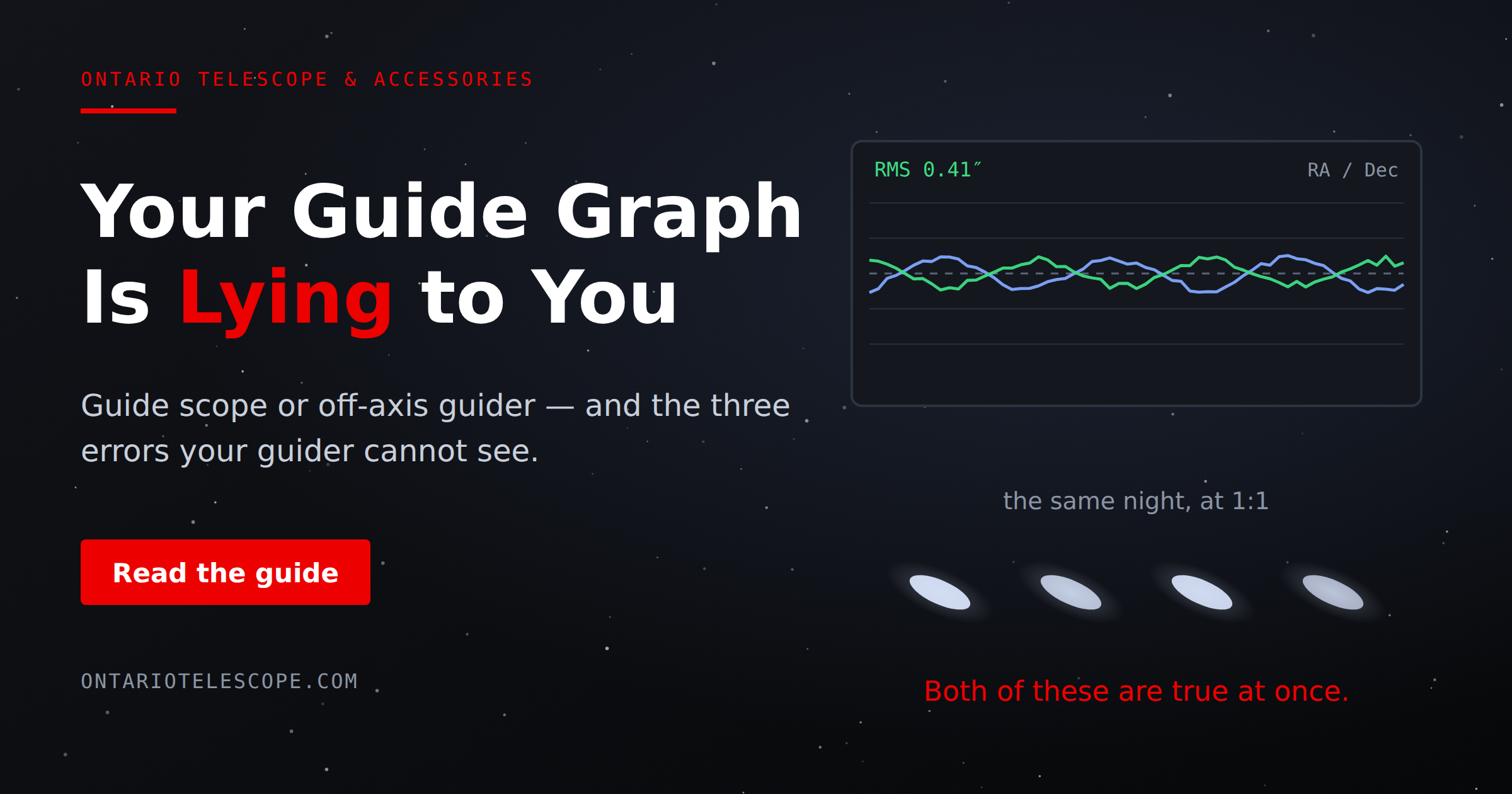
Your Guide Graph Is Lying to You
Read More
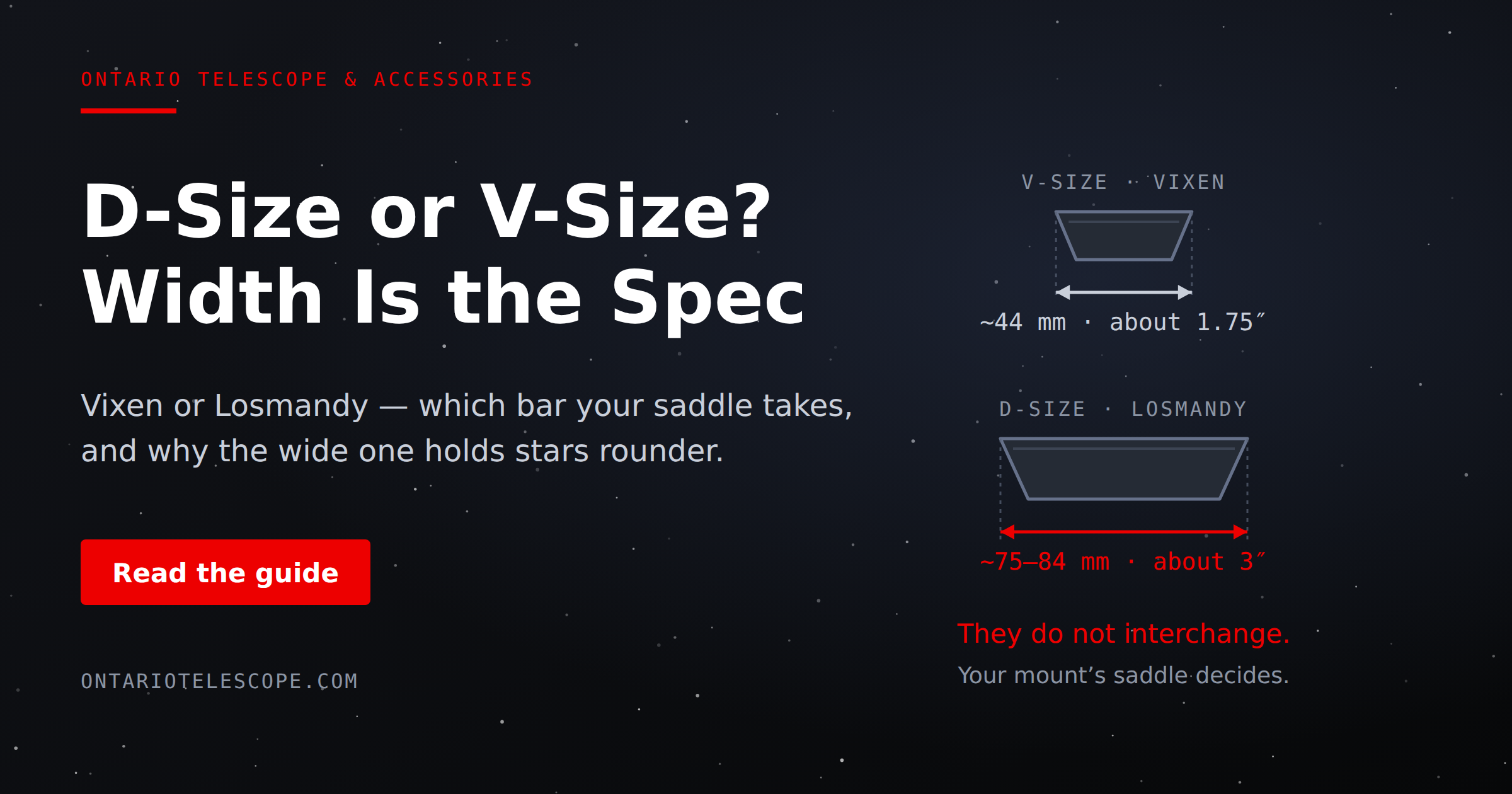
D-Size vs V-Size: A Complete Guide to Telescope Dovetail Systems
Read More
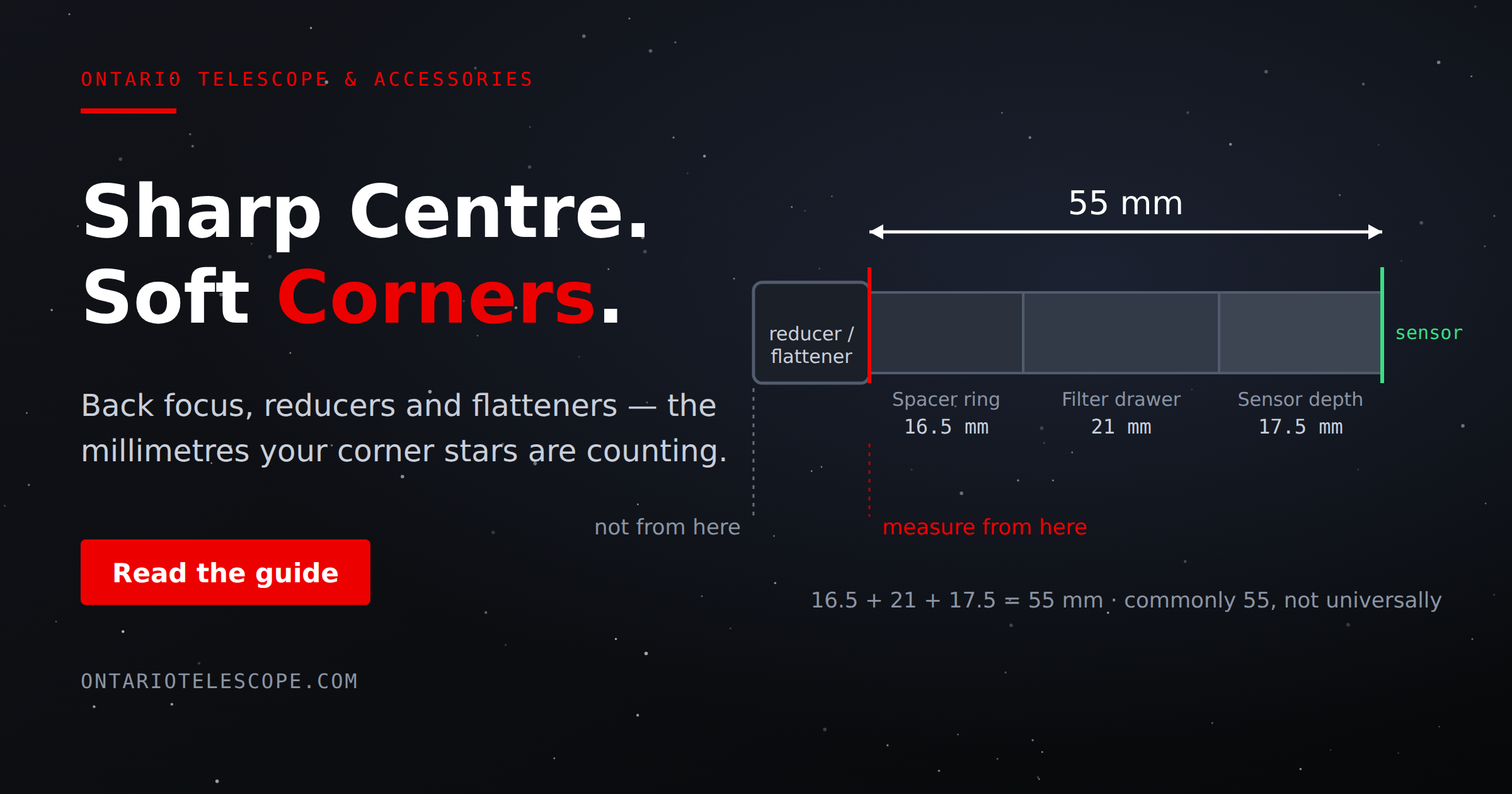
What Is Back Focus in Astrophotography? Telescope Reducers, Flatteners, and Spacing Explained
Read More