
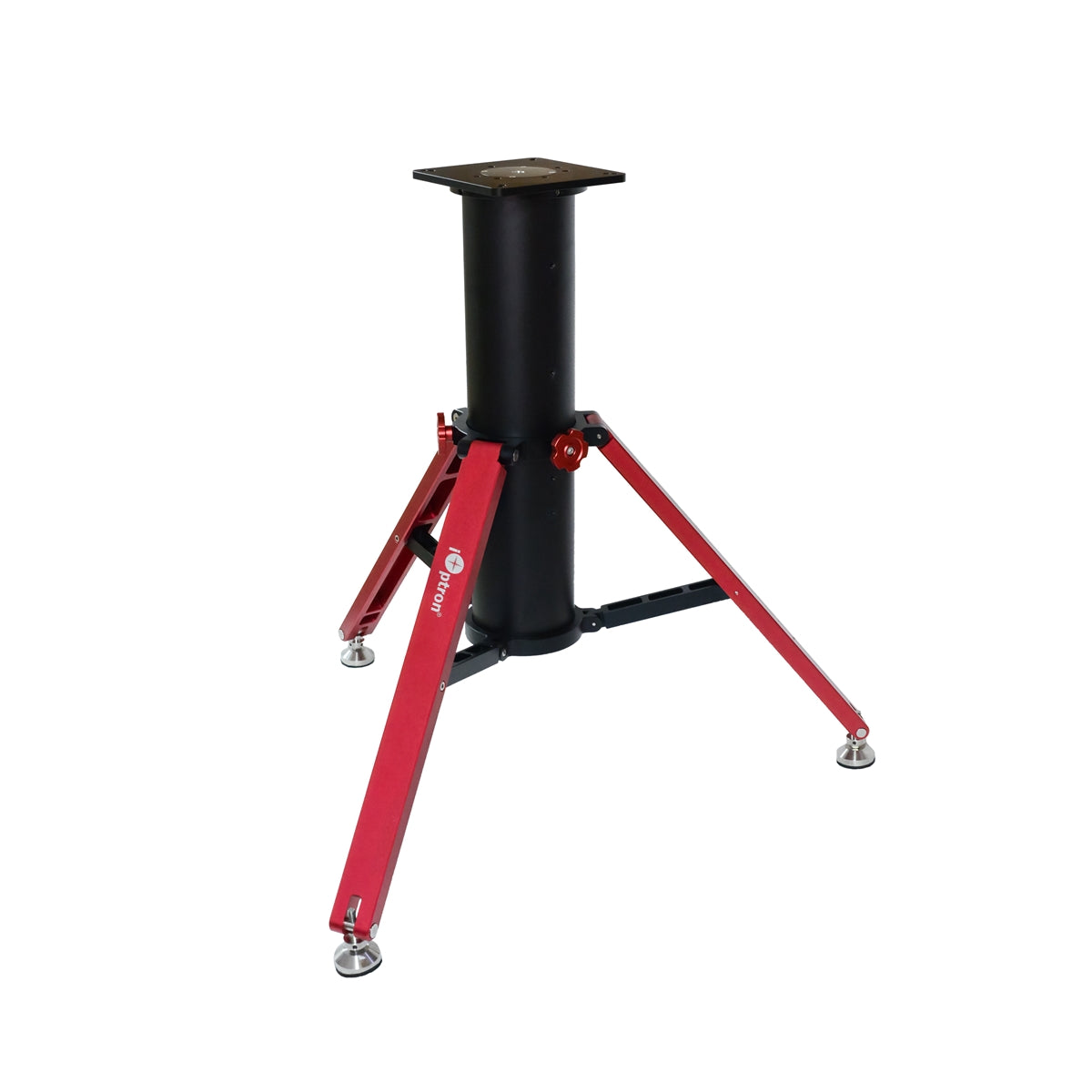

- Description
- Specifications
The iOptron
heavy duty Tri-Pier 360 is designed for CEM120 mount. It combines the strength
and stableness of a pier with the levelling flexibility of a tripod. 1/4 inch
thick aluminum alloy pier and CNC machined legs with adjustable feet.
·
CEM70
·
CEM60
·
iEQ45
Pro/iEQ45
·
AZ
Mount Pro/MiniTower/MiniTower Pro (need Star Knobs with Center Post 8340-PIER)
·
CEM40/GEM45
(need MiniPier 8032 or MiniPier top plate 8032PT)
·
Paramount
MyT (no adapter needed)
·
Takahashi
(EM-200), SkyWatcher (HEQ5/EQ6/NEQ6/AZEQ6), Celestron (CGEM/CGEM-DX), Orion
Atlas (EQ-G/AZEQ-G) ( need Tri-Pier adapter 8036-TK)
·
Astro-Physics
400/600E/Mach1GOTO (need Tri-Pier adapter 8036-AP)
·
ZEQ25/CEM25
(need Tri-Pier adapter 8036-25)
·
Celestron
CGX/CGX-L (need top plate 8039-CGX)
| Max Payload | 360 lbs (165 kg) |
| Self Weight | ~31 lbs (13.9 kg) |
| Material and Finish | Aluminum Alloy (CNC), anodized |
| Pier Diameter | 150 mm |
| Pier Wall Thickness | 5 mm |
| Pier Top Plate | 210mm X 210mm |
| Adjustable Height | 860-1020 mm) |
| Uneven Ground Range | 51 mm |
| Leg Maximum Spread | Ø1150 mm |
| Pier Dimension (folded) | Ø240 x 820 mm |
| Warranty | One year limited |
You may also like
Recently viewed
Recent Blog Posts
View all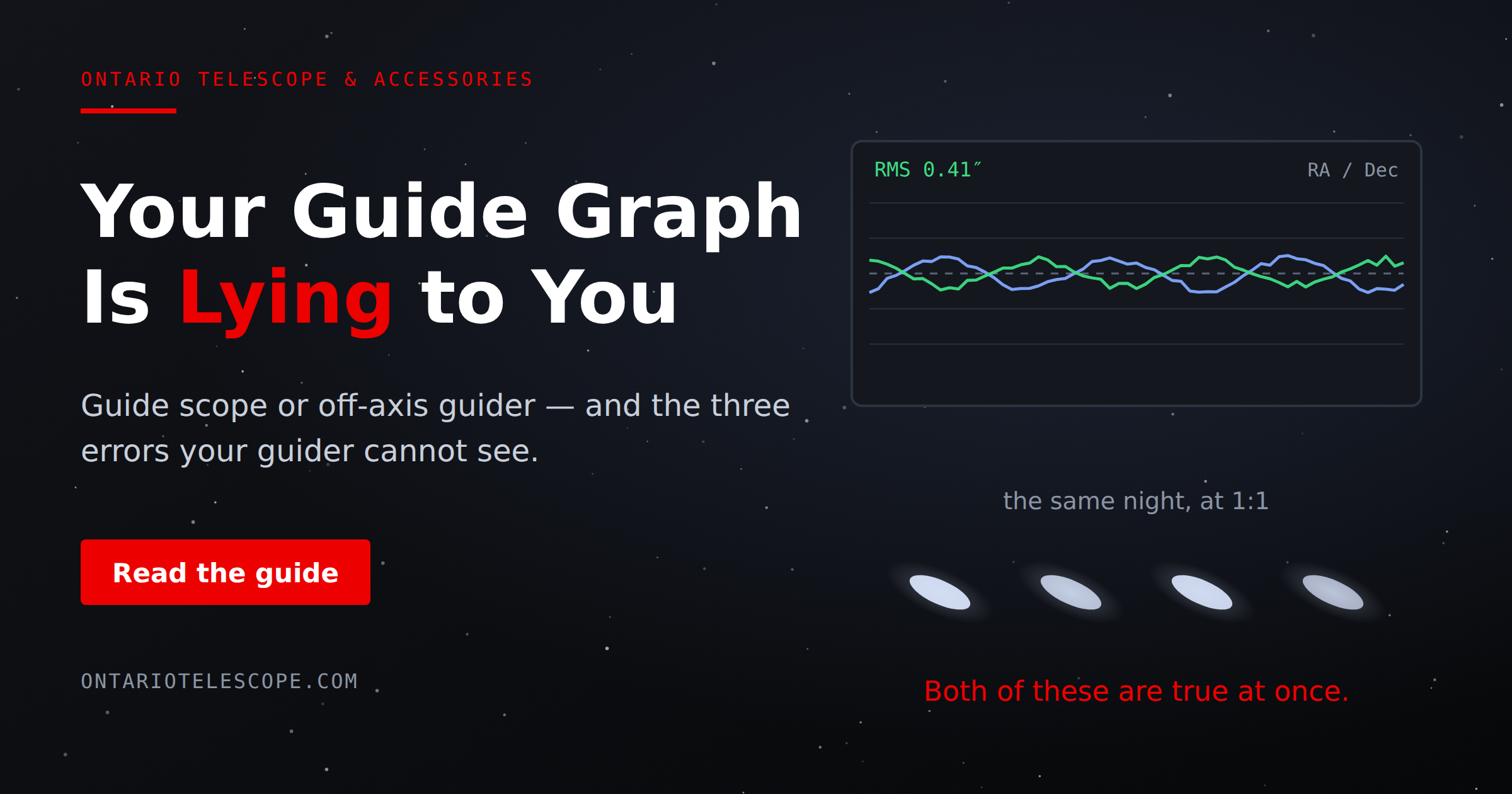
Your Guide Graph Is Lying to You
Read More
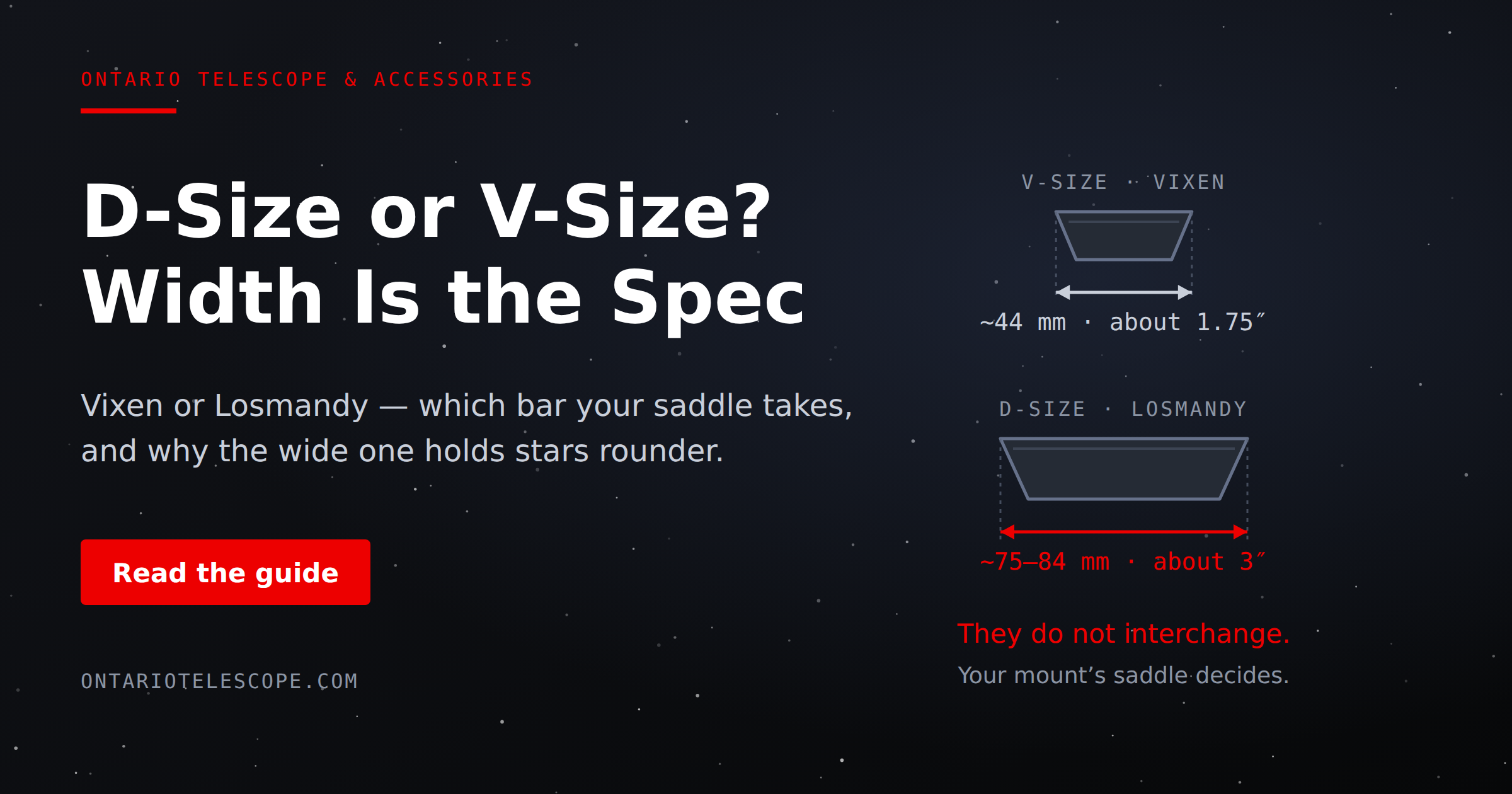
D-Size vs V-Size: A Complete Guide to Telescope Dovetail Systems
Read More
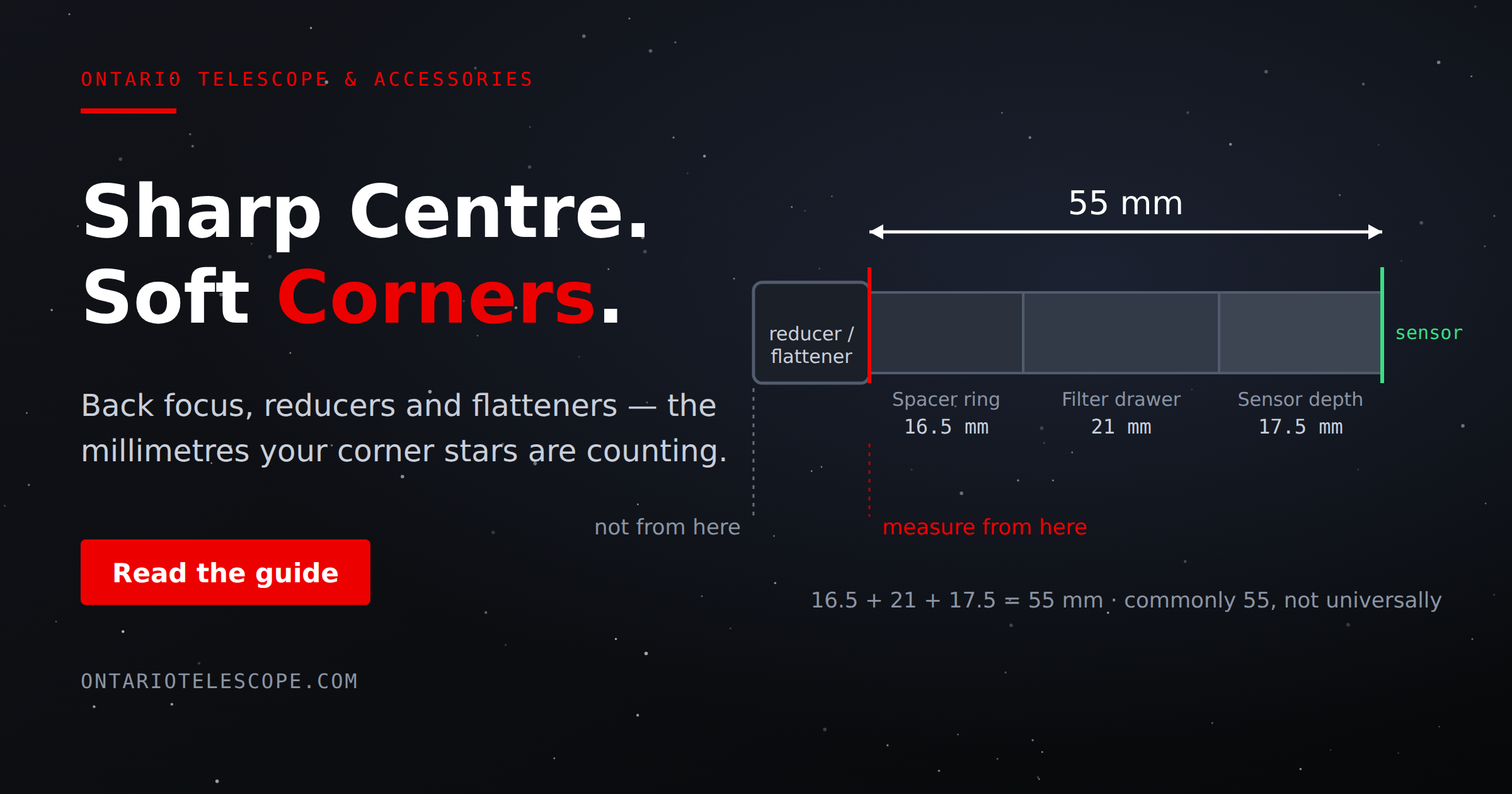
What Is Back Focus in Astrophotography? Telescope Reducers, Flatteners, and Spacing Explained
Read More