


- Description
- Specifications
The ToupTek G3M224C is an entry-level compact colour planetary camera built around the Sony IMX224 sensor. The IMX224 is a time-tested choice for planetary imaging thanks to its excellent sensitivity at very low light levels — making it particularly useful for capturing detail on fainter planetary targets and for use as an entry-level guide camera.
Who Is This Product Best For?
The G3M224C is ideal for beginners entering planetary imaging for the first time, as well as intermediate imagers who want an affordable colour guide camera. Its simplicity and sensitivity make it an accessible first step into planetary and autoguiding workflows.
Why Choose This Product?
- Sony IMX224 Colour Sensor: Excellent low-light sensitivity for one-shot colour planetary and guide use.
- Ultra-Compact G3M Body: Lightweight and easy to use directly in 1.25" focusers.
- One-Shot Colour: Immediate colour results without filter sets.
- Affordable Entry Price: An accessible starting point for planetary imaging and guiding.
Recommended Uses
- Beginner colour planetary and lunar imaging
- Entry-level autoguiding as a guide camera
- Casual solar system target imaging
Compatibility and Accessory Notes
- 1.25" barrel; compatible with standard focusers and Barlow lenses
- Compatible with INDI, ASCOM, SharpCap, FireCapture, and PHD2
Important Limitations
- Not designed for deep sky long-exposure imaging
- Smaller sensor than higher-end G3M models — narrower field of view
Frequently Asked Questions
Is this a good guide camera?
Yes — the G3M224C works well as a guide camera with PHD2 at very low cost. It is one of the most affordable ways to get started with autoguiding.
Is this suitable for visual astronomers?
Yes — it is one of the simplest ToupTek cameras to use for casual Moon and planet viewing through a computer or tablet.
Our Recommendation
The ToupTek G3M224C is an excellent budget-friendly entry point for beginners who want to start planetary imaging or autoguiding. Simple, sensitive, and affordable.
| Specification | Detail |
|---|---|
| Sensor | Sony IMX224 (Colour, RGGB Bayer, BSI) |
| Sensor Format | 1/3" |
| Resolution | 1.2 MP (1304 × 976) |
| Pixel Size | 3.75 µm |
| Interface | USB 2.0 |
| Mount | C-mount (1.25" nosepiece included) |
| Back Focus | 17.5 mm |
| Hardware ROI | Yes |
| Cooling | None (uncooled) |
| Power | USB bus-powered |
| Filter Compatibility | 1.25" mounted filters via extension tube |
| OS Compatibility | Windows, Linux, macOS (INDI) |
| Software | ToupSky, SharpCap, NINA, PHD2, ASCOM |
You may also like
Recently viewed
Recent Blog Posts
View all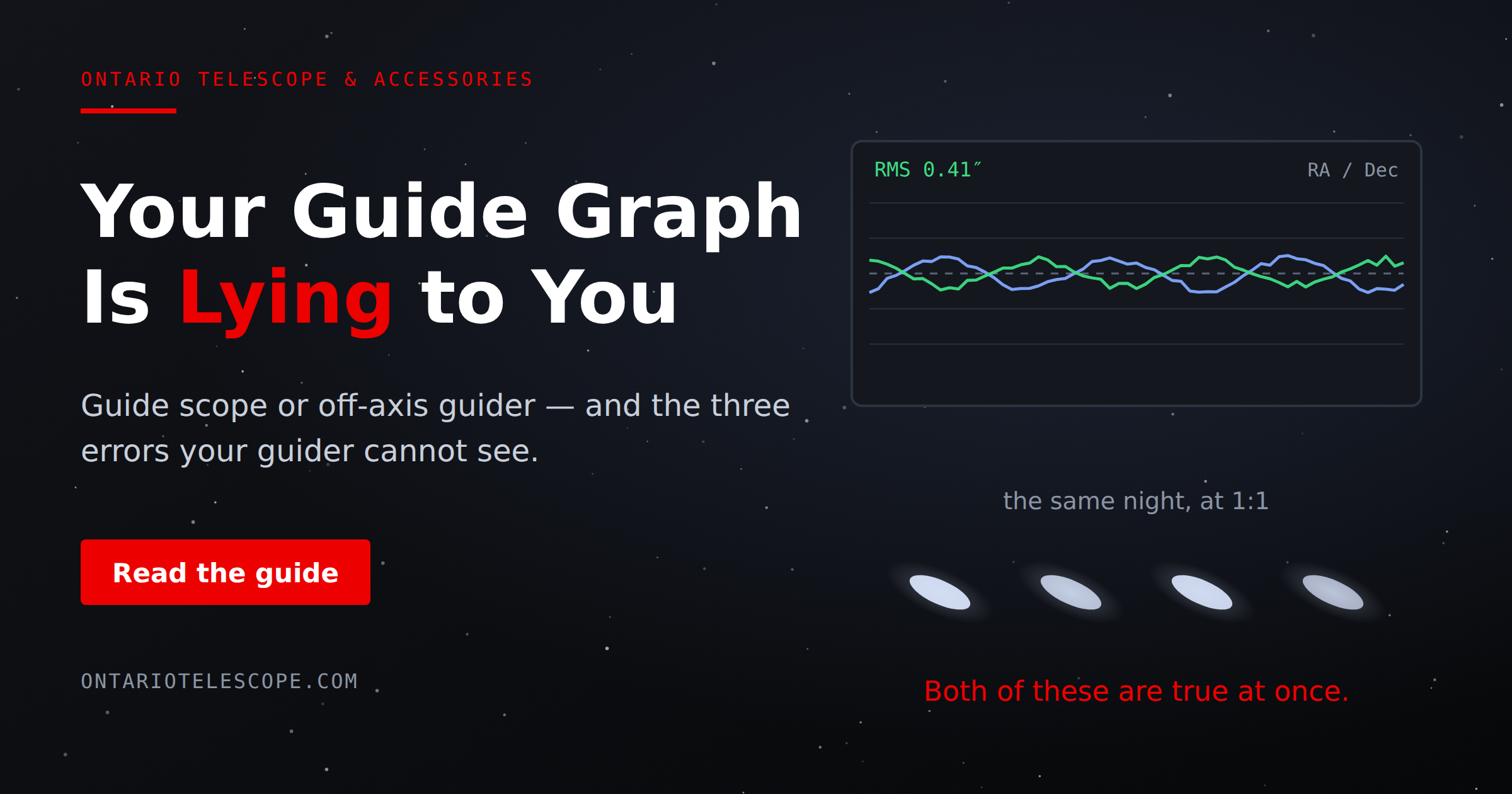
Your Guide Graph Is Lying to You
Read More
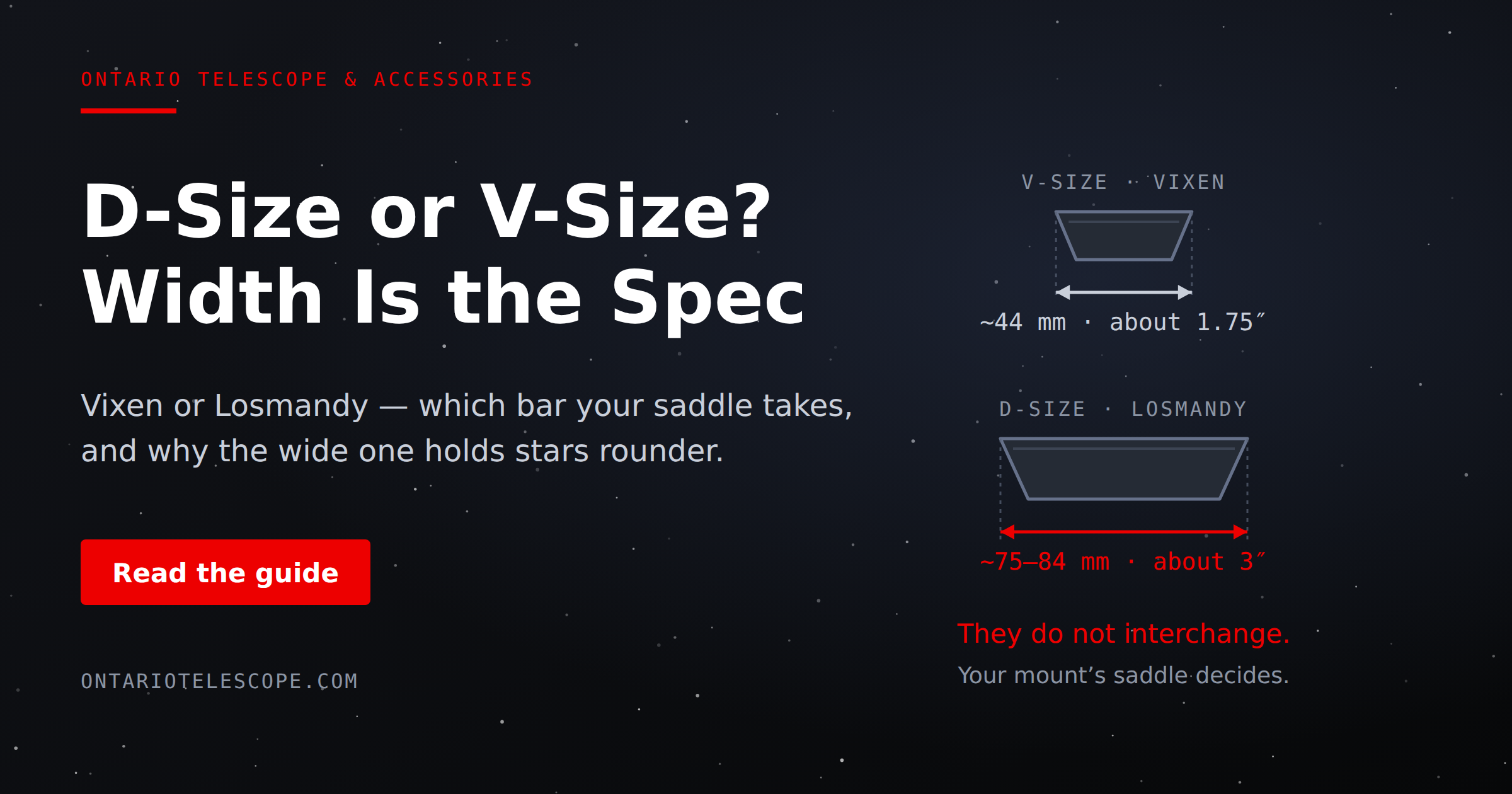
D-Size vs V-Size: A Complete Guide to Telescope Dovetail Systems
Read More
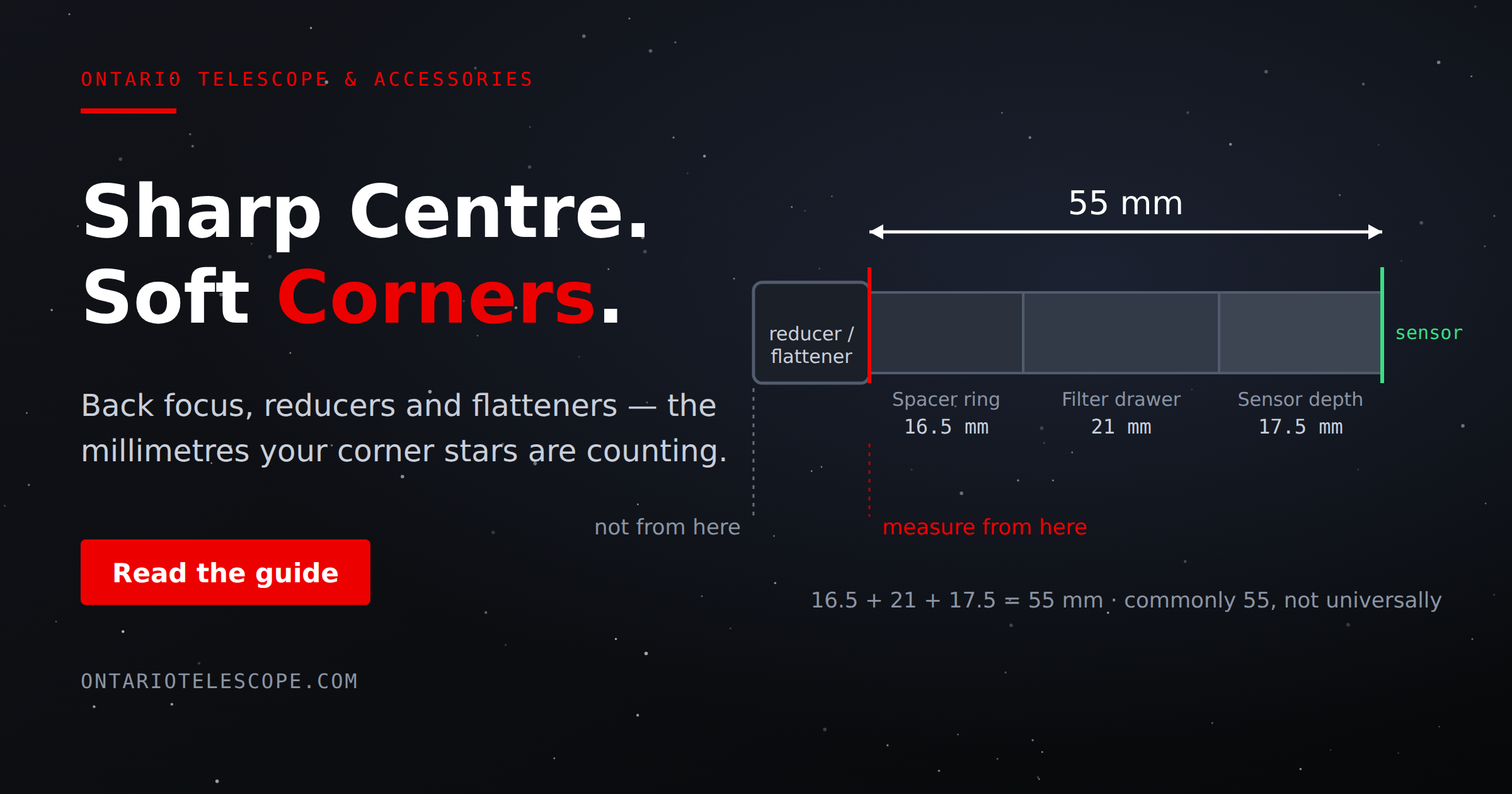
What Is Back Focus in Astrophotography? Telescope Reducers, Flatteners, and Spacing Explained
Read More