


- Description
- Specifications
The ToupTek G3M178M is a compact monochrome planetary camera featuring the Sony IMX178 sensor in ToupTek's G3M ultra-compact body. With its high-resolution 3096×2080 pixel array and 2.4 µm pixels, the G3M178M delivers superior per-pixel sensitivity compared to the colour version, making it the choice for serious monochrome planetary imagers who want fine detail with separate filter sets.
Who Is This Product Best For?
The G3M178M is ideal for intermediate to advanced planetary imagers who use LRGB or RGB filter wheels for colour planetary imaging, or who want maximum per-pixel sensitivity for monochrome planetary work and autoguiding.
Why Choose This Product?
- Sony IMX178 Monochrome Sensor: Maximum per-pixel sensitivity for monochrome planetary and guide use.
- Compact G3M Body: Extremely lightweight for easy Barlow and focuser integration.
- USB Interface: Plug-and-play compatibility with major astronomy platforms.
- 1.25" Barrel: Direct focuser and Barlow integration.
- Dual Use: Excellent as both a planetary camera and a high-sensitivity guide camera.
Recommended Uses
- Monochrome planetary imaging with LRGB or planetary filter sets
- High-sensitivity autoguiding with PHD2
- Lunar surface monochrome imaging
Compatibility and Accessory Notes
- 1.25" barrel; compatible with standard focusers and Barlow lenses
- Compatible with INDI, ASCOM, SharpCap, FireCapture, and PHD2
Important Limitations
- Not designed for deep sky long-exposure imaging
- Monochrome — requires filter sets for colour planetary results
Frequently Asked Questions
How does the G3M178M compare to the G3M178C?
The G3M178M is monochrome for maximum sensitivity and filter-based colour imaging. The G3M178C is one-shot colour — simpler but less sensitive per pixel.
Our Recommendation
The ToupTek G3M178M is an outstanding compact monochrome camera for planetary and guide use. Its high sensitivity and flexibility make it a top choice for intermediate to advanced imagers who want a versatile and capable planetary/guide camera.
| Specification | Detail |
|---|---|
| Sensor | Sony IMX178 (Monochrome, BSI) |
| Sensor Format | 1/1.8" |
| Resolution | 6.3 MP (3088 × 2064) |
| Pixel Size | 2.4 µm |
| Peak QE | >84% |
| Interface | USB 2.0 |
| Mount | C-mount (1.25" nosepiece included) |
| Back Focus | 17.5 mm |
| Hardware ROI | Yes |
| Cooling | None (uncooled) |
| Power | USB bus-powered |
| Filter Compatibility | 1.25" mounted filters; narrowband compatible |
| OS Compatibility | Windows, Linux, macOS (INDI) |
| Software | ToupSky, SharpCap, NINA, PHD2, ASCOM |
You may also like
Recently viewed
Recent Blog Posts
View all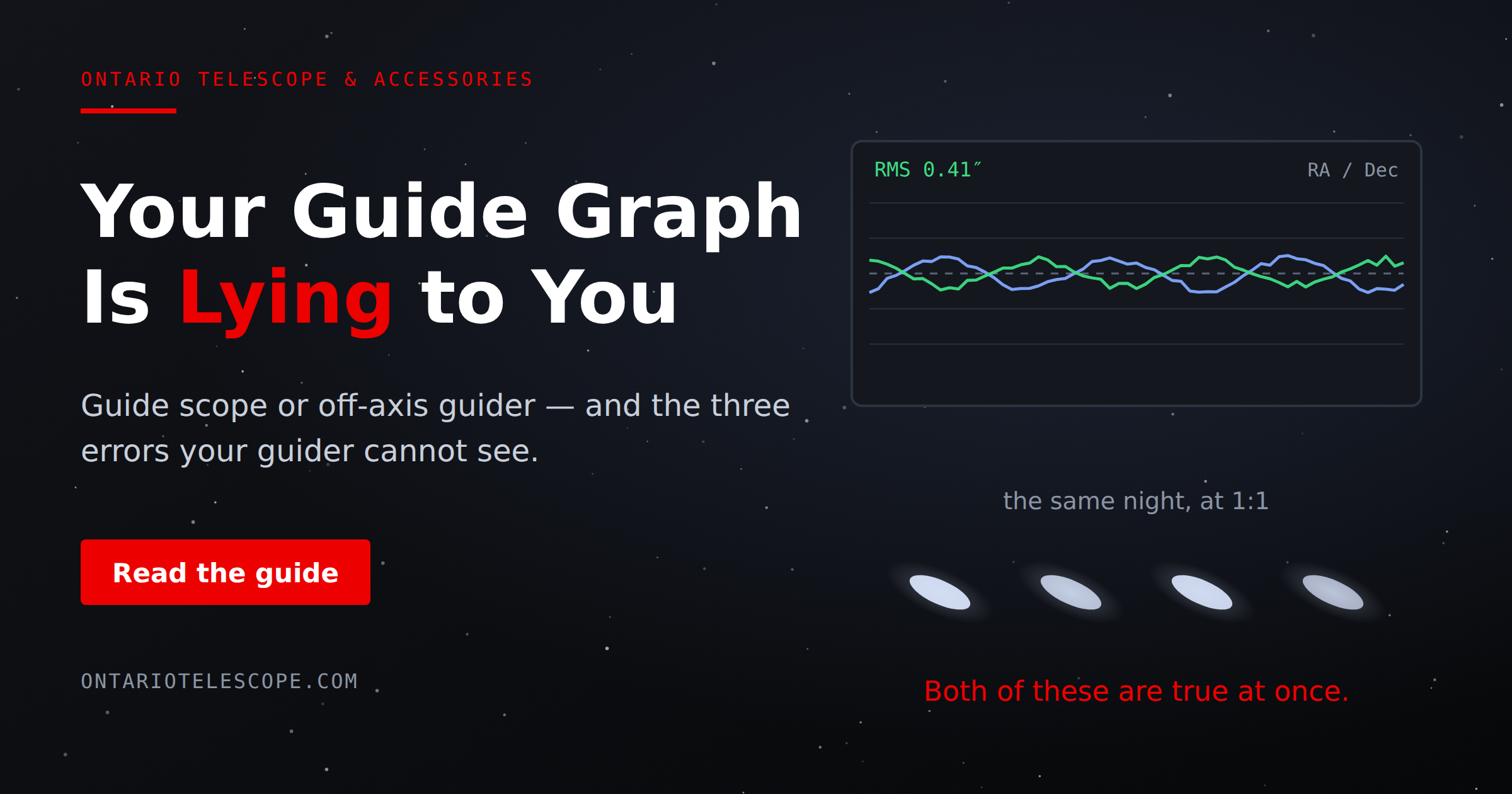
Your Guide Graph Is Lying to You
Read More
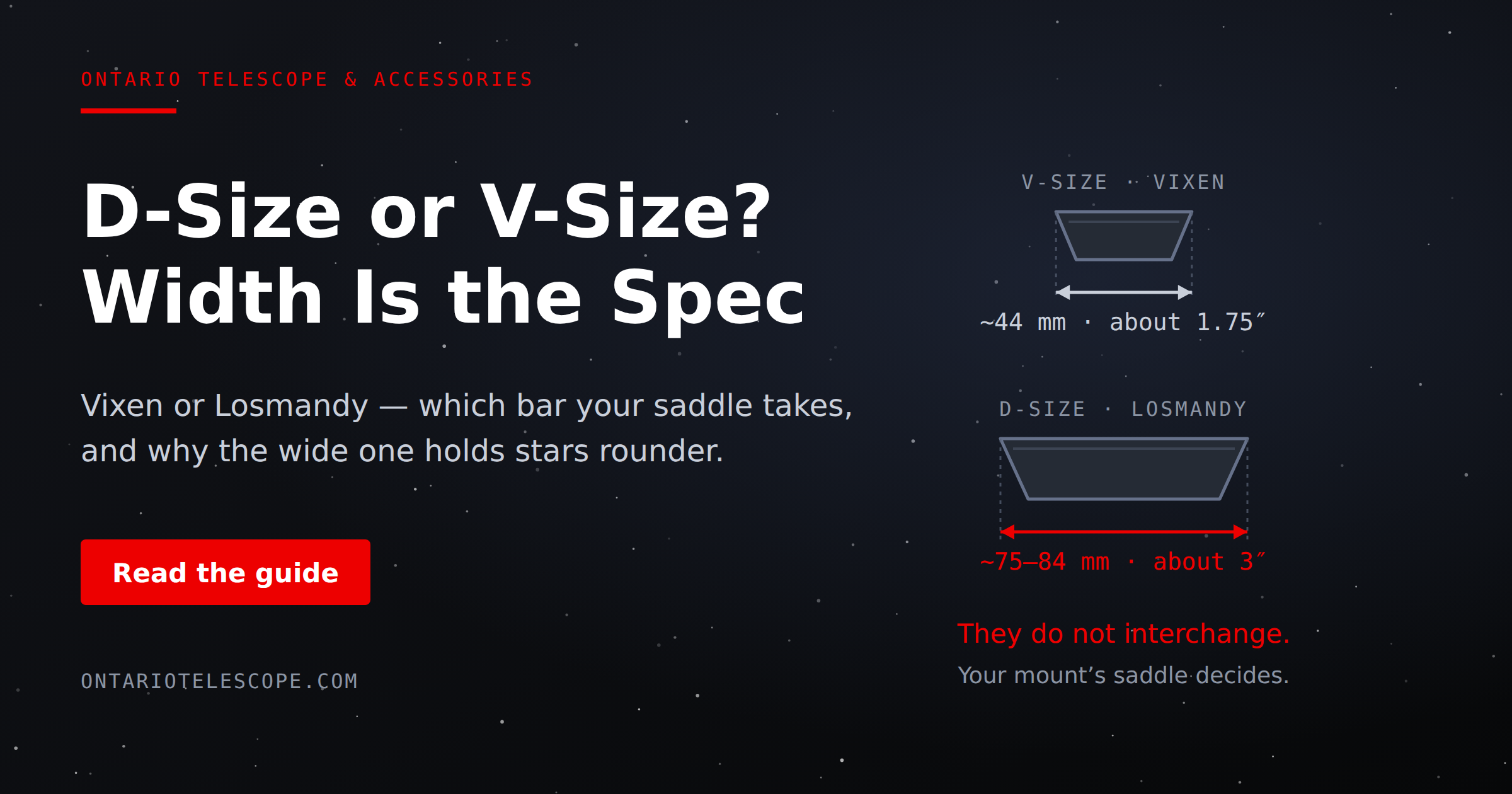
D-Size vs V-Size: A Complete Guide to Telescope Dovetail Systems
Read More
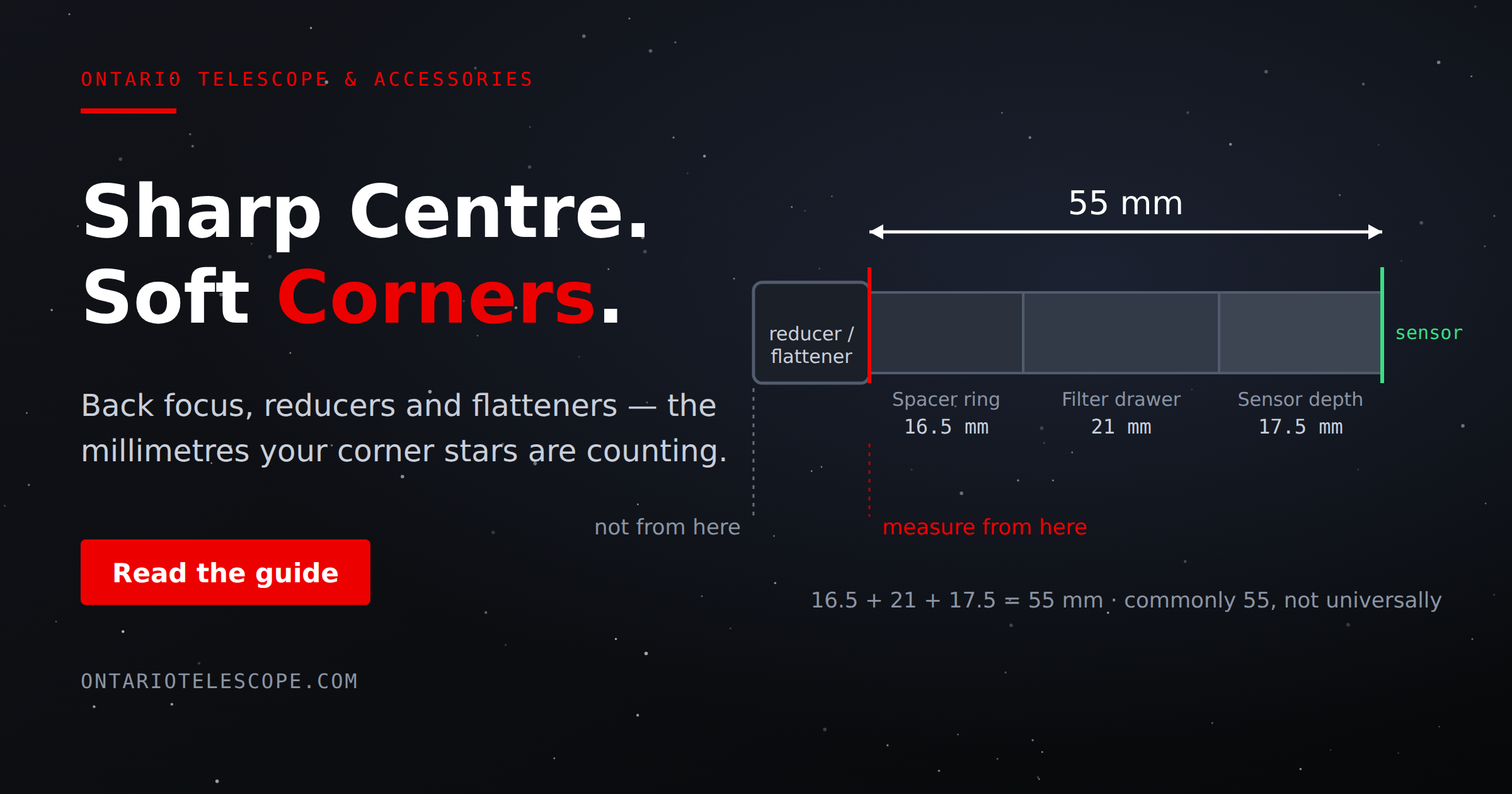
What Is Back Focus in Astrophotography? Telescope Reducers, Flatteners, and Spacing Explained
Read More