

- Description
- Specifications
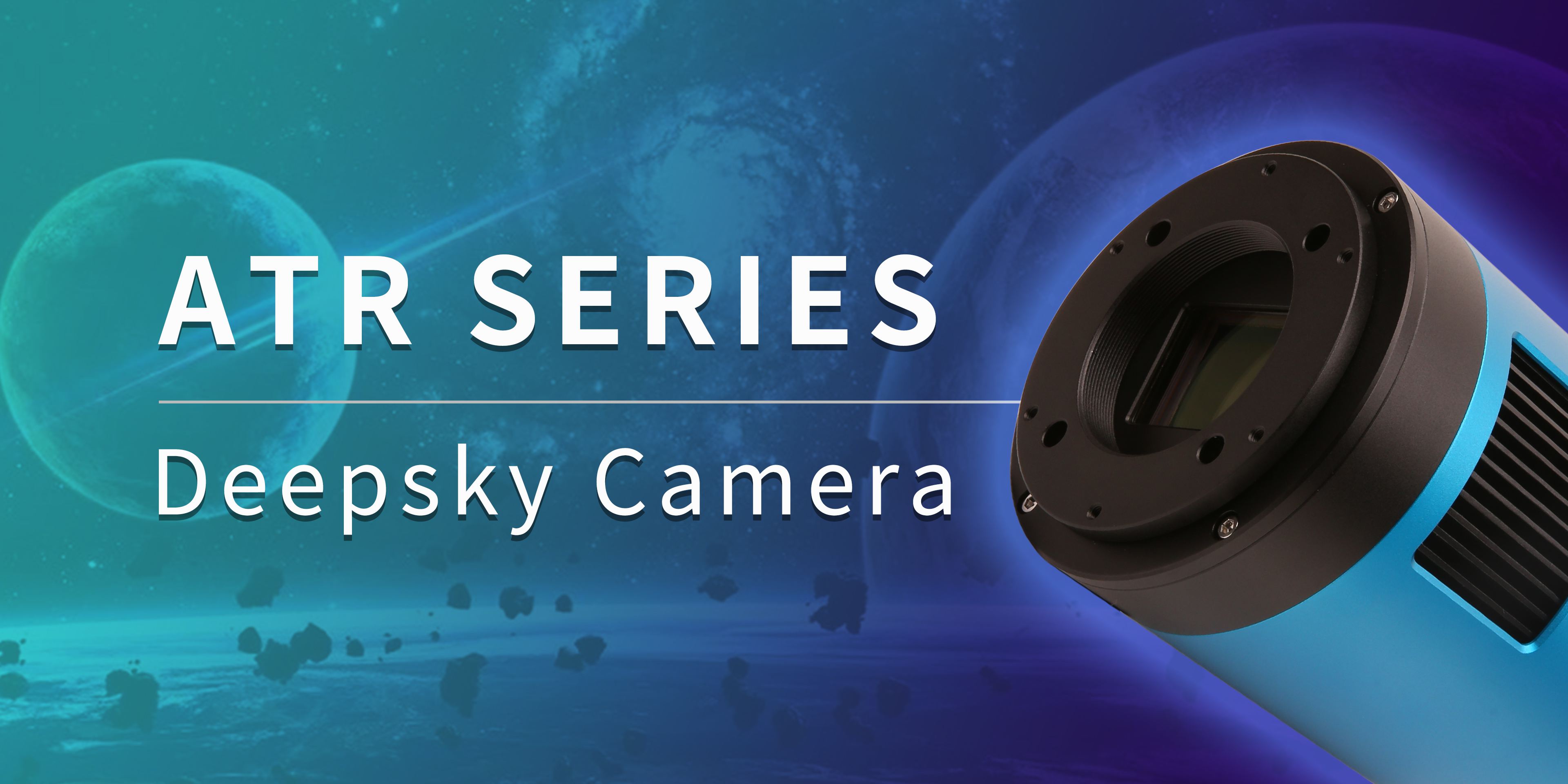
The ToupTek ATR432M is a professional monochrome deep sky cooled camera built around the Sony IMX432 global shutter sensor. Designed for serious astrophotographers who demand precision, stability, and performance, the ATR432M combines high-resolution imaging with advanced thermal management for long-exposure deep sky photography and lucky imaging.
Who Is This Product Best For?
The ATR432M is ideal for intermediate to advanced astrophotographers who image deep sky objects such as nebulae, galaxies, and star clusters using narrowband or broadband filters. Its global shutter architecture also makes it an excellent choice for lucky imaging of planets, the Moon, and the Sun when used with appropriate filters.
Why Choose This Product?
- Sony IMX432 Global Shutter Sensor: 1600×1100 pixels, 9 µm pixel size, 1.1-inch optical format — delivers high sensitivity and excellent signal fidelity.
- Ultra-Low Read Noise: As low as 2.4e in HCG mode, ensuring clean images even at high gain settings.
- High Frame Rate Mode: 109 fps at full resolution in 12-bit, enabling lucky imaging workflows for planetary and solar targets.
- Dual-Stage TEC Cooling: Reduces sensor temperature by up to 42°C below ambient, maintaining ±0.1°C precision — critical for minimizing thermal noise during long exposures.
- Anti-Dew Window Heater: Four adjustable levels of dew prevention heating keep the optical window clear even in humid conditions.
- 512 MB DDR3 Buffer: Ensures stable, uninterrupted data transmission even on systems with lower CPU performance.
- USB 3.0 5 Gbps: High-speed data transfer supports sustained imaging sessions without frame loss.
- Up to 1-Hour Exposures: Captures extremely faint targets with extended single-frame exposures.
Recommended Uses
- Monochrome deep sky imaging with LRGB or narrowband (SHO) filter sets
- High-resolution nebula and galaxy imaging
- Lucky imaging for planetary and solar detail
- Long-exposure photometry and scientific imaging
Compatibility and Accessory Notes
- Requires an external 12V 3A DC power supply or a lithium-ion battery with stable 11–14V output — not included
- Compatible with ToupTek OAG-L and OAG-X off-axis guiders
- Compatible with ToupTek AFW-L motorized filter wheel
- M42 thread camera connection; adapter rings may be required for some telescopes
- Supported by ToupTek StellaVita smart controller for wireless imaging workflows
- Compatible with INDI, ASCOM, SharpCap, FireCapture, NINA, and APT
Important Limitations
- Requires an external power supply — cannot operate on USB power alone
- Monochrome sensor — requires separate filter sets for colour imaging
- Not recommended for beginners without prior cooled camera experience
- Cooling performance may be reduced in ambient temperatures above 35°C
Frequently Asked Questions
Is the ATR432M suitable for beginners?
It is best suited for intermediate to advanced imagers. Beginners should consider a colour (OSC) cooled camera first.
Does it work for planetary imaging?
Yes — the global shutter and 109 fps capability make it well suited for lucky imaging of planets, the Moon, and the Sun.
What power supply does it need?
A dedicated 12V 3A DC adapter or a stable 11–14V lithium battery. The included adapter is recommended.
Can I use it with my existing filter wheel?
Yes — it is compatible with most M42-threaded filter wheels from ToupTek and other mainstream brands.
What is HCG mode?
High Conversion Gain mode delivers lower read noise at lower gain settings, improving signal-to-noise in faint target imaging.
Our Recommendation
The ToupTek ATR432M is an outstanding choice for the serious monochrome astrophotographer who wants global shutter performance, deep cooling, and high frame rate capability in a single camera. It excels for narrowband deep sky work and doubles as a capable lucky imager. Not recommended for casual visual astronomers or beginners.
| Specification | Detail |
|---|---|
| Sensor | Sony IMX432 (Monochrome, Global Shutter) |
| Sensor Format | 1/1.8" |
| Resolution | 3.2 MP (2064 × 1544) |
| Pixel Size | 4.5 µm |
| Cooling | Dual-stage TEC (ΔT -45°C below ambient) |
| ADC | 16-bit |
| Buffer | 512MB DDR3 |
| Interface | USB 3.0 |
| Power | 12V DC (3A recommended) |
| Back Focus | 17.5 mm |
| Front Thread | M42×0.75 |
| Rear Thread | M42×0.75 |
| Anti-Dew | Yes (heated optical window) |
| Amp Glow | Zero amp-glow |
| OS Compatibility | Windows, Linux, macOS (INDI) |
| Software | ToupSky, SharpCap, NINA, PHD2, ASCOM, INDIGO |
| Included | USB 3.0 cable, 12V power supply, M42 adapter, C-mount adapter, dust cap |
You may also like
Recently viewed
Recent Blog Posts
View all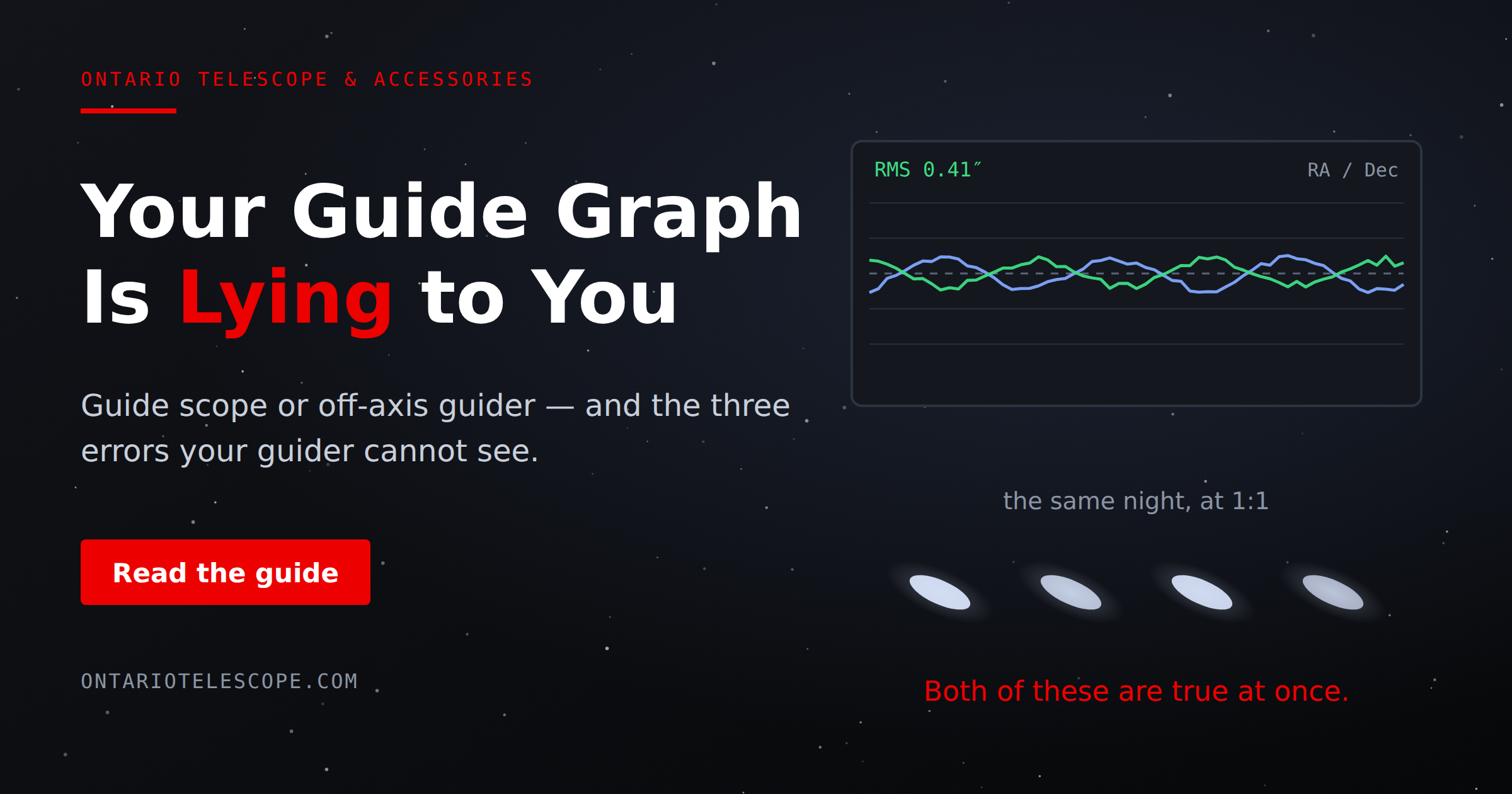
Your Guide Graph Is Lying to You
Read More
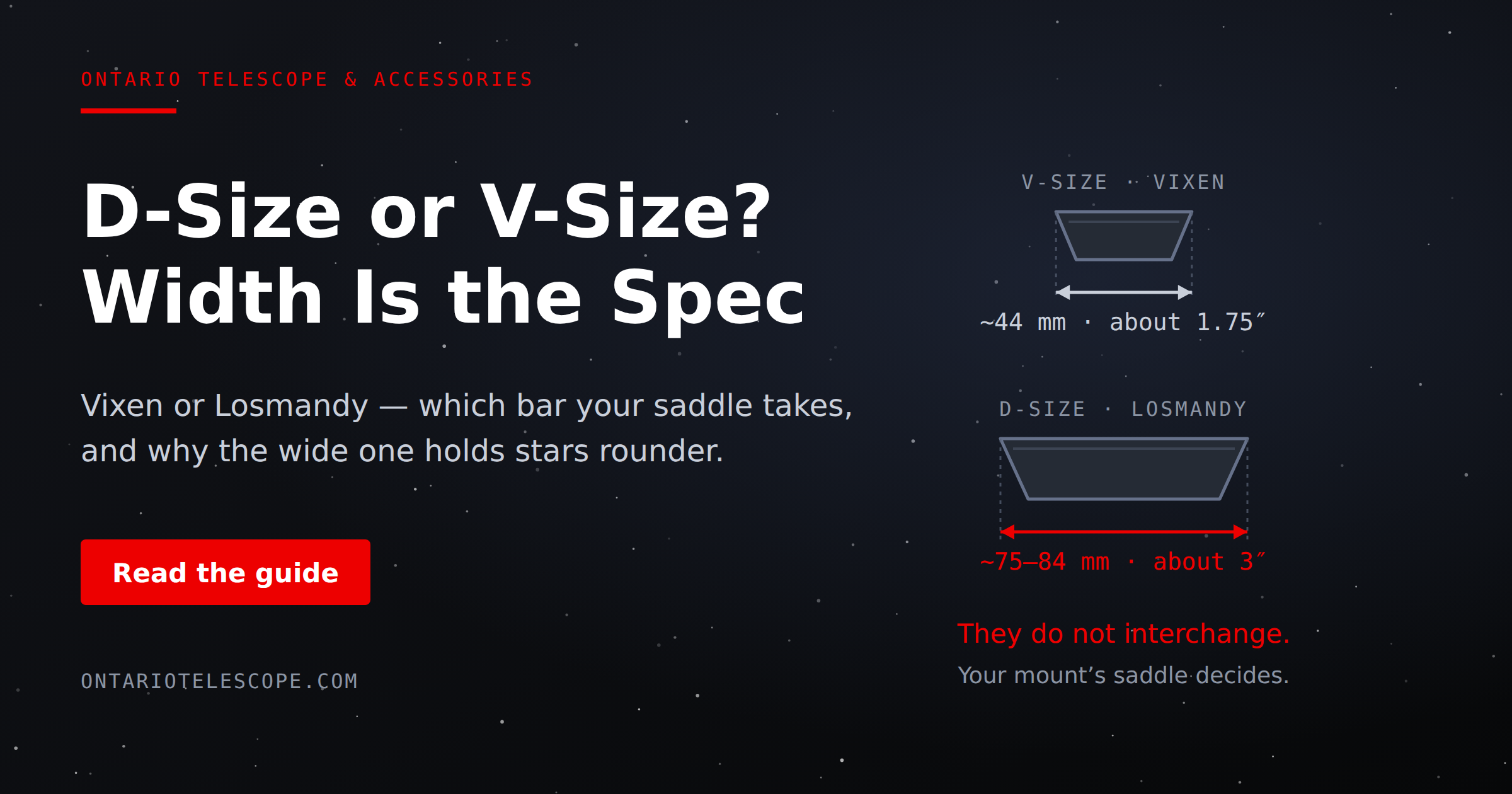
D-Size vs V-Size: A Complete Guide to Telescope Dovetail Systems
Read More
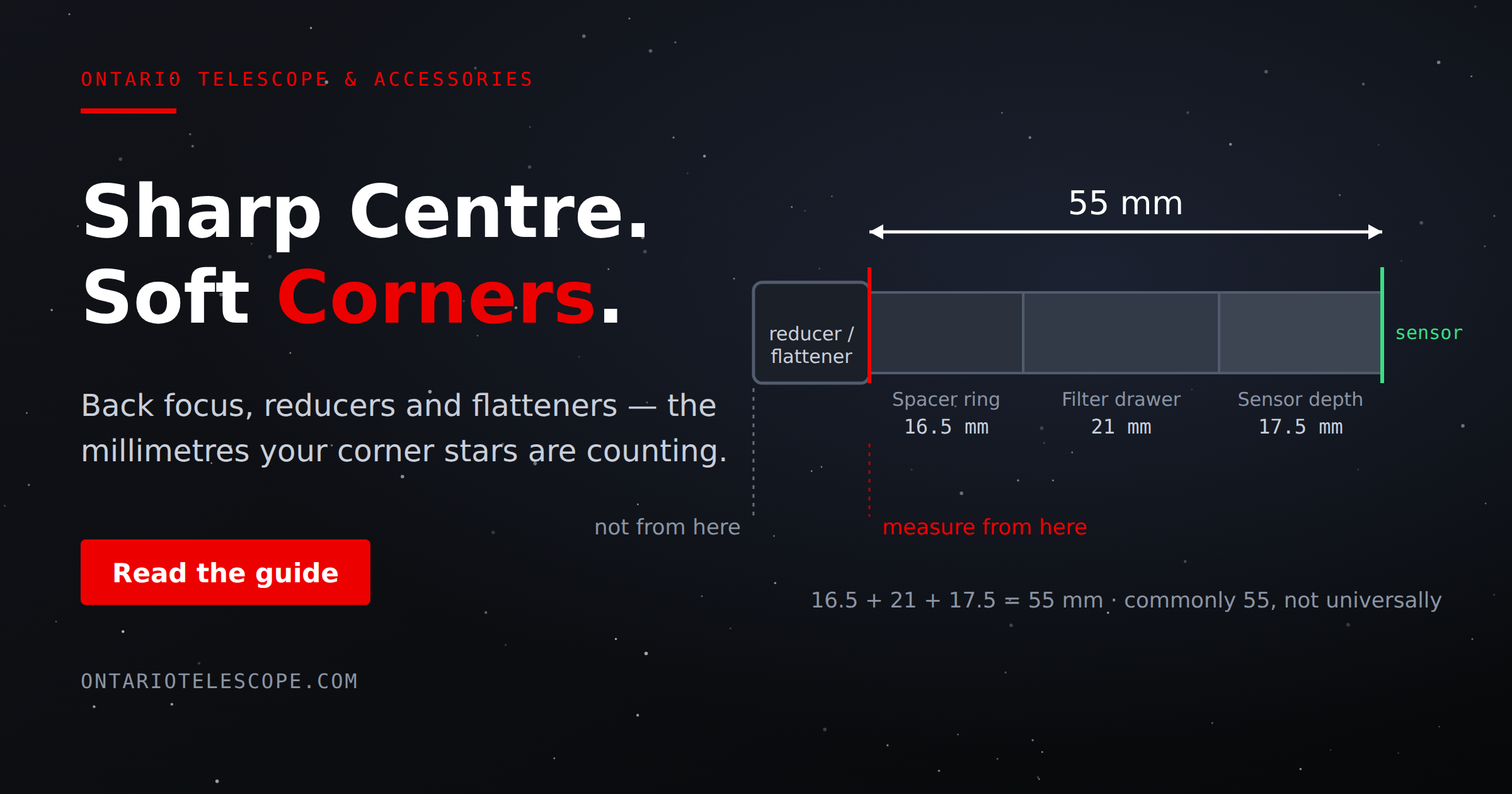
What Is Back Focus in Astrophotography? Telescope Reducers, Flatteners, and Spacing Explained
Read More