

- Description
- Specifications
- Downloads
Product Overview
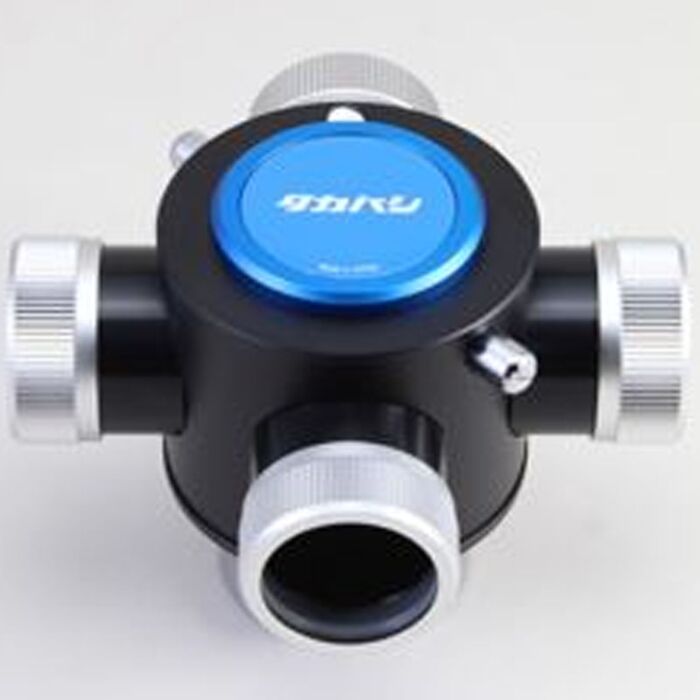
A 90° four-position eyepiece turret from Takahashi. Four 1.25″ eyepieces stay mounted at once and rotate into the light path, so changing magnification is a turn of the turret rather than an eyepiece swap in the dark. The 90° geometry means you observe at a comfortable angle throughout, and the whole assembly consumes only 81 mm of back focus — modest enough to work on most telescopes.
A click stop locates each position positively, and an ocular indicator mark shows which eyepiece is in use. The nosepiece is a 2″ fitting for a secure hold in the focuser or diagonal.
Who It's For
This is a good match if you observe targets that reward working through several magnifications — planets, the Moon, doubles — and would rather not handle loose eyepieces at the telescope.
Key Features & Design
- Four 1.25″ eyepieces mounted at once: magnification changes by rotating the turret.
- 90° design: a comfortable viewing angle at every turret position.
- Click stop positioning: each position locates positively rather than by feel.
- Ocular indicator mark: shows which eyepiece is in the light path.
- 81 mm of back focus: compatible with most telescopes.
- 2″ nosepiece: a secure fitting for the weight of four mounted eyepieces.
Recommended Uses
Visual observing where magnification changes often — planetary and lunar sessions, double-star work, and public or group observing where handling loose eyepieces is awkward.
Compatibility and Accessory Notes
Takes four 1.25″ eyepieces — a good match for Takahashi's LE and Abbe series, or any other high-quality eyepiece in that barrel size. The turret needs 81 mm of back focus, which most telescopes can provide.
On several Takahashi telescopes the turret also requires the 36.5 mm 2″ extension tube to reach focus: the FC-76S, FSQ-85, FSQ-106ED, FSQ-130ED, Mewlon-250CRS and Mewlon-300CRS. We stock that extension. If your telescope is on that list, the two are bought together; if it is not and you would like the back focus checked, send us the model and we will confirm it.
Good to Know Before You Order
81 mm of back focus is needed: most telescopes have it. On the FSQ, FC-76S and Mewlon CRS models the 36.5 mm extension tube makes up the difference, and we stock it.
1.25″ eyepieces only: the four turret positions take 1.25″ barrels, not 2″.
Eyepieces are separate: the turret holds them; the eyepieces themselves are bought separately, and we can suggest a set that spaces the magnifications well on your telescope.
A visual accessory: the turret is built for eyepieces and has no application in an imaging train.
Frequently Asked Questions
Is it difficult to set up?
No — the 2″ nosepiece goes into the focuser or diagonal and the four eyepieces thread into the turret positions. On the FSQ, FC-76S and Mewlon CRS telescopes, add the 36.5 mm extension tube and it comes to focus.
How many eyepieces does it hold?
Four, all 1.25″.
How much back focus does it use?
81 mm.
Which eyepieces suit it?
Takahashi's LE and Abbe series are a natural match, and any other high-quality 1.25″ eyepiece works.
Will it fit my telescope?
If your telescope offers 81 mm of back focus, yes. Send us the model and we will confirm it, and tell you whether you need the extension tube.
Bottom Line
A 90° turret that keeps four 1.25″ eyepieces mounted and a click-stop away, in 81 mm of back focus — magnification changes without touching a single eyepiece.
| Product name | 4-Turret Eyepiece Holder |
|---|---|
| Product code | TKA00404 |
| Eyepiece positions | 4 |
| Eyepiece barrel size | 1.25" |
| Nosepiece | 2" |
| Viewing angle | 90° |
| Back focus required | 81mm |
| Positioning | Click stop, with ocular indicator mark |
| Extension tube required on | FC-76S, FSQ-85, FSQ-106ED, FSQ-130ED, Mewlon-250CRS, Mewlon-300CRS (36.5mm 2" tube, TKA00105) |
| Application | Visual observing — not for astrophotography |
Shopping Guide
- Takahashi English Catalog 2025 — PDF, 8.63 MB
You may also like
Recently viewed
Recent Blog Posts
View all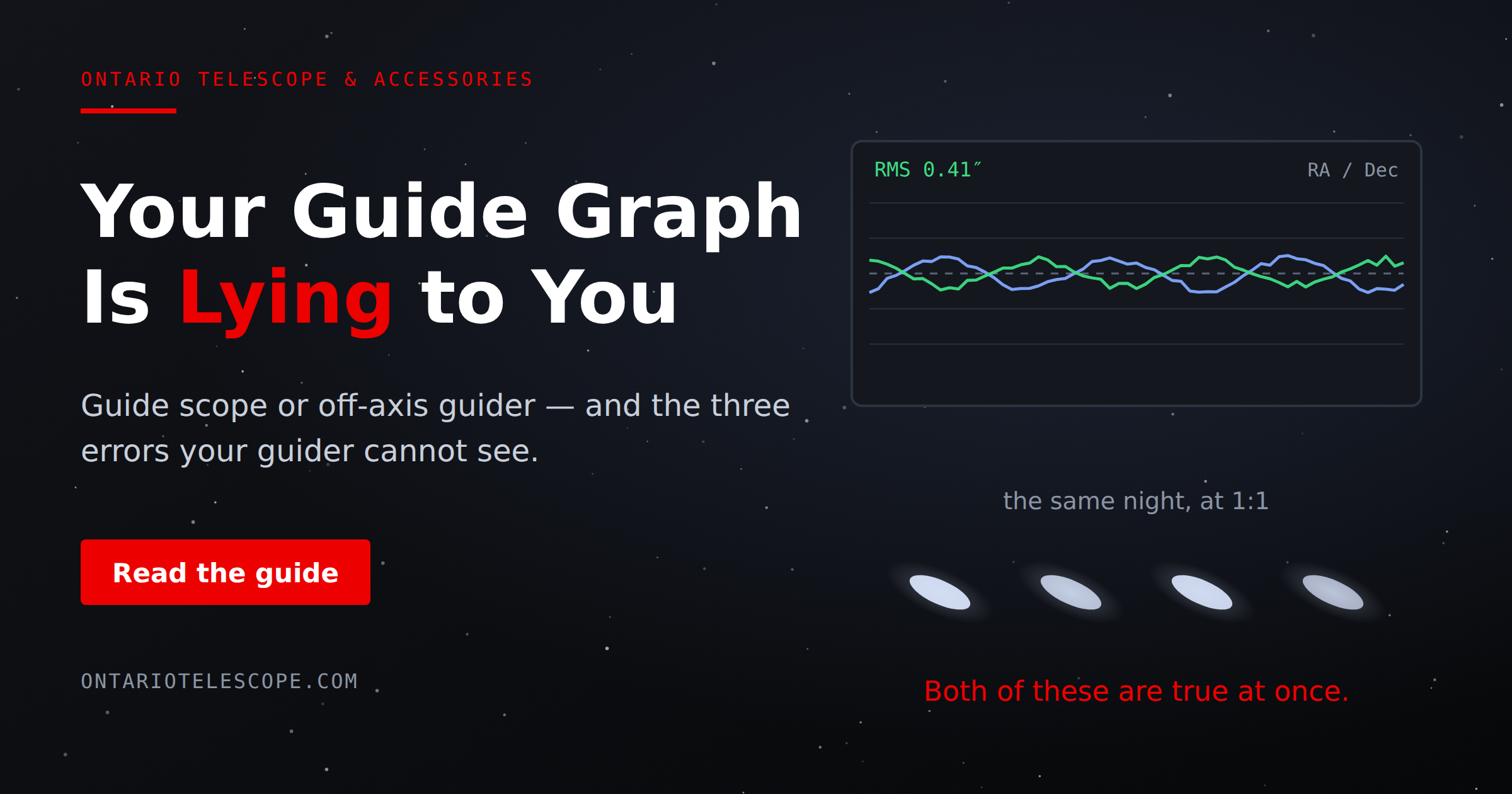
Your Guide Graph Is Lying to You
Read More
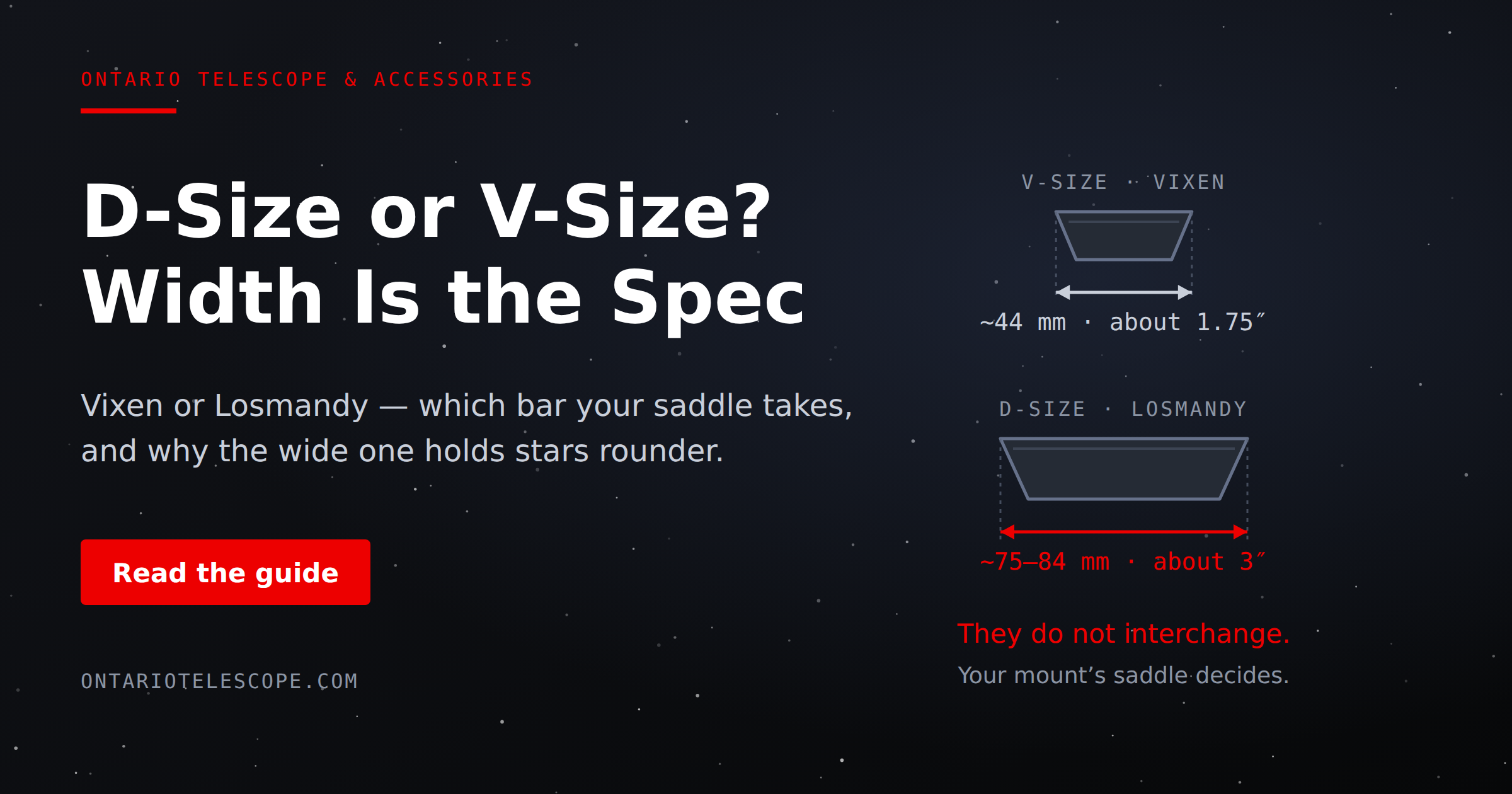
D-Size vs V-Size: A Complete Guide to Telescope Dovetail Systems
Read More
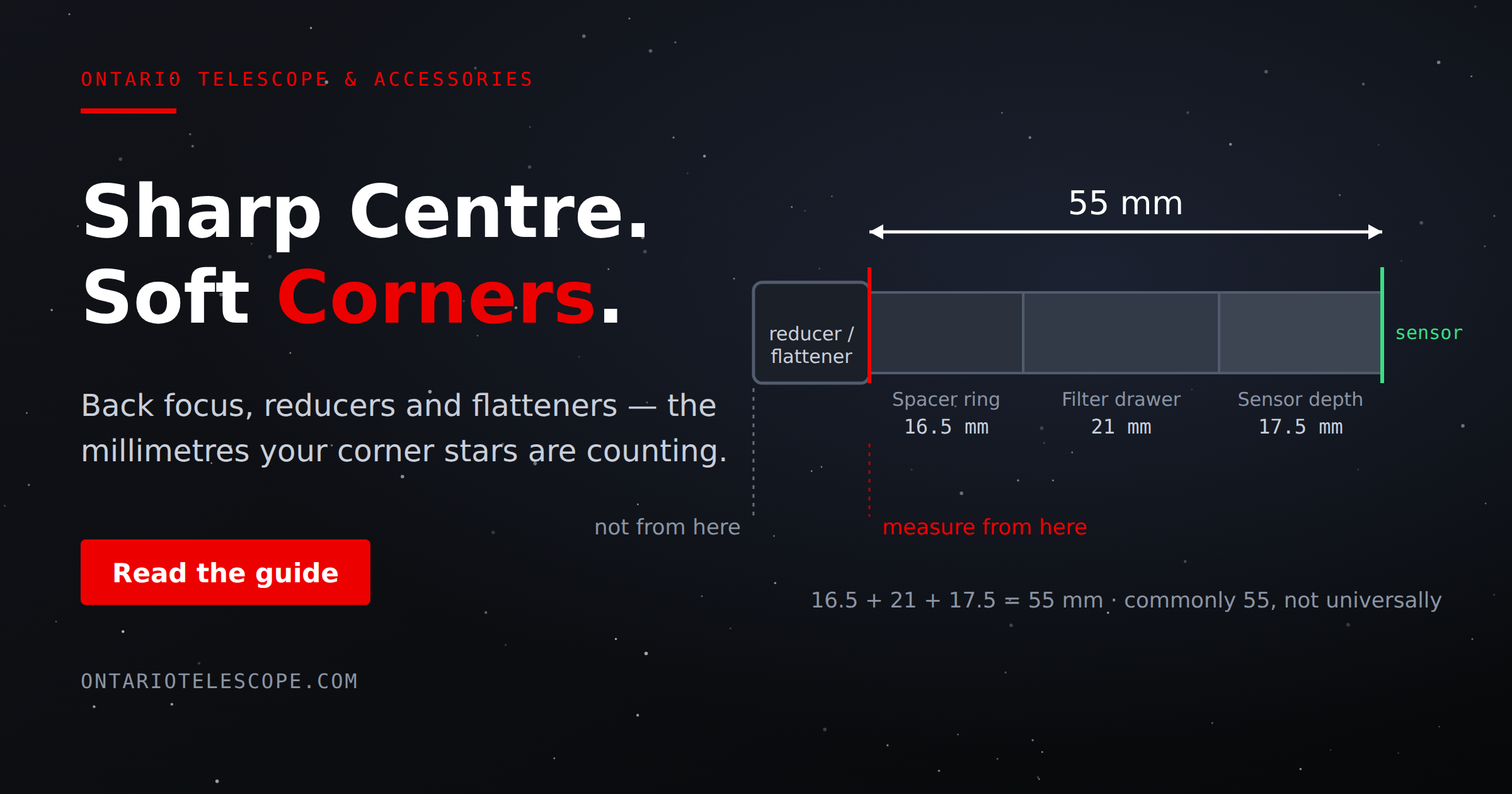
What Is Back Focus in Astrophotography? Telescope Reducers, Flatteners, and Spacing Explained
Read More