


- Description
- Specifications
Product Overview
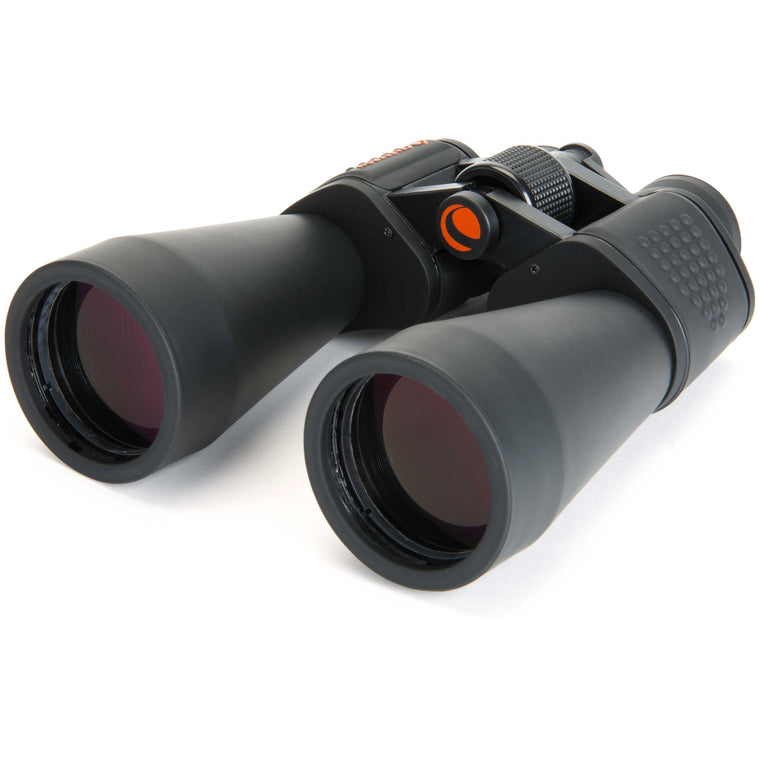
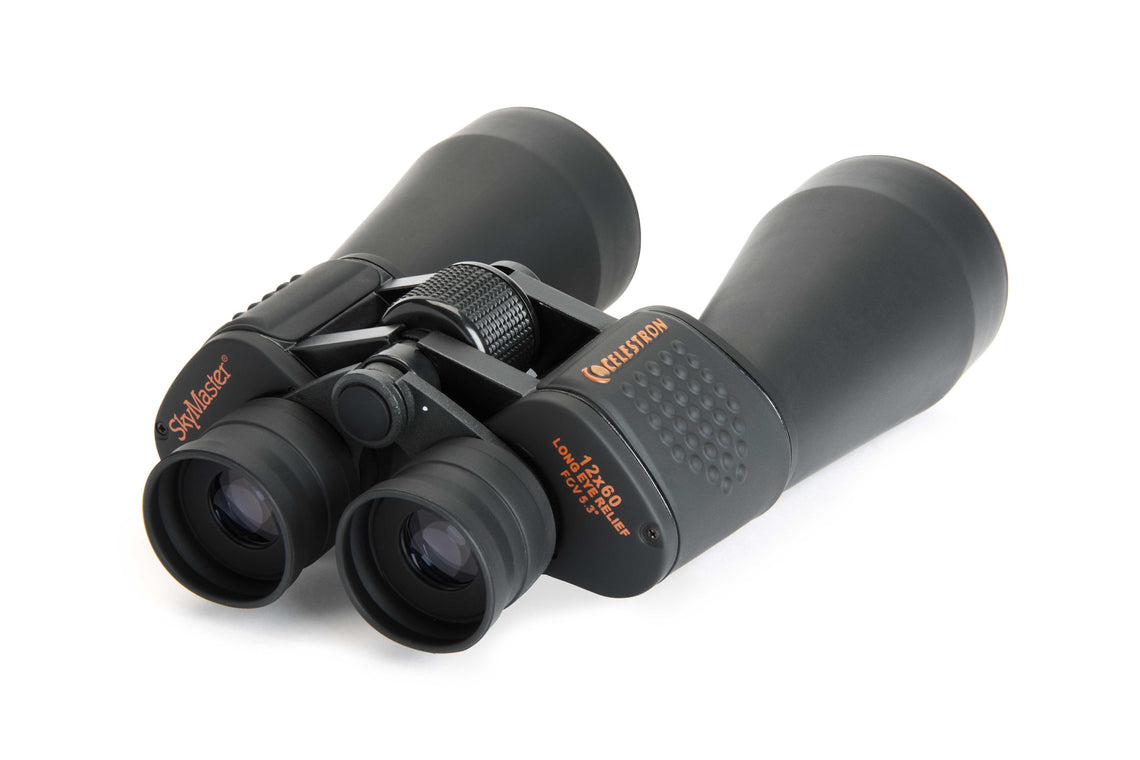
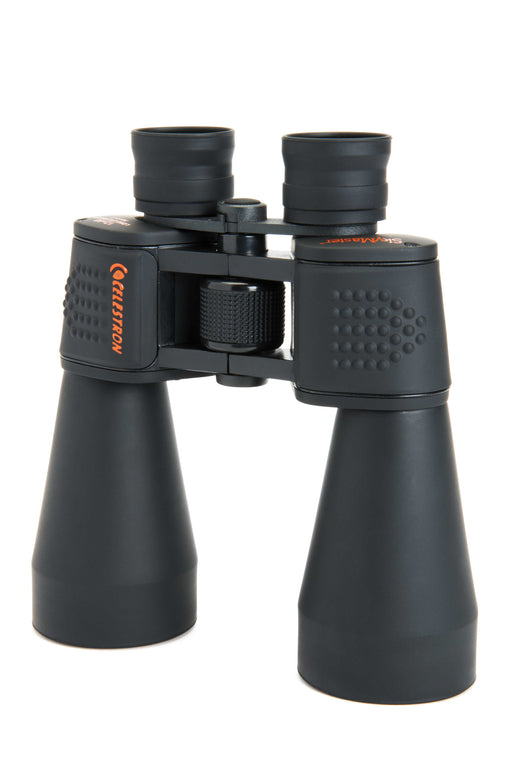
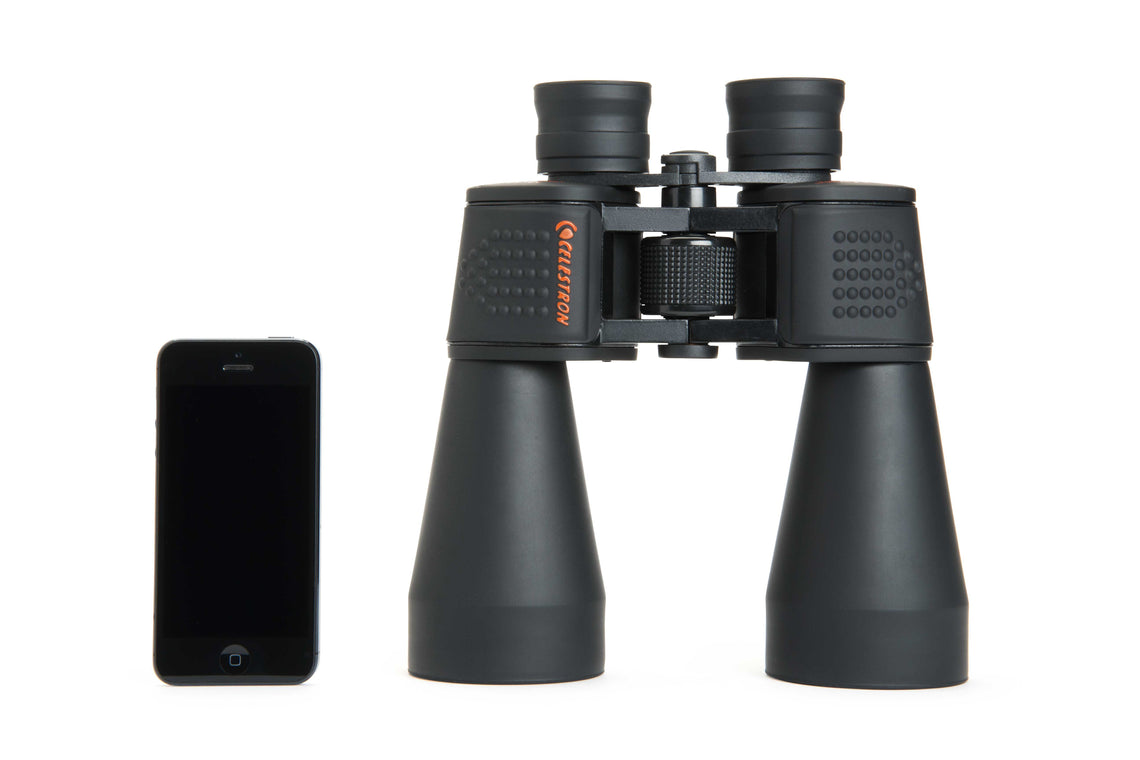
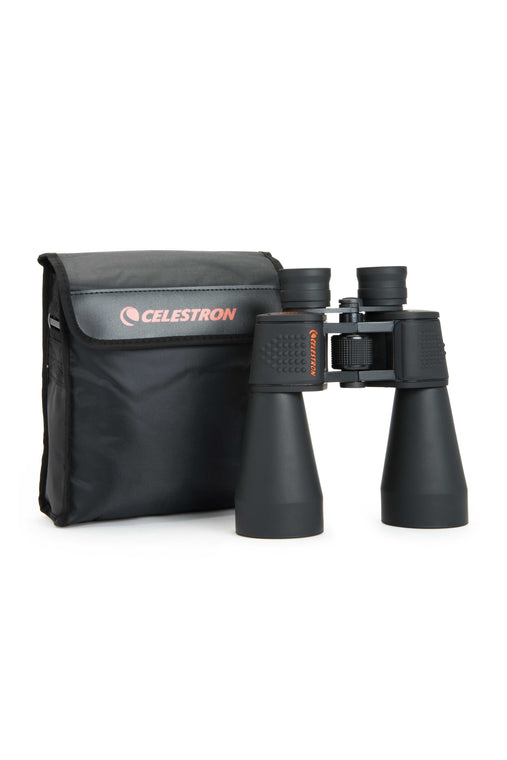
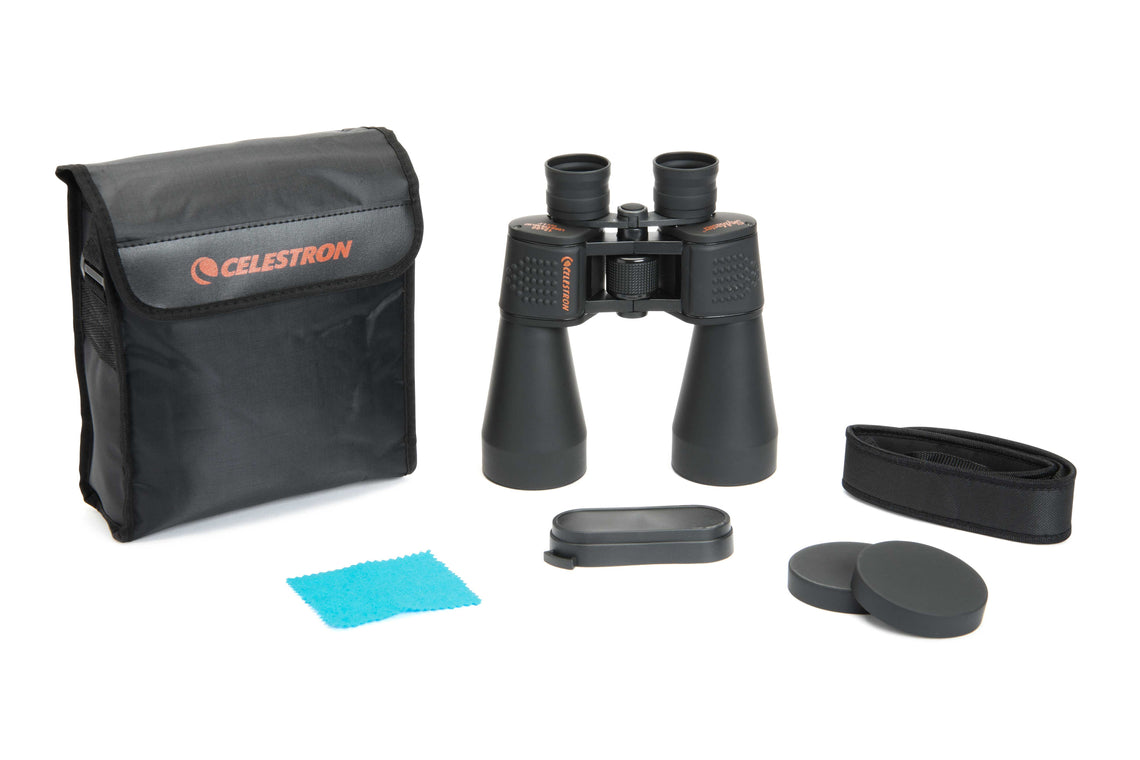
The Celestron SkyMaster 12x60mm Porro Binoculars are large-aperture binoculars designed for astronomy, long-distance terrestrial viewing, and low-light observing. The 12x magnification and 60 mm objective lenses provide more reach and light gathering than compact binoculars while remaining more manageable than giant binocular models.
Who Is This Product Best For?
Best for beginners and intermediate users who want brighter long-range views for astronomy, wildlife, and scenic observing.
Why Choose This Binocular?
- 12x magnification: More reach than standard 7x or 10x binoculars.
- 60 mm objectives: Good light gathering for twilight and night-sky use.
- Porro prism design: Classic binocular layout for astronomy and distance viewing.
Recommended Uses
- Astronomy
- Moon and star-field viewing
- Long-distance terrestrial viewing
- Wildlife and scenic observing
Compatibility and Accessory Notes
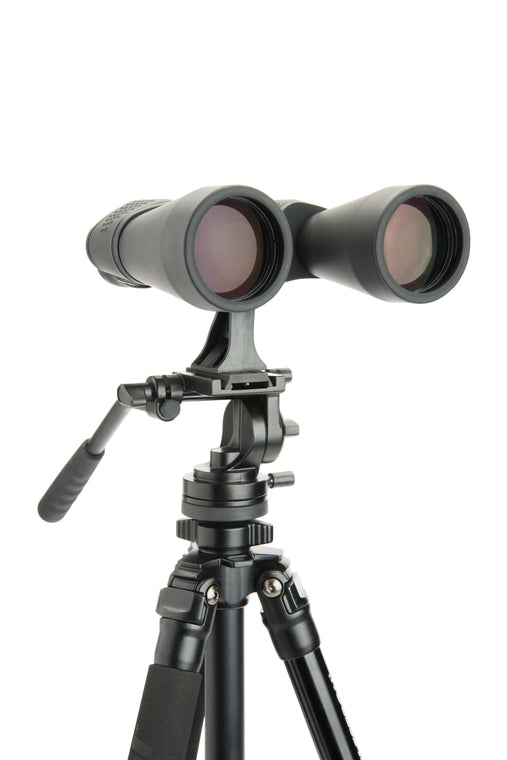
A tripod is recommended for steadier long sessions, especially for astronomy.
Important Limitations
- Higher magnification: Handheld shake is more noticeable than with lower-power binoculars.
- Not compact: Larger than travel binoculars.
Frequently Asked Questions
Are these good for astronomy?
Yes. The 12x60 format is useful for brighter wide-field astronomy views.
Should I use a tripod?
For best results, yes.
Our Recommendation
Ontario Telescope recommends the SkyMaster 12x60 for observers who want extra light gathering without stepping up to very large tripod-only binoculars.
| Product Type | Porro prism binoculars |
|---|---|
| SKU | 71007 |
| Magnification | 12x |
| Objective Lens Diameter | 60 mm |
| Optical Design | Porro prism |
| Primary Use | Astronomy and long-distance terrestrial viewing |
| Tripod Use | Recommended for extended observing |
You may also like
Recently viewed
Recent Blog Posts
View all
Your Guide Graph Is Lying to You
Read More

D-Size vs V-Size: A Complete Guide to Telescope Dovetail Systems
Read More

What Is Back Focus in Astrophotography? Telescope Reducers, Flatteners, and Spacing Explained
Read More