
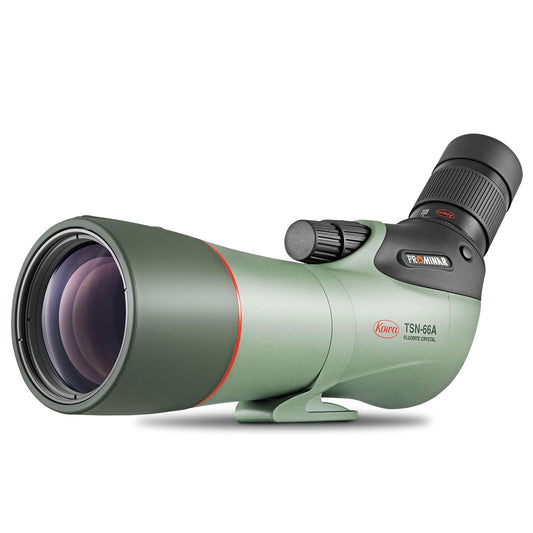

- Description
Product overview
The Kowa PROMINAR TSN-66A is an angled 66 mm fluorite crystal spotting scope body for compact premium field observation. It is designed for birding, travel wildlife viewing, target spotting, and portable digiscoping when optical quality and lower carrying weight both matter.
Who Is This Product Best For?
Best for birders, travellers, and serious field observers who want to choose their own compatible Kowa eyepiece.
Why Choose This Product?
- Compact 66 mm fluorite crystal objective.
- Angled body for comfortable tripod viewing.
- Body-only format for custom eyepiece selection.
Recommended Uses
Birding, wildlife observation, travel spotting, target viewing, and digiscoping.
Compatibility and Accessory Notes
Requires a compatible Kowa eyepiece and sturdy tripod. Use compatible Kowa adapters for digiscoping.
Important Limitations
Eyepiece is not included. Smaller objective than the TSN-88 and TSN-99 series.
Frequently Asked Questions
Is this ready to use? No, it requires an eyepiece. Who should buy it? Buyers building a compact premium Kowa field system.
Our Recommendation
Choose the TSN-66A body for a compact angled PROMINAR scope system with premium fluorite image quality.
You may also like
Recently viewed
Recent Blog Posts
View all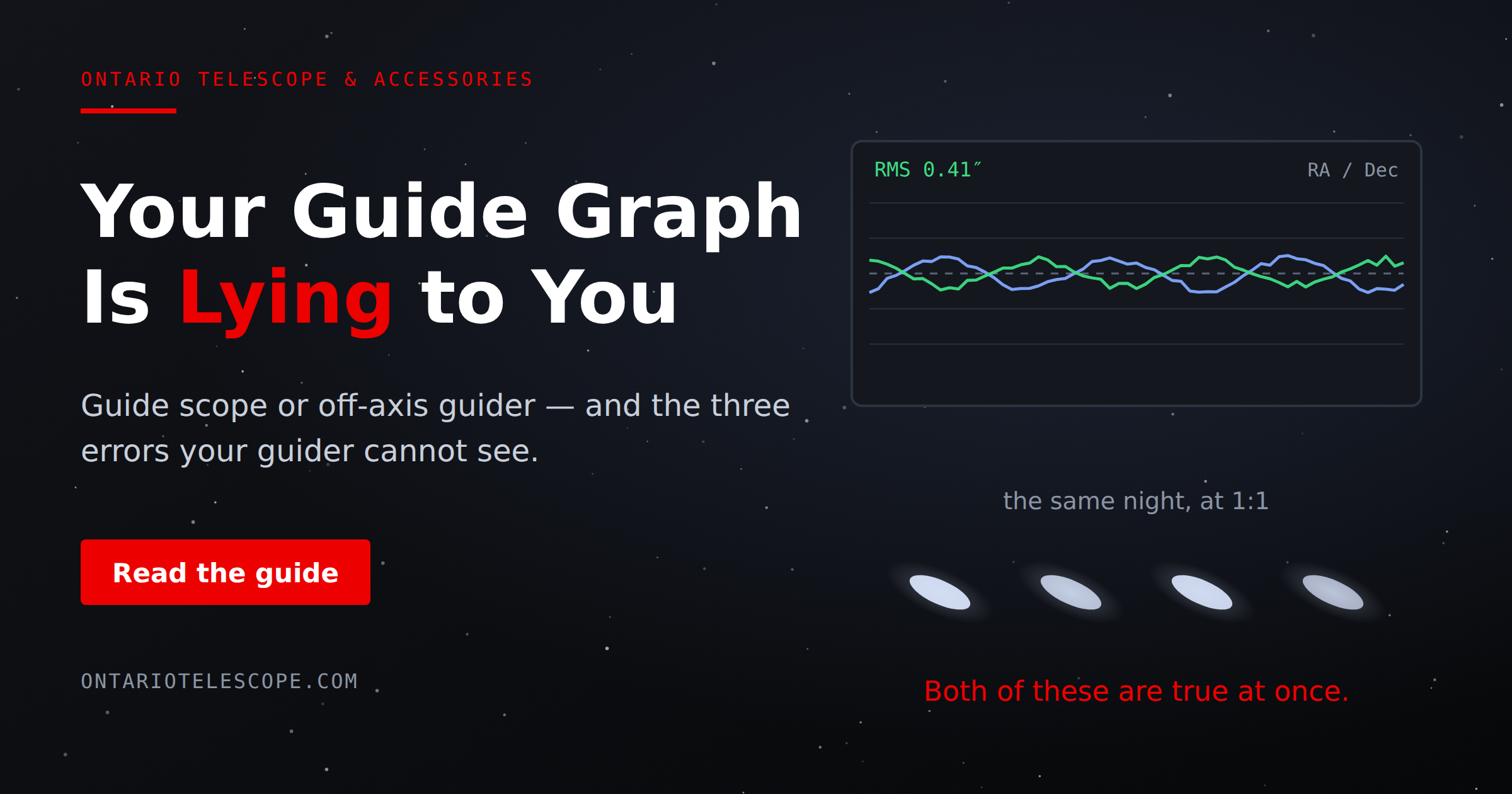
Your Guide Graph Is Lying to You
Read More
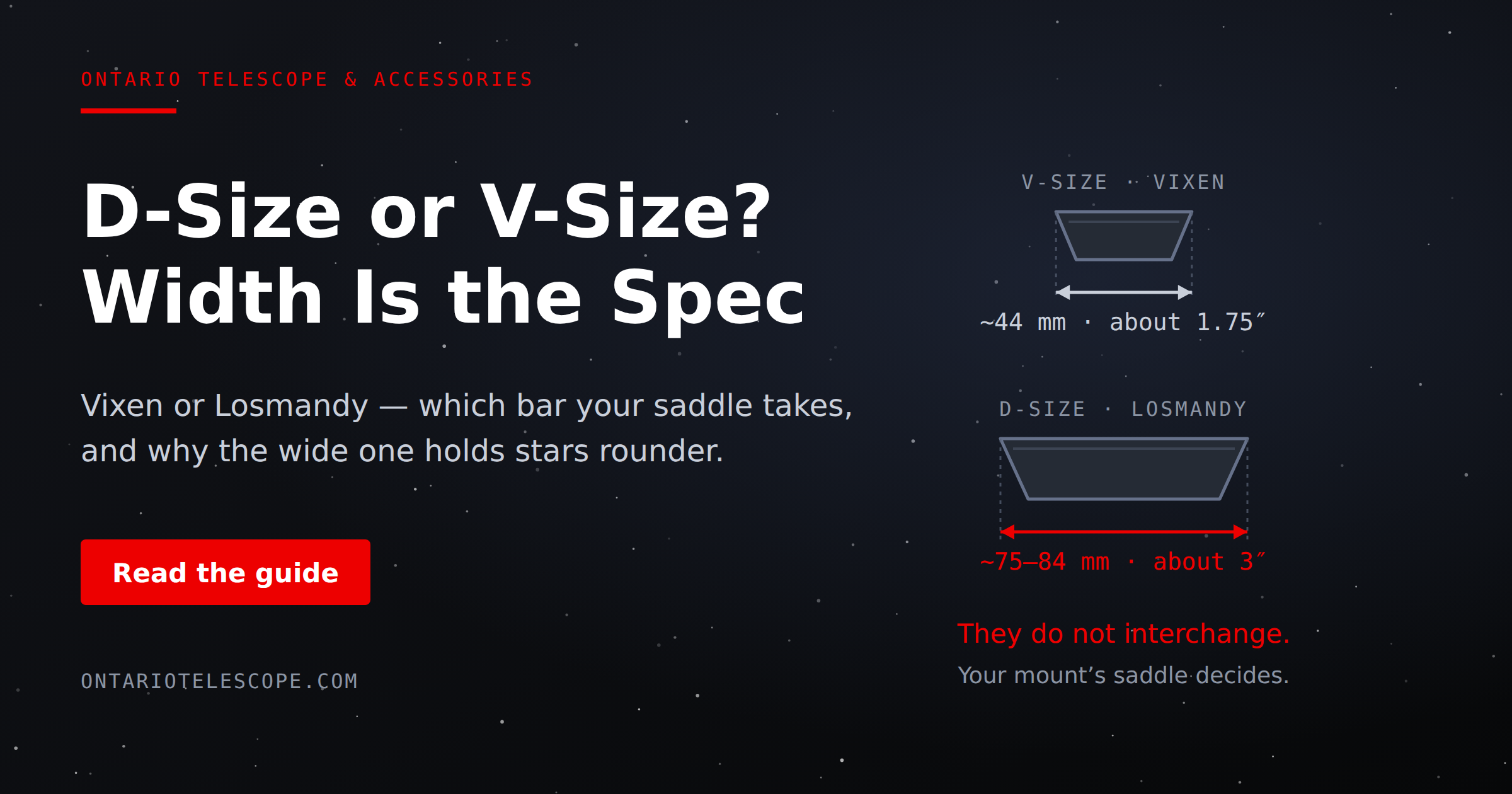
D-Size vs V-Size: A Complete Guide to Telescope Dovetail Systems
Read More
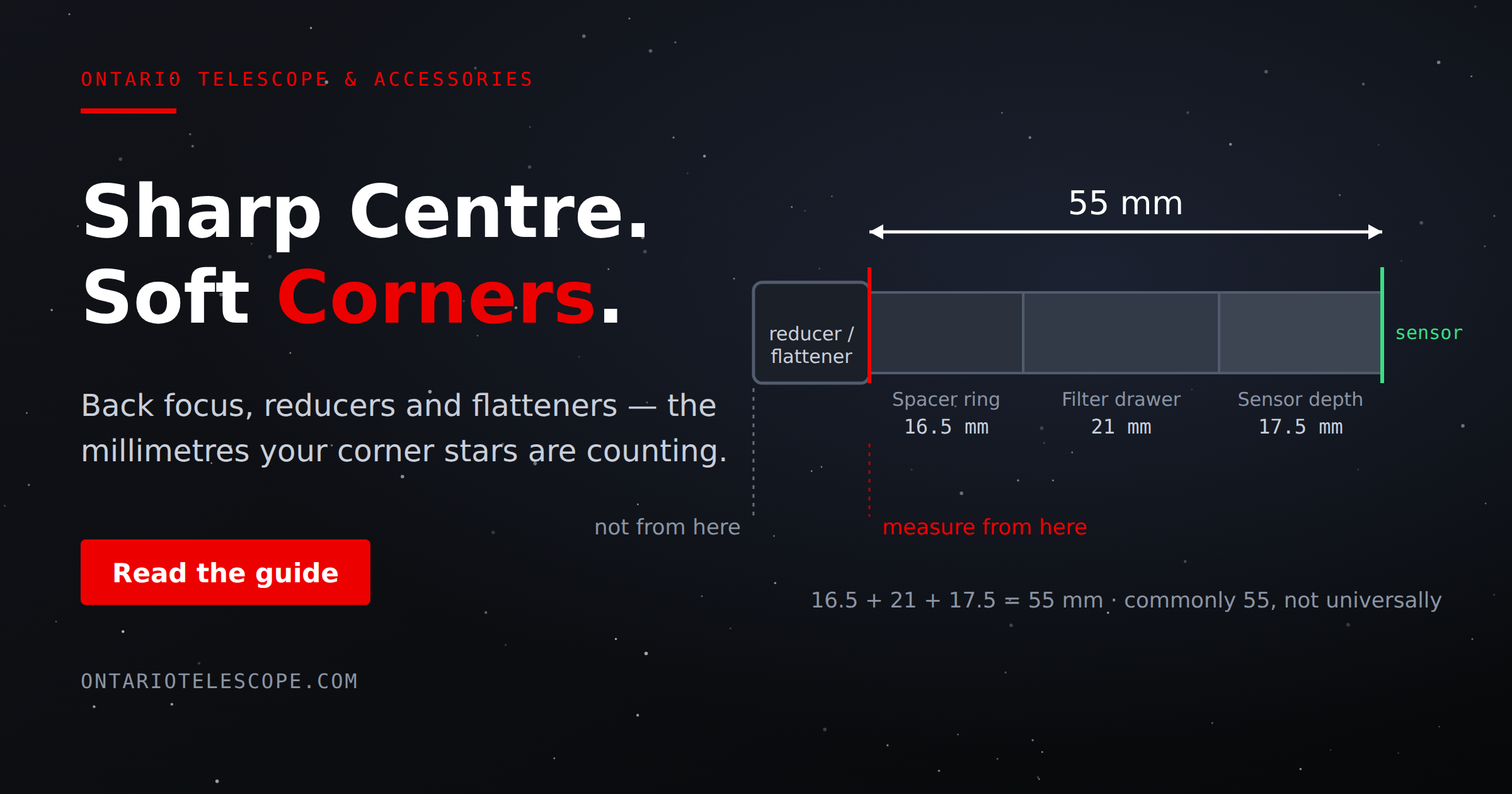
What Is Back Focus in Astrophotography? Telescope Reducers, Flatteners, and Spacing Explained
Read More