

- Description
- Specifications
Product Overview
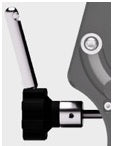
This is the altitude lever for the Pegasus Astro NYX-101 — the handle used to set the mount's altitude when polar aligning. It is sold individually, as a spare for the case or a replacement for one that has been lost or damaged.
Small part, but it is the one your hand is on while you are getting the pole right.
Who It's For
This is a good match if you:
- Have lost or damaged the altitude lever on your NYX-101.
- Want a spare in the carry case so a missing handle never costs you a clear night.
- Break the rig down after every session, where small removable parts are the ones that go astray.
Key Features & Design
- Altitude adjustment handle for the NYX-101 mount base.
- Used during polar alignment, alongside the azimuth adjustment.
- Sold individually as a spare or replacement.
Recommended Uses
- Replacing a lost or damaged altitude lever on an NYX-101.
- Keeping a spare in the mount's carry case.
Compatibility and Accessory Notes
- For the Pegasus Astro NYX-101.
- Related alignment parts: the azimuth dowel, the PoleMaster detachable adapter and the NYX Hand Controller all sit in the same part of the setup routine, and we stock all three.
- Running an NYX-88? Pegasus publishes this part for the NYX-101 — tell us which mount you have and we will confirm the right lever before you order.
Good to Know Before You Order
- It is a single lever, not an altitude adjustment assembly. If the adjustment mechanism itself is the problem rather than the handle, send us a photo and we will work out what you actually need.
- Pegasus Astro publishes no dimensions, material or weight for this part. Those rows are left out rather than filled with figures we cannot source from the manufacturer.
- The 1 lb shipping weight on this listing is a declared carrier minimum, not the lever's true mass. Small parts like this add up faster in a multi-item cart than they should — if you are ordering several, get in touch and we will quote the real shipping.
Frequently Asked Questions
Is it difficult to set up?
No — it fits to the mount's altitude adjustment and is used by hand. There is nothing to install.
What is it for?
Setting the mount's altitude while polar aligning.
Does one come with the mount?
The NYX-101 ships with the mount, a 12 V / 5 A power supply, a soft carry case, a USB2 cable and the azimuth dowel. Check your case before ordering a replacement.
Will it fit an NYX-88?
Pegasus publishes this one for the NYX-101. Tell us your mount and we will confirm it.
Can I order two?
Yes — and if you are adding other small parts to the order, ask us for a combined shipping quote.
Bottom Line
In short: the NYX-101's altitude lever, sold on its own — the handle you use to set the pole, and a sensible thing to have a spare of.
| Product type | Mount altitude adjustment lever |
|---|---|
| Fits mount | Pegasus Astro NYX-101 |
| Function | Setting mount altitude during polar alignment |
| Material | Not published by vendor |
| Dimensions | Not published by vendor |
| Product weight | Not published by vendor |
| Shipping weight | 1 lb declared (carrier minimum) |
You may also like
Recently viewed
Recent Blog Posts
View all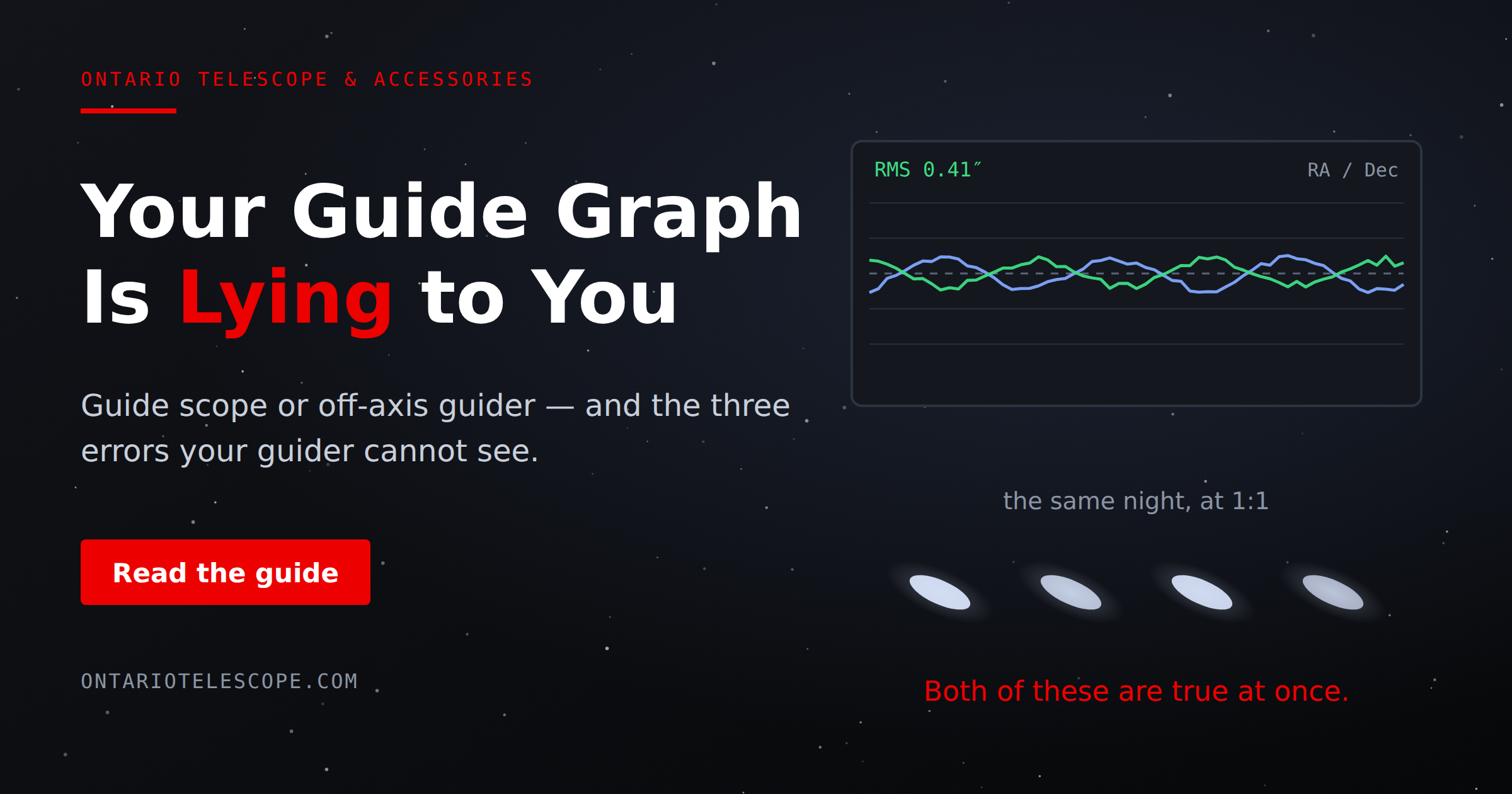
Your Guide Graph Is Lying to You
Read More
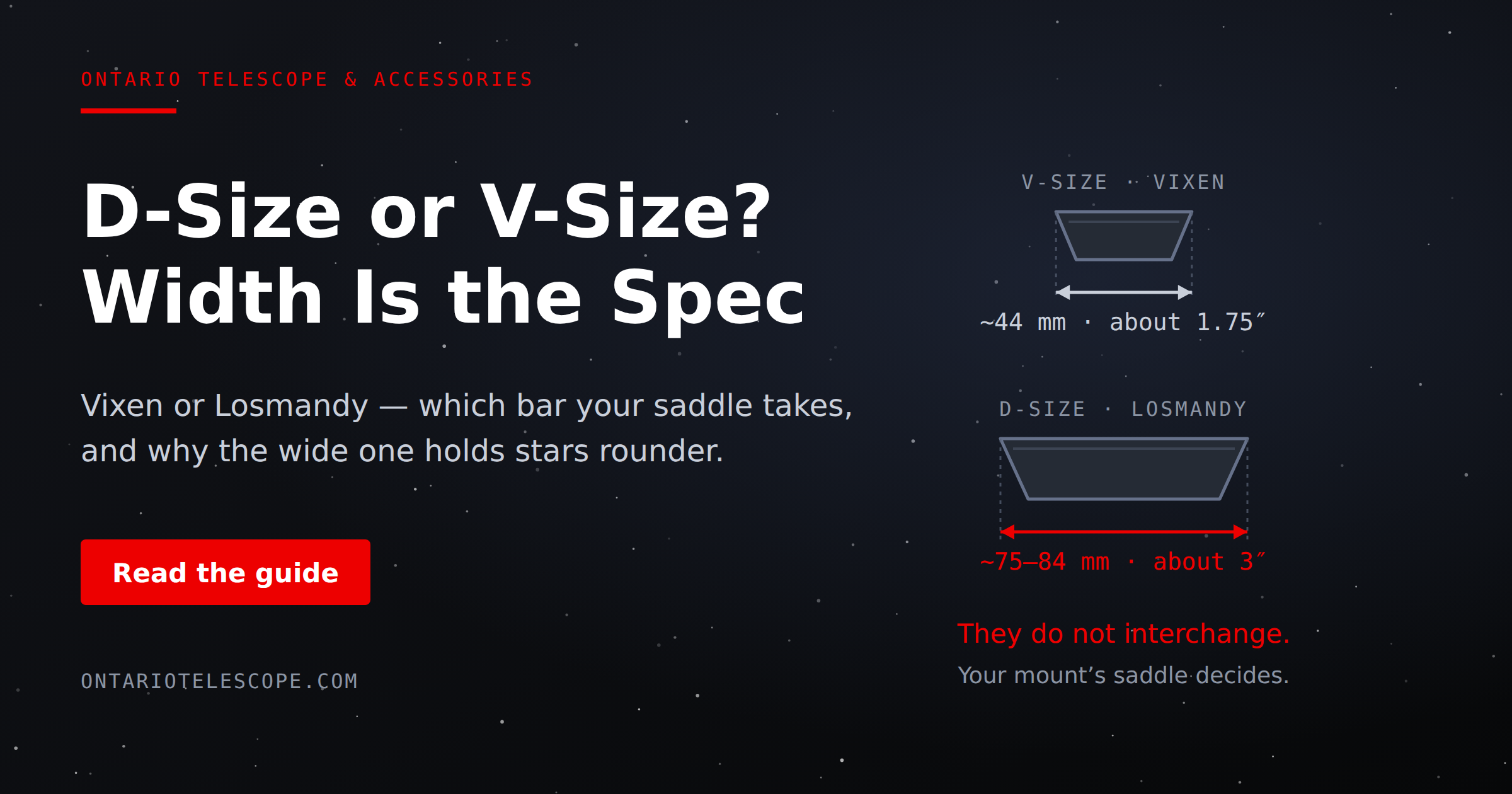
D-Size vs V-Size: A Complete Guide to Telescope Dovetail Systems
Read More
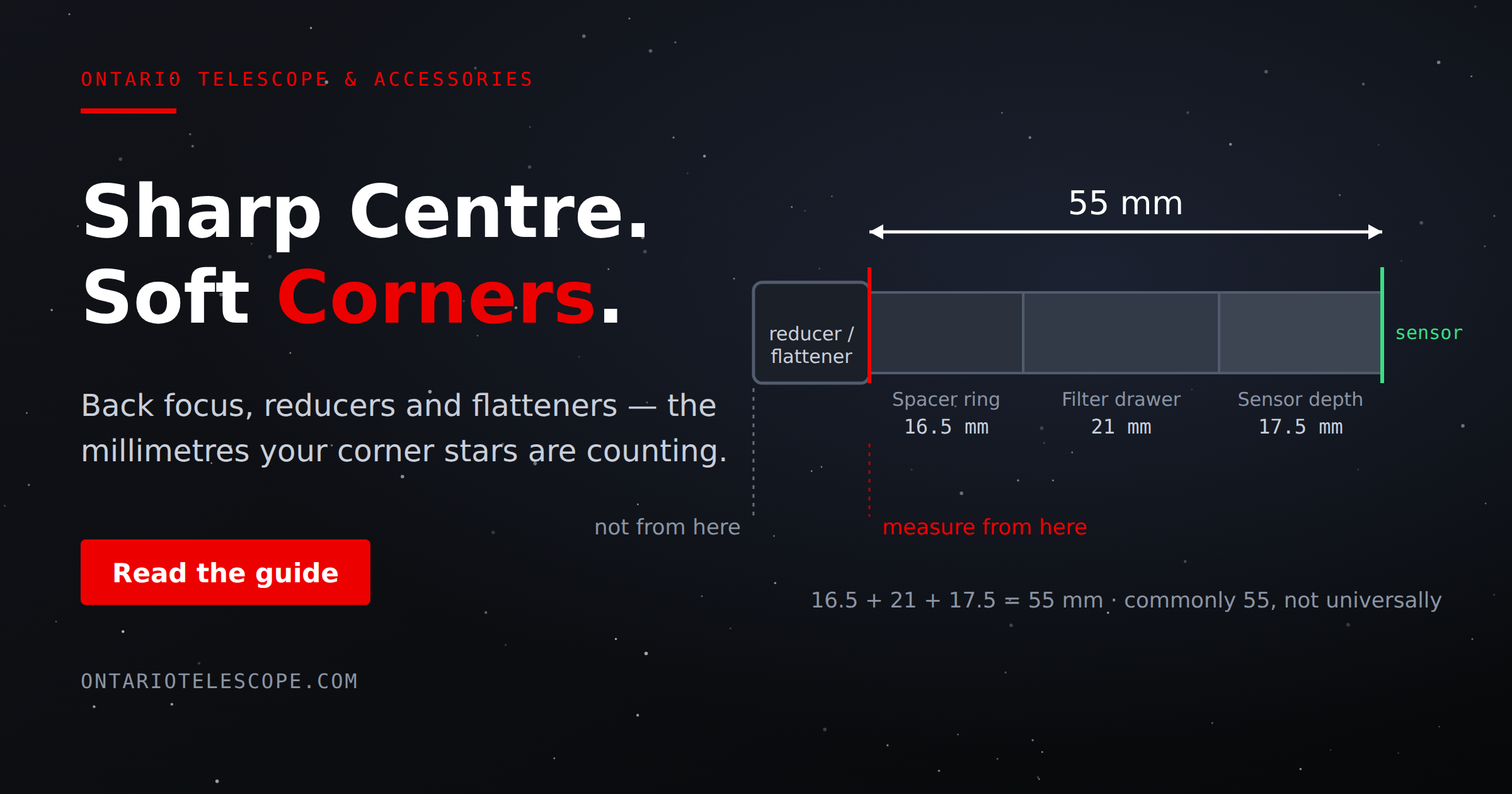
What Is Back Focus in Astrophotography? Telescope Reducers, Flatteners, and Spacing Explained
Read More