


- Description
- Specifications
Introducing iOptron iPolarTM - a high precision, easy to use electronics polarscope (e-PS).
What makes iPolar unique?
1. Can be easily installed inside the RA shaft on all iOptron equatorial mounts (except SmartEQ Pro).
2. Can be used on any mounts with adapters either internally or externally.
3. USB plug and play (no driver needed)
4. Works globally, no need to set northern and southern hemisphere.
5. No visible Polaris (north) or Sigma Octantis (south) necessary.
6. No need to rotate the mount during polar align.
Features
Supported Mounts:
- Fast and easy to use
- High precision (30 arcsec)
- No need to see the Pole Star
- No need to rotate the mount during alignment
- Unique imaging enhancement technique
- Smart plate solving
- On screen instruction during alignment
- Capable under poor sky visibility condition
- Compatible to most equatorial mount with a proper adapter
Supported Mounts:
- SkyGuider-Pro
| Field of View (FOV) | ~ 13 degree |
| Resolution | 30 arcsec approx. |
| Alignment Precision | 30 arcsec |
| Interface | Mini USB2.0 |
| Software | iPolar Software |
| Operation System | Windows Vista/ 7 /8 /8.1 /10, 32bit or 64 bit |
| Warranty | One year limited |
You may also like
Recently viewed
Recent Blog Posts
View all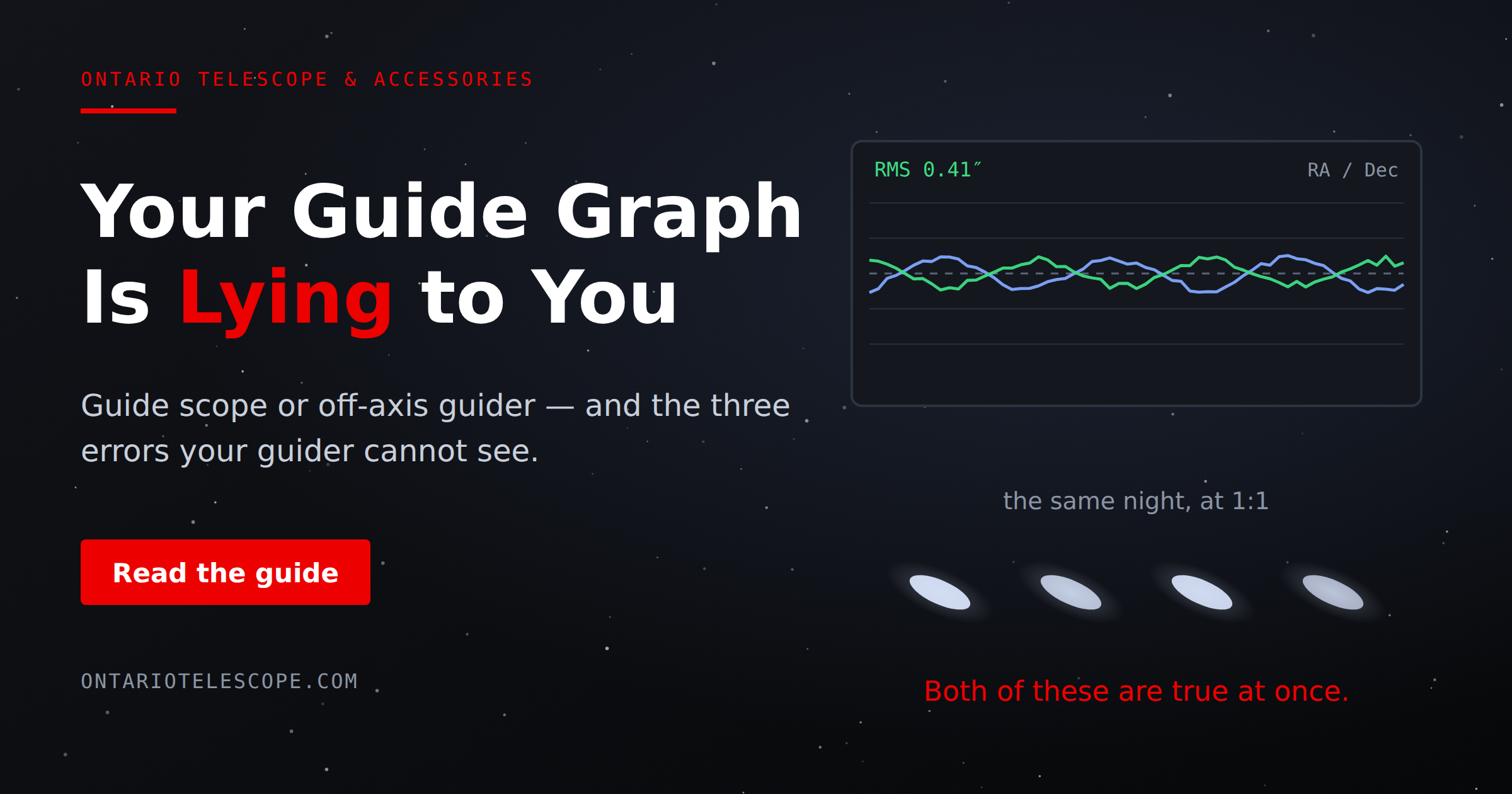
Your Guide Graph Is Lying to You
You drove ninety minutes to dark sky, PHD2 held 0.4 arcseconds all night, and half your subs still have eggs for stars. Here are the three things your
Read More
Read More
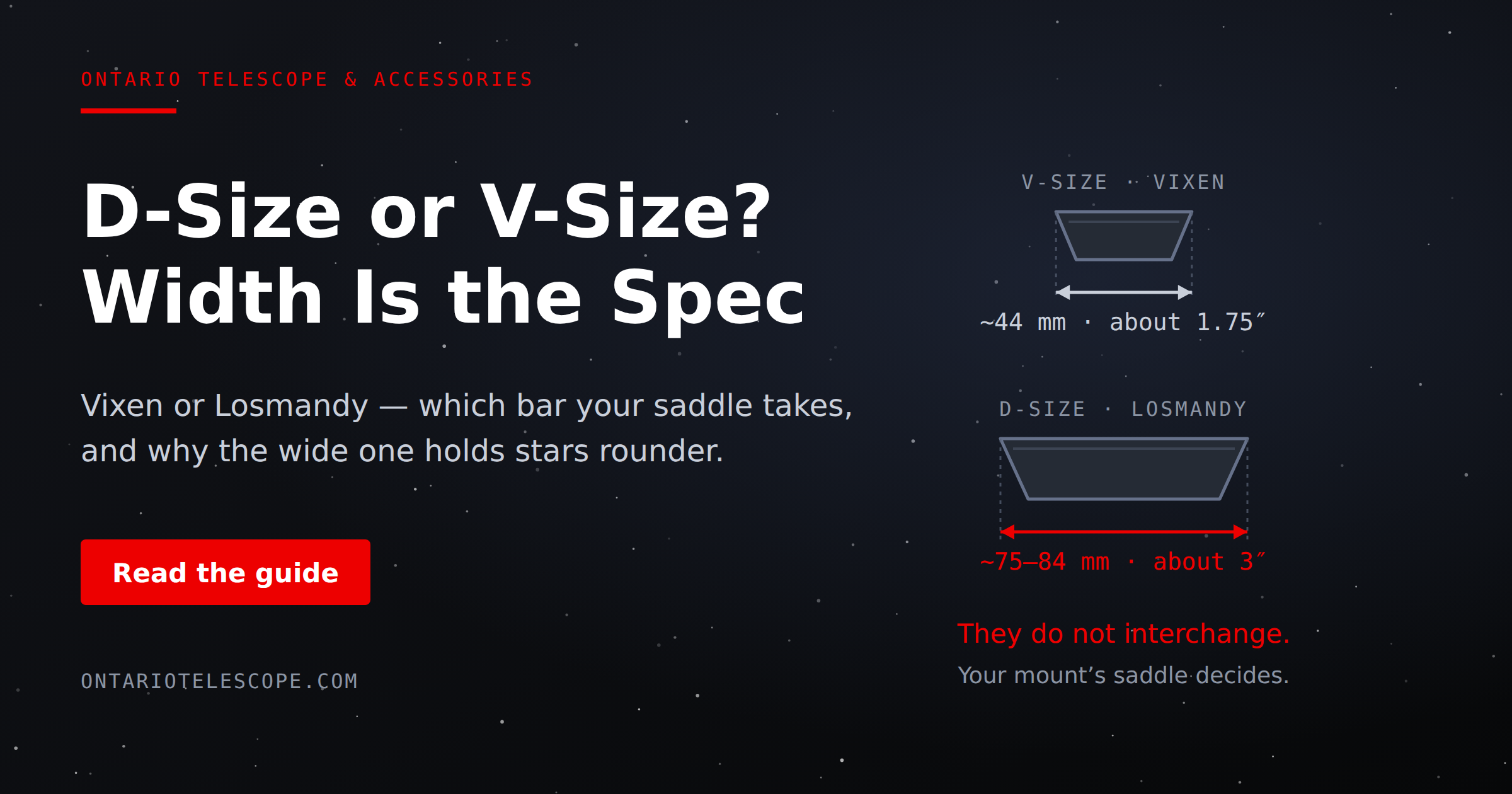
D-Size vs V-Size: A Complete Guide to Telescope Dovetail Systems
What's the difference between D-size and V-size telescope dovetails? Here's everything you need to know.
Read More
Read More
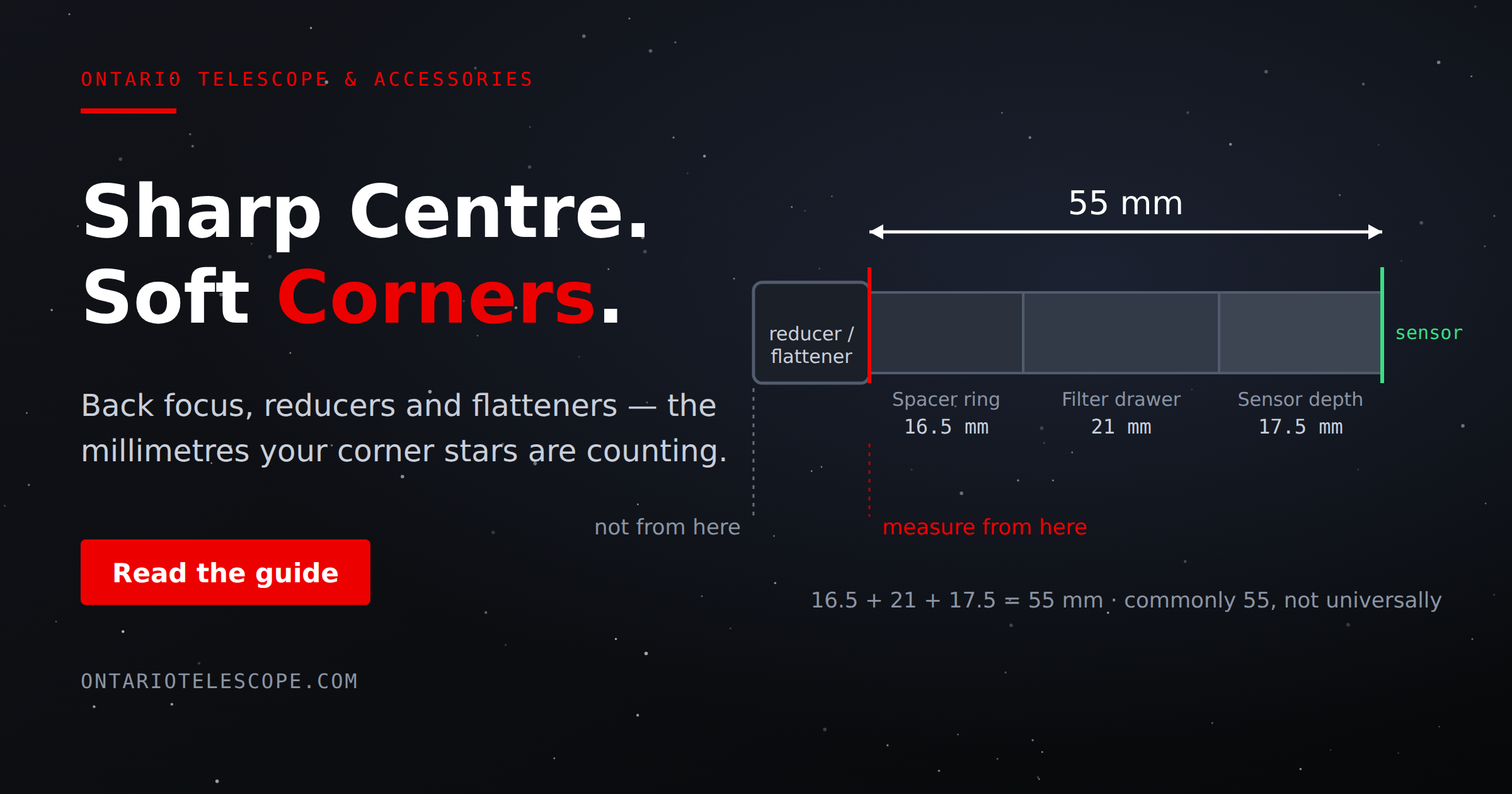
What Is Back Focus in Astrophotography? Telescope Reducers, Flatteners, and Spacing Explained
What Is Back Focus in Astrophotography? Telescope Reducers, Flatteners, and Spacing Explained
Back focus is one of those astrophotography terms that c
Read More
Read More