


- Description
- Specifications
iOptron’s 150mm (approx. 6") f/4 Newtonian optical tube assembly (OTA) with a fast F/4 focal ratio is perfect for imaging deep-sky objects with a DSLR or dedicated astronomy camera. The 2" Crayford-style focuser, dual split-hinged mounting rings, an 8x50 straight-through finder, and an 8.7" Vixen style dovetail plate make it ready to attach to your mount and start using.
Features
- Dual speed 2" Crayford-style focuser with 1.5" adapter iEAF ready
- BK7 optical glass primary mirror with a protective quartz layer
- 8 x50mm finder scope
- 8.7" Vixen style dovetail plate with solid full circumference mounting rings
- Front dust cap
- Optional iOptron iEAF Focuser (#8453)
Package includes
#6311 6" Fast Newt OTA
- 6" Optical tube assembly
- 8x50 mm straight-through finder with bracket
- Tube mounting rings
- 8.7" Vixen-style dovetail rail
- 2" 35mm extension tube
- Front dust cover
| Optical Design | Newtonian |
| Clear Aperture | 150mm |
| Focal Length | 600mm |
| Focal Ratio | f/4 |
| Focuser | Dual speed Crayford-style |
| OTA Length | 22 inches |
| Outside diameter | 7 inches |
| OTA weight | 9lb. 10oz |
| Extension tube | 2" diameter 35mm L |
| Warranty | One year limited |
You may also like
Recently viewed
Recent Blog Posts
View all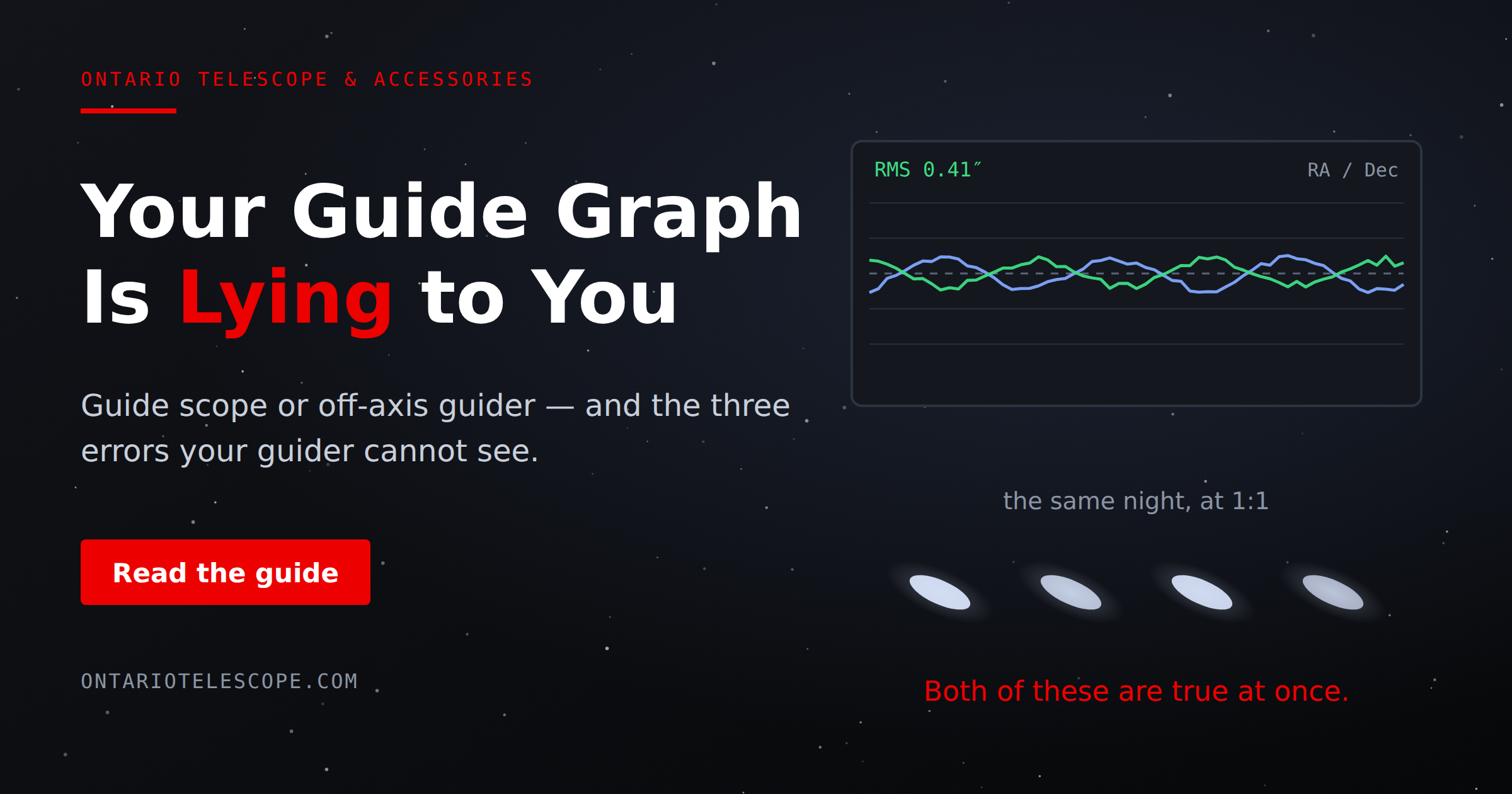
Your Guide Graph Is Lying to You
You drove ninety minutes to dark sky, PHD2 held 0.4 arcseconds all night, and half your subs still have eggs for stars. Here are the three things your
Read More
Read More
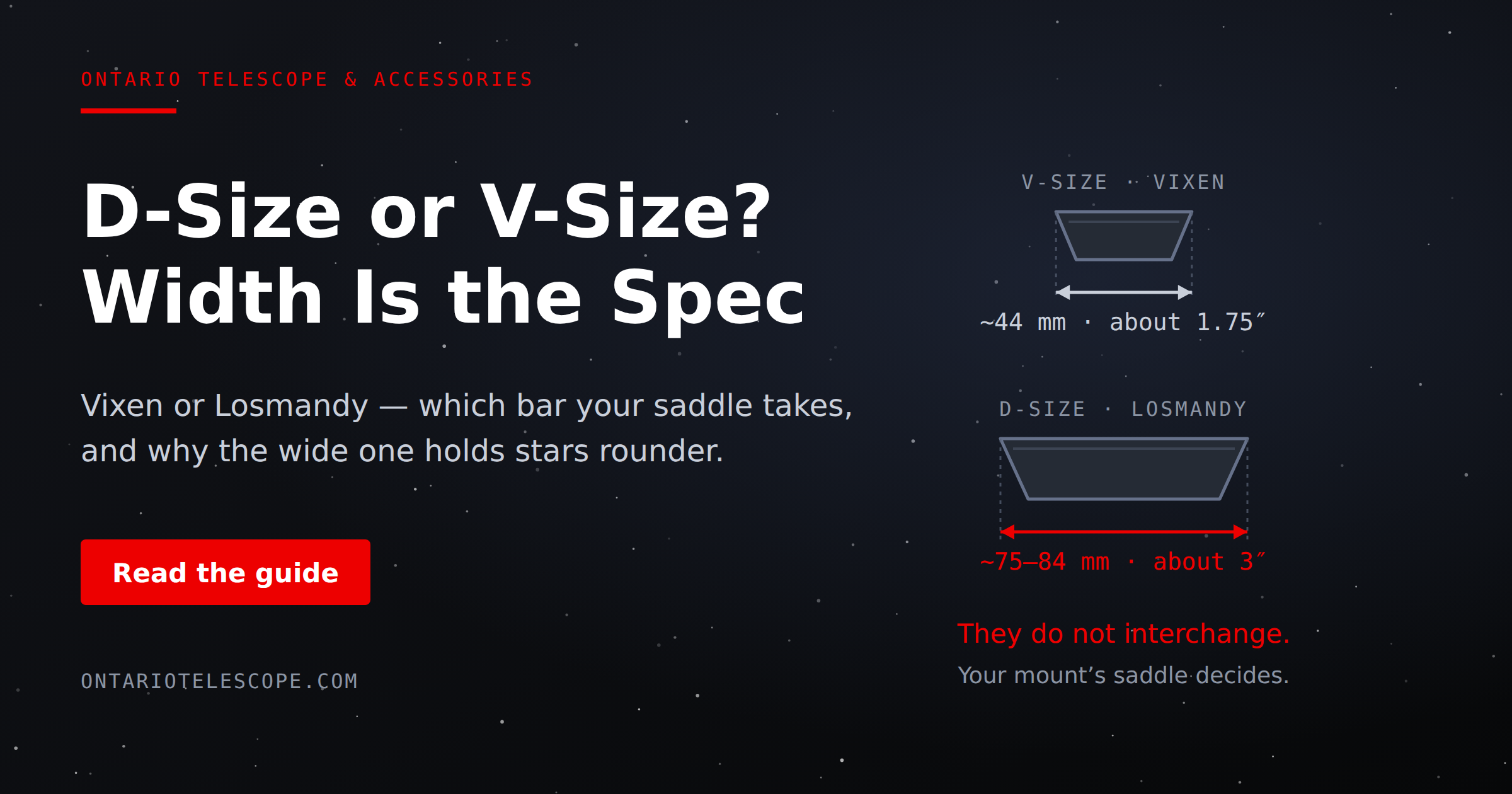
D-Size vs V-Size: A Complete Guide to Telescope Dovetail Systems
What's the difference between D-size and V-size telescope dovetails? Here's everything you need to know.
Read More
Read More
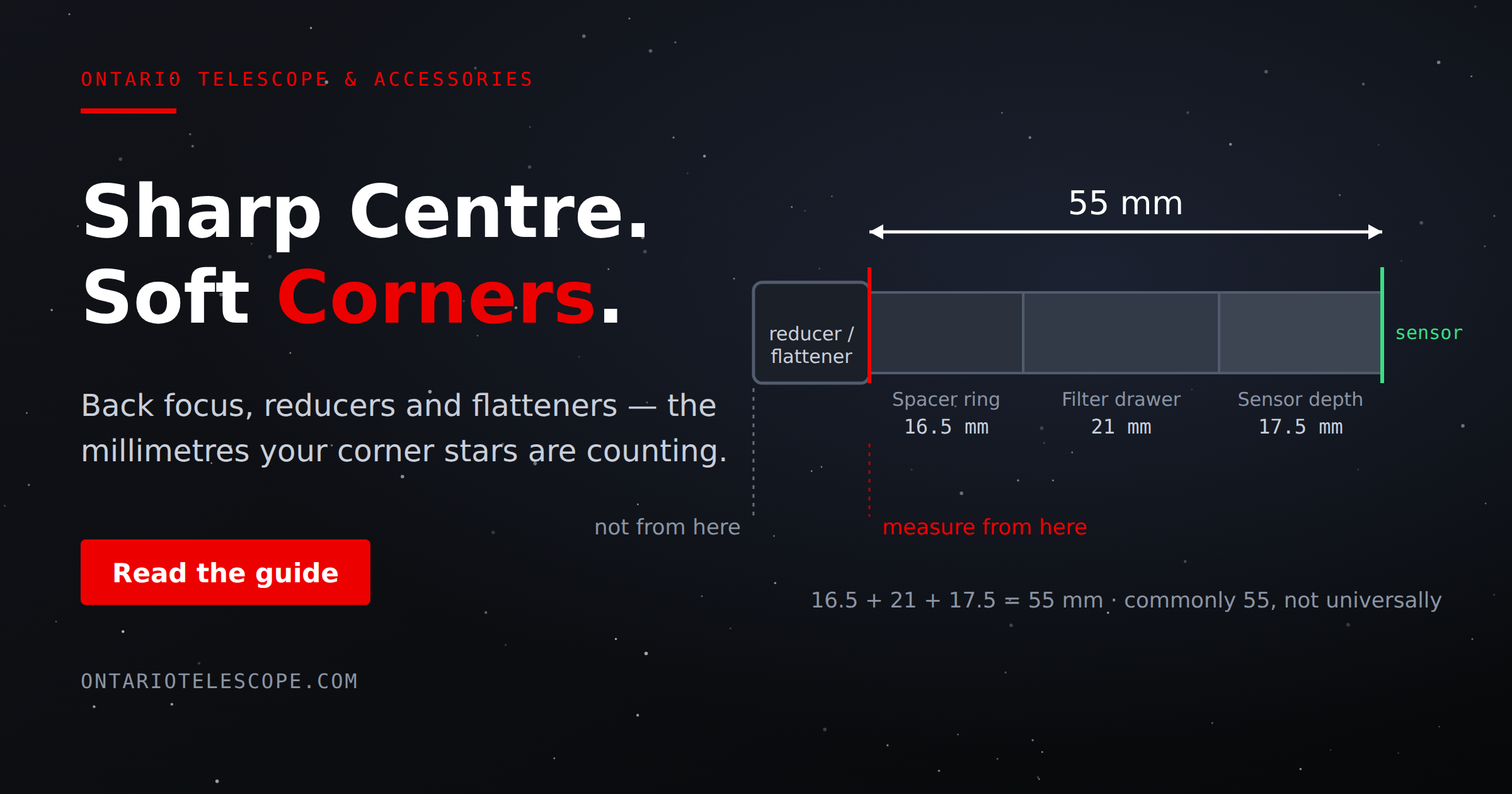
What Is Back Focus in Astrophotography? Telescope Reducers, Flatteners, and Spacing Explained
What Is Back Focus in Astrophotography? Telescope Reducers, Flatteners, and Spacing Explained
Back focus is one of those astrophotography terms that c
Read More
Read More