


- Description
- Specifications
Product Overview
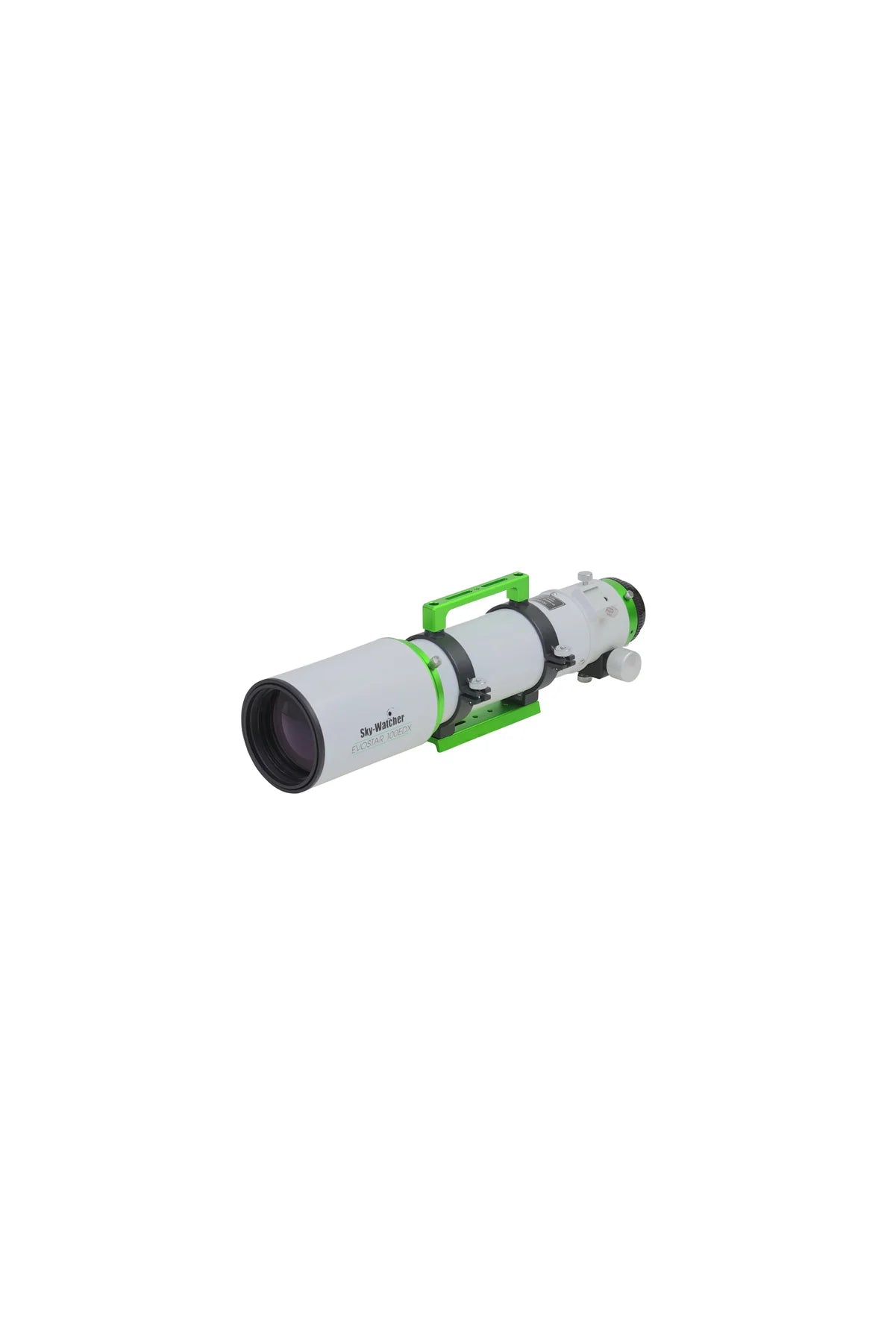
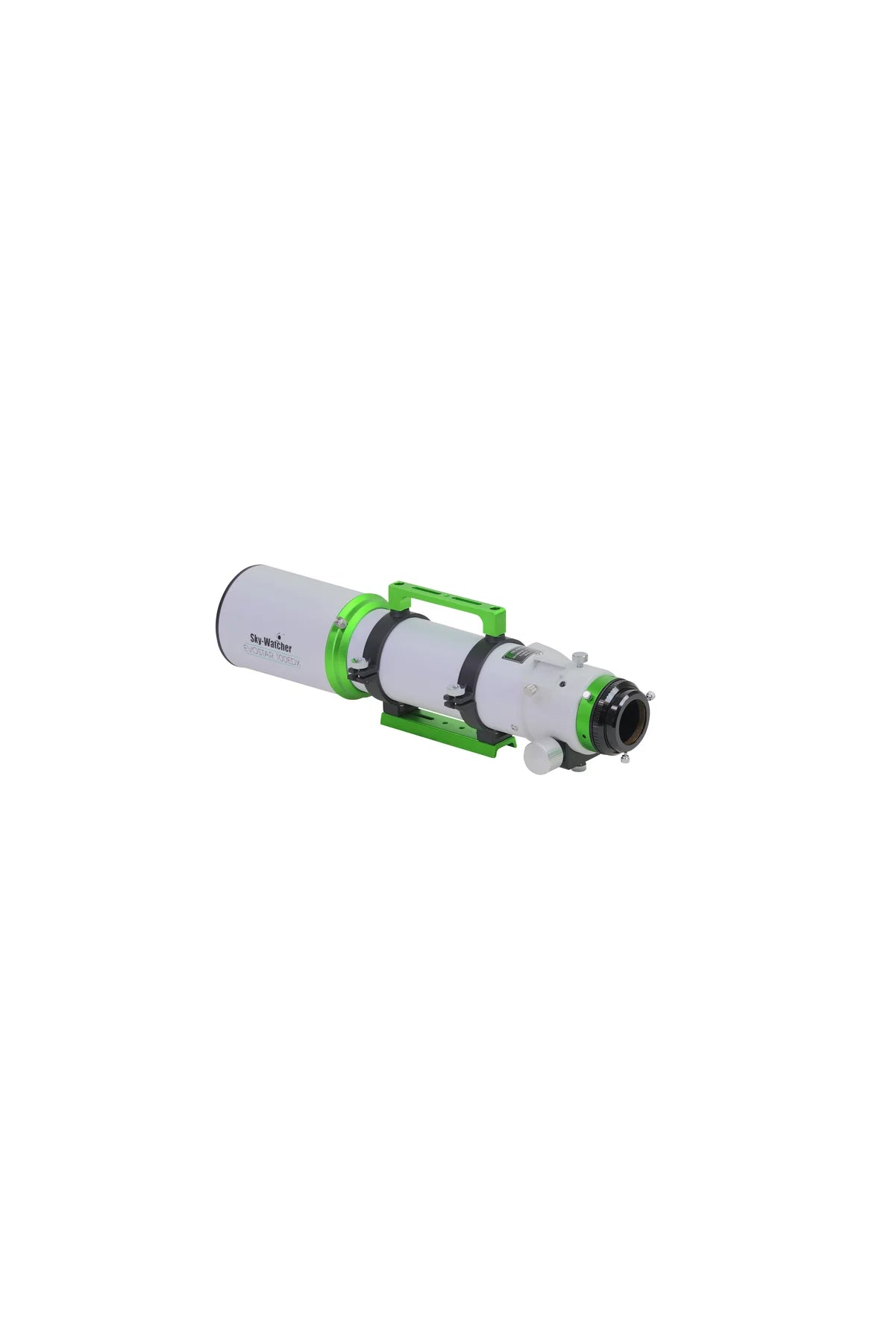
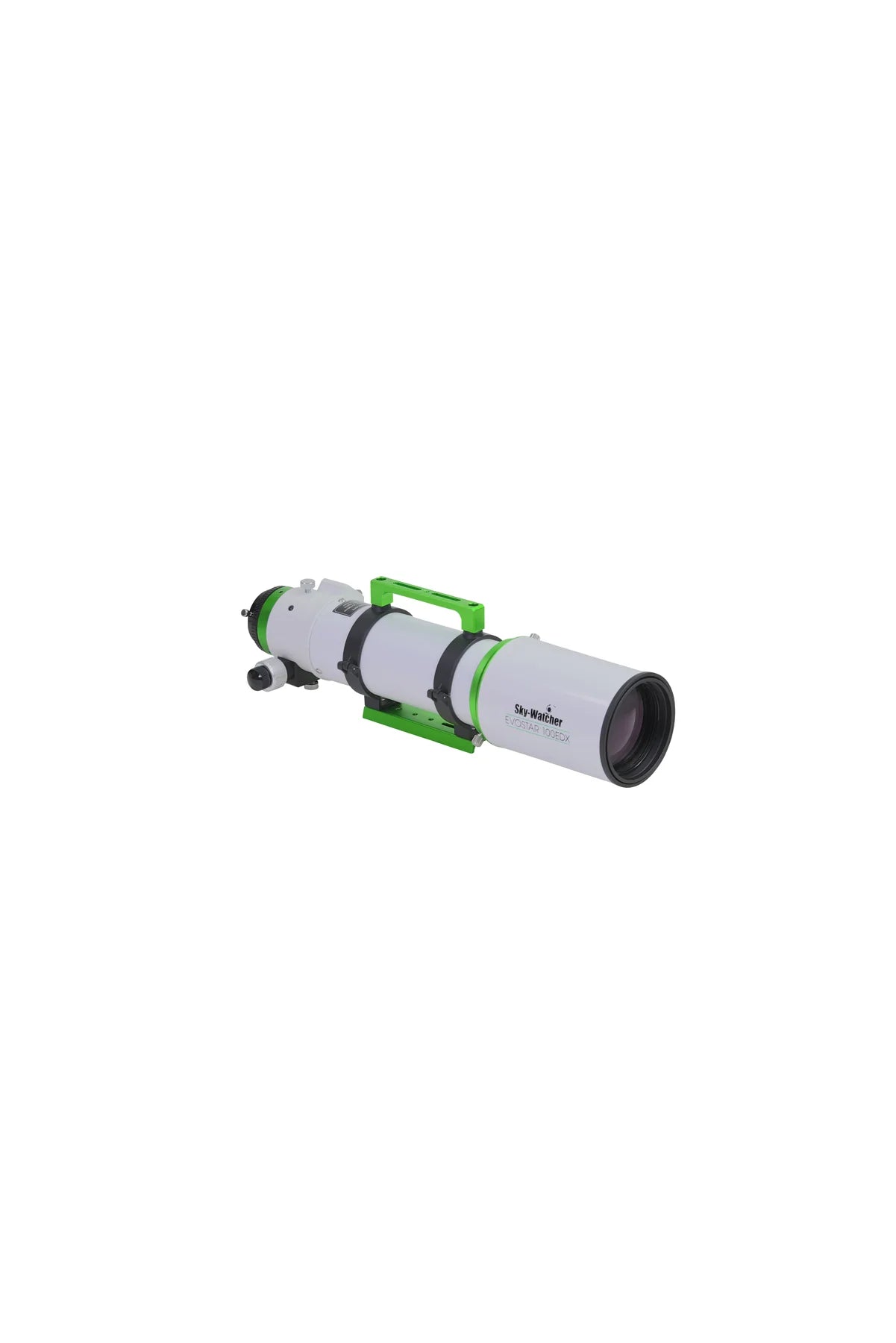
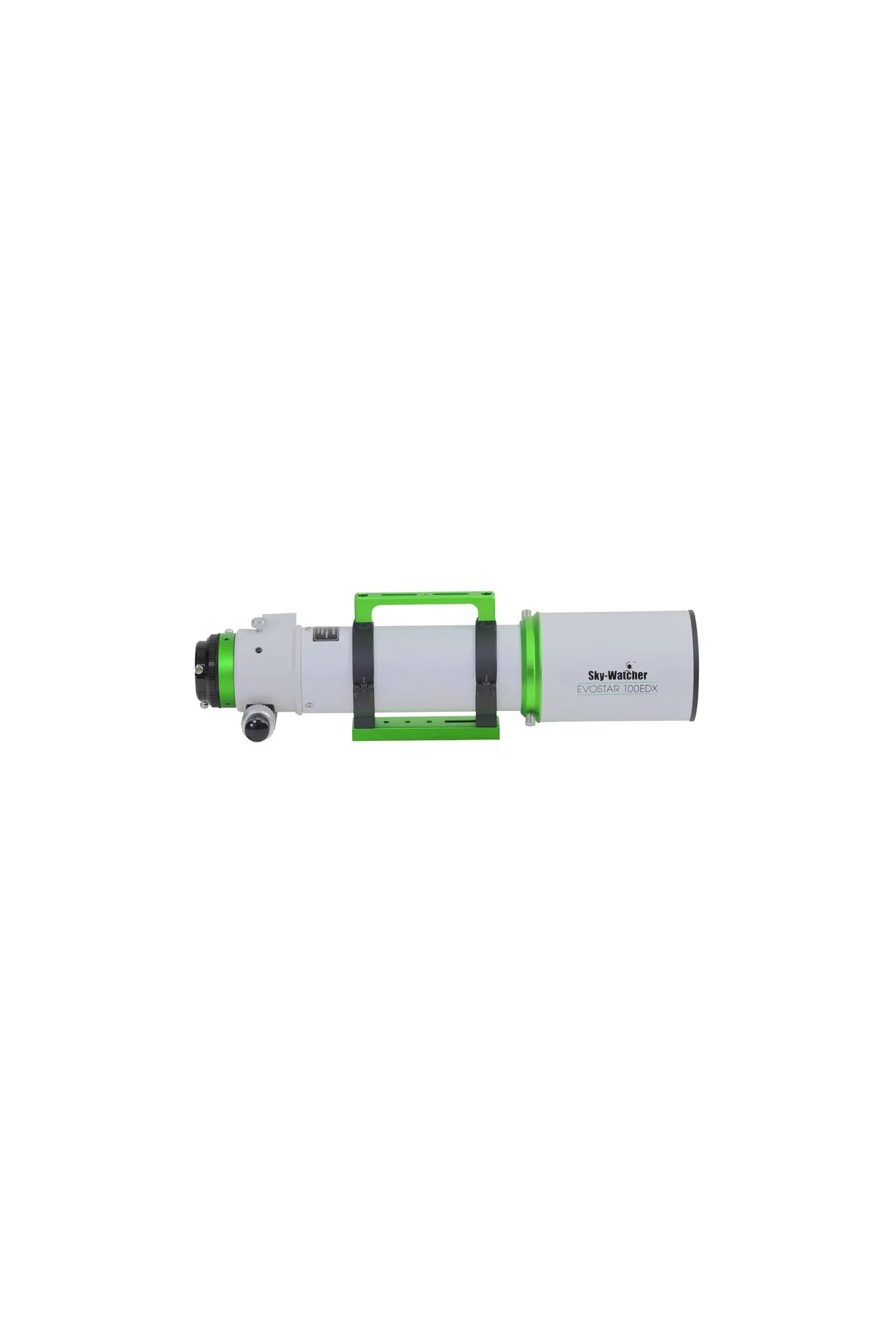
The Sky-Watcher Evostar 100EDX APO Doublet Refractor is a 100mm apochromatic refractor optical tube designed for high-quality visual observing and astrophotography. It features a 100mm aperture, 700mm focal length, f/7 focal ratio, FPL-53 ED glass, and a 2.8-inch dual-speed Crayford-style focuser.
The Evostar 100EDX sits between the more compact 80EDX and the larger 120EDX, making it a strong all-around refractor for observers and imagers who want more aperture than an 80mm scope while keeping the setup more manageable than a 120mm refractor.
Who Is This Product Best For?
This telescope is best for intermediate visual observers, serious beginners who want room to grow, and astrophotographers looking for a capable ED refractor with a practical balance of aperture, focal length, and portability.
Why Choose This Telescope?
- 100mm APO refractor design: A useful step up in aperture for brighter views and improved resolution compared with smaller refractors.
- FPL-53 ED glass: Helps reduce false colour and improve image contrast compared with standard achromatic refractors.
- 700mm focal length: A versatile focal length for lunar, planetary, double-star, and many deep-sky targets.
- f/7 focal ratio: A balanced optical speed for visual observing and imaging with the right accessories.
- 2.8-inch dual-speed focuser: Supports precise focus control for both eyepiece use and camera work.
- Included mounting hardware: Tube rings and a V-style dovetail are included for use with compatible mounts.
Recommended Uses
- Lunar and planetary observing
- Double-star observing
- Deep-sky visual observing
- Wide-field and moderate focal length astrophotography
- Intermediate refractor imaging setups
- Portable but capable visual astronomy rigs
Compatibility and Accessory Notes
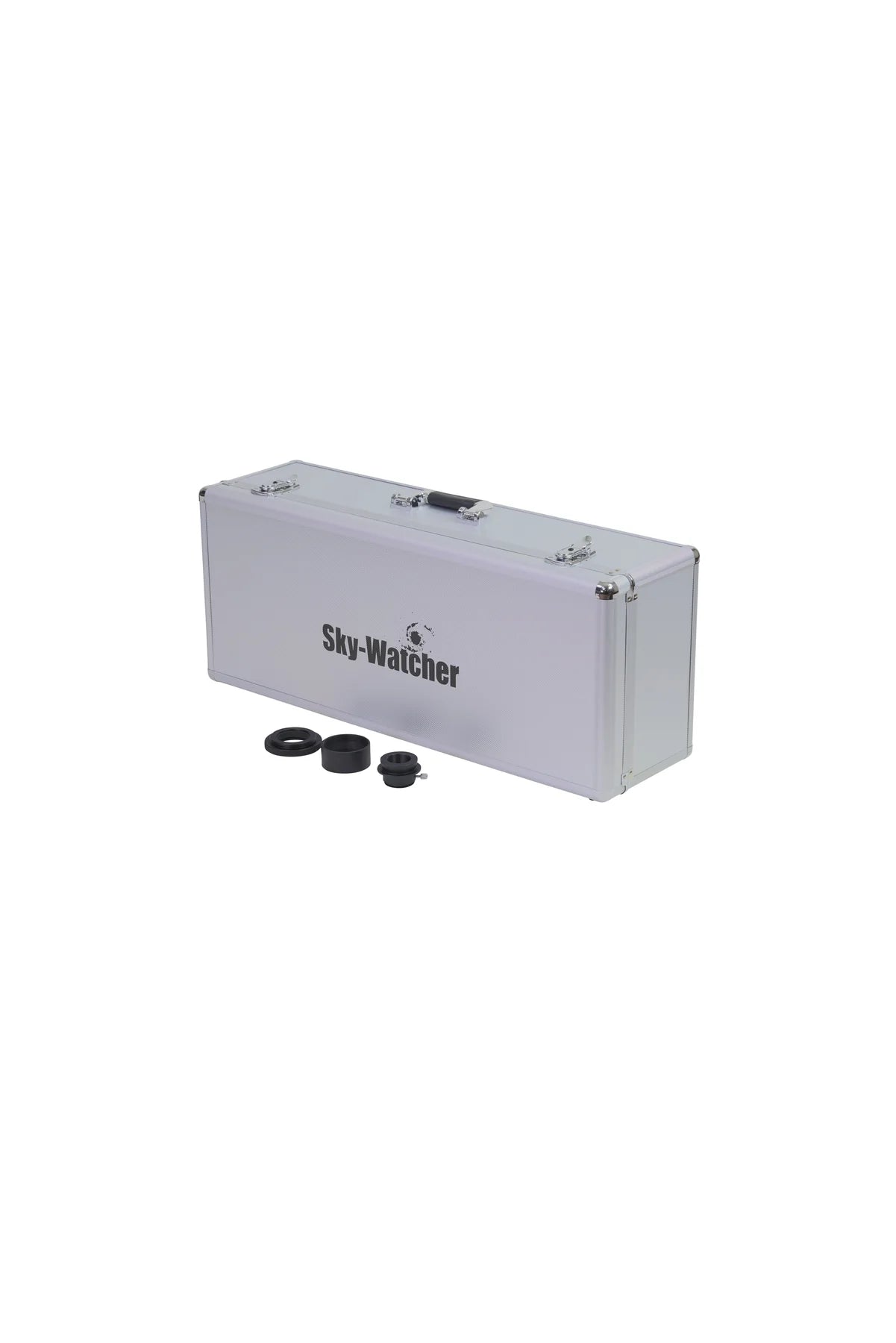
The Evostar 100EDX includes tube rings, a V-style dovetail, 2.8-inch Crayford-style focuser, camera angle adjuster, thread-on dew shield, focuser adapter ring, spacer, and 1.25-inch to 2-inch adapter. Pair it with a mount that can comfortably support the optical tube plus diagonal, eyepieces, camera, guide scope, field flattener, filters, or other accessories.
For astrophotography, a suitable field flattener or corrector may be required depending on camera sensor size and imaging goals. Camera spacing and backfocus should be confirmed for the specific imaging accessory being used.
Important Limitations
- Mount not included: A compatible mount and tripod or pier are required.
- Not a complete imaging package: Camera, guide scope, filters, field flattener, and other imaging accessories are sold separately unless specifically bundled.
- Field correction may be required: Imaging users should confirm the correct flattener or reducer for their camera sensor.
- Less compact than an 80mm refractor: Choose the 80EDX if portability is the top priority.
- Less aperture than the 120EDX: Choose the 120EDX if visual brightness and high-resolution work are more important than size and mounting ease.
Frequently Asked Questions
Is the Sky-Watcher Evostar 100EDX good for beginners?
It can be a good choice for a serious beginner who wants a quality refractor with room to grow, but it is best matched with a capable mount and appropriate accessories.
What is this telescope best used for?
It is best used for lunar and planetary observing, double stars, visual deep-sky observing, and refractor-based astrophotography with the correct mount and accessories.
Can the Evostar 100EDX be used for astrophotography?
Yes. It can be used for astrophotography when paired with a suitable equatorial mount, camera, and the correct field flattener or reducer where needed.
Does it include everything needed for visual observing?
It includes several mechanical accessories, but eyepieces, diagonal, finder, mount, and tripod may need to be purchased separately depending on the package and observing setup.
When should I choose the 100EDX instead of the 80EDX or 120EDX?
Choose the 100EDX when you want more aperture and resolution than the 80EDX while keeping the telescope easier to mount and transport than the larger 120EDX.
Our Recommendation
Ontario Telescope recommends the Sky-Watcher Evostar 100EDX for observers and imagers who want a versatile mid-size ED refractor with strong optical performance, practical focal length, and a balanced size for visual observing and astrophotography.
| Product Type | APO doublet refractor optical tube |
|---|---|
| Aperture | 100 mm |
| Focal Length | 700 mm |
| Focal Ratio | f/7 |
| Optical Design | Apochromatic doublet refractor |
| ED Glass | FPL-53 ED glass |
| Focuser | 2.8-inch Crayford-style focuser with dual-speed adjustment |
| Dew Shield | Thread-on dew shield |
| Included Accessories | Tube rings, V-style dovetail, 2.8-inch focuser, camera angle adjuster, thread-on dew shield, focuser adapter ring, spacer, and 1.25-inch to 2-inch adapter |
| Primary Use | Visual observing, lunar and planetary observing, double stars, deep-sky observing, and astrophotography with suitable accessories |
| Product Weight | Product weight not provided by vendor in accessible data; Shopify weight left at existing value |
You may also like
Recently viewed
Recent Blog Posts
View all
Your Guide Graph Is Lying to You
Read More

D-Size vs V-Size: A Complete Guide to Telescope Dovetail Systems
Read More

What Is Back Focus in Astrophotography? Telescope Reducers, Flatteners, and Spacing Explained
Read More