


- Description
Daystar Quark Gemini brings the best contains both Prominence and
Chromosphere bandpass filters for instant slide-action switching between either
view.
Now,
observers can enjoy the best of both options in one easy to use tool with no
equipment swapping or refocusing of any kind.
Push
the slider arm side to side like in an eye exam to see the broad stroked
prominences of wider bandpass, then the high contrast of narrow bandpass.
For
use on refractors of F/4 to F/8**, the user needn't worry about configurations.
Just insert in your diagonal, add an eyepiece and view.
The patent
pending QUARK* contains a custom Daystar Instruments 4.2X telecentric
barlow lens fully optimized in coatings and optical design specifically for the
Hydrogen Alpha wavelength. This highly specialized telecentric lens offers
superior field flatness.
Exact
filter bandpass will vary based on final telescope application, so QUARK*
assemblies are qualified with one element to show best prominences and the
other to show best surface contrast (chromosphere). No specific FWHM
bandpass is designated.
Outreach
astronomers can use the prom vs chrom switch to demonstrate each feature with
an extra teaching moment about wing shift going on in fast moving prominences.
Imagers can use the same switch to create comparison images without the
need to exchange equipment or refocus with short lived features.
The fully optimized design eliminates the need for
any adapters. It's all combined in one lightweight eyepiece sized device.
The new, compact design configuration eliminates unnecessary components, weight
and associated costs. We even reduced power consumption, so the Quark* can now
operate all day off a small, palm-sized optional battery pack. Baffles have
been added to increase contrast and AR coatings are optimized for the 656nm
wavelength.
You may also like
Recently viewed
Recent Blog Posts
View all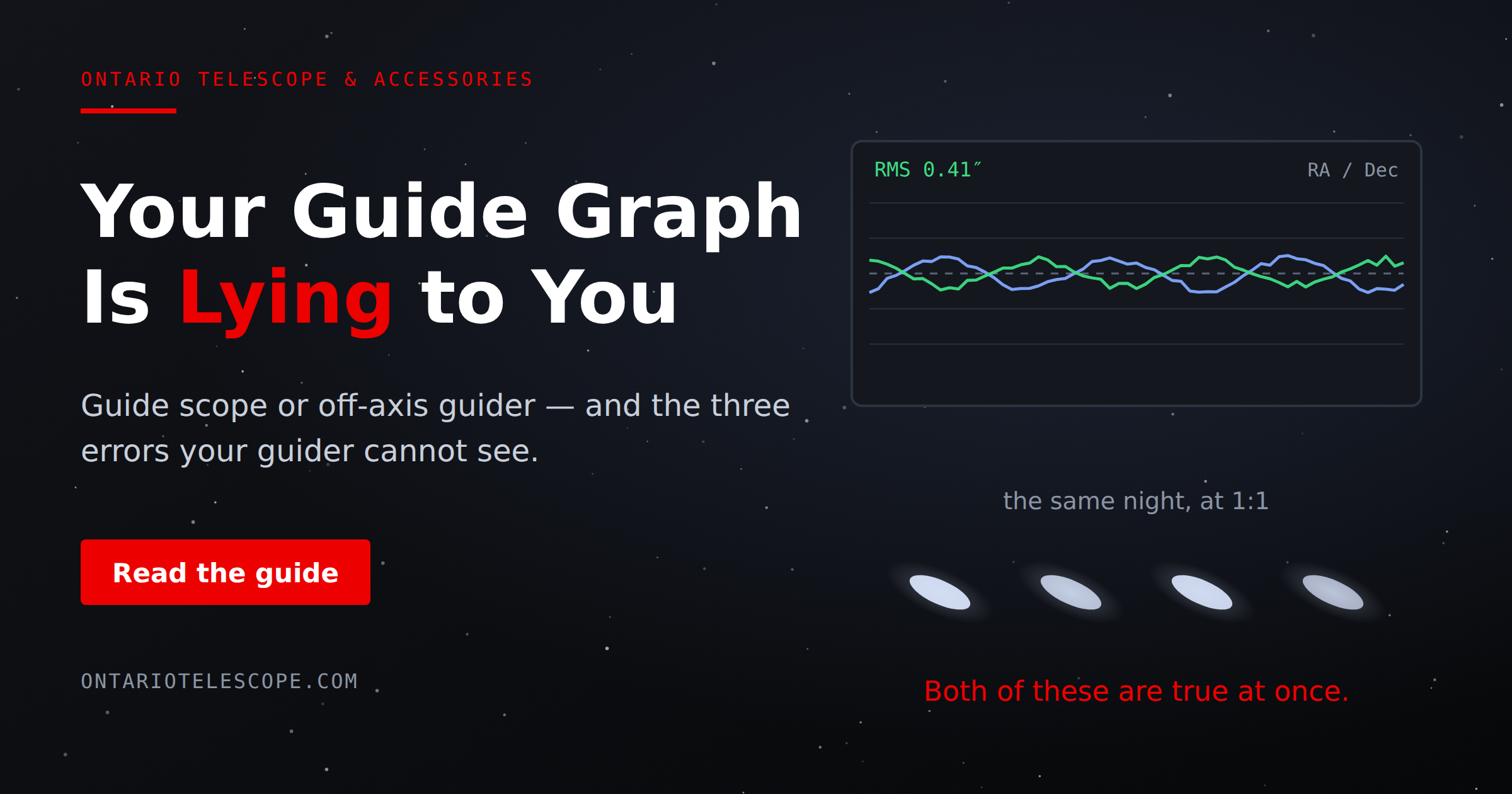
Your Guide Graph Is Lying to You
Read More
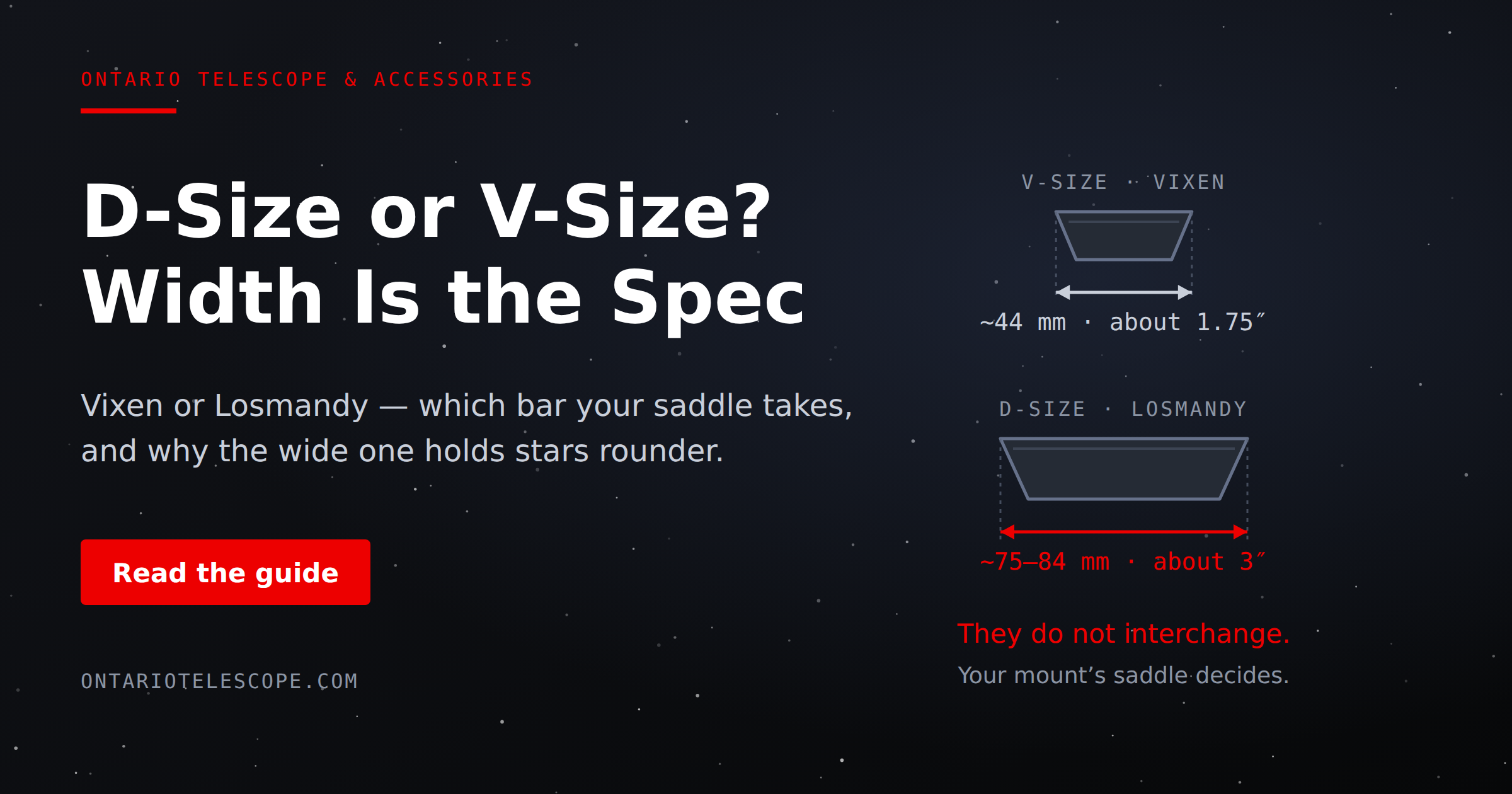
D-Size vs V-Size: A Complete Guide to Telescope Dovetail Systems
Read More
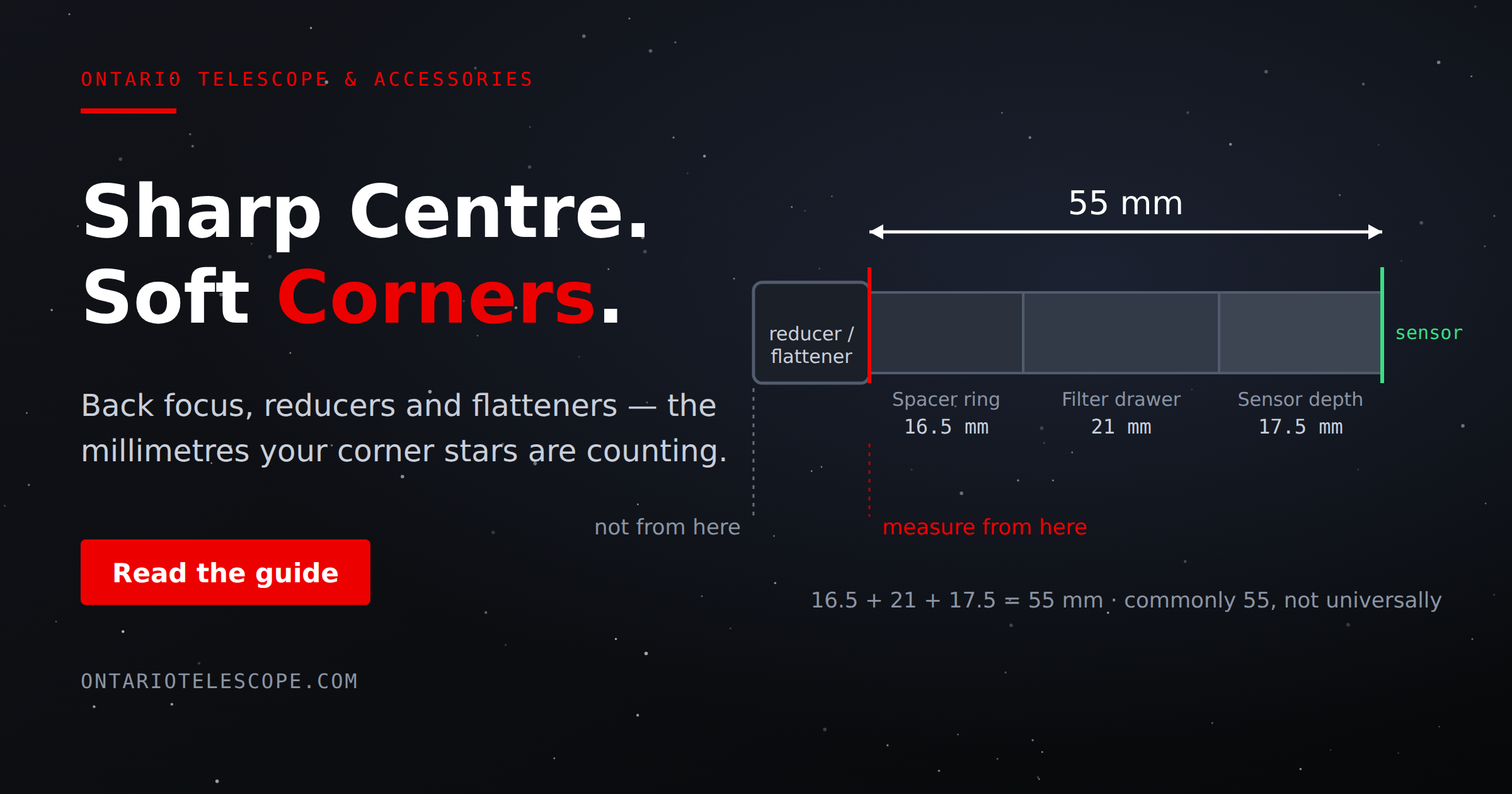
What Is Back Focus in Astrophotography? Telescope Reducers, Flatteners, and Spacing Explained
Read More