


- Description
- Specifications
Product Overview
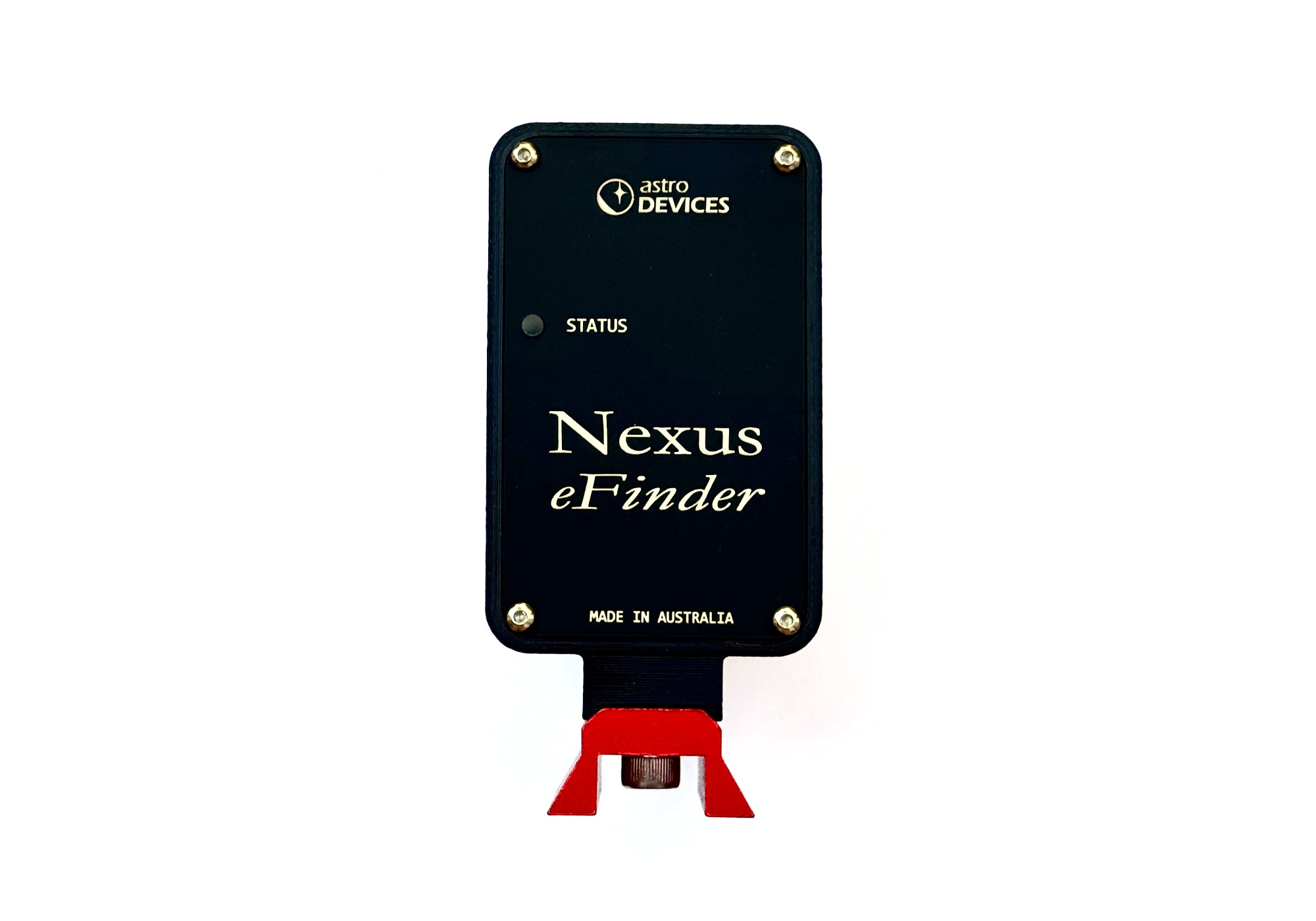
The Nexus eFinder is a plate-solving electronic finder that attaches to your telescope and works together with the Nexus DSC Pro to improve the accuracy of your observing sessions. An in-built camera takes a photo of the sky and compares it against a database of stars to instantly identify exactly what you are looking at, a process known as plate-solving. Positional accuracy reaches better than one minute of arc, which helps you locate even the faintest of fuzzies on the first attempt. The unit weighs 350 g and connects over USB-C.
Who It's For
The Nexus eFinder benefits both beginner and experienced astronomers. It fits observers running DIY Dobsonians or less accurate mounts who want repeatable, confident pointing, and it rewards deep-sky observers targeting faint objects that are difficult to centre by star-hopping alone. If you already use a Nexus DSC Pro, ServoCat, or SkyTracker, it integrates directly into that setup.
Key Features & Design
- Plate-solving accuracy: an on-board camera identifies the field and refines pointing to better than one arcminute.
- Full system integration: works together with the Nexus DSC Pro, ServoCat, and SkyTracker.
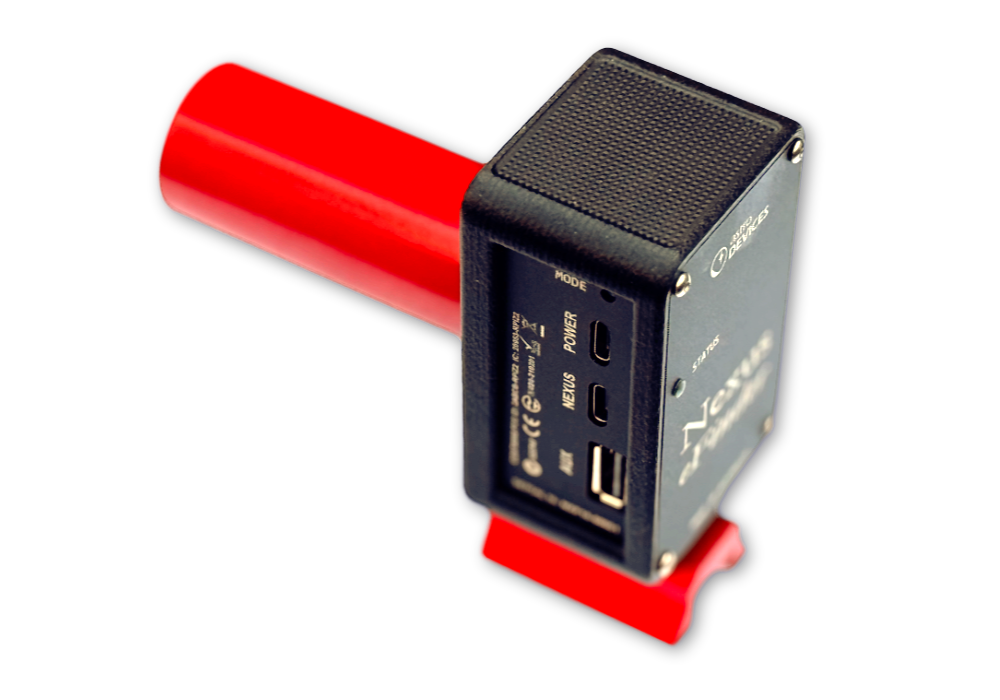
- Two USB-C ports: one port handles the DSC connection while the other supplies power.
- Brightness presets: multiple presets adapt to different sky-brightness conditions.
- One-time calibration: a single calibration is stored and reused across future sessions.
- Two installation options: mount it as a viewfinder replacement or on a Vixen dovetail bracket.
- Flexible power: runs from a 5V external source or from the Nexus DSC Pro, with up to eight hours of runtime.
- Dew shield included: the supplied dew shield protects the optics through long sessions.
- WiFi Access Point: the eFinder can operate as its own WiFi access point.
- Open-source technology: the platform is built on open-source software.
Design and Electronics
Inside the housing, a dedicated camera captures a live frame of the sky and the eFinder plate-solves that frame against its star database to determine precisely where the telescope points. Two USB-C ports keep the data link to the Nexus DSC Pro separate from the power feed, so a single 5V source or the DSC itself keeps the finder running for around eight hours. When paired with the Nexus DSC Pro, the eFinder refines pointing accuracy but does not replace the encoders. The included dew shield keeps the front optic clear, and the WiFi access-point mode lets the unit communicate wirelessly with planetarium software.
Recommended Uses
The Nexus eFinder is at home during visual deep-sky sessions where quick, accurate pointing matters, particularly on Dobsonians and push-to mounts. It shortens the time spent hunting for faint galaxies, nebulae, and clusters, and it can also drive planetarium software such as SkySafari Plus or Pro for a live view of where the telescope is aimed.
Compatibility and Accessory Notes
The eFinder works with the Nexus DSC Pro, ServoCat, and SkyTracker, and it can also operate independently alongside planetarium software such as SkySafari Plus or Pro. When used with the Nexus DSC Pro it refines pointing but does not replace the encoders. It installs either as a viewfinder replacement or on a Vixen-style dovetail bracket. The box includes the Nexus eFinder unit, a USB Type A to USB Type C cable, a dew shield, and a user manual.
Good to Know Before You Order
- Weight: the unit weighs 350 g, light enough for most finder shoe or dovetail mounting.
- Power: it draws 5V from an external source or from the Nexus DSC Pro, giving roughly eight hours of runtime on a DSC.
- Encoders: when paired with the Nexus DSC Pro, the eFinder complements rather than replaces the encoders.
- Calibration: calibration is a one-time step that carries over between sessions.
Frequently Asked Questions
Is it difficult to set up?
No. The eFinder mounts either as a viewfinder replacement or on a Vixen dovetail bracket, connects over USB-C, and needs calibrating only once. That single calibration is stored and reused, so later sessions start quickly.
Does it replace my encoders on the Nexus DSC Pro?
No. When used with the Nexus DSC Pro the eFinder improves pointing accuracy through plate-solving, but the encoders remain part of the system.
How is it powered and how long does it run?
It accepts 5V from an external source or draws power from the Nexus DSC Pro, and it runs for about eight hours on a DSC.
Can it work without a Nexus DSC Pro?
Yes. It can operate independently with planetarium software such as SkySafari Plus or Pro.
Bottom Line
The Nexus eFinder brings plate-solving precision to visual observing, pairing with the Nexus DSC Pro or running on its own to place faint targets in the field with better-than-arcminute accuracy. A single calibration, flexible USB-C power, and two mounting options make it a practical addition to Dobsonians and push-to setups alike.
| Weight | 350 g |
|---|---|
| Pointing accuracy | Better than 1 arcminute (one minute of arc) |
| Ports | 2 × USB-C (one for DSC, one for power) |
| Power | 5V external source or Nexus DSC Pro |
| Runtime | Up to 8 hours (powered by Nexus DSC Pro) |
| Connectivity | WiFi Access Point |
| Mounting | Viewfinder replacement or Vixen dovetail bracket |
| Compatibility | Nexus DSC Pro, ServoCat, SkyTracker; SkySafari Plus / Pro |
| eFinder Colour | Black, White |
| Cable Length | 1 m, 1.5 m, 2 m, 3 m |
| In the Box | Nexus eFinder unit, USB Type A to USB Type C cable, dew shield, user manual |
| Brand | Astro Devices |
| SKU | ADEF001 |
You may also like
Recently viewed
Recent Blog Posts
View all
Your Guide Graph Is Lying to You
Read More
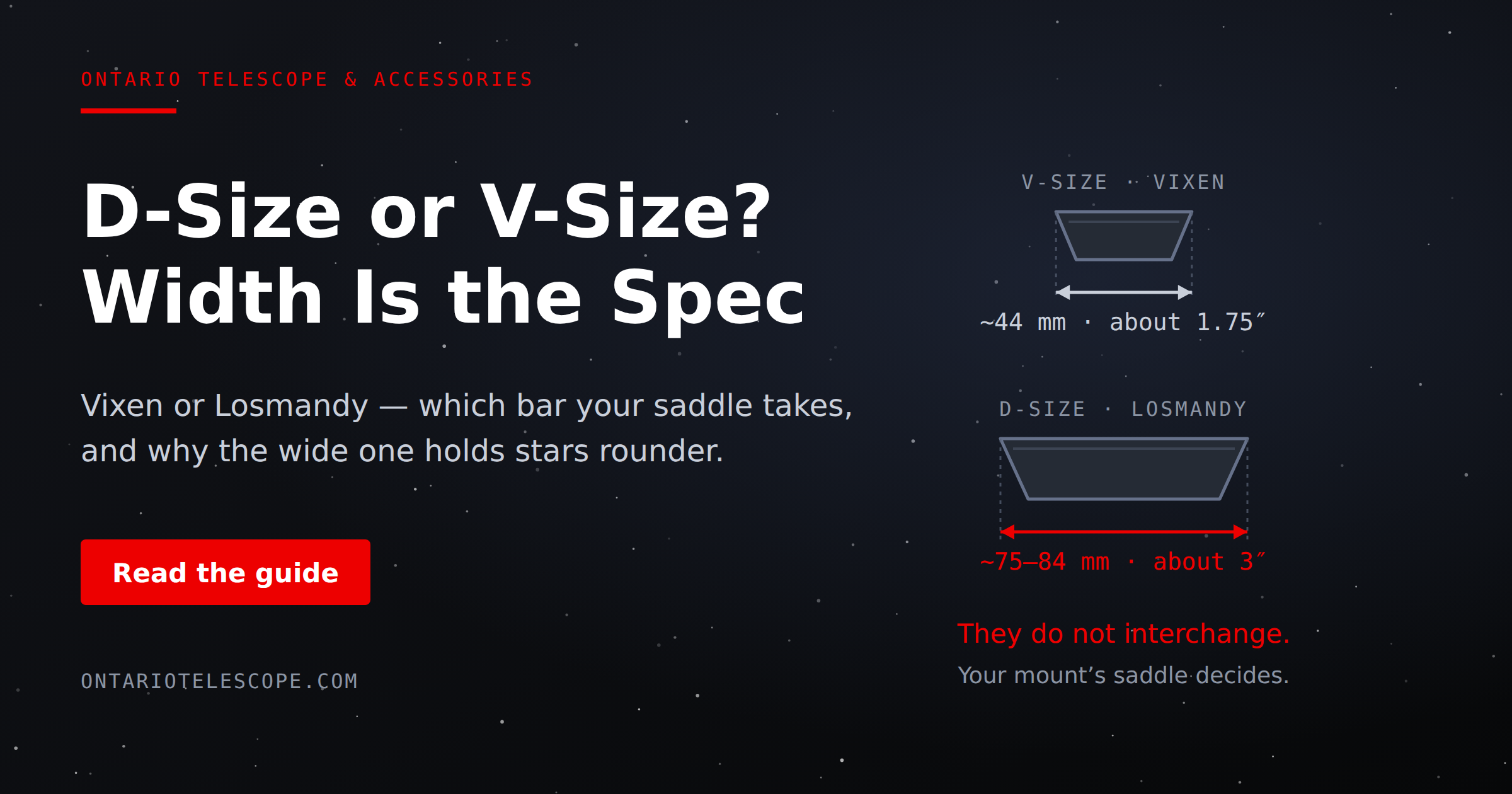
D-Size vs V-Size: A Complete Guide to Telescope Dovetail Systems
Read More
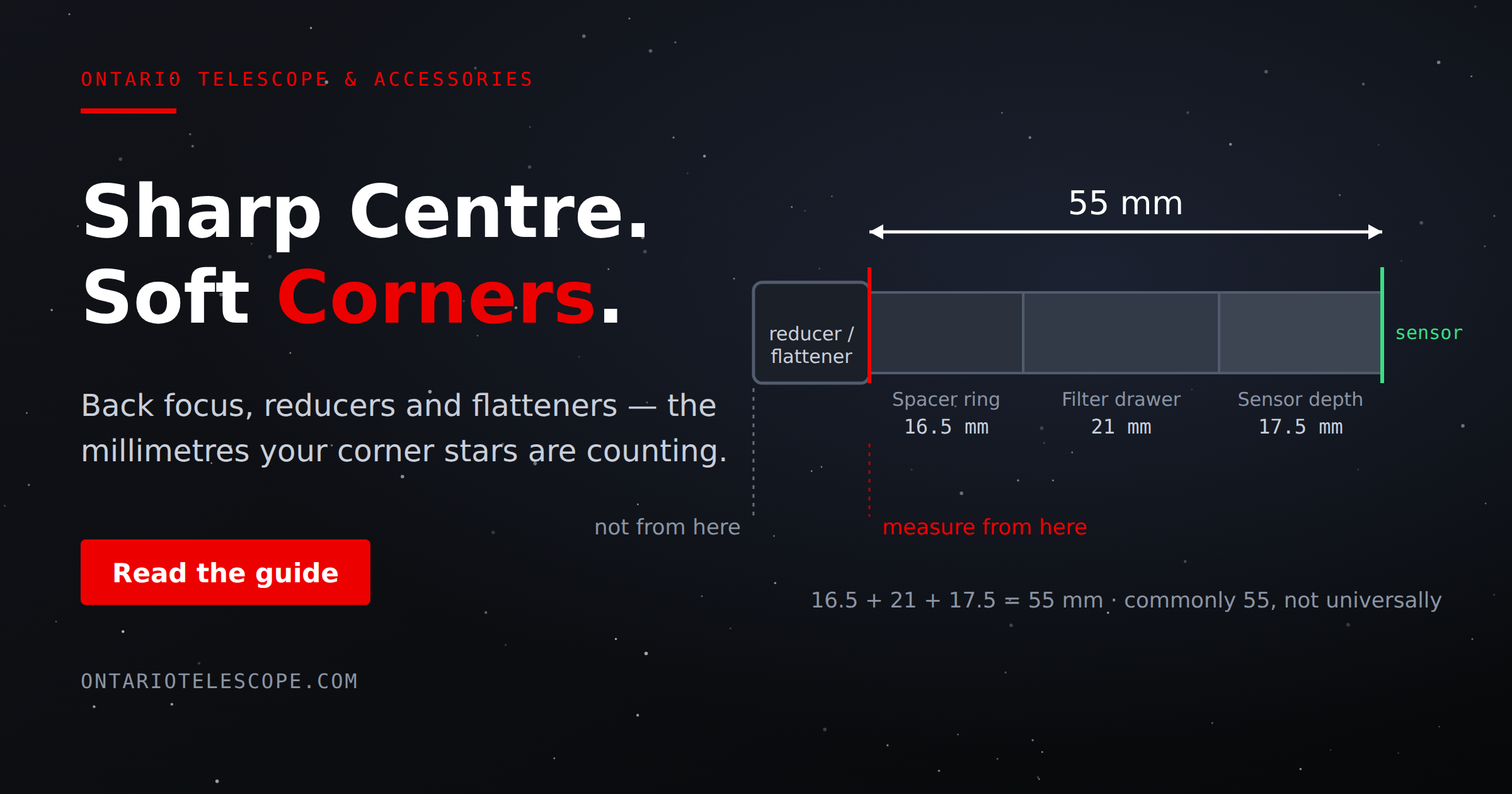
What Is Back Focus in Astrophotography? Telescope Reducers, Flatteners, and Spacing Explained
Read More