
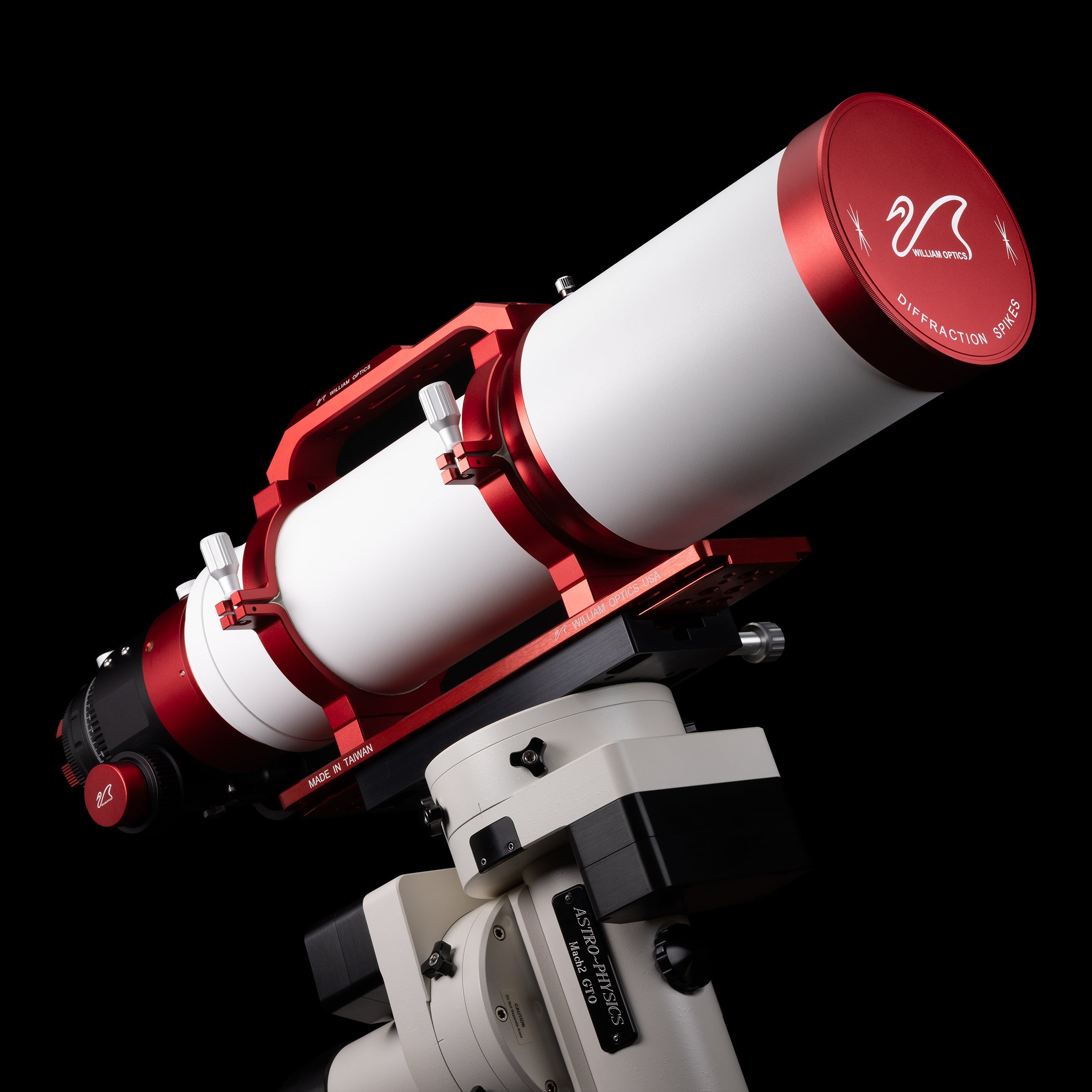

- Description
- Specifications
The William Optics Fluorostar 132 APO is a premium large-aperture 132mm f/6.9 triplet apochromatic refractor designed for serious visual observing and advanced astrophotography. With a 925mm focal length, excellent colour correction, and substantial light-gathering power, it is built for customers who want a high-performance refractor for lunar, planetary, galaxy, nebula, and deep-sky imaging work.
Who Is This Product Best For?
The Fluorostar 132 is best for experienced observers and astrophotographers who want a larger premium APO refractor for a capable backyard or semi-permanent imaging system. It is well suited to users who already have a mount that can handle a heavier optical tube and accessories.
Why Choose This Product?
- 132mm triplet APO optics: Provides strong resolution, contrast, and colour correction.
- 925mm focal length: Excellent for galaxies, lunar detail, planetary observation, and smaller deep-sky objects.
- f/6.9 focal ratio: A versatile refractor focal ratio for visual observing and imaging.
- Large-aperture refractor performance: More reach and light gathering than compact APO refractors.
- Imaging upgrade path: Can be paired with compatible flatteners/reducers for astrophotography.
Recommended Uses
- Advanced visual astronomy
- Deep-sky astrophotography
- Galaxy and nebula imaging
- Lunar and planetary observing
- Permanent or semi-permanent backyard imaging setups
Compatibility and Accessory Notes
For astrophotography, pair the Fluorostar 132 with the appropriate William Optics flattener or reducer and confirm camera spacing, focuser capacity, filter wheel clearance, guiding setup, and mount capacity. For visual observing, use compatible diagonals and eyepieces.
Important Limitations
The Fluorostar 132 is not a lightweight grab-and-go telescope. It requires a suitable mount and is best suited to customers who are comfortable managing a larger refractor system. For best imaging results, a matched field flattener or reducer is recommended.
Frequently Asked Questions
Is the Fluorostar 132 good for beginners?
It is best for experienced users or committed beginners with a suitable mount and a clear plan for visual observing or astrophotography.
Can it be used visually?
Yes. It is excellent for visual astronomy with compatible diagonals and eyepieces.
Can it be used for astrophotography?
Yes. It is a strong imaging refractor when paired with a capable mount, guiding system, camera, and appropriate flattener or reducer.
Our Recommendation
The William Optics Fluorostar 132 APO is a strong choice for customers who want a large premium refractor with serious visual and imaging capability. Choose it if you want more reach, aperture, and resolution than smaller APO refractors and have the mount capacity to support it.
| Lens Type | Triplet APO refractor |
|---|---|
| Aperture | 132 mm |
| Focal Length | 925 mm |
| Focal Ratio | f/6.9 |
| Primary Use | Advanced visual astronomy and deep-sky astrophotography |
| Recommended Imaging Accessory | Compatible William Optics flattener or reducer |
You may also like
Recently viewed
Recent Blog Posts
View all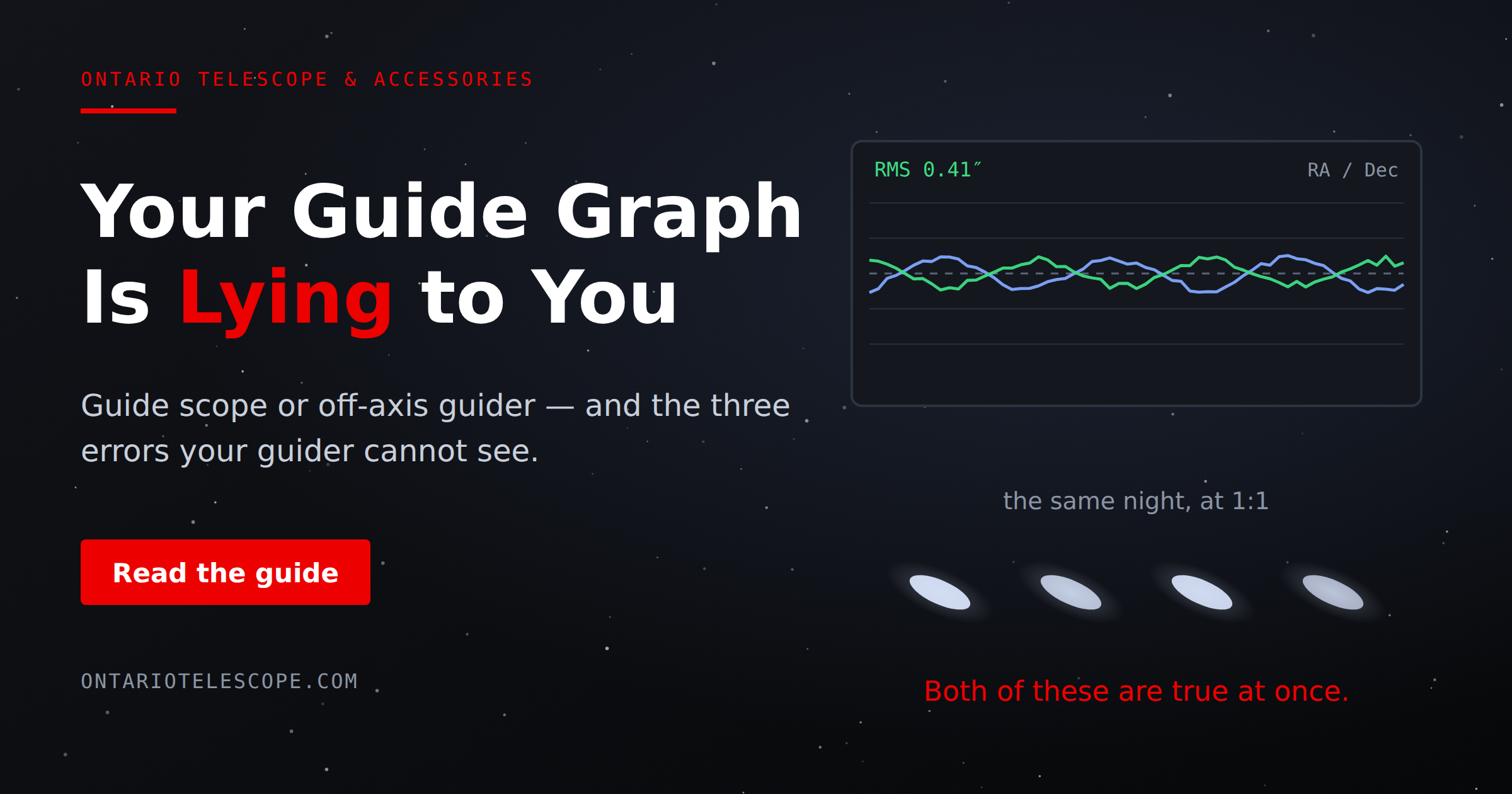
Your Guide Graph Is Lying to You
Read More
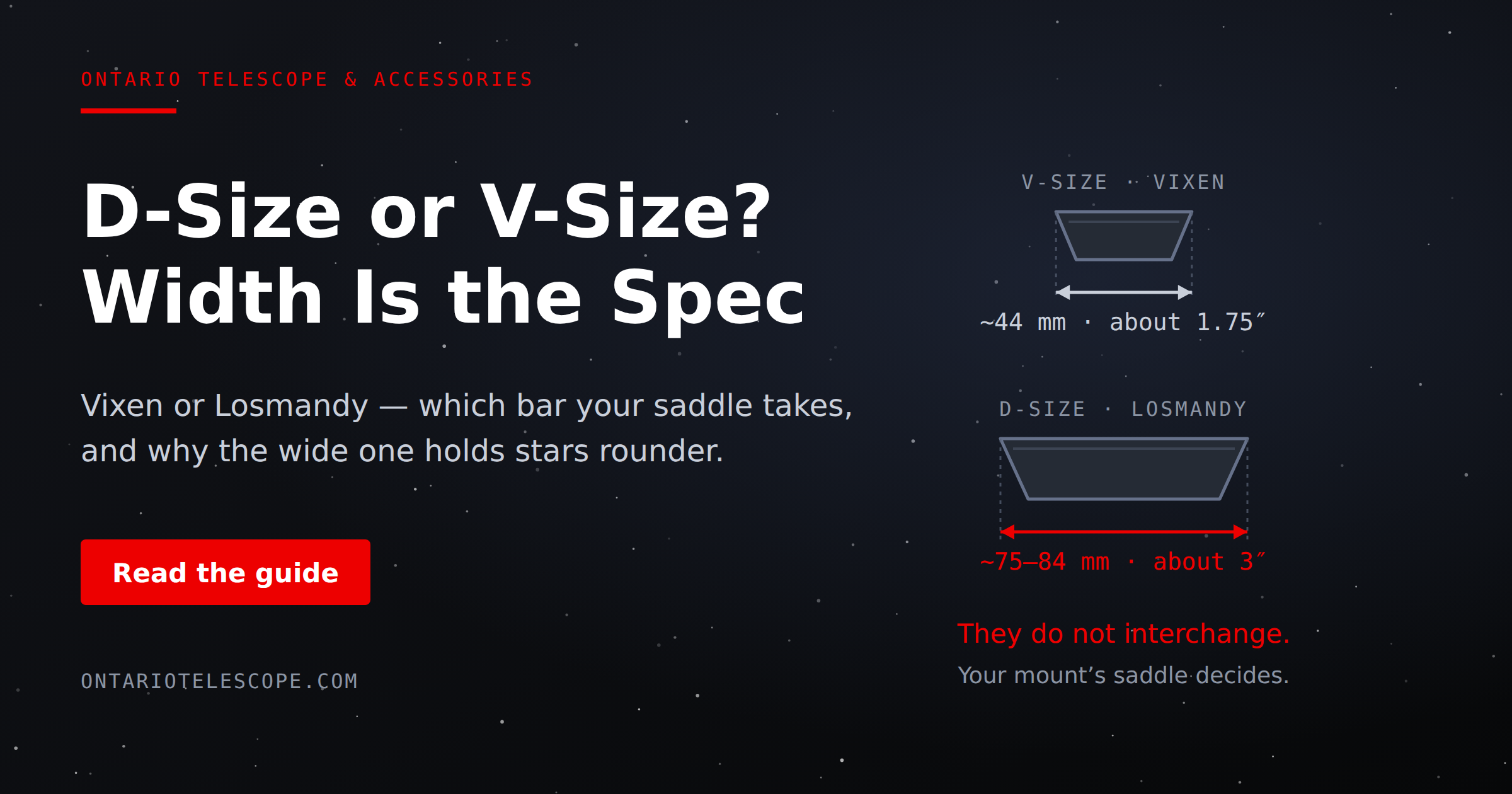
D-Size vs V-Size: A Complete Guide to Telescope Dovetail Systems
Read More
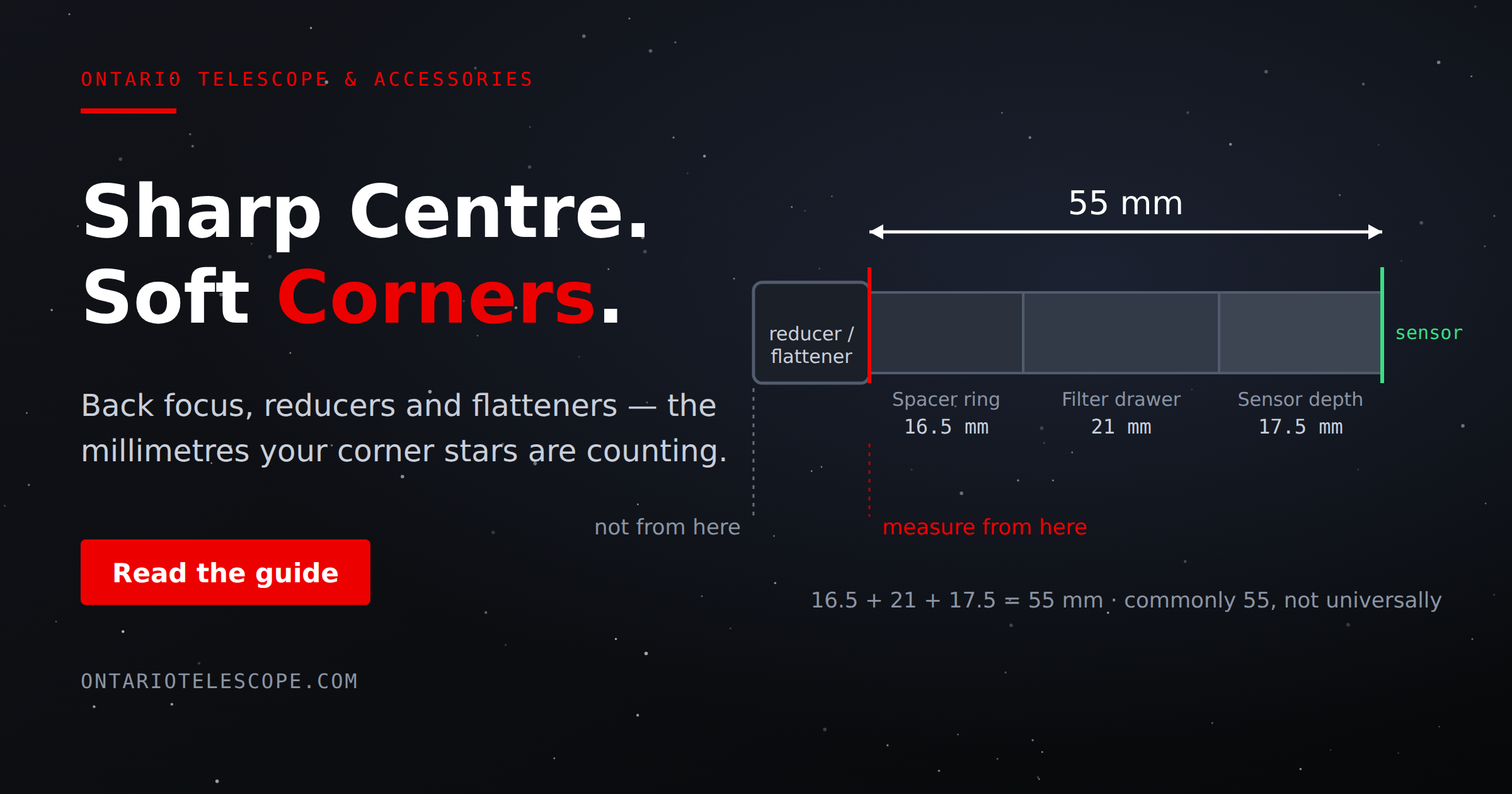
What Is Back Focus in Astrophotography? Telescope Reducers, Flatteners, and Spacing Explained
Read More