


- Description
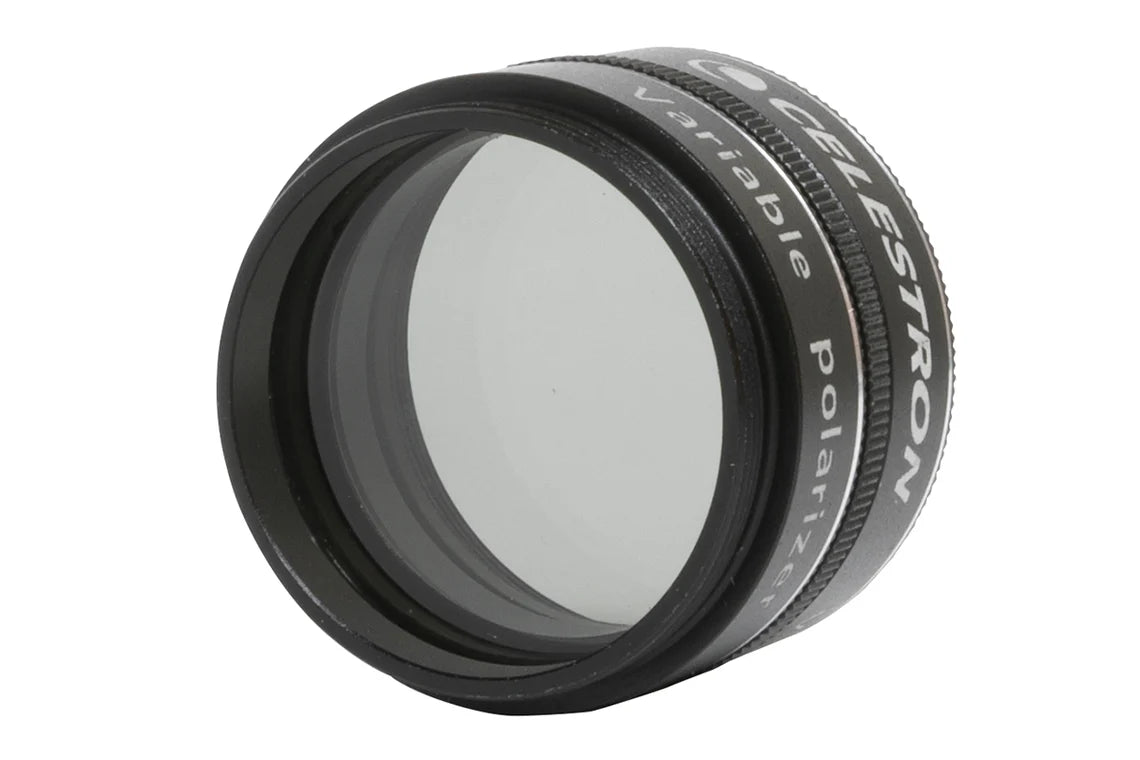
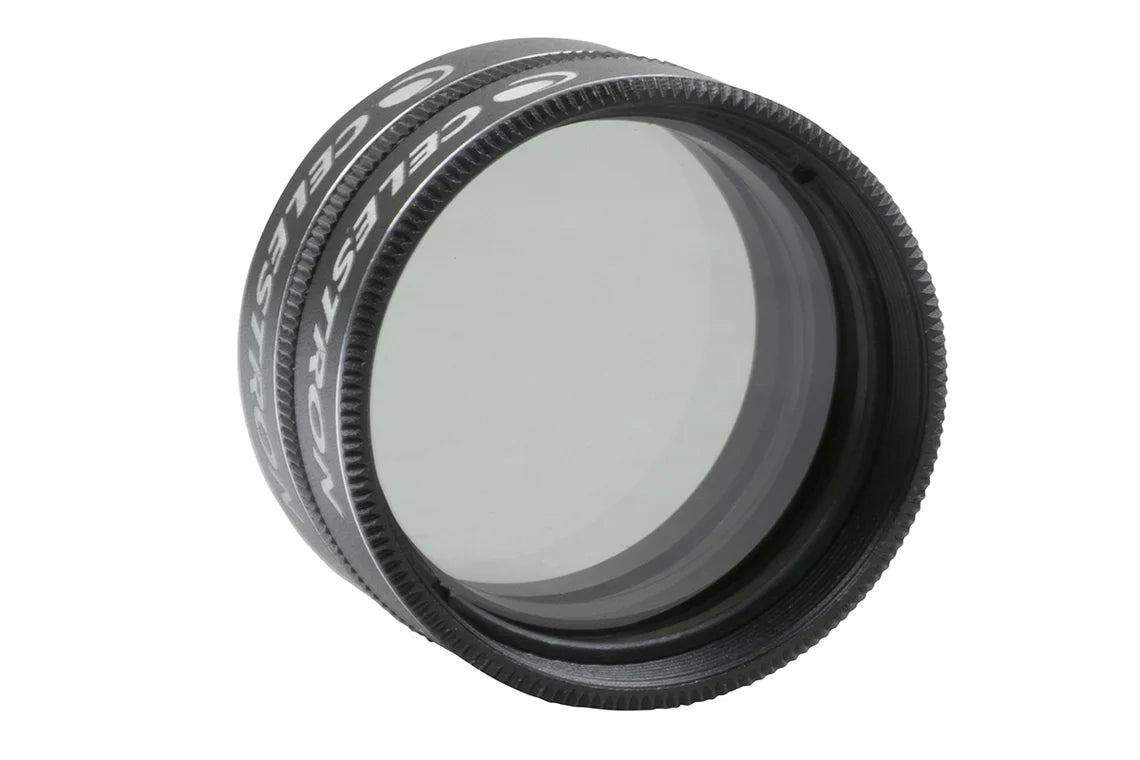
- A customizable way to reduce brightness and glare on the brightest celestial objects like the Moon, Venus, and bright double stars
- Adjust the level of light transmission from 1-40% for the best possible view for your specific target and current viewing conditions
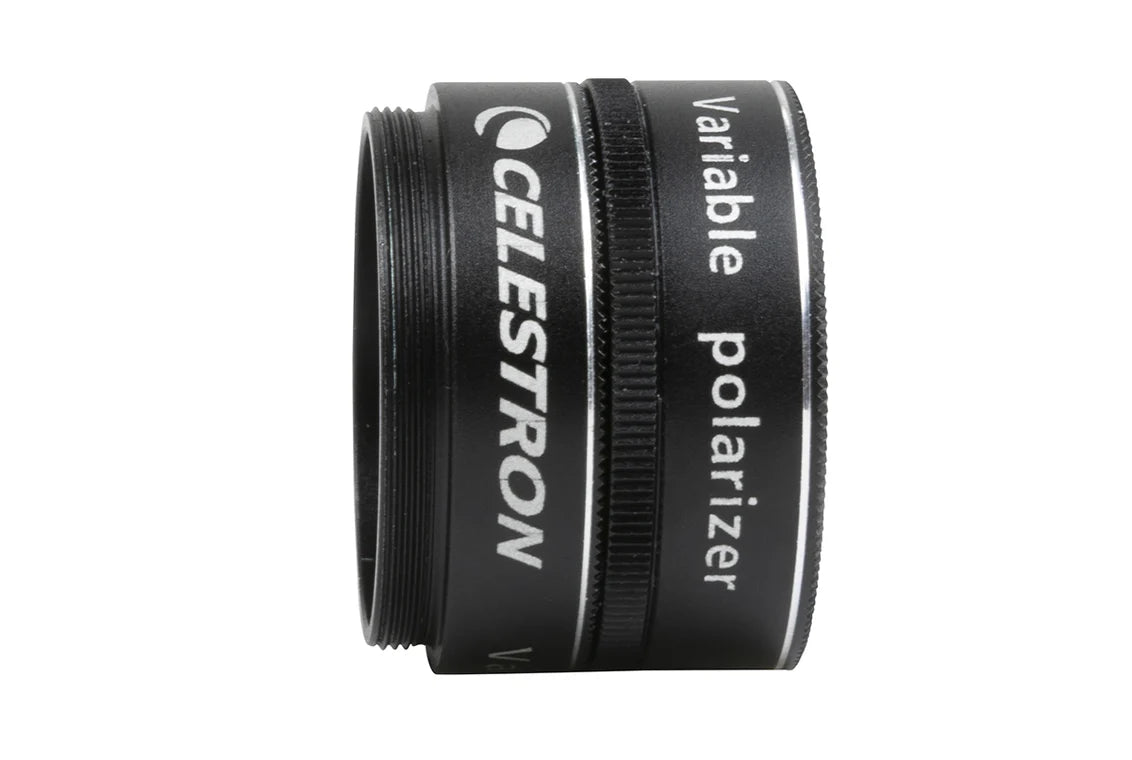
- Simple to use—just rotate filter’s lower ring to adjust brightness
- Threads onto any Celestron 1.25” eyepiece
A customizable way to reduce brightness and glare on the brightest celestial objects like the Moon, Venus, and bright double stars
Adjust the level of light transmission from 1-40% for the best possible view for your specific target and current viewing conditions
Simple to use—just rotate filter’s lower ring to adjust brightness
Threads onto any Celestron 1.25” eyepiece
You may also like
Recently viewed
Recent Blog Posts
View all
Your Guide Graph Is Lying to You
You drove ninety minutes to dark sky, PHD2 held 0.4 arcseconds all night, and half your subs still have eggs for stars. Here are the three things your
Read More
Read More

D-Size vs V-Size: A Complete Guide to Telescope Dovetail Systems
What's the difference between D-size and V-size telescope dovetails? Here's everything you need to know.
Read More
Read More

What Is Back Focus in Astrophotography? Telescope Reducers, Flatteners, and Spacing Explained
What Is Back Focus in Astrophotography? Telescope Reducers, Flatteners, and Spacing Explained
Back focus is one of those astrophotography terms that c
Read More
Read More