


- Description
- Specifications
Product Overview
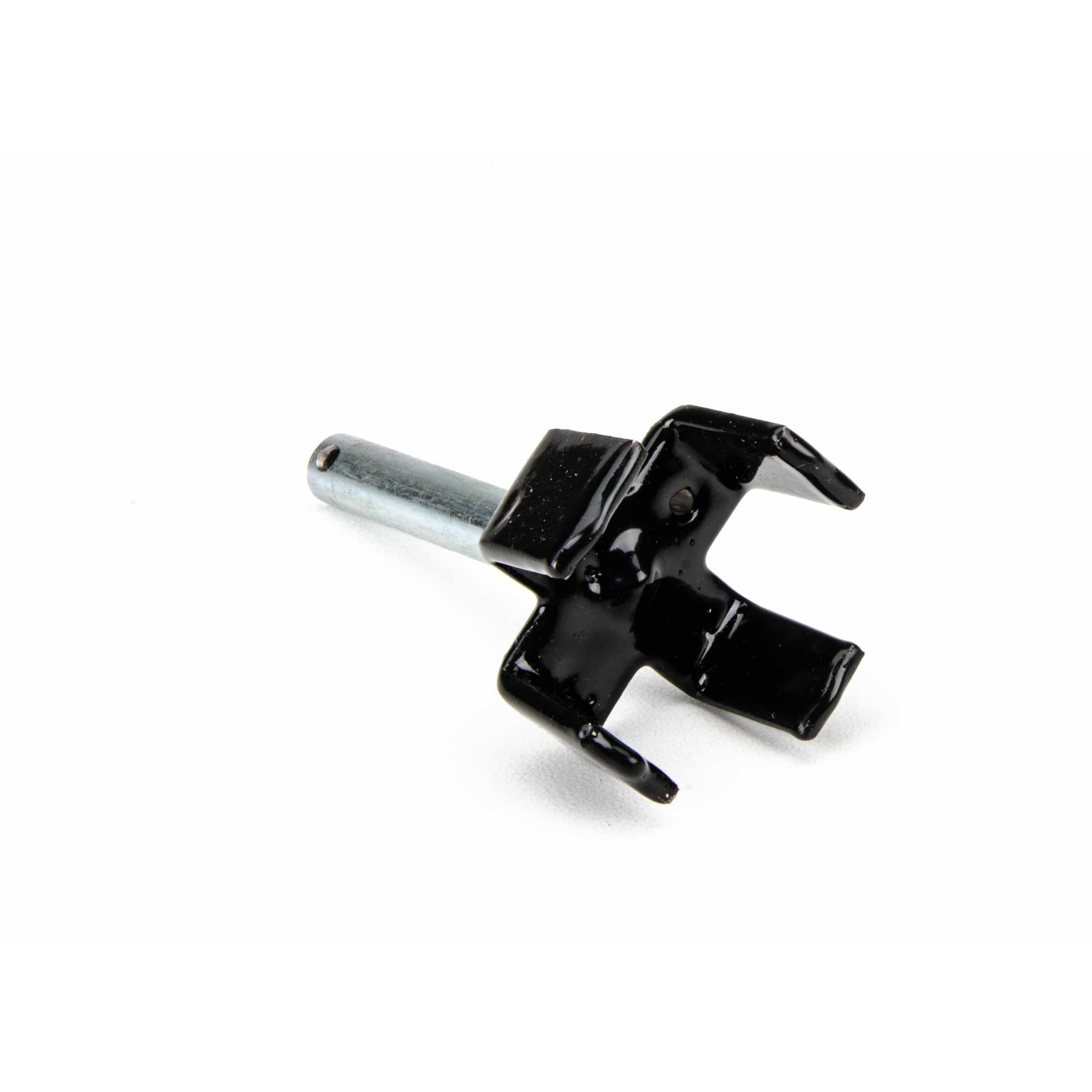
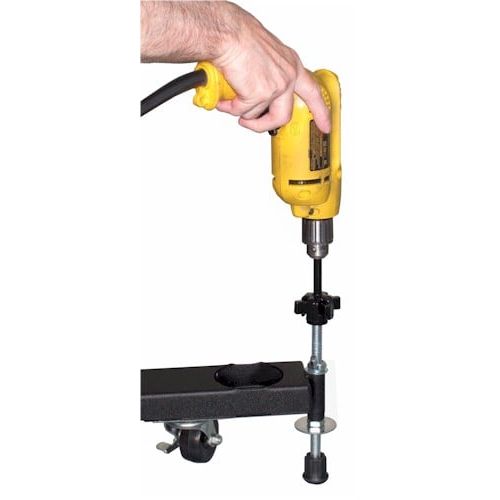
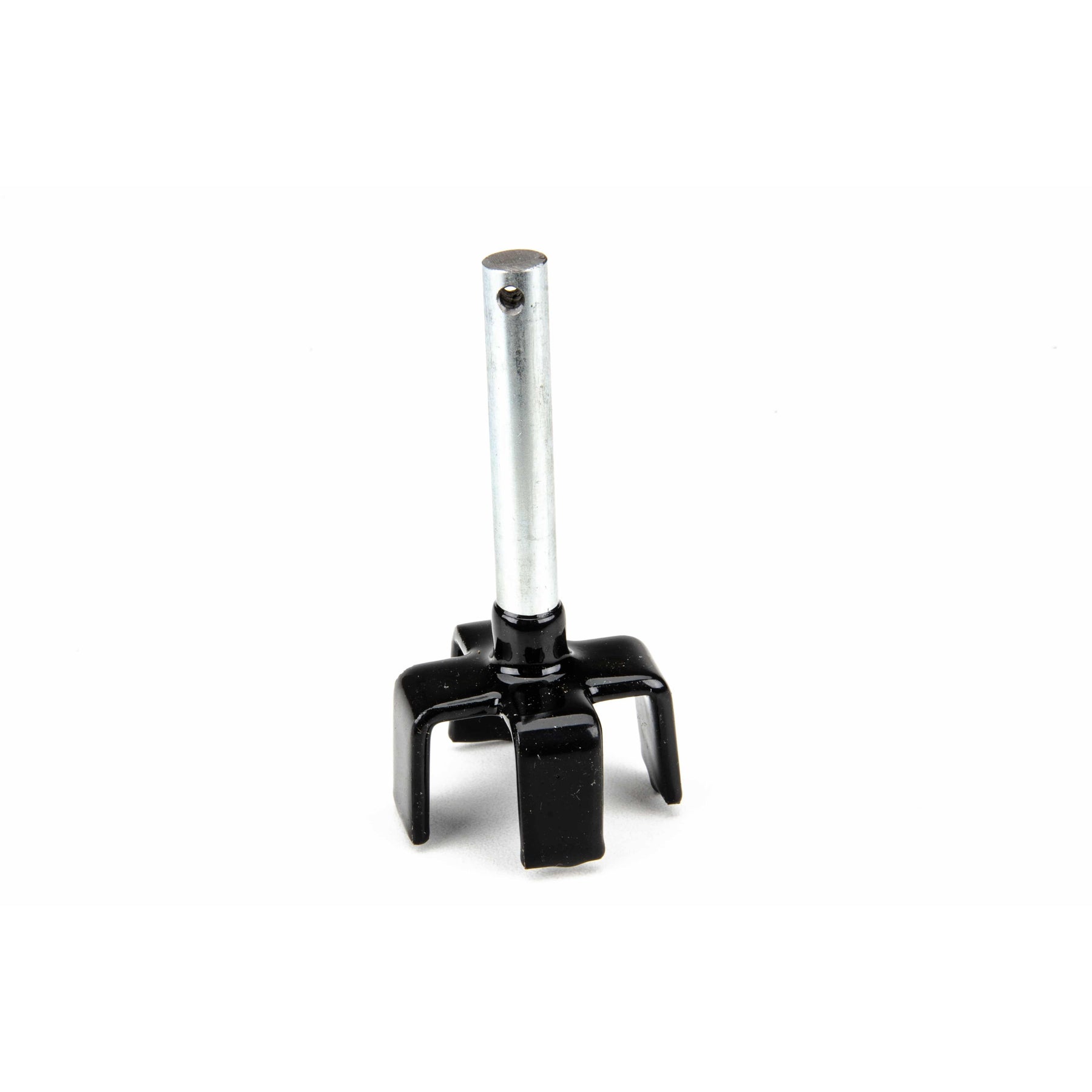
The JMI Speed Dial Drill Adapter is a steel fitting that hands the job of turning a Wheeley Bar's leveling screws over to a cordless drill. A hex shaft on one end seats in any 3/8″ or larger drill chuck; the claw end drops over the knob of a leveling screw so the drill's torque raises or lowers it. JMI rates the result at roughly 50% or more faster than hand-cranking — about 5–10 minutes saved per setup, with a screw that takes several minutes by hand running in 30–60 seconds under power. The adapter weighs 0.375 lb and is made in the USA by JMI, part of the CXB Astro family.
Who It's For
This is a good match if you…
- Level a JMI Universal Wheeley Bar by hand at the start of every session and would rather spend that time observing.
- Already own a cordless drill with a 3/8″ or larger chuck.
- Run a tall tripod or a heavy imaging load that needs a lot of screw travel to come level.
- Set up and tear down often enough that 5–10 minutes per session adds up over a season.
Key Features & Design
- Hex drive shaft: Fits any 3/8″ or larger drill chuck, corded or cordless, any brand.
- Claw fitting: Grips the existing leveling-screw knob directly, so the bar itself stays unmodified.
- Steel construction: Carries repeated drill torque between the chuck and the screw knob.
- Measured time saving: JMI publishes roughly 50%+ faster leveling, or about 5–10 minutes per setup.
- Two shaft sizes: Matched to the 5/8″ and 1/2″ leveling screws JMI has used across the Wheeley Bar line.
- Light to carry: At 0.375 lb it rides in the same case as the drill.
Recommended Uses
- Bringing a loaded Wheeley Bar level on a sloped driveway or an uneven field before an imaging run.
- Star parties and outreach nights where the rig is set up and struck more than once.
- Re-leveling mid-session after the ground settles under a heavy mount.
- Raising all three screws for transport, then dropping them again at the observing spot.
Compatibility and Accessory Notes
This adapter is made for JMI Universal-style Wheeley Bars, and the two versions are selected by leveling-screw thread diameter:
- TPWSPDIAL-5/8 — 5/8″ leveling screws: the current HD Medium, HD Large and HD Shorty bars.
- TPWSPDIAL-1/2 — 1/2″ leveling screws: the Standard Medium bar and older HD Medium / HD Large model years.
JMI's Triangle Style bars and the Sky Trekker series use a different leveling-screw design and fall outside this adapter's fit. Thread diameter is readable with calipers or a rule on a screw backed out of the bar: 5/8″ is the current HD standard and 1/2″ is the earlier one. Tell us which Wheeley Bar you own, or the model year, and we'll confirm which version matches it.
Good to Know Before You Order
- The two versions are not interchangeable. A 5/8″ claw does not grip a 1/2″ screw knob, and the reverse is equally true, so the version is chosen by the screws already on the bar.
- The drill and the Wheeley Bar are supplied separately. This listing covers the adapter alone.
- Torque settings matter at the end of travel. A low clutch setting, with the drill stopped once the foot meets the ground, keeps the threads clear of the bar's internal stop.
- Shipping weight is 0.375 lb. Well under a pound, so it adds very little to a combined order.
- It replaces hand-cranking, not the screws. The existing leveling screws and knobs stay on the bar.
Frequently Asked Questions
Is it difficult to install?
There is no installation. The adapter goes into the drill chuck like any bit, and the claw end sits over the leveling-screw knob when you want it there. Nothing is bolted to the bar and nothing is left behind when you put the drill away.
How do I tell whether my bar has 1/2″ or 5/8″ leveling screws?
Back one screw out of the bar and measure the thread diameter with calipers or a rule. 5/8″ is the current HD standard; 1/2″ is the older standard used on the Standard Medium and earlier HD bars.
Will any cordless drill work?
Any drill with a 3/8″ or larger chuck accepts the hex shaft. Brand and voltage make no difference to the fit.
How much time does it actually save?
JMI publishes roughly 50% or more, which works out to about 5–10 minutes per setup. The saving scales with how far the screws have to travel.
Does it fit Triangle Style or Sky Trekker bars?
No — those use a different leveling-screw design. This adapter covers the Universal-style bars only.
Can the leveling screws be over-driven with a drill?
The screws bottom against an internal stop in the bar. A low clutch setting, released once the foot contacts the ground, keeps the threads away from that stop.
Bottom Line
In short: a 0.375 lb USA-made steel adapter that turns any 3/8″-chuck cordless drill into a Wheeley Bar leveling tool, cutting roughly 5–10 minutes off each setup. The 5/8″ version suits current HD Medium, HD Large and HD Shorty bars; the 1/2″ version suits Standard Medium and older HD bars.
| Type | Cordless-drill adapter for Wheeley Bar leveling screws |
|---|---|
| Construction | Steel adapter with hex shaft for cordless drill chuck; claw end grips the leveling screw knob |
| Drill fitting | Hex shaft, fits any 3/8″ or larger drill chuck |
| Operation | Chuck the adapter into a cordless drill, place the claws over the leveling screw knob, trigger the drill |
| Time saving | Roughly 50%+ faster than hand-cranking; about 5–10 minutes saved per setup |
| 5/8″ version fits | JMI Wheeley Bars with 5/8″ leveling screws — HD Medium, HD Large, HD Shorty |
| 1/2″ version fits | JMI Wheeley Bars with 1/2″ leveling screws — Standard Medium and older HD Medium / HD Large model years |
| Not compatible | Triangle Style bars; Sky Trekker series |
| Weight | 0.375 lb |
| Country of origin | United States — made by JMI, part of the CXB Astro family |
| Part codes | TPWSPDIAL-5/8 · TPWSPDIAL-1/2 |
You may also like
Recently viewed
Recent Blog Posts
View all
Your Guide Graph Is Lying to You
Read More

D-Size vs V-Size: A Complete Guide to Telescope Dovetail Systems
Read More

What Is Back Focus in Astrophotography? Telescope Reducers, Flatteners, and Spacing Explained
Read More