
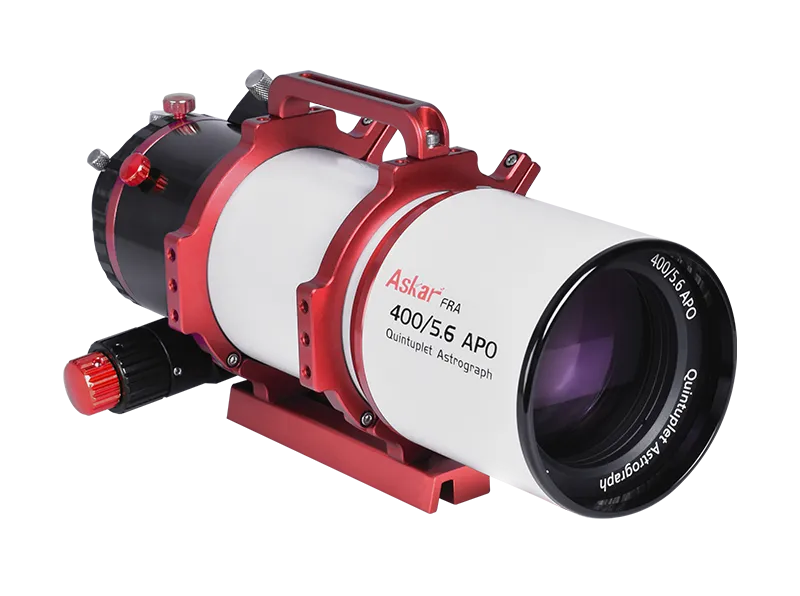
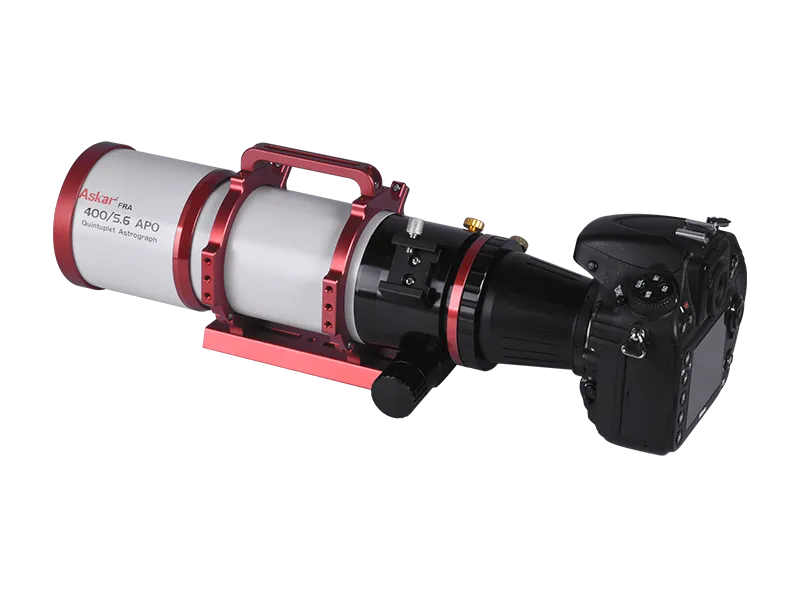
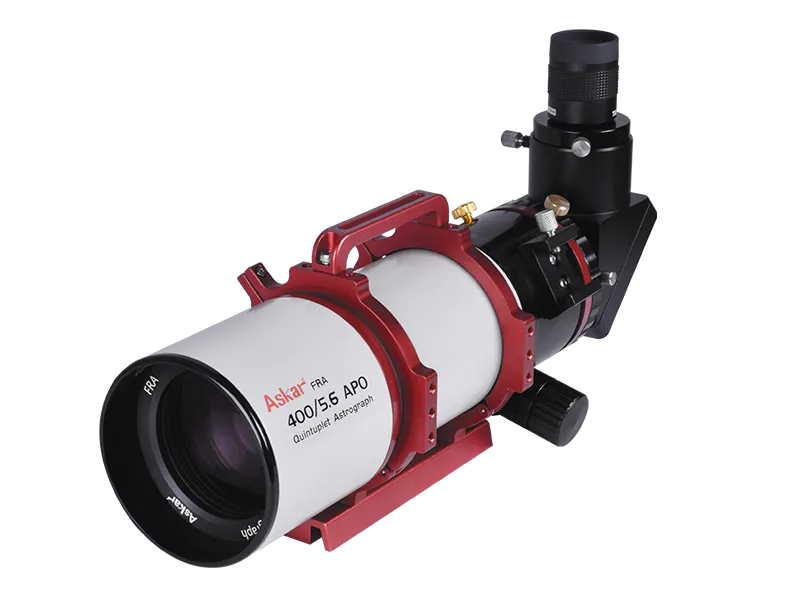


- Description
Product Overview
The Askar FRA400 is a compact quintuplet astrograph with a 72mm aperture, 400mm focal length, and native f/5.6 focal ratio. It is designed as a flat-field refractor for wide-field deep-sky astrophotography and can also be used for visual observing with suitable accessories.
Who Is This Product Best For?
The FRA400 is best for beginner-to-intermediate imagers who want a portable wide-field refractor, travel astrophotographers, and advanced users looking for a compact full-frame-capable optical tube for nebulae and large deep-sky targets.
Why Choose This Product?
- Quintuplet optical design for flat-field imaging.
- 72mm aperture and 400mm focal length for wide-field targets.
- Native f/5.6 speed with optional reducer support for faster imaging.
- Compact optical tube for travel and portable equatorial mounts.
- Useful for nebulae, star fields, large galaxies, and comet imaging.
Recommended Uses
- Wide-field deep-sky astrophotography.
- Portable imaging rigs.
- Full-frame and APS-C camera setups when correctly configured.
- Visual observing with suitable diagonal and eyepieces.
Compatibility and Accessory Notes
The FRA400 can be used natively at 400mm f/5.6. A dedicated 0.7x reducer is available for users who want a faster and wider f/3.9 configuration. Imaging users should confirm thread adapters, camera spacing, filter placement, and mount payload before setup.
Important Limitations
- Requires a suitable equatorial mount for astrophotography.
- Camera-side adapters and spacers may be required depending on the imaging train.
- The optional reducer is not included.
- Not the best choice for small planetary imaging targets where longer focal length is preferred.
Frequently Asked Questions
Is the FRA400 good for beginners?
Yes. It is a friendly starting point for wide-field imaging, but users should still expect to learn polar alignment, guiding, focusing, and camera spacing.
What is it best used for?
It is best used for wide-field deep-sky astrophotography, especially larger nebulae, star fields, and extended objects.
Is it for visual observing or imaging?
It is primarily an astrograph for imaging, but can also be used visually with suitable accessories.
Does it require additional accessories?
Most imagers will need a camera, adapters, filters if desired, a guide system if needed, and a suitable tracking mount.
Our Recommendation
Ontario Telescope recommends the FRA400 for customers who want a compact flat-field refractor for wide-field deep-sky imaging. Choose a longer focal length telescope for small galaxies, planets, or close-up lunar work.
| Product Type | Flat-field astrograph refractor |
|---|---|
| Aperture | 72mm |
| Focal Length | 400mm |
| Focal Ratio | f/5.6 |
| Optical Design | Quintuplet astrograph |
| Optional Reducer | 0.7x reducer available separately |
| Primary Use | Wide-field deep-sky astrophotography |
You may also like
Recently viewed
Recent Blog Posts
View all
Your Guide Graph Is Lying to You
Read More
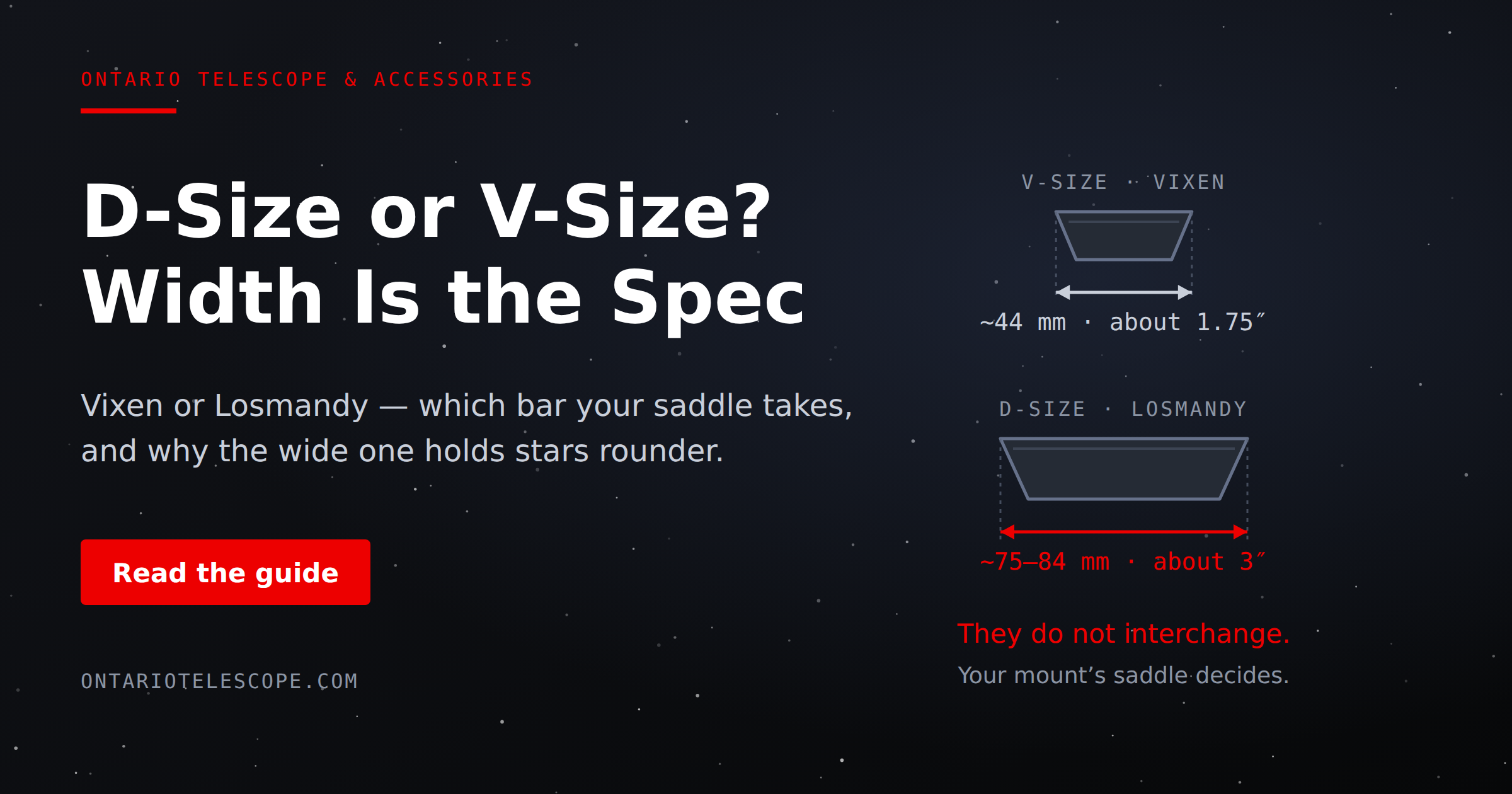
D-Size vs V-Size: A Complete Guide to Telescope Dovetail Systems
Read More
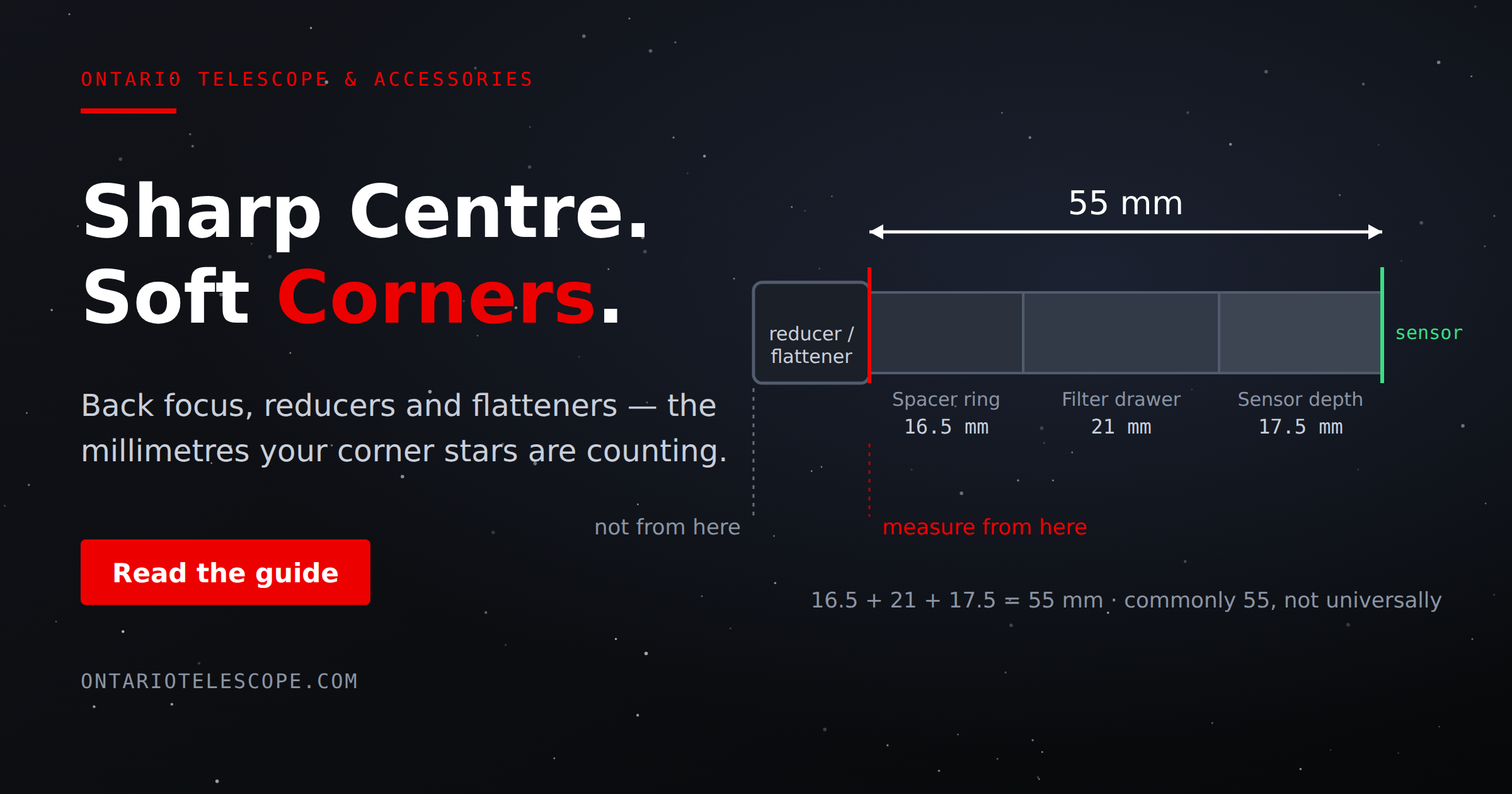
What Is Back Focus in Astrophotography? Telescope Reducers, Flatteners, and Spacing Explained
Read More