


- Description
Overview of QHYCCD Ar III Filter
-
Wavelength & bandwidth
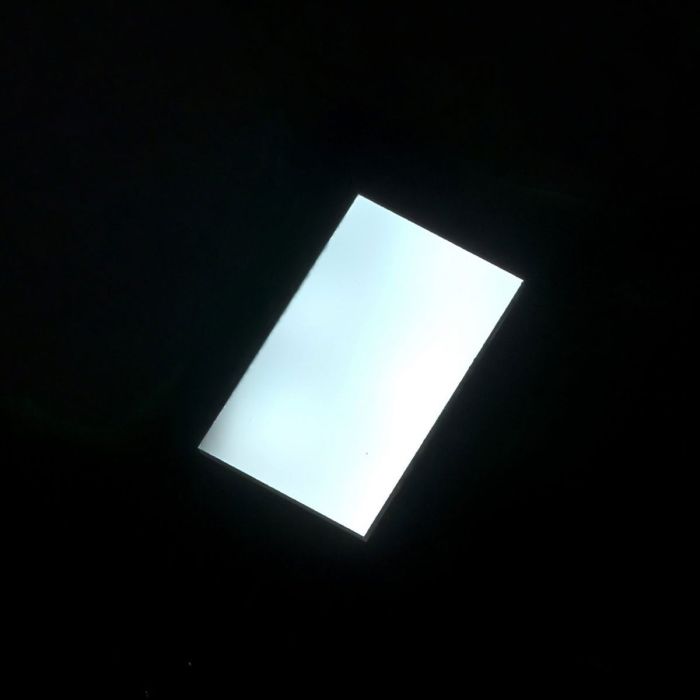
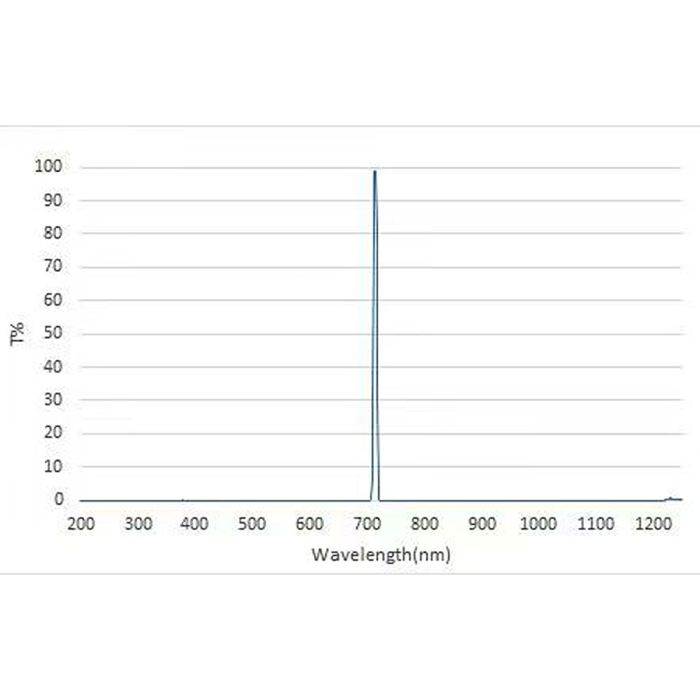
Tuned to the Ar III emission line at 713 nm, with a narrow 7 nm bandpass, ideal for isolating argon emission in planetary and emission nebulae -
Form factor & compatibility
Trimmed to fit the miniCAM8 filter assembly (roughly 19 × 12 × 1.1 mm) – installs in the built‑in 8‑position wheel of the miniCAM8
? In‑Depth Review Video
To see the Ar III filter in action on the miniCAM8, this video review is highly recommended:
✅ Summary: Is It Worth It?
| Feature | Details |
|---|---|
| Targeted narrowband | 7 nm bandwidth centered on 713 nm, optimized for argon emissions |
| Camera integration | Sized to fit miniCAM8’s filter wheel seamlessly |
If you're imaging nebulae with miniCAM8 and want to capture argon emission (to complement Ha, OIII, and SII), this filter is a smart, cost-effective choice.
You may also like
Recently viewed
Recent Blog Posts
View all
Your Guide Graph Is Lying to You
You drove ninety minutes to dark sky, PHD2 held 0.4 arcseconds all night, and half your subs still have eggs for stars. Here are the three things your
Read More
Read More

D-Size vs V-Size: A Complete Guide to Telescope Dovetail Systems
What's the difference between D-size and V-size telescope dovetails? Here's everything you need to know.
Read More
Read More

What Is Back Focus in Astrophotography? Telescope Reducers, Flatteners, and Spacing Explained
What Is Back Focus in Astrophotography? Telescope Reducers, Flatteners, and Spacing Explained
Back focus is one of those astrophotography terms that c
Read More
Read More