


- Description
Overview
- A piggyback ride for your camera! Let your telescope do the driving while your camera takes beautiful wide-angle images of the sky.
- Use your own camera lenses to take photographs of the Milky Way, nebulae, the Moon, and more.
- Attaches easily to the top rear of any SCT in minutes.
Description
A piggyback bracket is a simple astronomical accessory that can help you produce stunning photographs of the night sky. It allows you to attach a DSLR camera and lens to any Celestron SCT optical tube assembly and take advantage of the fact that your telescope has a dual-axis motor drive. When your telescope is running with the camera attached, you can take longer exposures without star trails, and capture details in objects that would have been impossible had your camera been attached to a photographic tripod or a telescope without a drive system.
Experiment with different camera lenses and subjects. Some photographers love to capture comets with a relatively long, fast lens, and the Milky Way, as well as a myriad combination of terrestrial and celestial scenes, are yours for the taking when you own a Celestron SCT, a piggyback mount, a DSLR camera, and a couple of lenses.
You may also like
Recently viewed
Recent Blog Posts
View all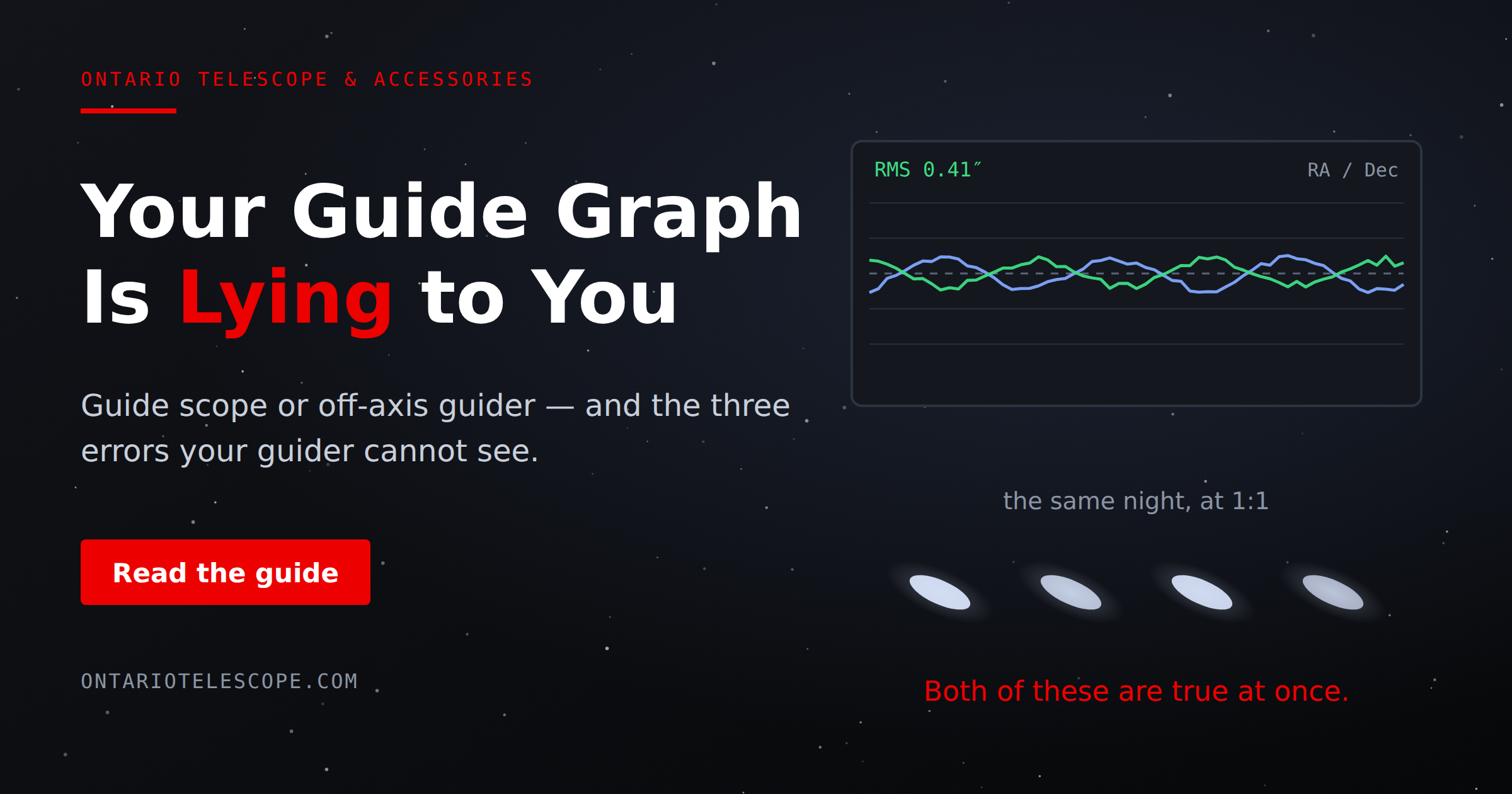
Your Guide Graph Is Lying to You
Read More
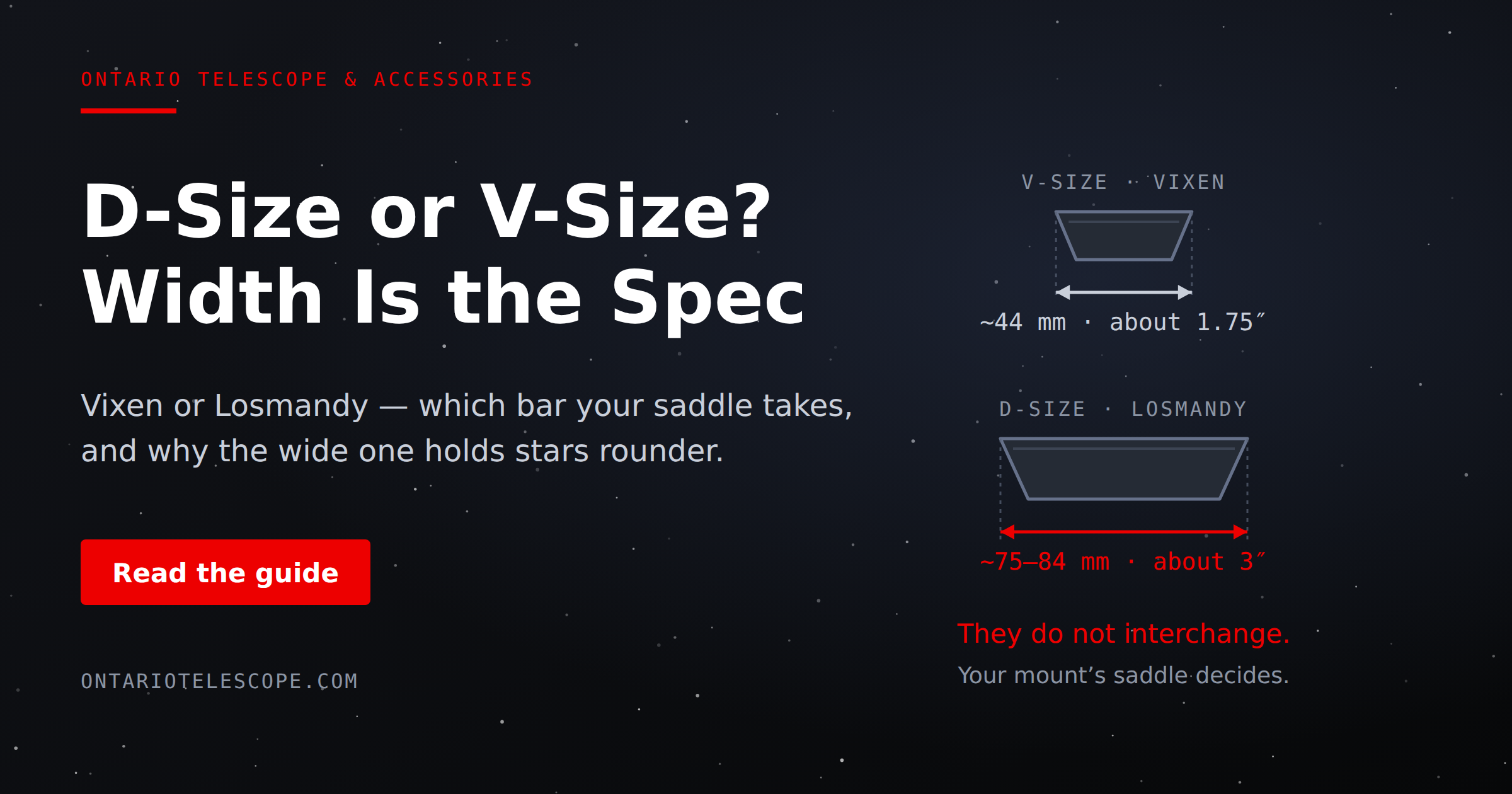
D-Size vs V-Size: A Complete Guide to Telescope Dovetail Systems
Read More
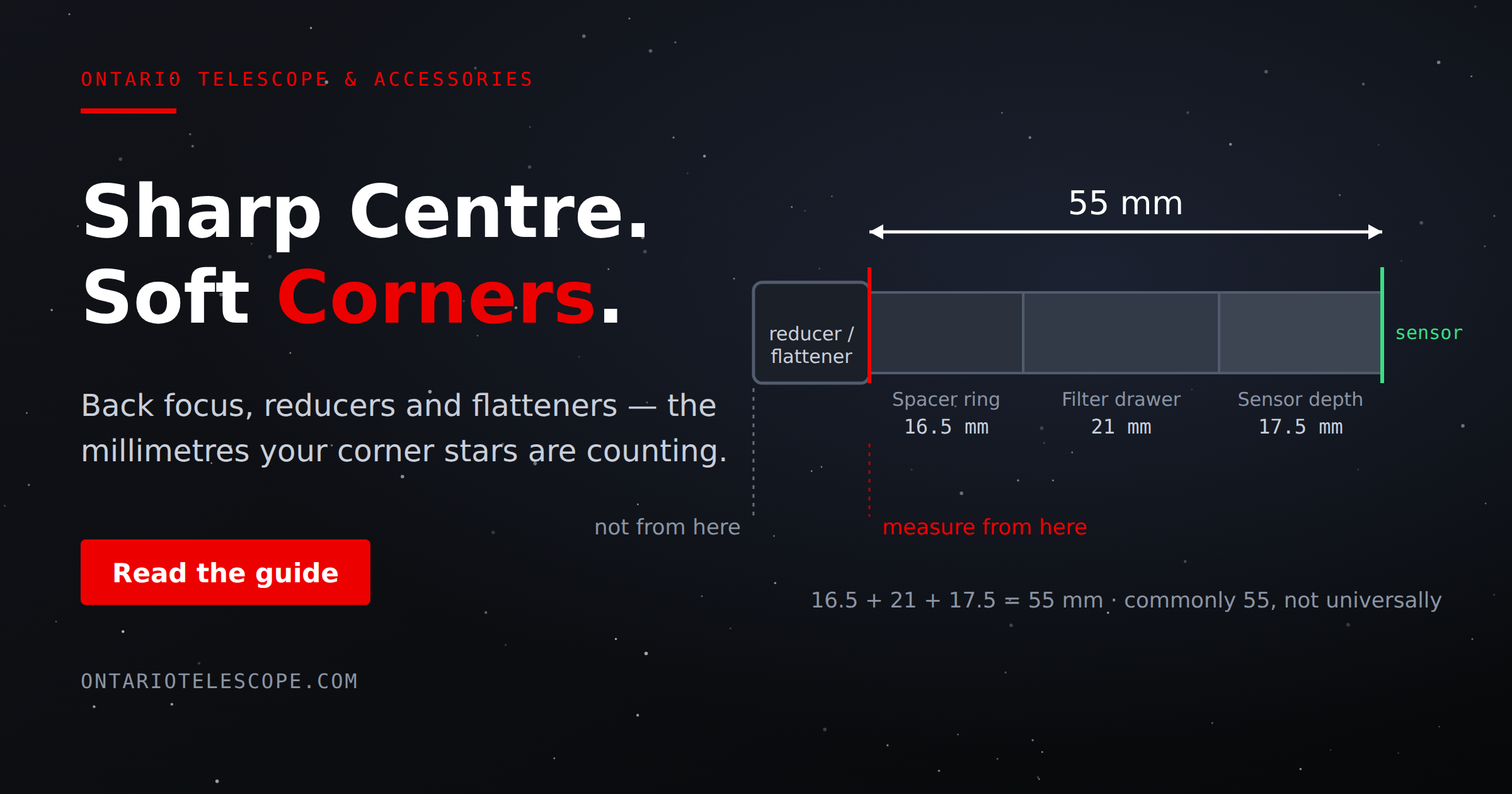
What Is Back Focus in Astrophotography? Telescope Reducers, Flatteners, and Spacing Explained
Read More