


- Description
- Specifications
Product Overview
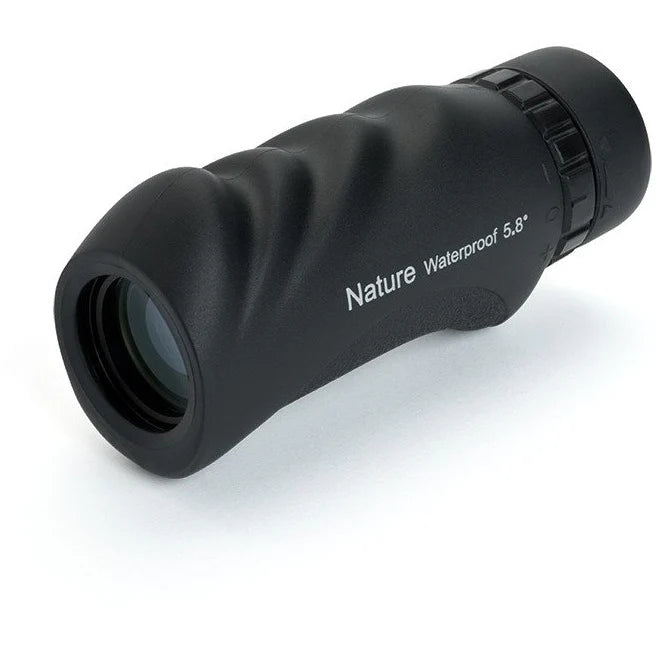
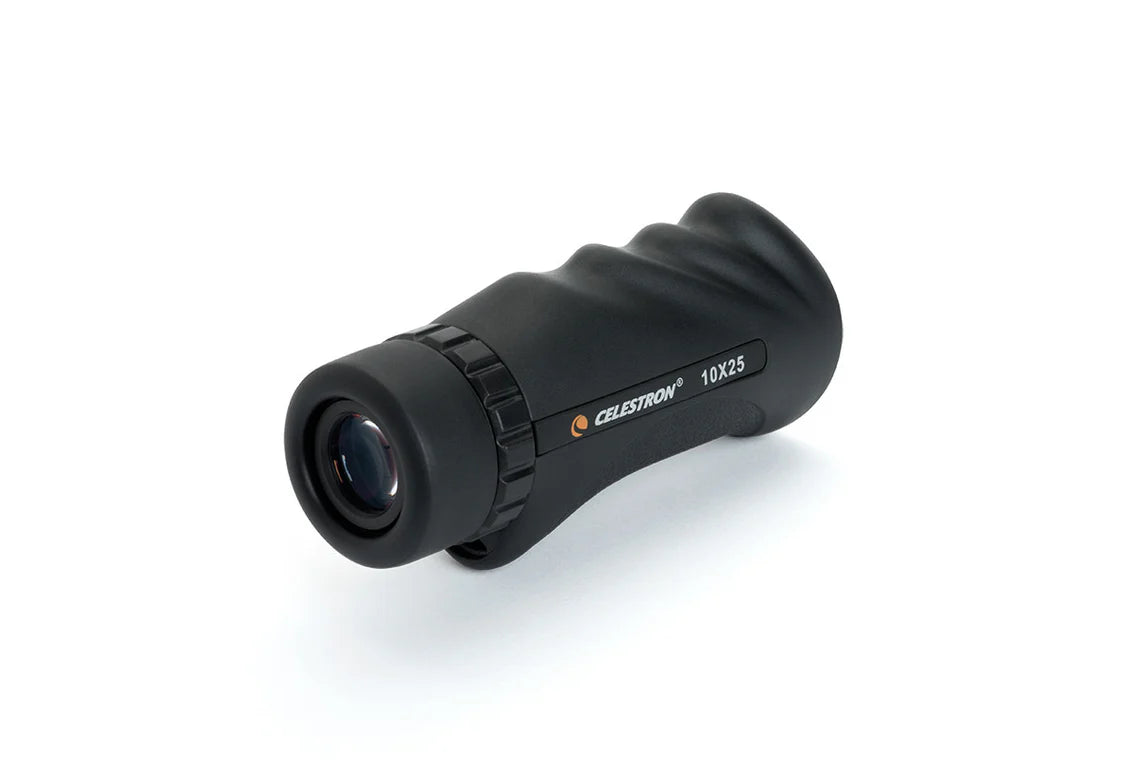
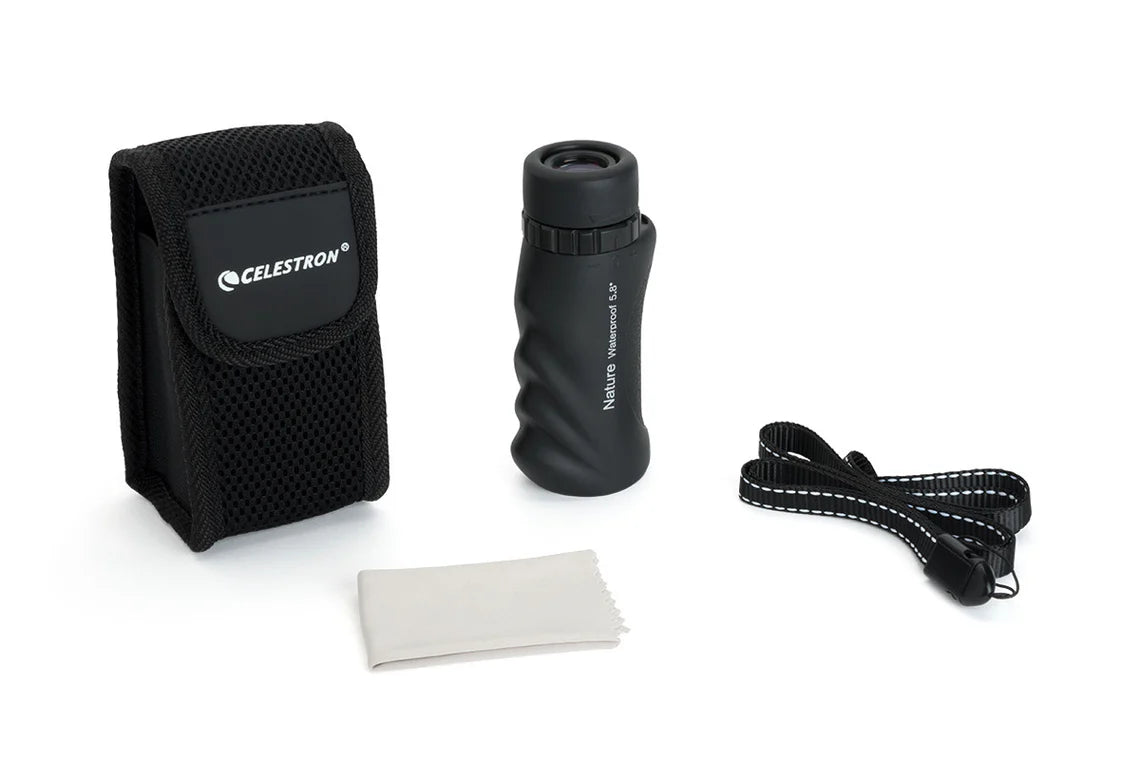
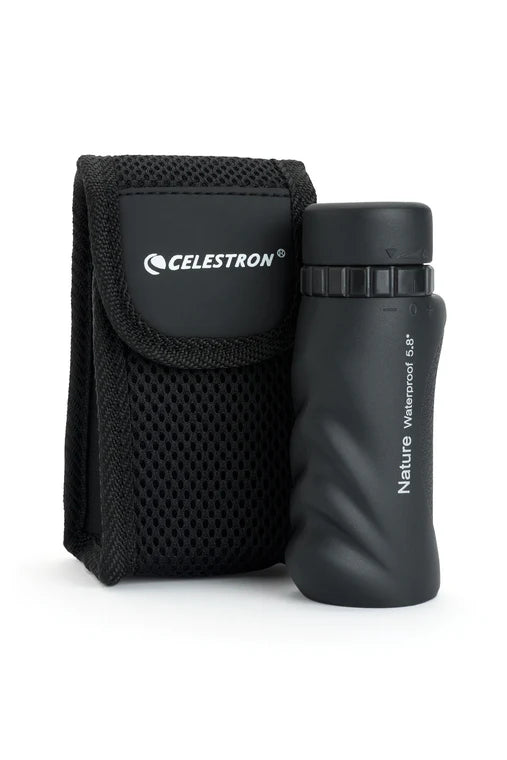
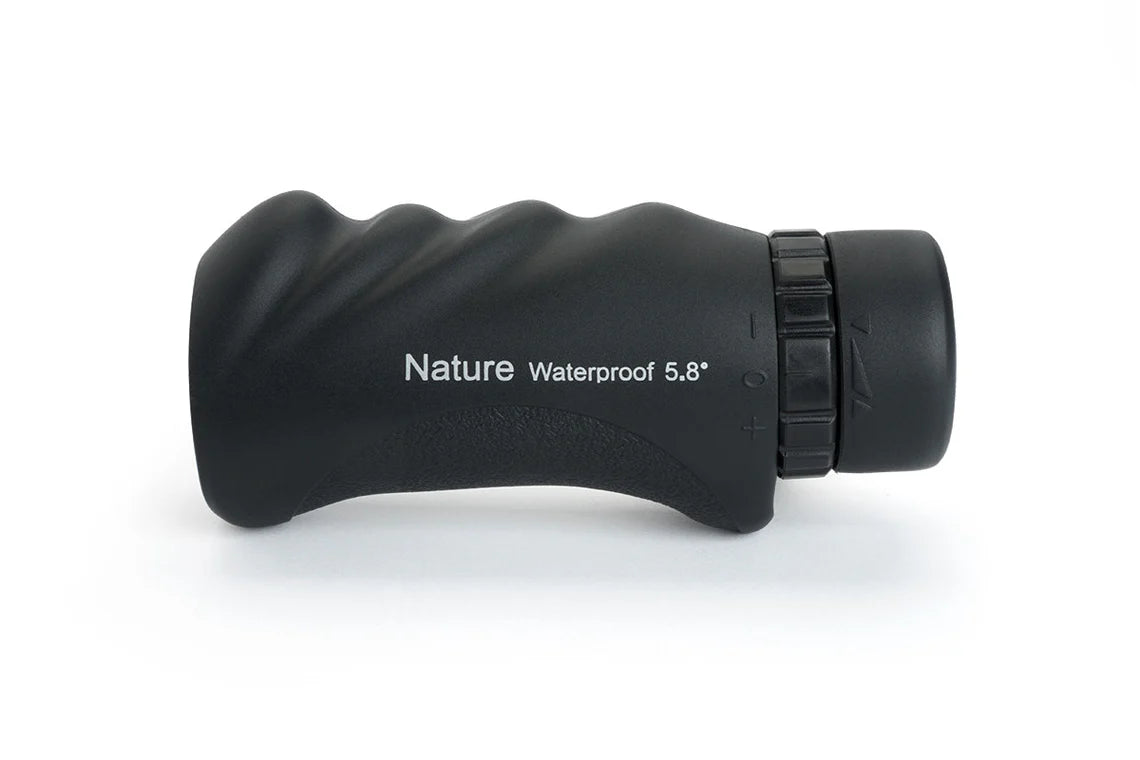
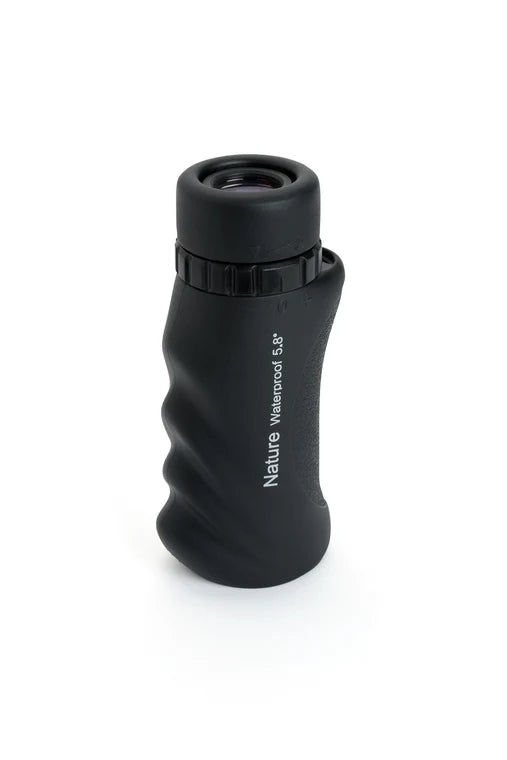
The Celestron Nature 10x25mm Monocular is a compact handheld optic for travel, hiking, wildlife viewing, and everyday outdoor observation. It uses 10x magnification in a small 25 mm monocular format with multi-coated optics, a rubber-covered body, and waterproof/fogproof construction.
Who Is This Product Best For?
Best for customers who want a lightweight single-eye optic that is easier to carry than full-size binoculars.
Why Choose This Monocular?
- Compact size: Easy to keep in a pocket, bag, or glove box.
- 10x magnification: Useful reach for travel and outdoor viewing.
- Weather protection: Waterproof and fogproof construction supports field use.
- Multi-coated optics: Helps improve brightness and contrast.
Recommended Uses
- Travel
- Hiking
- Birding and wildlife spotting
- Sports and events
- General outdoor observation
Compatibility and Accessory Notes
This is a handheld monocular. It is intended for quick, portable observation rather than tripod-mounted astronomy use.
Important Limitations
- Single-eye viewing: More compact than binoculars but not as immersive for long sessions.
- Small objective lens: Best for daytime and moderate-light use.
Frequently Asked Questions
Is this waterproof?
Yes. Celestron lists the Nature monocular as waterproof and fogproof.
Is it good for astronomy?
It can show the Moon and bright objects, but it is mainly a compact daytime outdoor optic.
Our Recommendation
Ontario Telescope recommends the Nature 10x25 monocular for customers who want a compact, simple optic for travel and outdoor use.
| Product Type | Compact monocular |
|---|---|
| SKU | 71210 |
| Magnification | 10x |
| Objective Lens Diameter | 25 mm |
| Optics | Multi-coated |
| Weather Protection | Waterproof and fogproof |
You may also like
Recently viewed
Recent Blog Posts
View all
Your Guide Graph Is Lying to You
Read More

D-Size vs V-Size: A Complete Guide to Telescope Dovetail Systems
Read More

What Is Back Focus in Astrophotography? Telescope Reducers, Flatteners, and Spacing Explained
Read More