
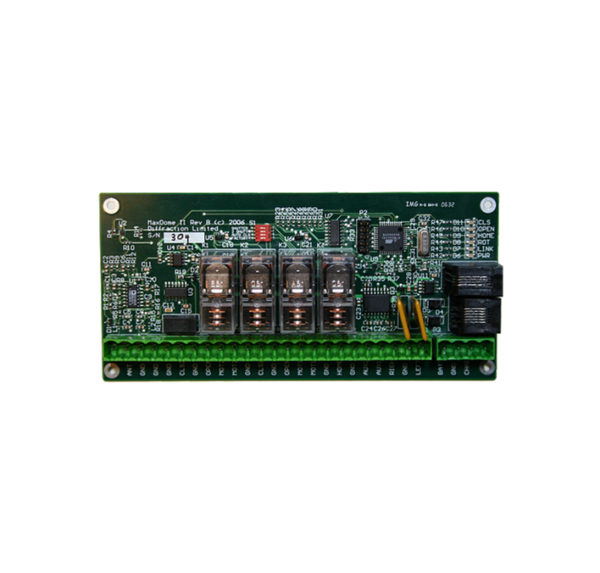

- Description
The MaxDome II observatory control system is used in over a thousand observatories worldwide.
The MaxDome II dome controller provides flexible, fully integrated observatory dome control.
Features include:
- ASCOM-Standard dome and telescope interfaces
- Support for AutomadomeSlave dome rotation to your telescope
- Rotation-only and full shutter-and-rotation systems available
- Single or dual shutter operation, with sequencing
- Wireless shutter control – no unreliable sliding contacts
- Direct confirmation of shutter open/closed state
- Safety interlocks automatically close dome upon loss of data from PC
- Park-before-close option to avoid mechanical interferences
- Manual override controls for shutter and rotation control
- Auxiliary auto-close inputs for Boltwood Cloud Sensor or other observatory protection hardware
- Easily adapted to custom or commercial observatory domes
- Directly compatible with Sirius Observatories
- Directly drives 12VDC motors up to 5A. Can operate other motor types through external relays.
- Field-upgradable firmware
A full MaxDome installation includes two identical controller boards. The main board, which controls dome rotation, connects to the controlling PC. A second identical board, riding on the rotating dome and powered by a solar-charged battery (not included), operates the shutters.

A wireless inductive link provides constant communications between the two boards, allowing for full control and status monitoring. This eliminates the need for clumsy and trouble-prone electrical contacts.

MaxDome Block Diagram
Optional MaxDome Charging System
New! The optional MaxDome Charging System eliminates the need for solar charging the shutter battery.
MaxDome II Software/Drivers
MaxDome II Software/Drivers and user manual are distributed on a USB stick included with the product. They are also available by download via the Downloads tab on this page.
You may also like
Recently viewed
Recent Blog Posts
View all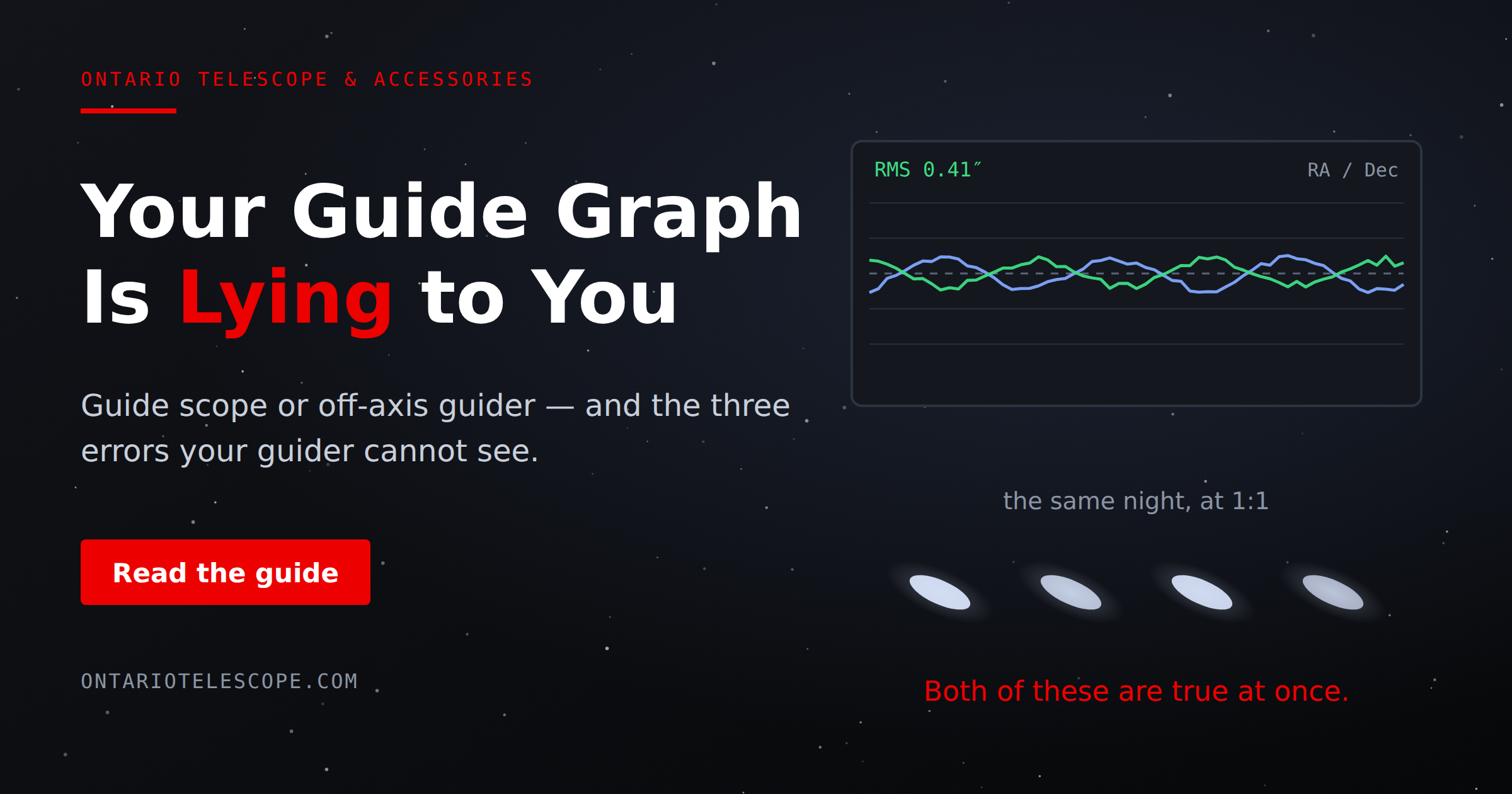
Your Guide Graph Is Lying to You
Read More
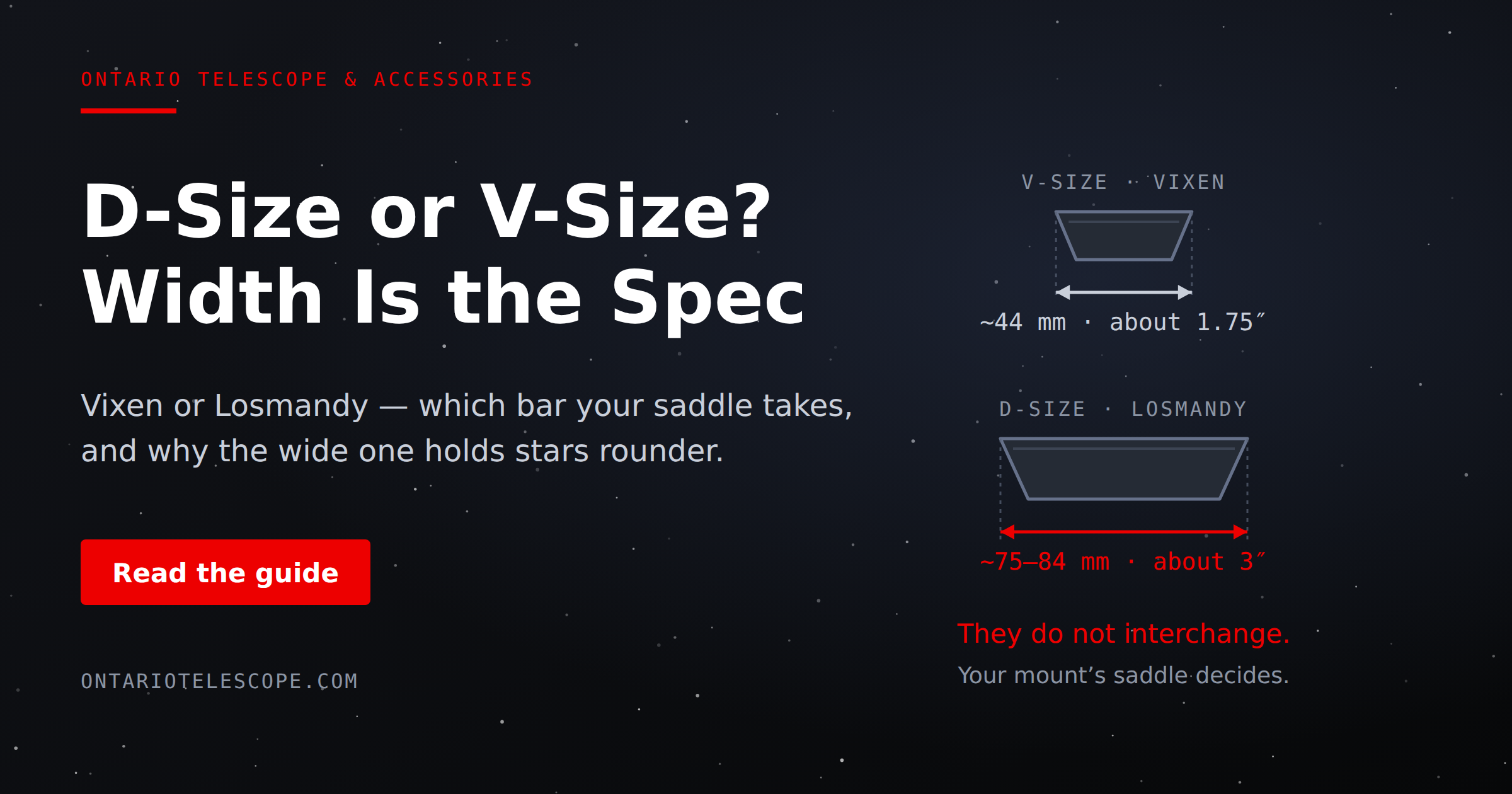
D-Size vs V-Size: A Complete Guide to Telescope Dovetail Systems
Read More
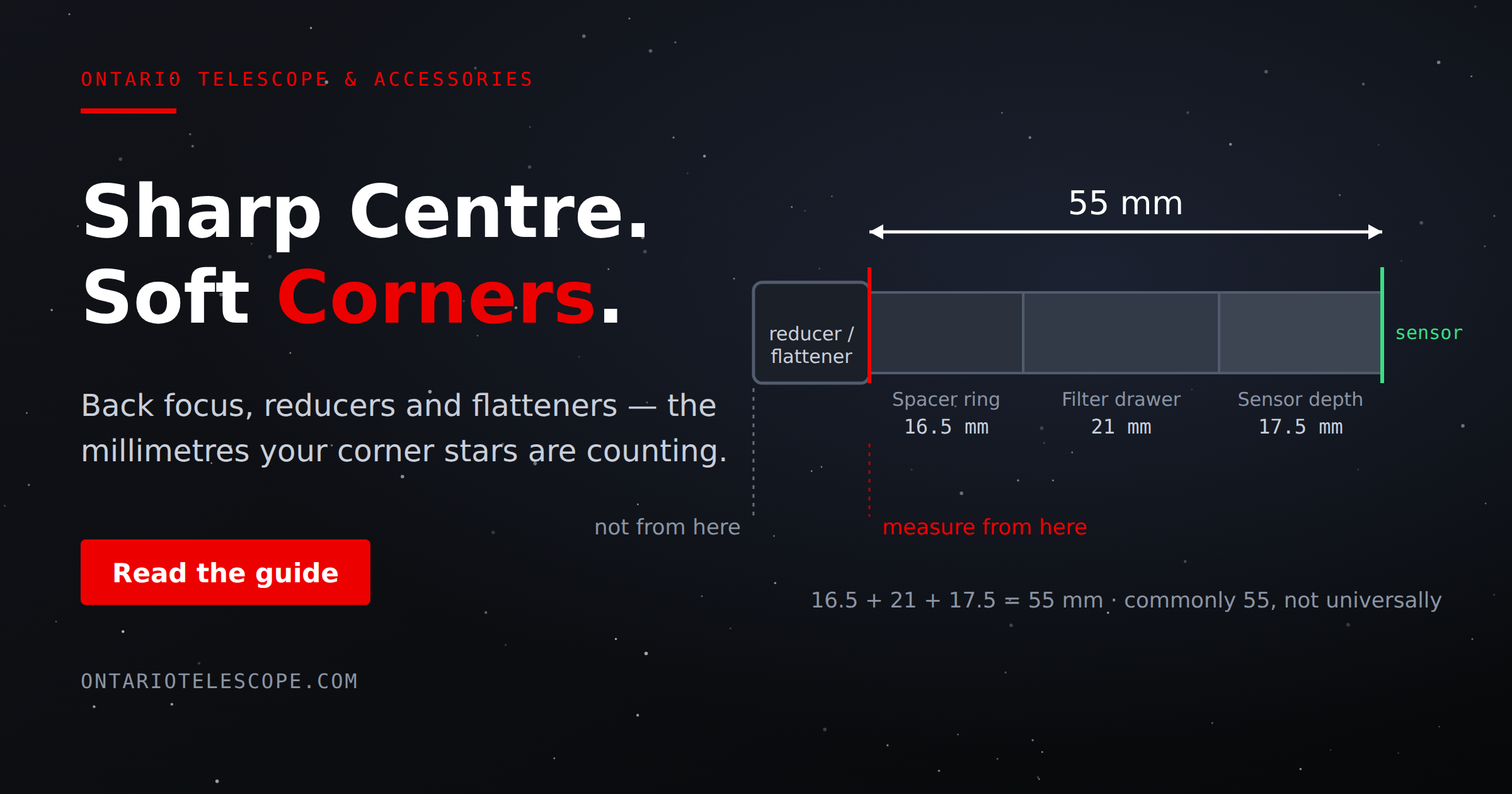
What Is Back Focus in Astrophotography? Telescope Reducers, Flatteners, and Spacing Explained
Read More