


- Description
- Specifications
The QuickSync FT20 motor with built-in clutch mechanism and temperature sensor allows both manual and motorized control with a simple twist of the motor housing.
Designed especially for the FeatherTouch FTF20 series manual focusers, the FT20 can also be used with the FeatherTouch Micro Focuser for SCT's. Simple installation and elegant design with full compatibility to the FocusLynx Control Hub makes QuickSync the very best choice for motorizing a FeatherTouch.
This version requires the external Optec FocusLynx controller. If you would prefer the fully integrated solution consider the ThirdLynx model.
Compatibiltiy
- Material: 6061 aluminum, anodized black with gold knob,
- Length: 6.3" (160mm)
- Width: 3.2" (81.4mm)
- Weight: 6.4 oz (180 g)
- Tools Required: 1/16" and 7/64" hex keys (included)
- Motor Cable: Standard Cat-5e or Cat-6 (6-ft. length included)
- Connection to FocusLynx: Focuser 1 or Focuser 2 port- RJ45 socket
You may also like
Recently viewed
Recent Blog Posts
View all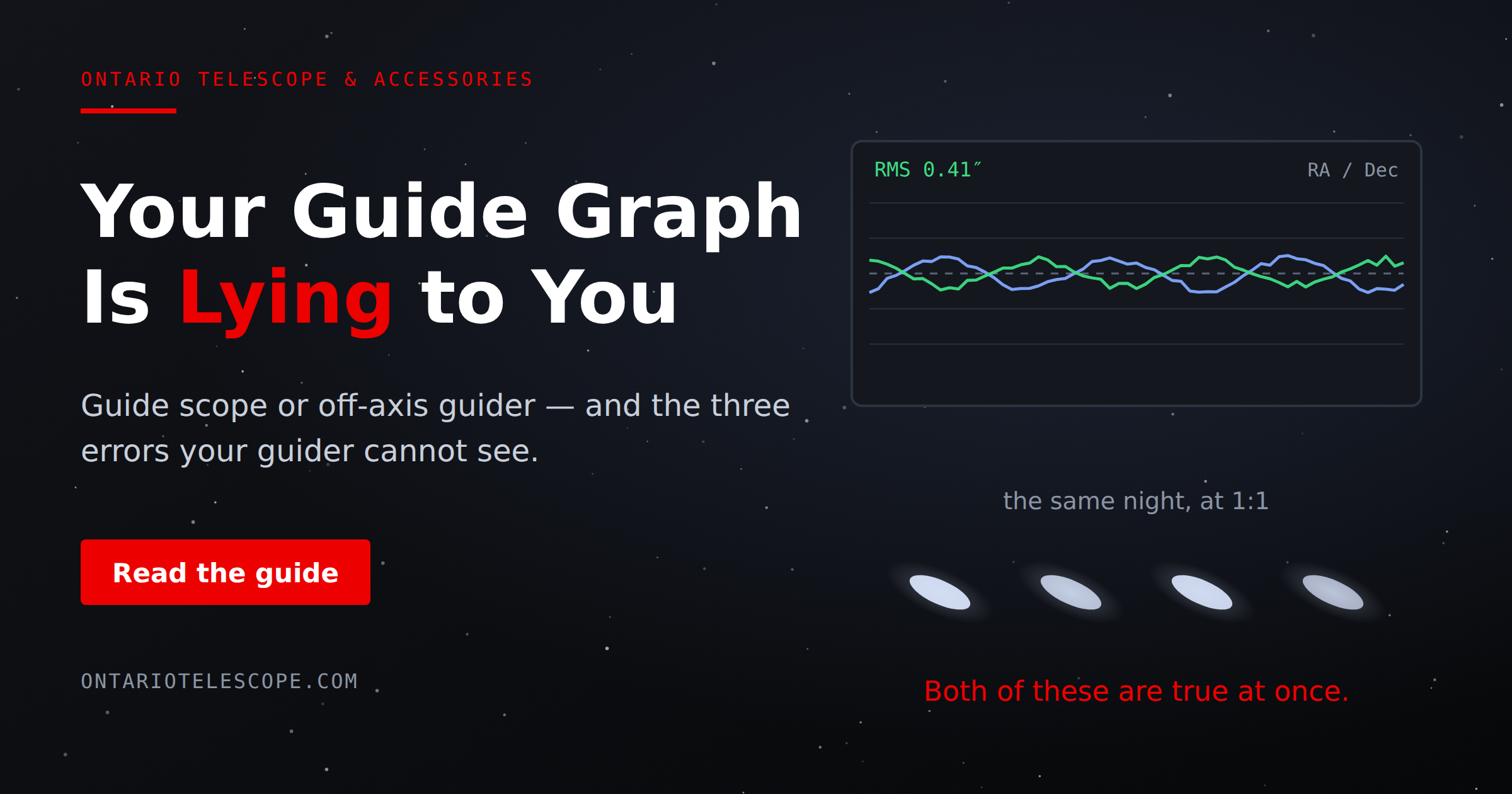
Your Guide Graph Is Lying to You
You drove ninety minutes to dark sky, PHD2 held 0.4 arcseconds all night, and half your subs still have eggs for stars. Here are the three things your
Read More
Read More

D-Size vs V-Size: A Complete Guide to Telescope Dovetail Systems
What's the difference between D-size and V-size telescope dovetails? Here's everything you need to know.
Read More
Read More
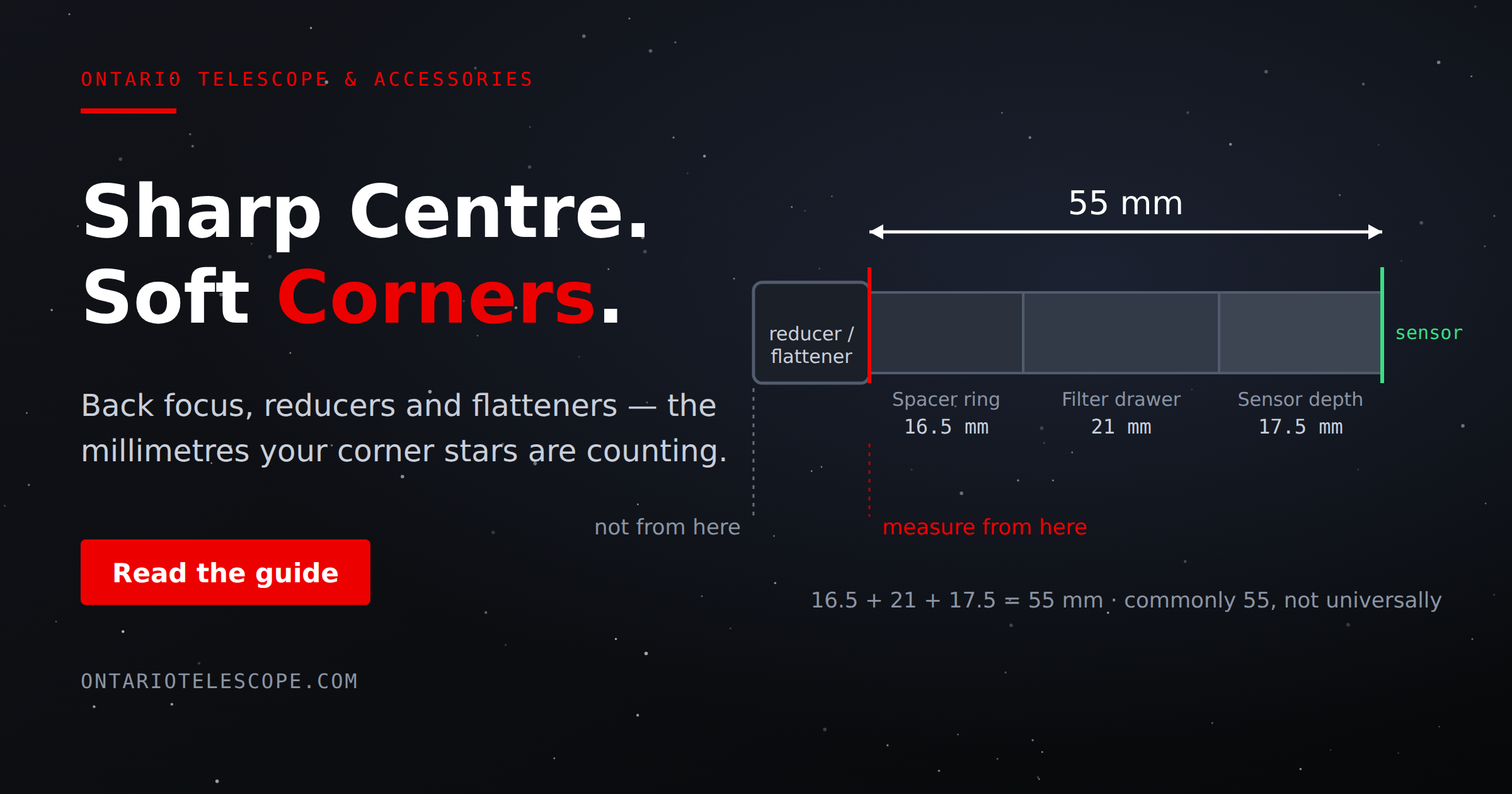
What Is Back Focus in Astrophotography? Telescope Reducers, Flatteners, and Spacing Explained
What Is Back Focus in Astrophotography? Telescope Reducers, Flatteners, and Spacing Explained
Back focus is one of those astrophotography terms that c
Read More
Read More