


- Description
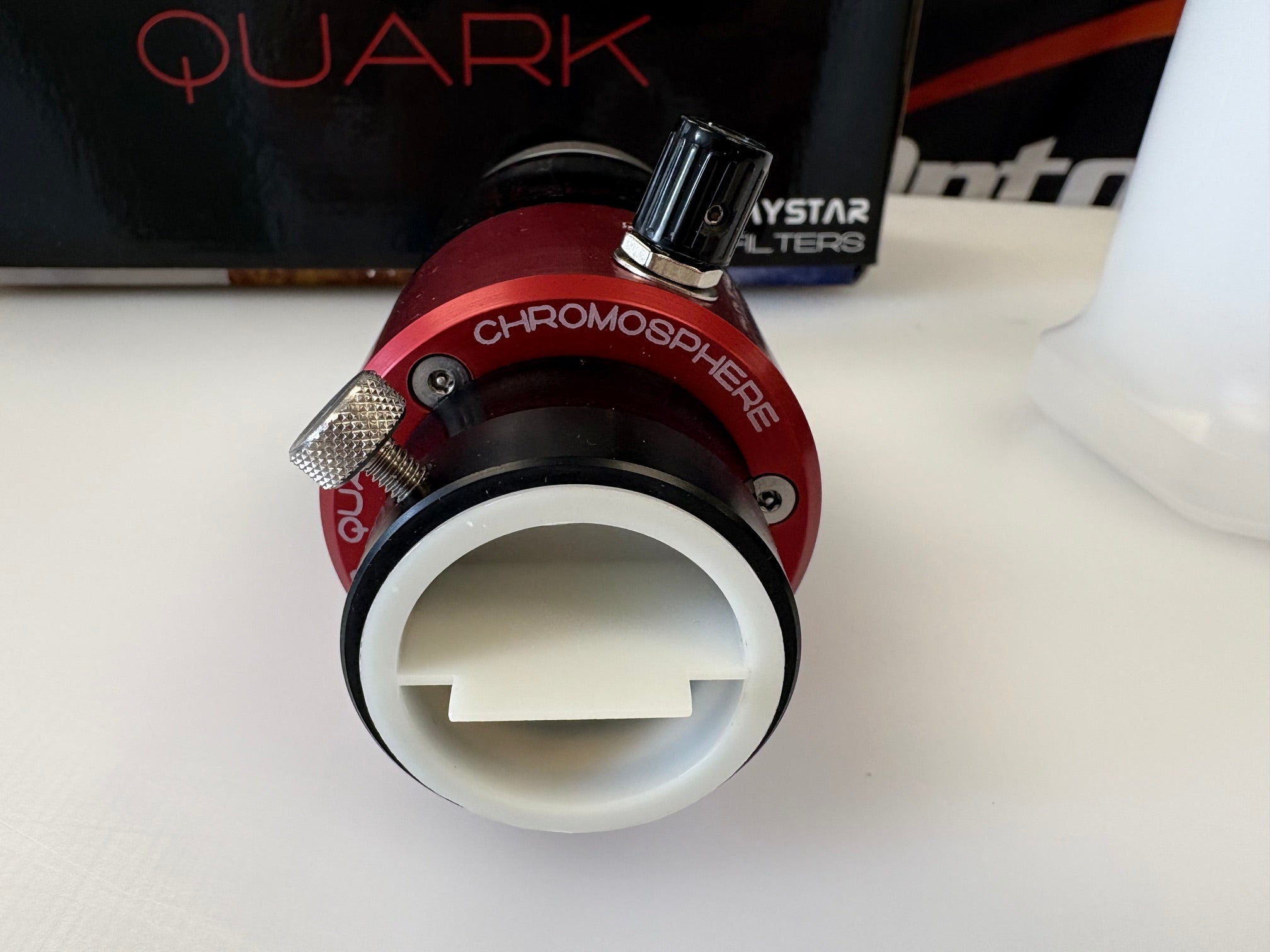
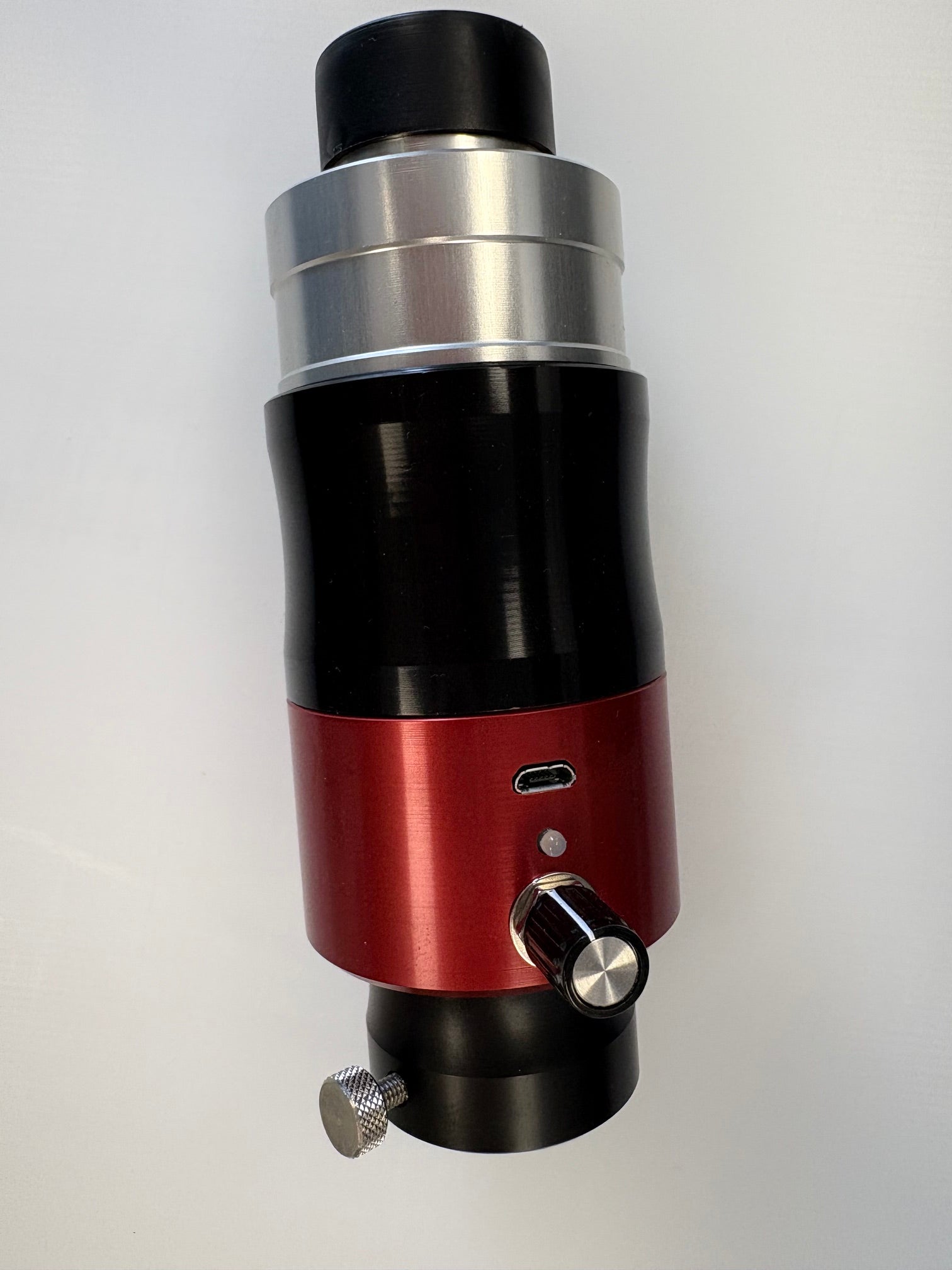
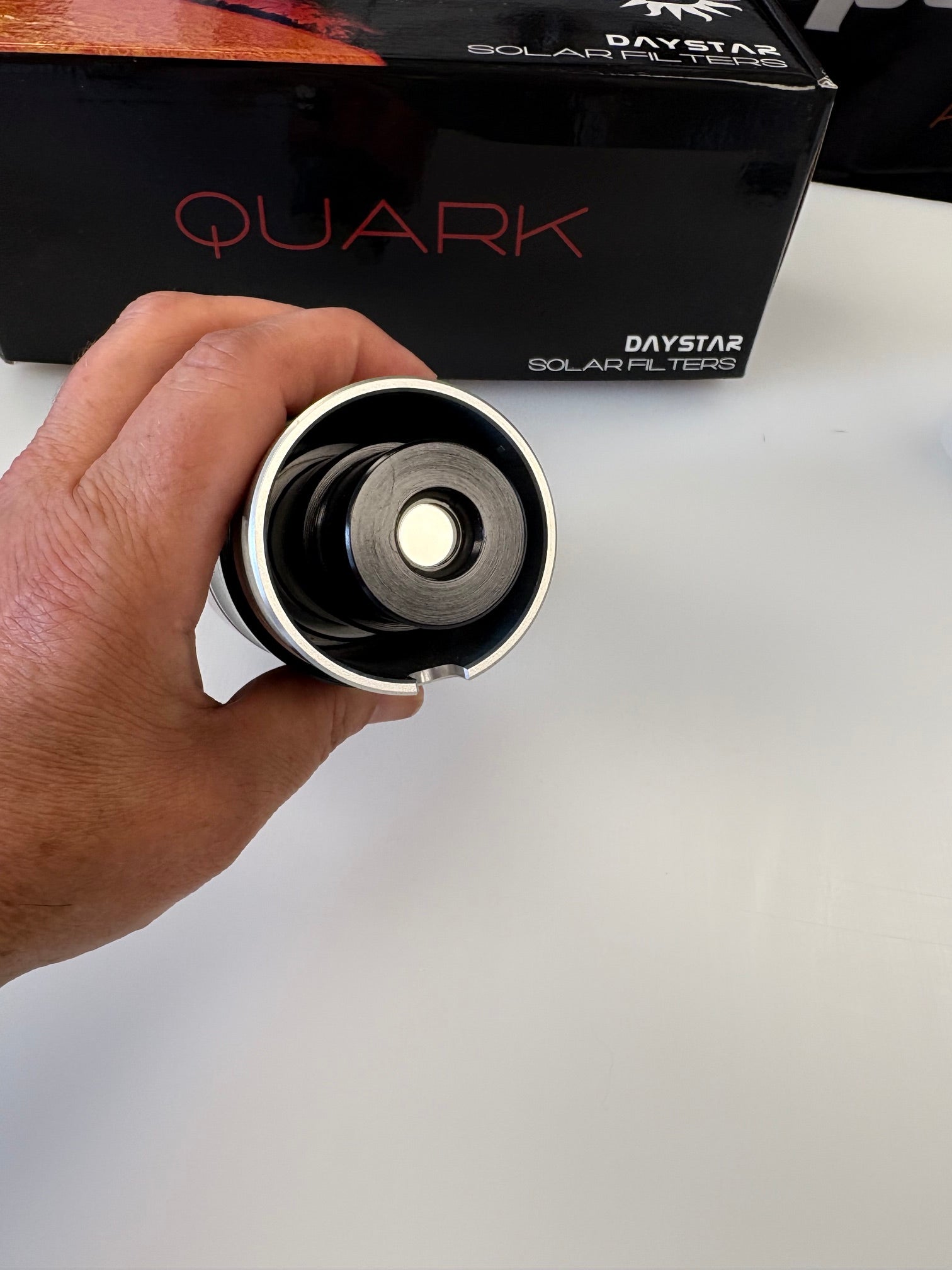
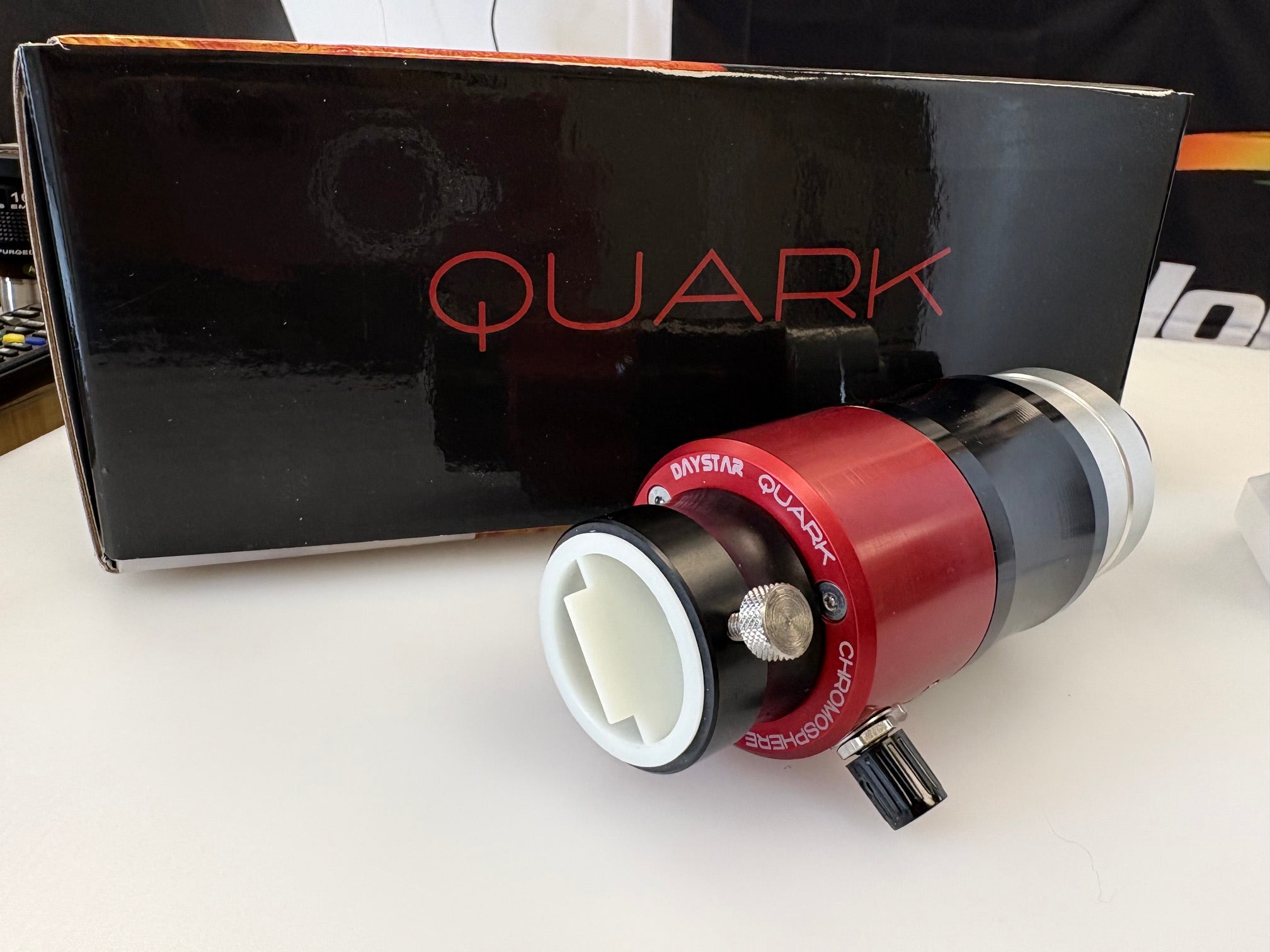
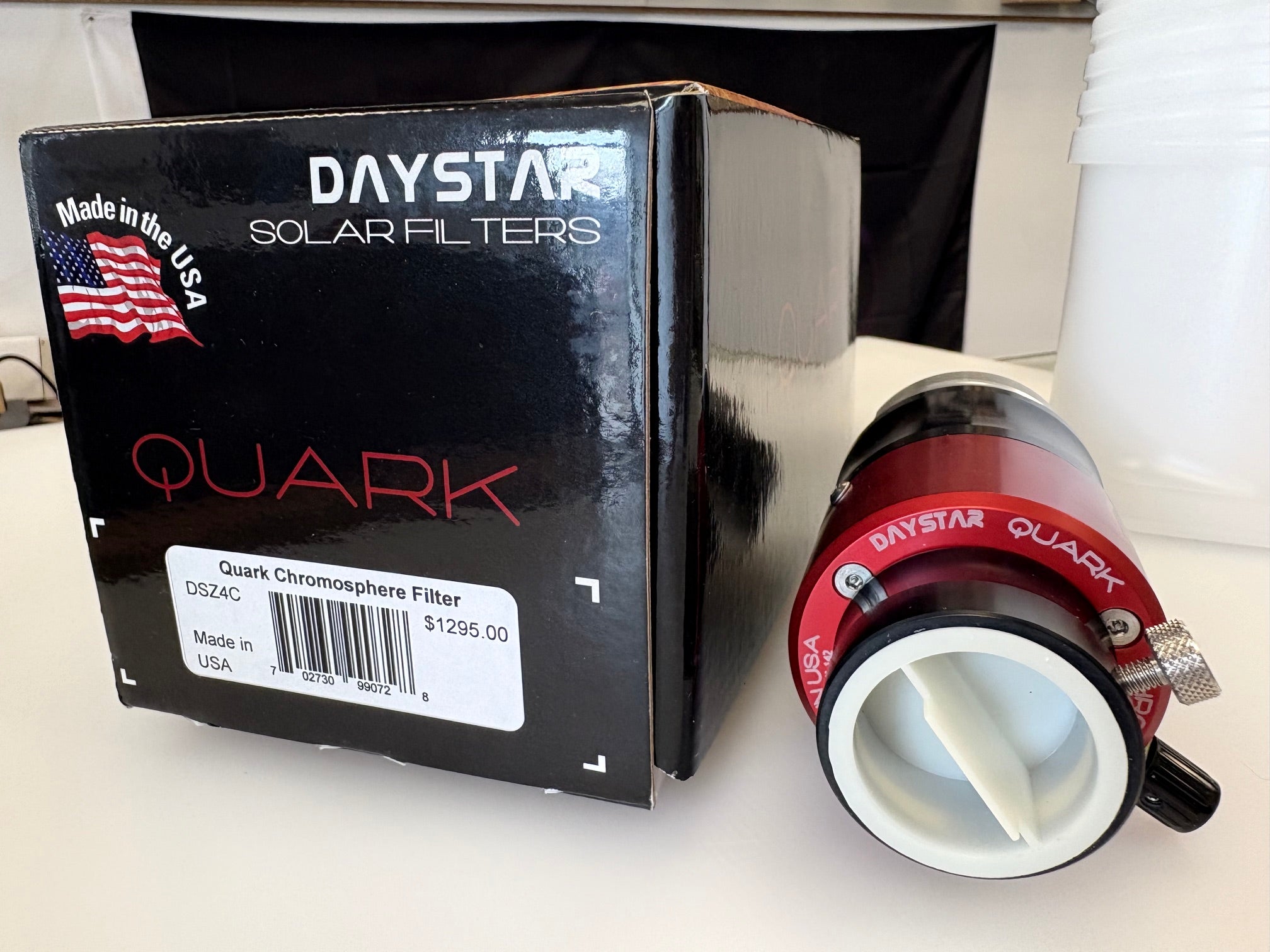
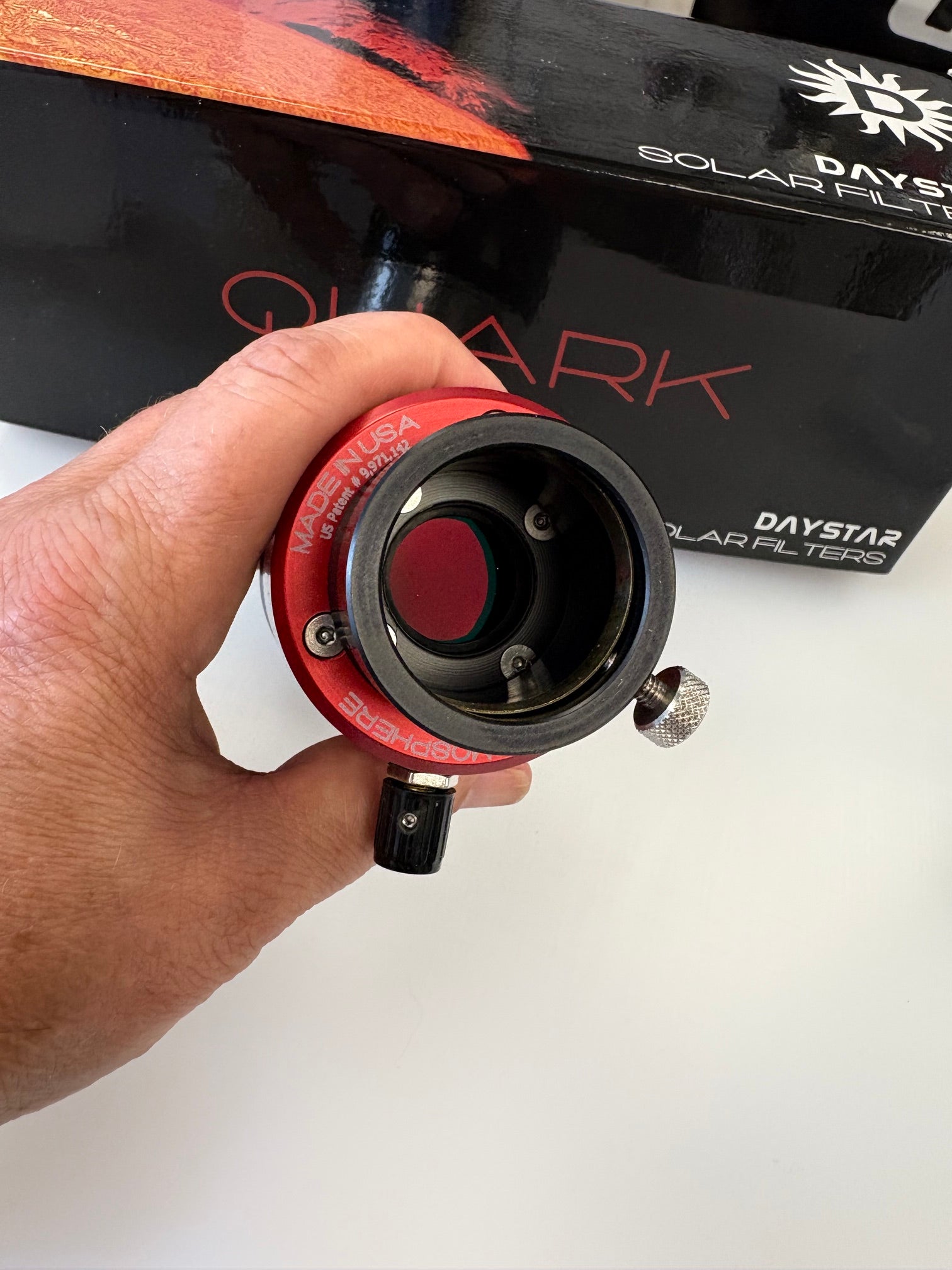
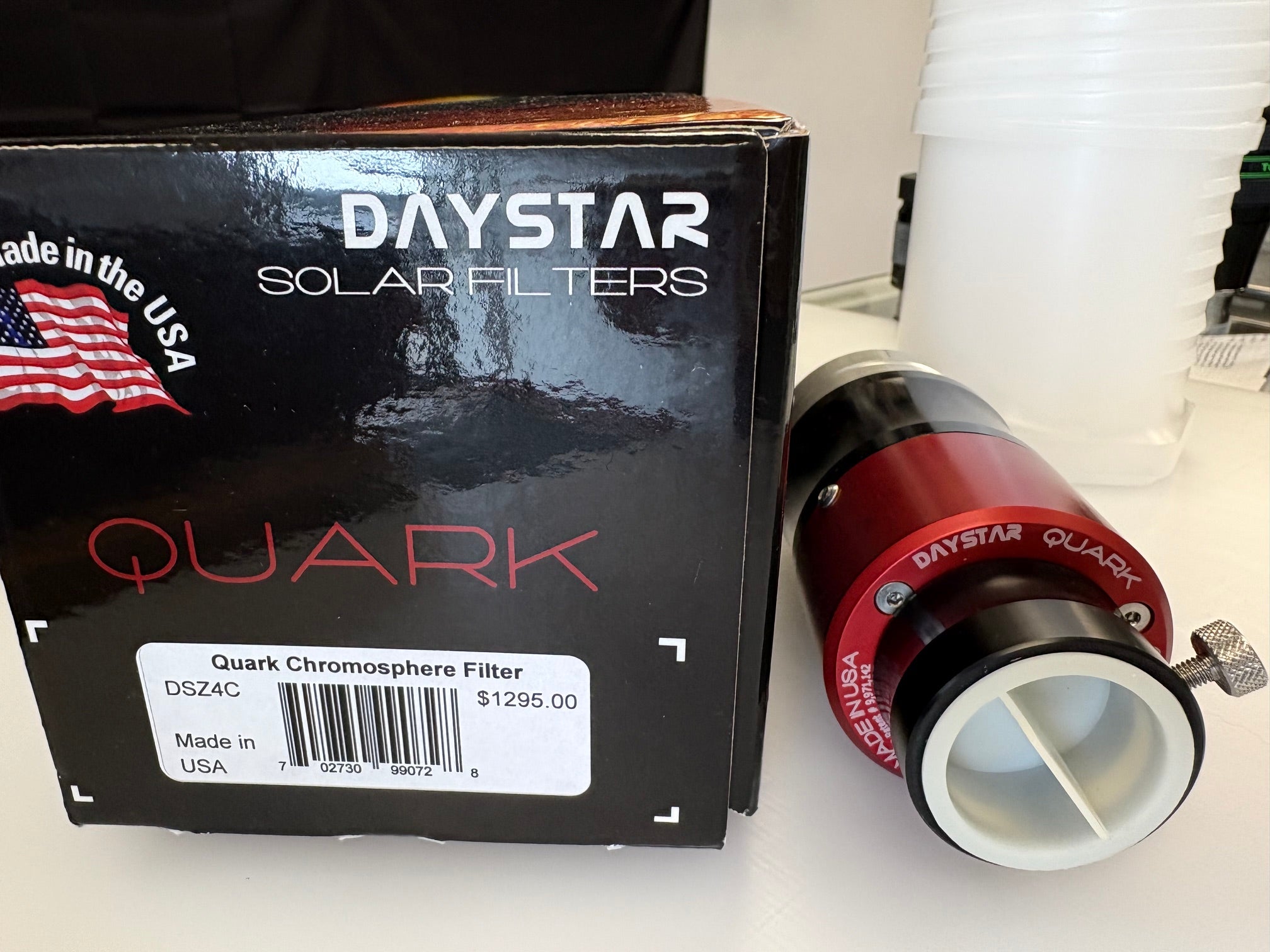
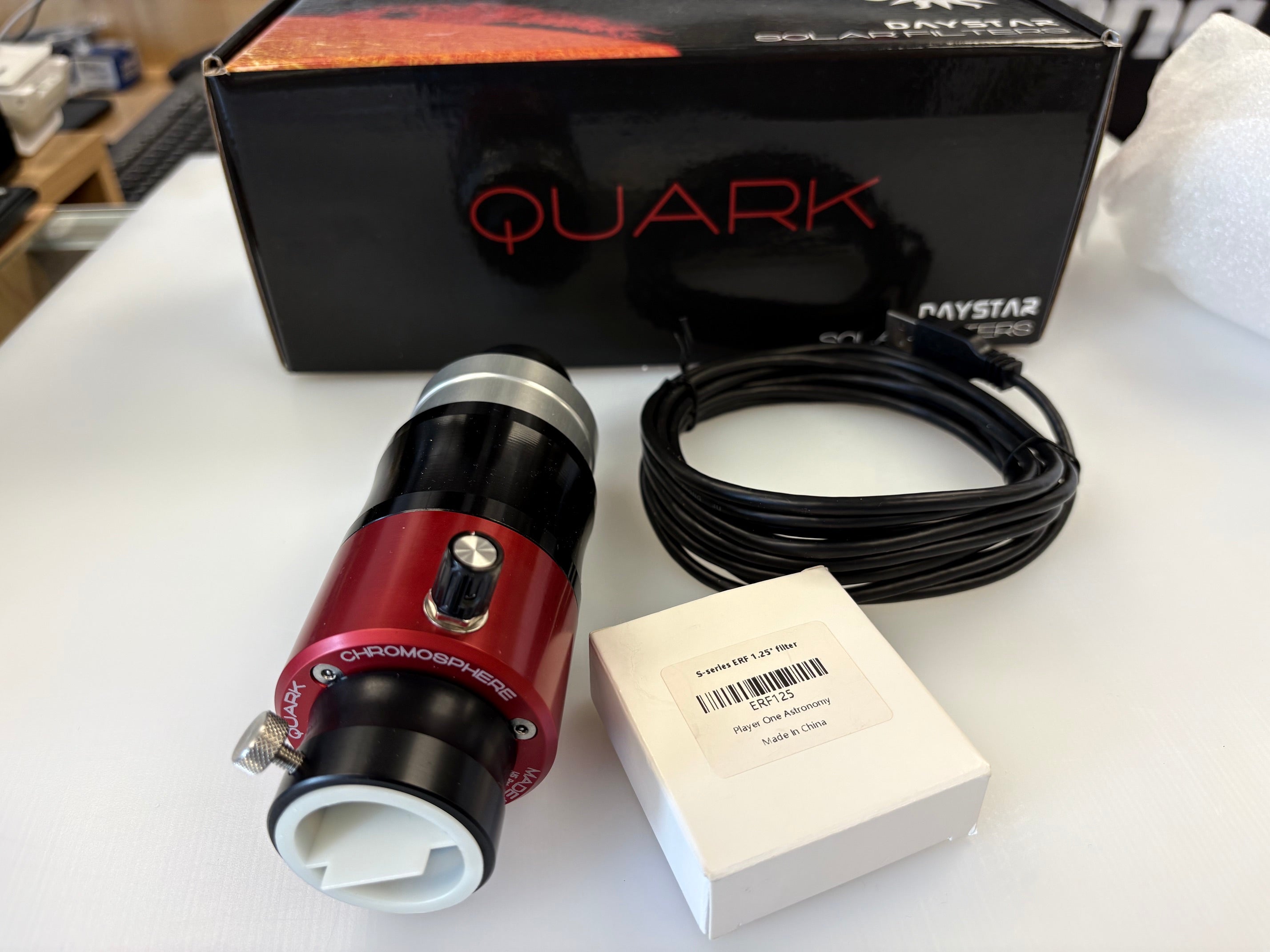
Used – Excellent Condition. A DayStar Quark Chromosphere hydrogen-alpha filter paired with a Player One 1.25" ERF, less than a year old with very little use — it presents essentially as new. This is a complete, ready-to-observe solar setup at a meaningful saving over buying both new.
What's Included
- DayStar Quark Chromosphere H-alpha "eyepiece" filter
- Player One Astronomy ERF 1.25" S-series energy rejection filter
Condition Notes
- Less than a year old with very little use.
- Excellent condition — no cosmetic or optical defects noted.
About the DayStar Quark Chromosphere
The Quark is the filter that made serious hydrogen-alpha solar observing affordable. It's an all-in-one assembly — a custom DayStar 4.2x telecentric Barlow, the adapters and snouts, and a tuneable H-alpha etalon — that drops into the focuser of a standard refractor and turns it into a dedicated solar telescope. The Chromosphere model is the narrower-bandpass version, tuned for surface detail: filaments, plage, active-region structure and the fine mottling across the disc. It works with refractors from f/4 to f/9, and an internal heater lets you tune the bandpass on and off band from the built-in controller.
The Player One ERF included here is the piece people often forget to budget for. It sits ahead of the Quark, passes roughly 97% of visible light while rejecting UV and IR to OD4, and drops the thermal load on the filter — which means more stable images and a longer, happier life for the etalon. Ground from B270 glass to a PV 1/4-wave wavefront, it doesn't cost you sharpness to gain that protection.
Bought new, these two come to $1,893.99. For full specifications, see our new DayStar Quark Chromosphere and Player One ERF 1.25" listings.
Final Sale
This item is sold as a Final Sale. All used equipment sales are final. Please review our Used Equipment Sale Policy before purchasing.
You may also like
Recently viewed
Recent Blog Posts
View all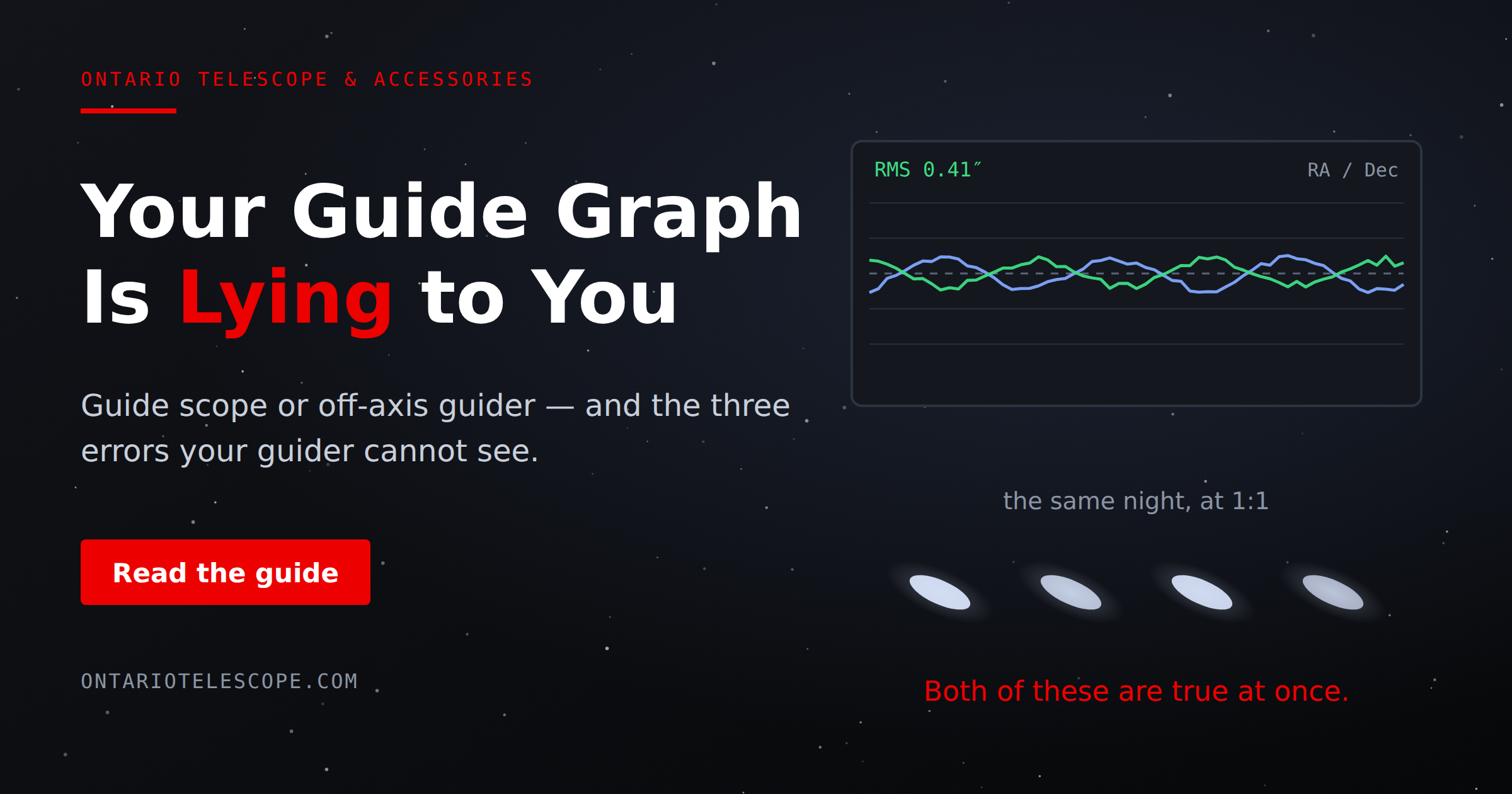
Your Guide Graph Is Lying to You
Read More
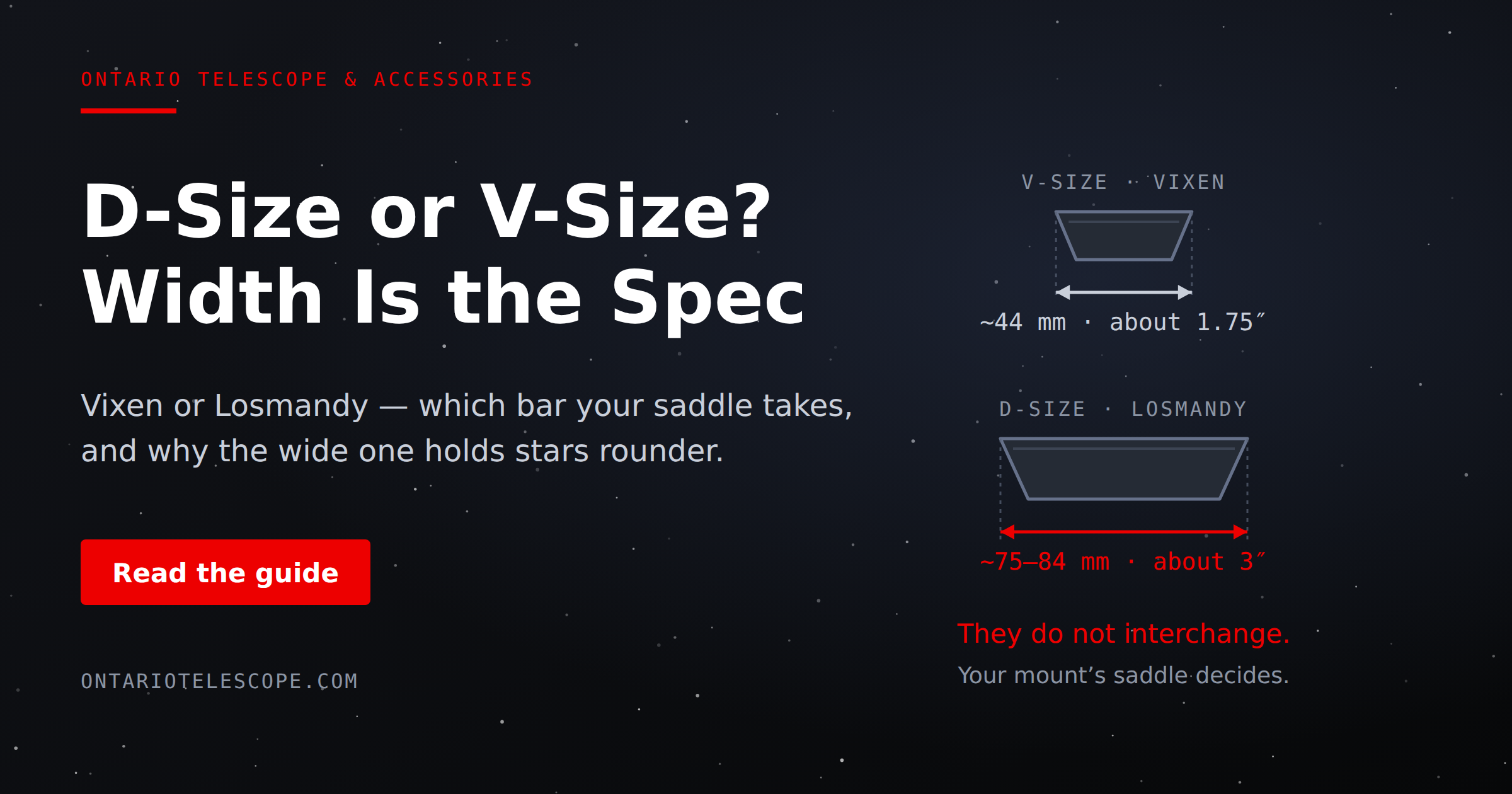
D-Size vs V-Size: A Complete Guide to Telescope Dovetail Systems
Read More
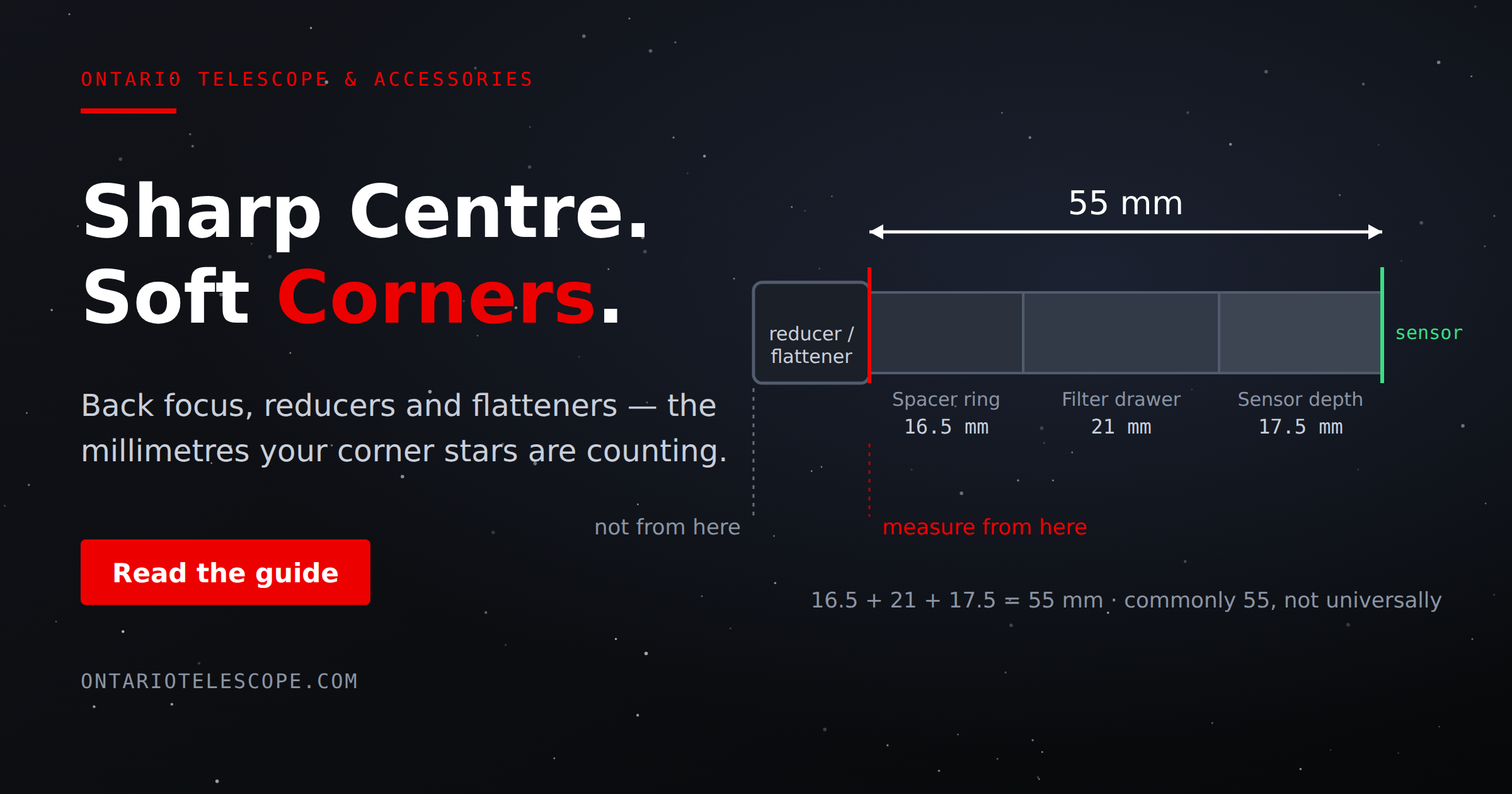
What Is Back Focus in Astrophotography? Telescope Reducers, Flatteners, and Spacing Explained
Read More