

- Description
- Specifications
Product overview
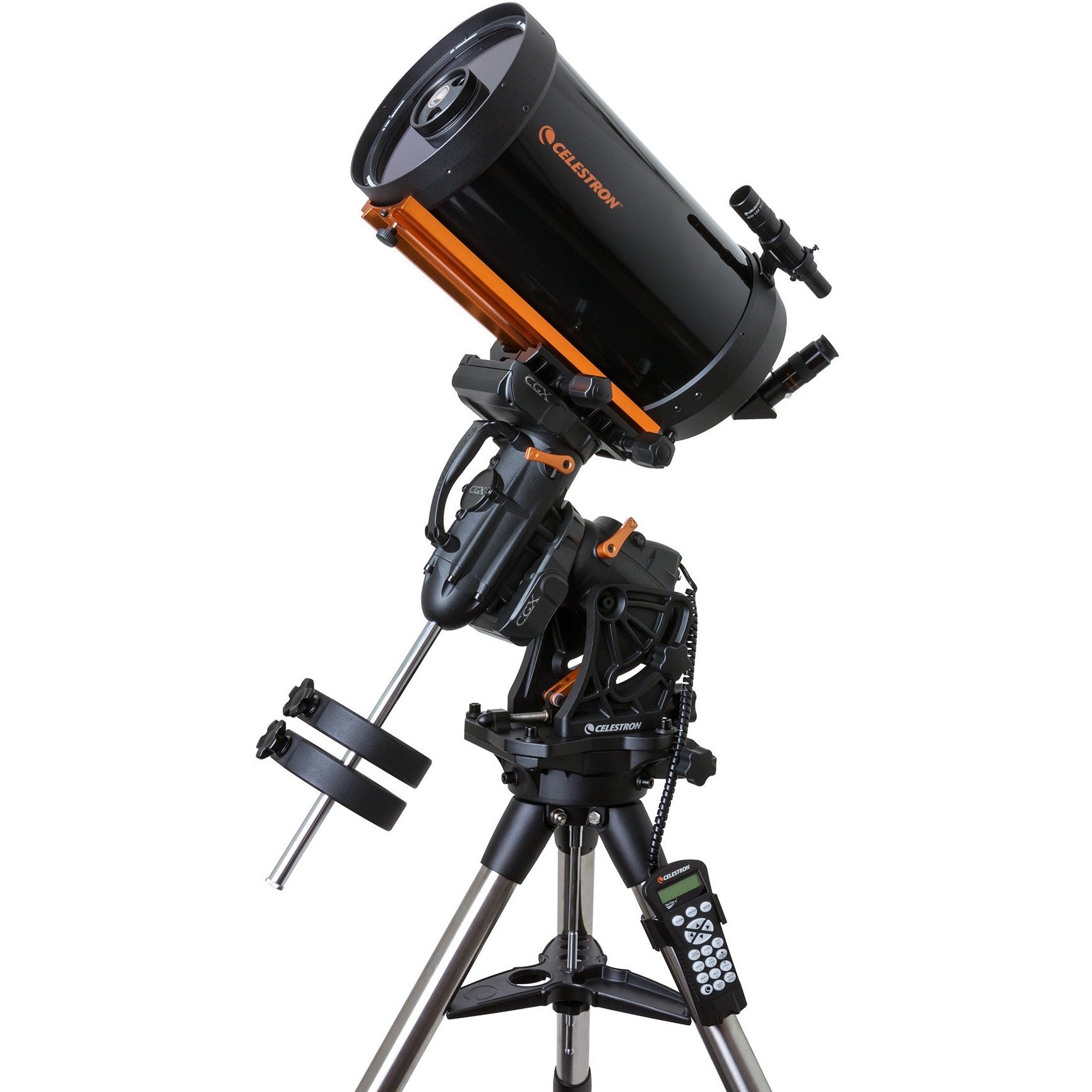
The Celestron CGX Equatorial 925 Schmidt-Cassegrain Telescope combines a 9.25-inch SCT optical tube with Celestron’s CGX computerized German equatorial mount. It is a serious visual and imaging platform for customers who want more aperture than an 8-inch SCT with a stronger mount class than smaller portable systems.
Who Is This Product Best For?
This telescope is best for intermediate to advanced visual observers, lunar and planetary imagers, and astrophotographers who want a stable equatorial platform for a long-focal-length SCT.
Why Choose This Product?
- 9.25-inch Schmidt-Cassegrain optics provide strong light gathering and image scale.
- CGX mount offers a heavier-duty GoTo equatorial platform for imaging and visual use.
- Well suited for planets, the Moon, galaxies, globular clusters, and compact nebulae.
- Compact SCT optical design gives a large aperture without an extremely long tube.
Recommended Uses
- Lunar and planetary observing
- Planetary imaging
- Deep-sky observing
- Small-target astrophotography
- Semi-permanent backyard imaging setups
Compatibility and Accessory Notes
For imaging, use a compatible camera, SCT adapters, guiding equipment, stable power, and correct balance. A reducer can help widen the field and shorten exposure requirements.
Important Limitations
This is a long focal length system and is not the easiest choice for beginner wide-field astrophotography. The mount and optical tube are substantial and require careful setup.
Frequently Asked Questions
Is this good for beginners?
It is better for intermediate or advanced users.
What is it best used for?
Planets, the Moon, compact deep-sky targets, and high-magnification visual observing.
Is it for visual observing or astrophotography?
Both, though deep-sky imaging requires proper guiding and setup.
Does it require additional accessories?
Imaging requires camera adapters, guiding, power, and often dew control.
When should it not be recommended?
Do not choose it for a lightweight grab-and-go telescope or wide-field beginner imaging.
Our Recommendation
Ontario Telescope recommends this telescope for customers who want a strong 9.25-inch SCT package on a capable CGX mount for visual performance and serious imaging growth.
| Product Type | Computerized Schmidt-Cassegrain telescope package |
|---|---|
| SKU | 12051 |
| Aperture | 235 mm / 9.25 in |
| Optical Design | Schmidt-Cassegrain |
| Mount | CGX computerized German equatorial mount |
| Primary Use | Visual observing, planetary imaging, compact deep-sky imaging |
| Important Note | Long focal length system; not ideal for beginner wide-field imaging. |
You may also like
Recently viewed
Recent Blog Posts
View all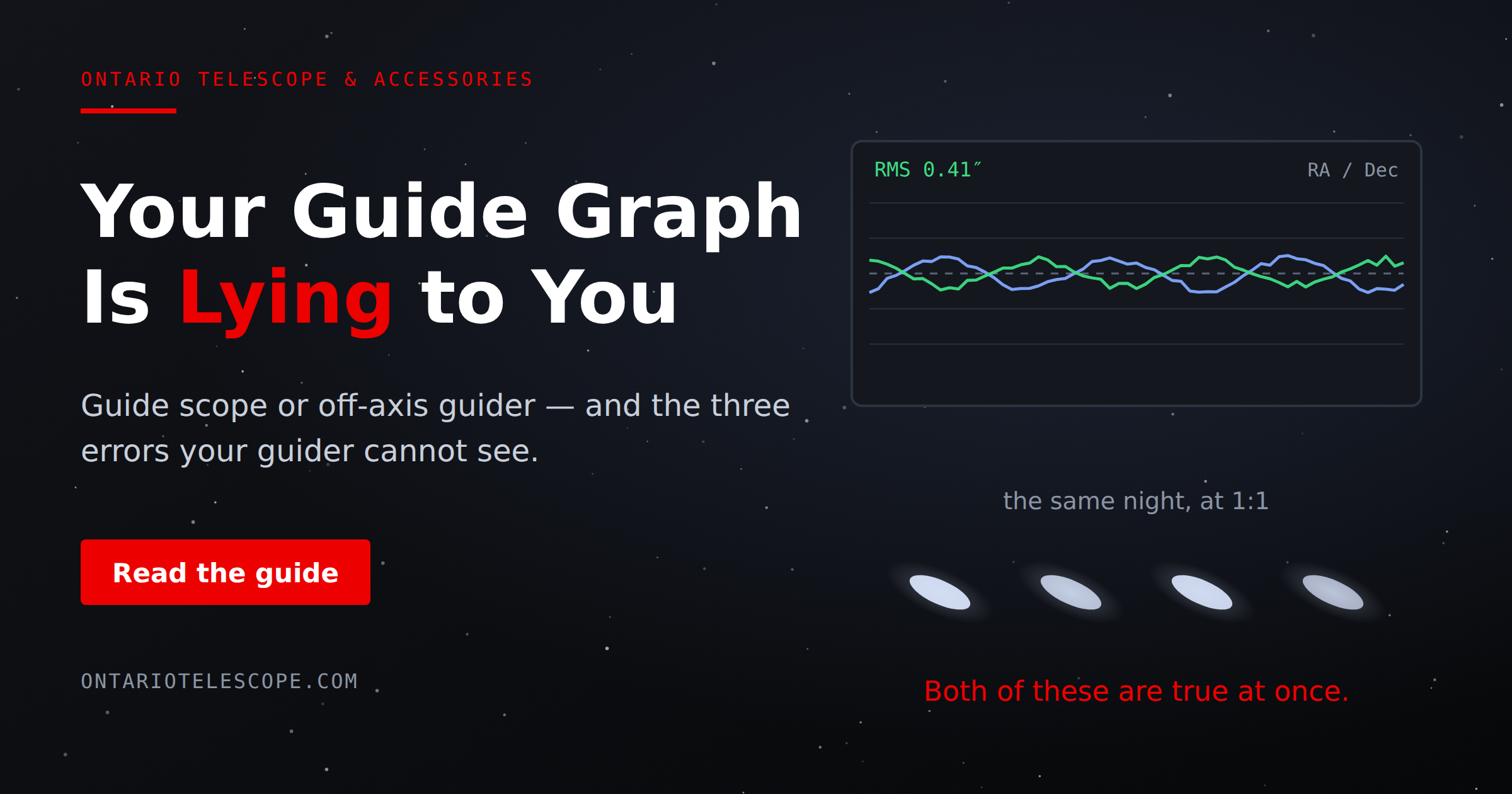
Your Guide Graph Is Lying to You
Read More
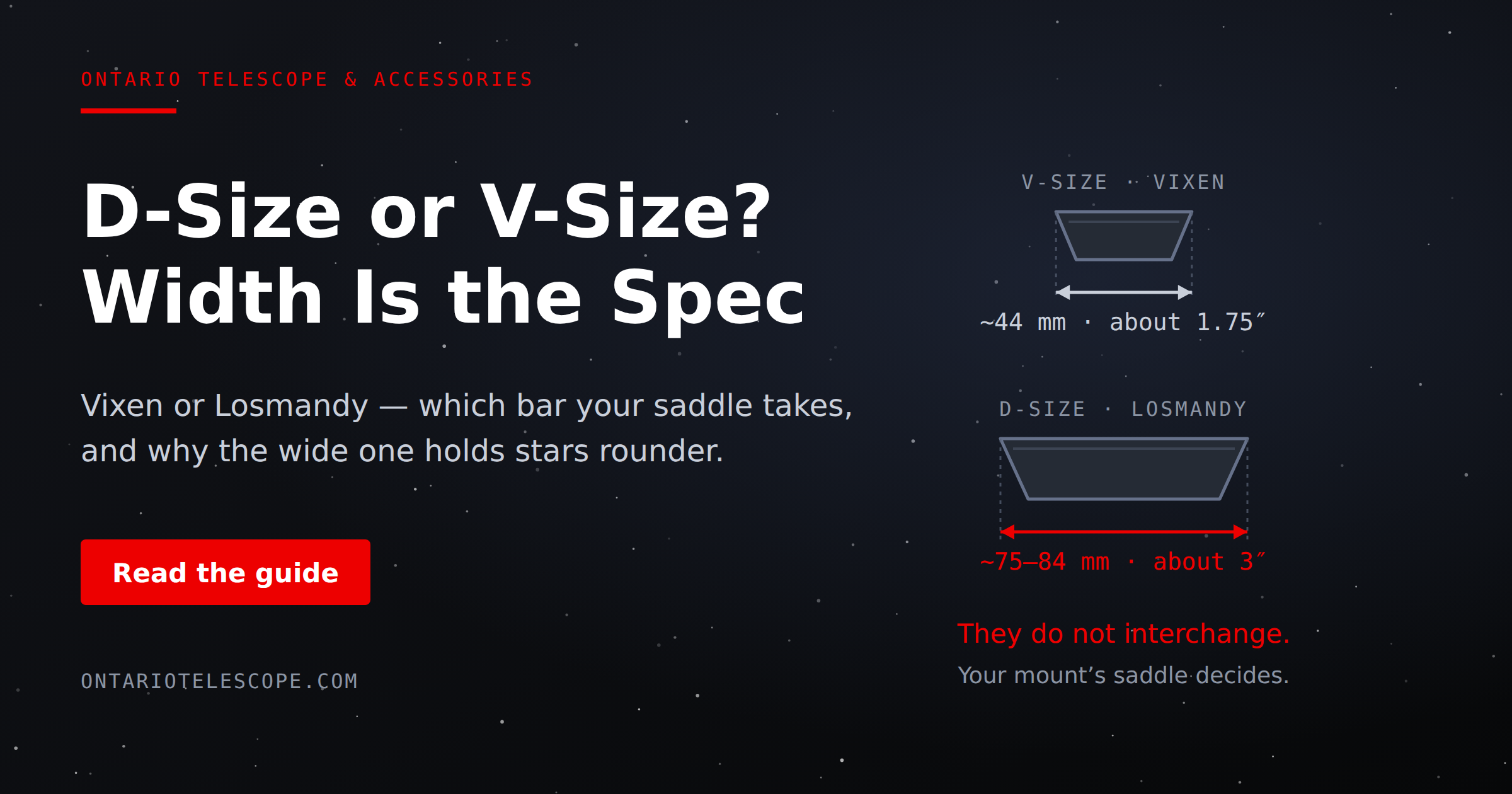
D-Size vs V-Size: A Complete Guide to Telescope Dovetail Systems
Read More
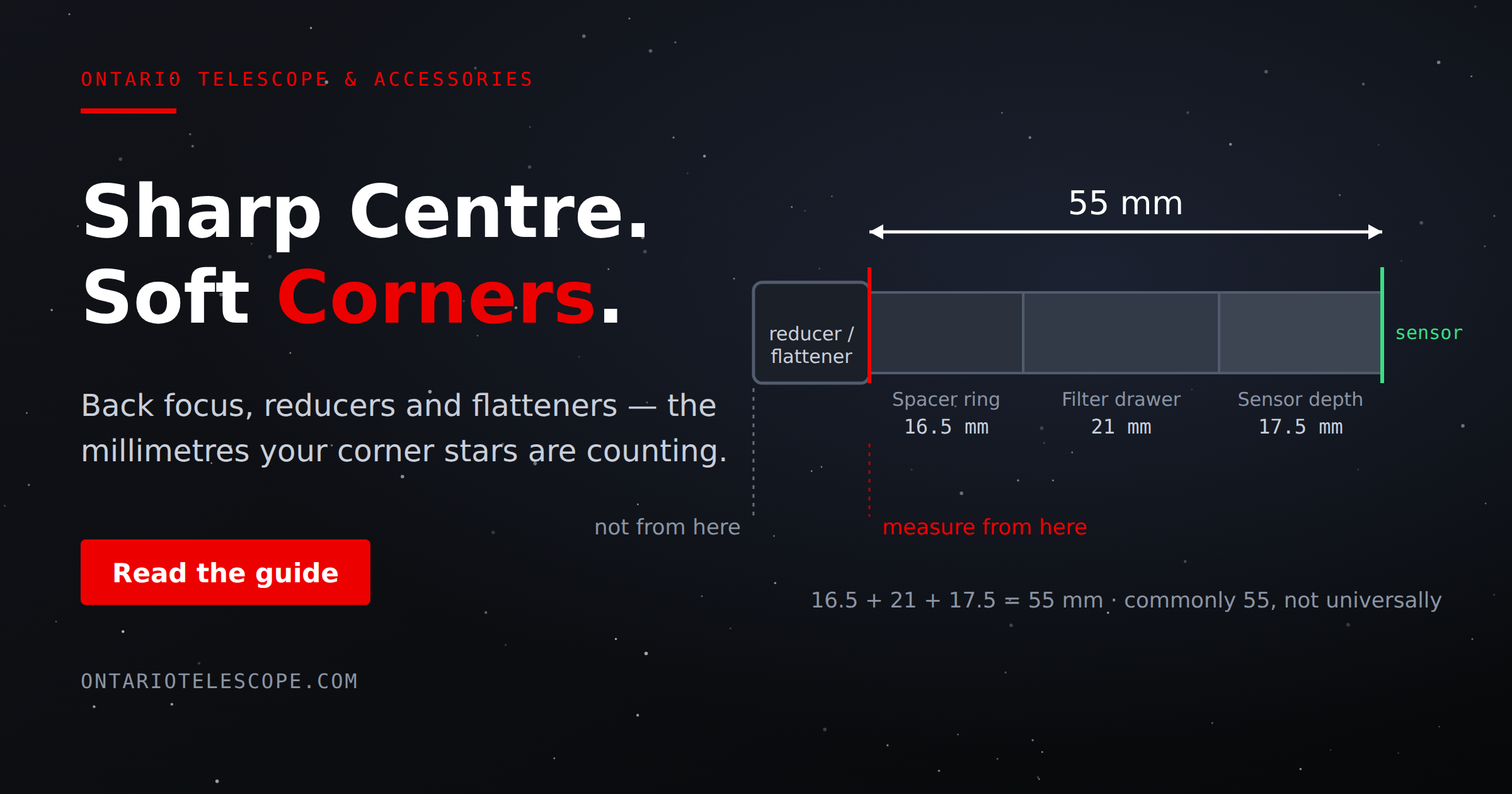
What Is Back Focus in Astrophotography? Telescope Reducers, Flatteners, and Spacing Explained
Read More