


- Description
- Specifications
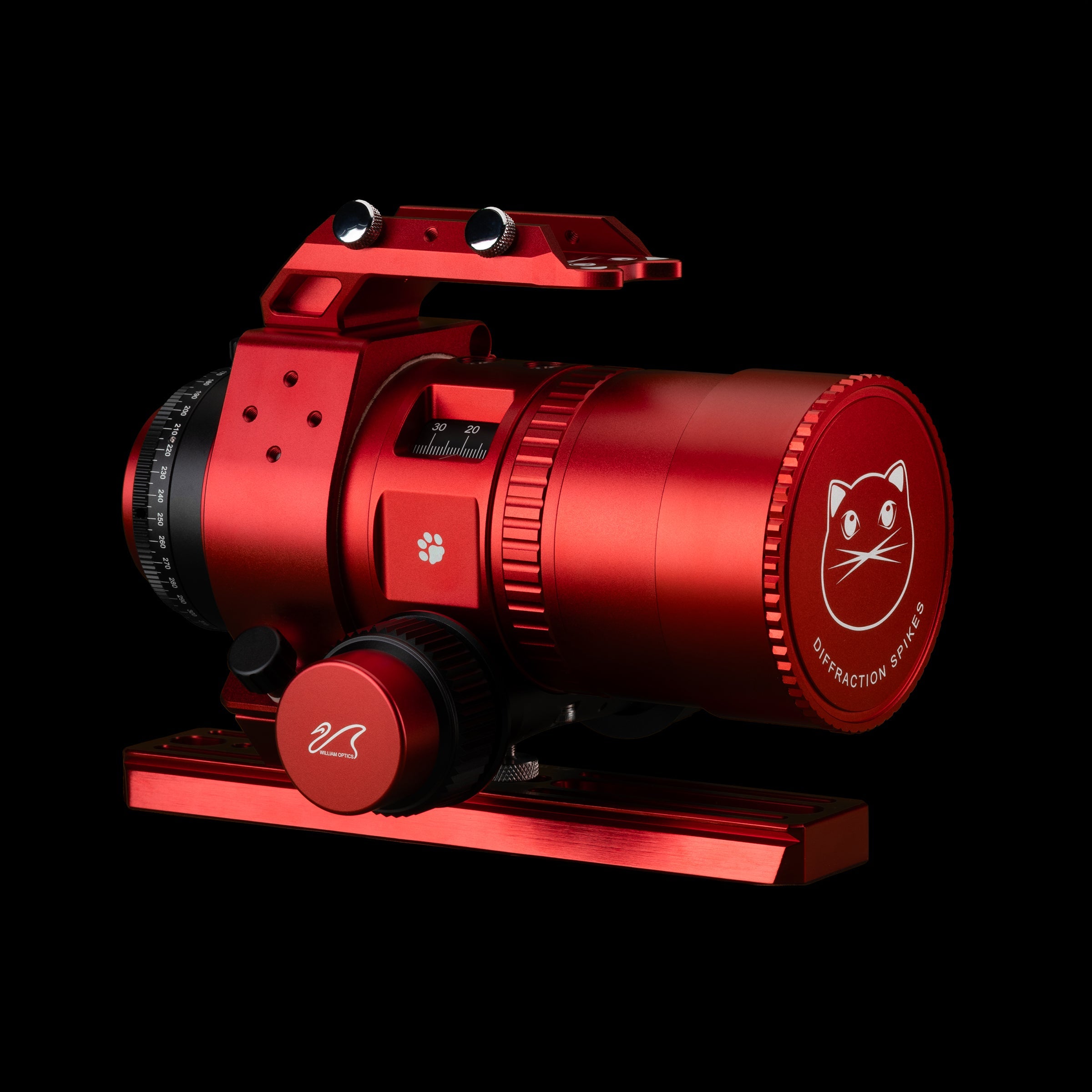
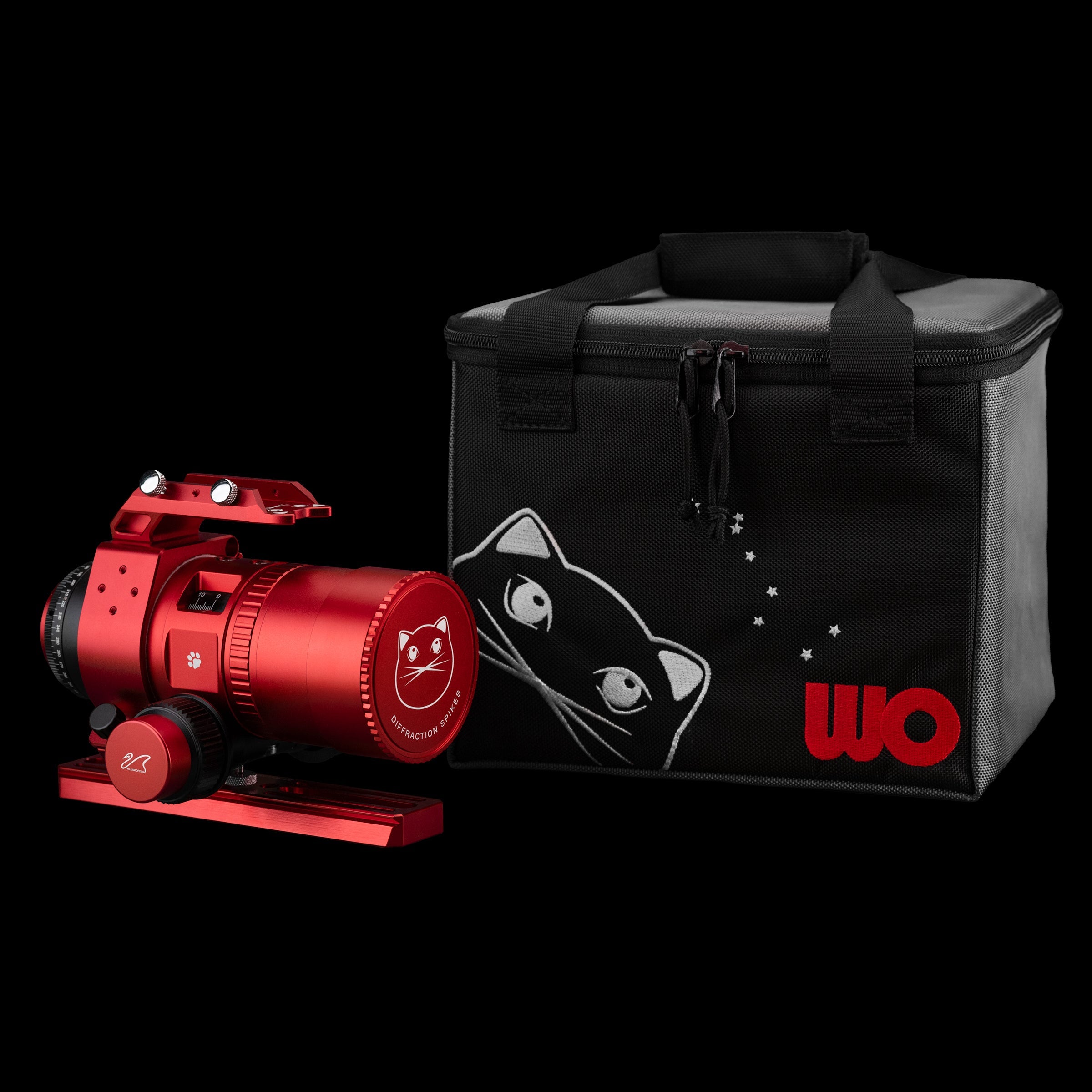
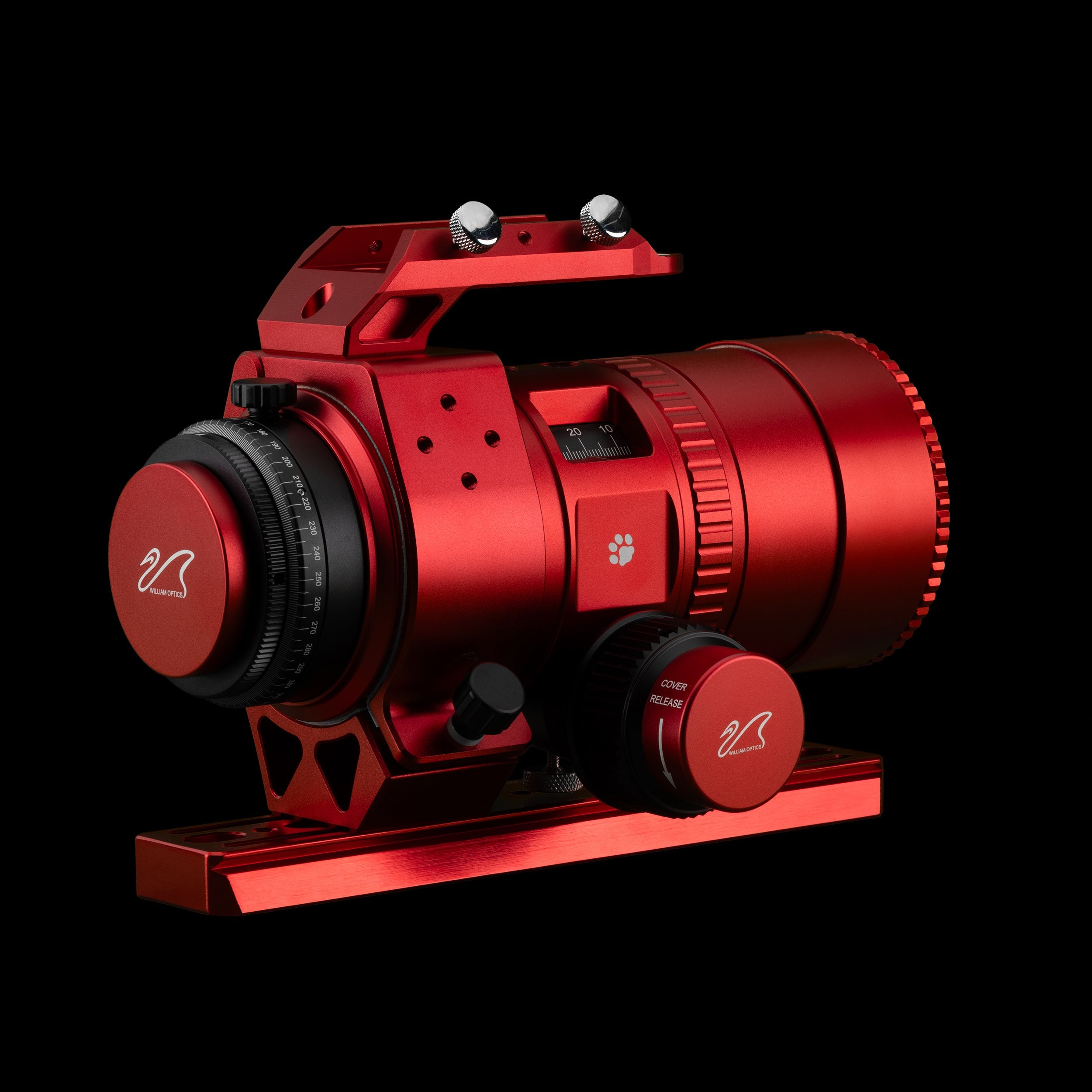
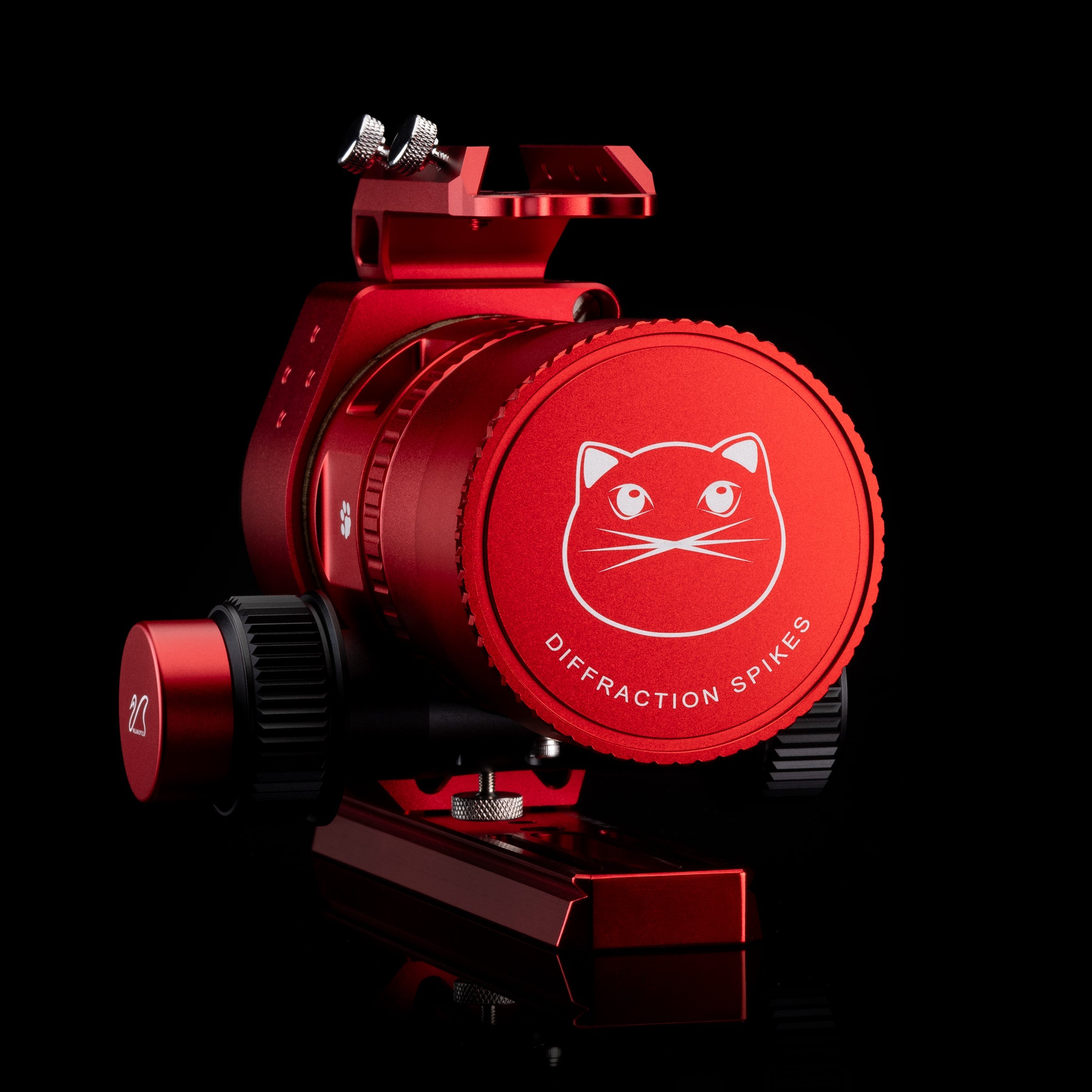
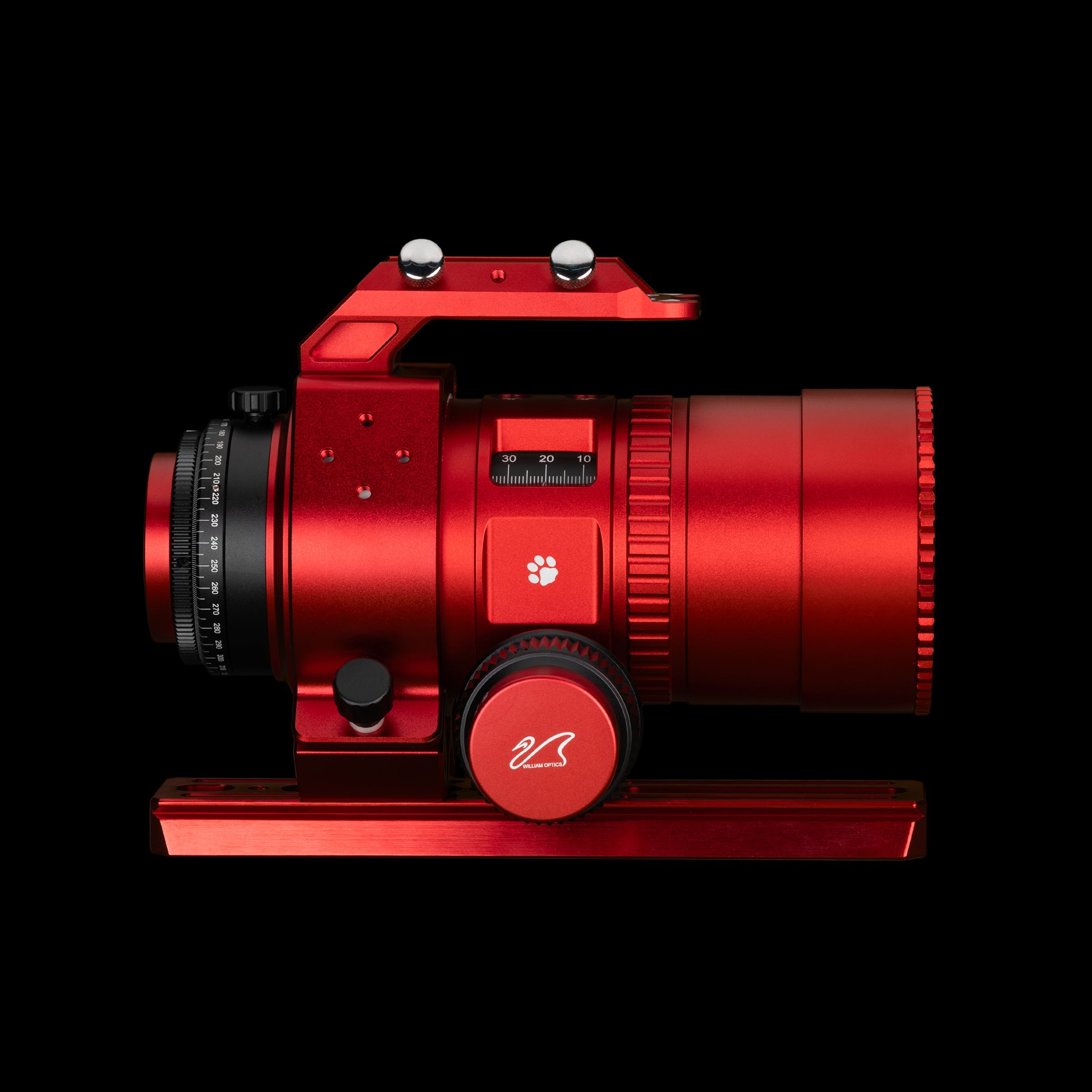
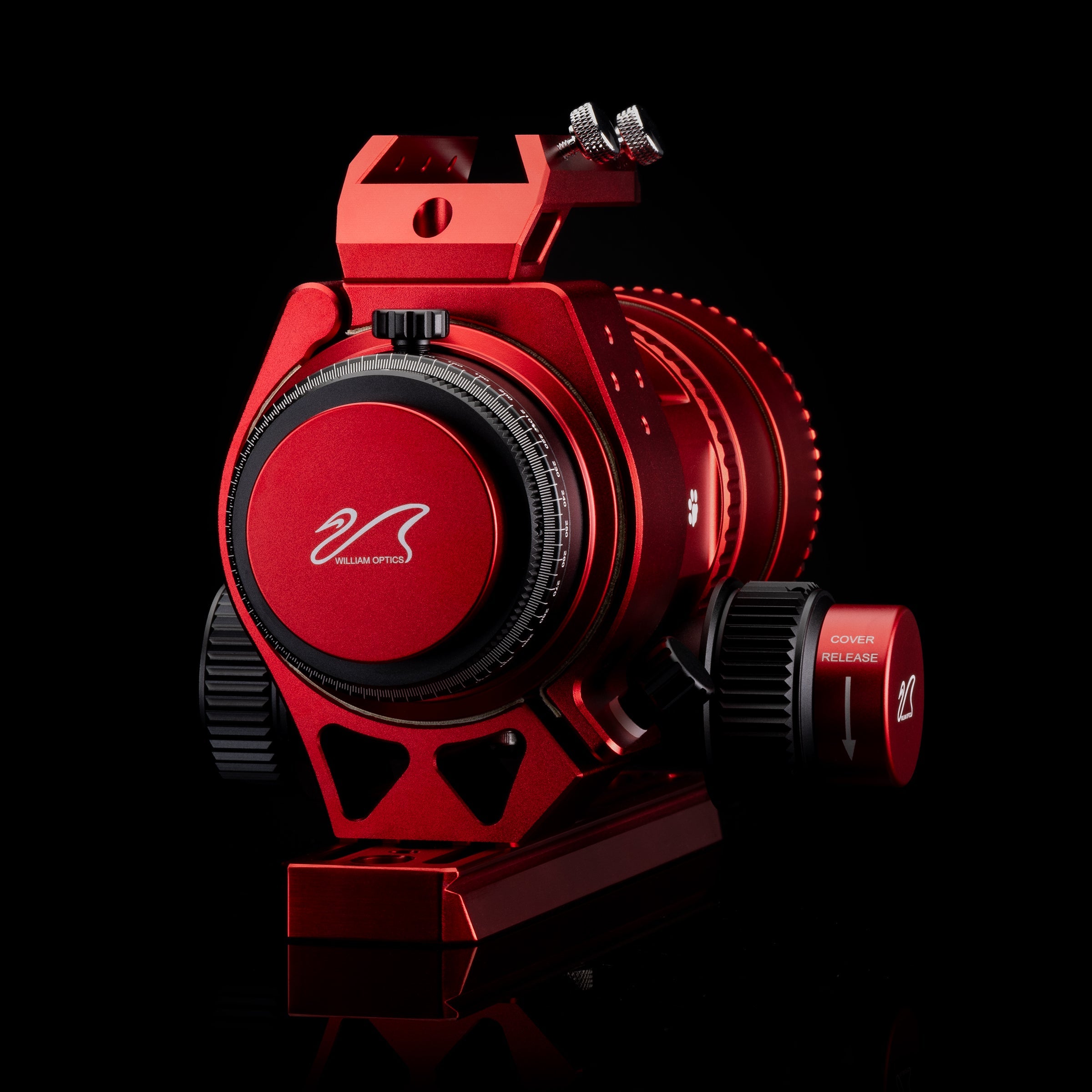
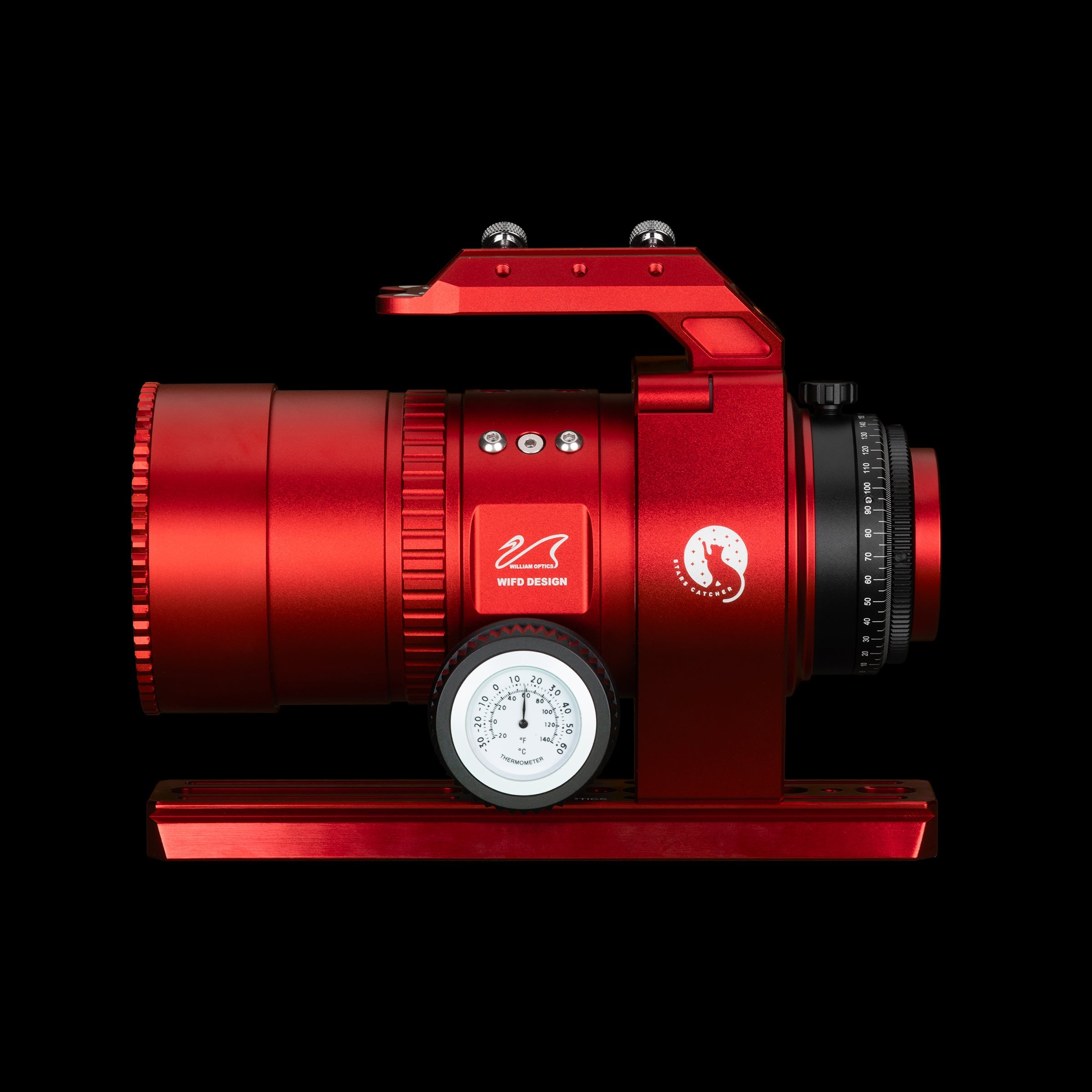
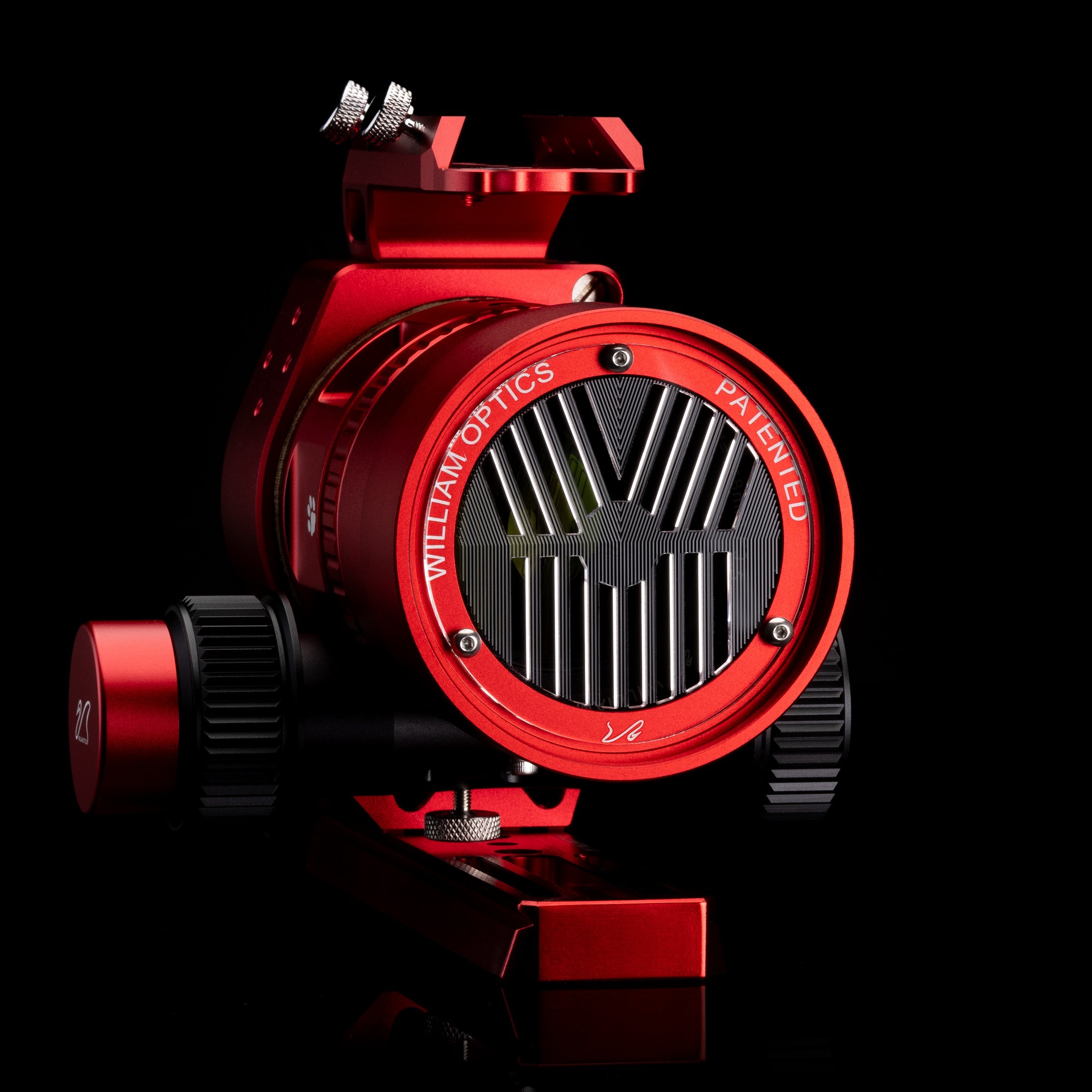
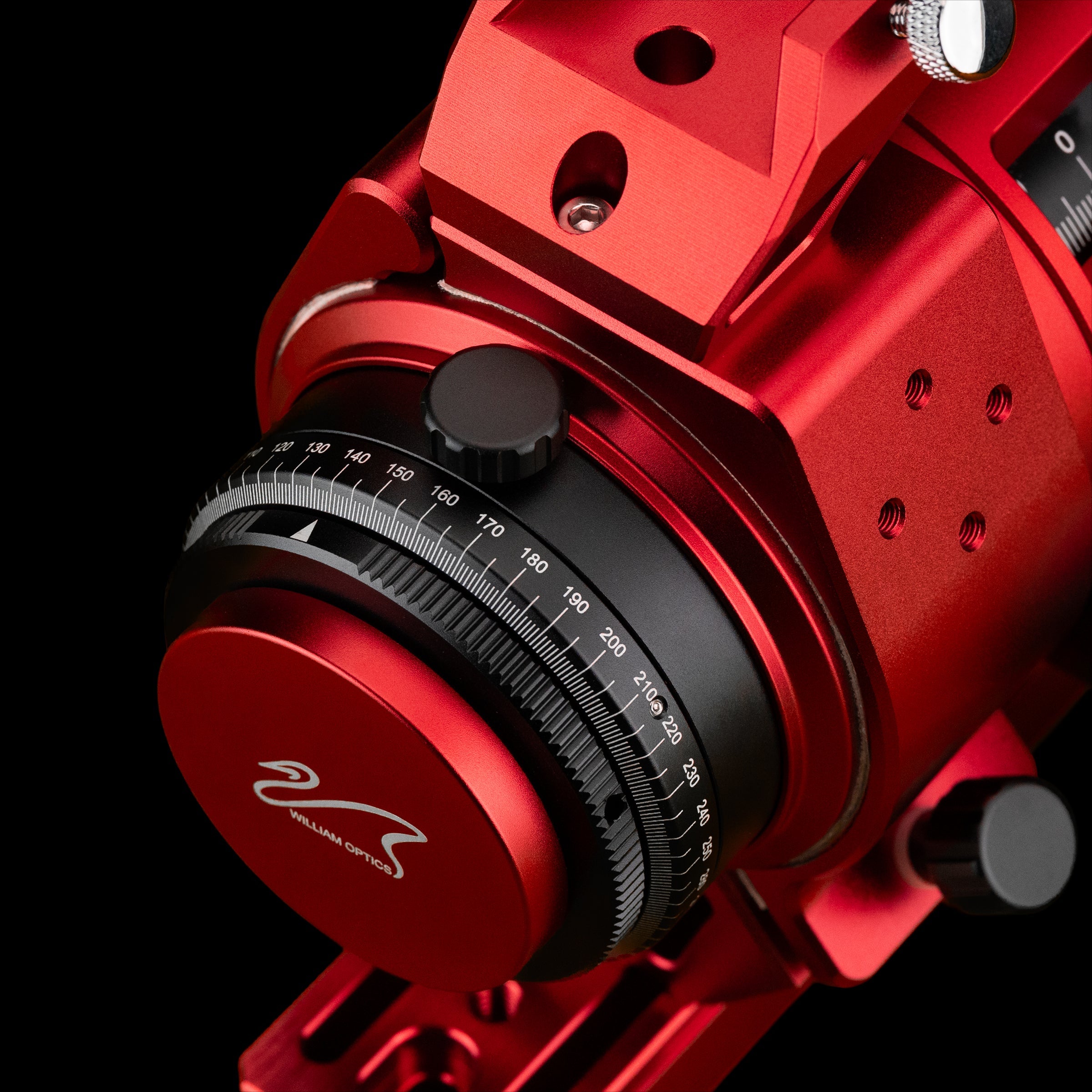
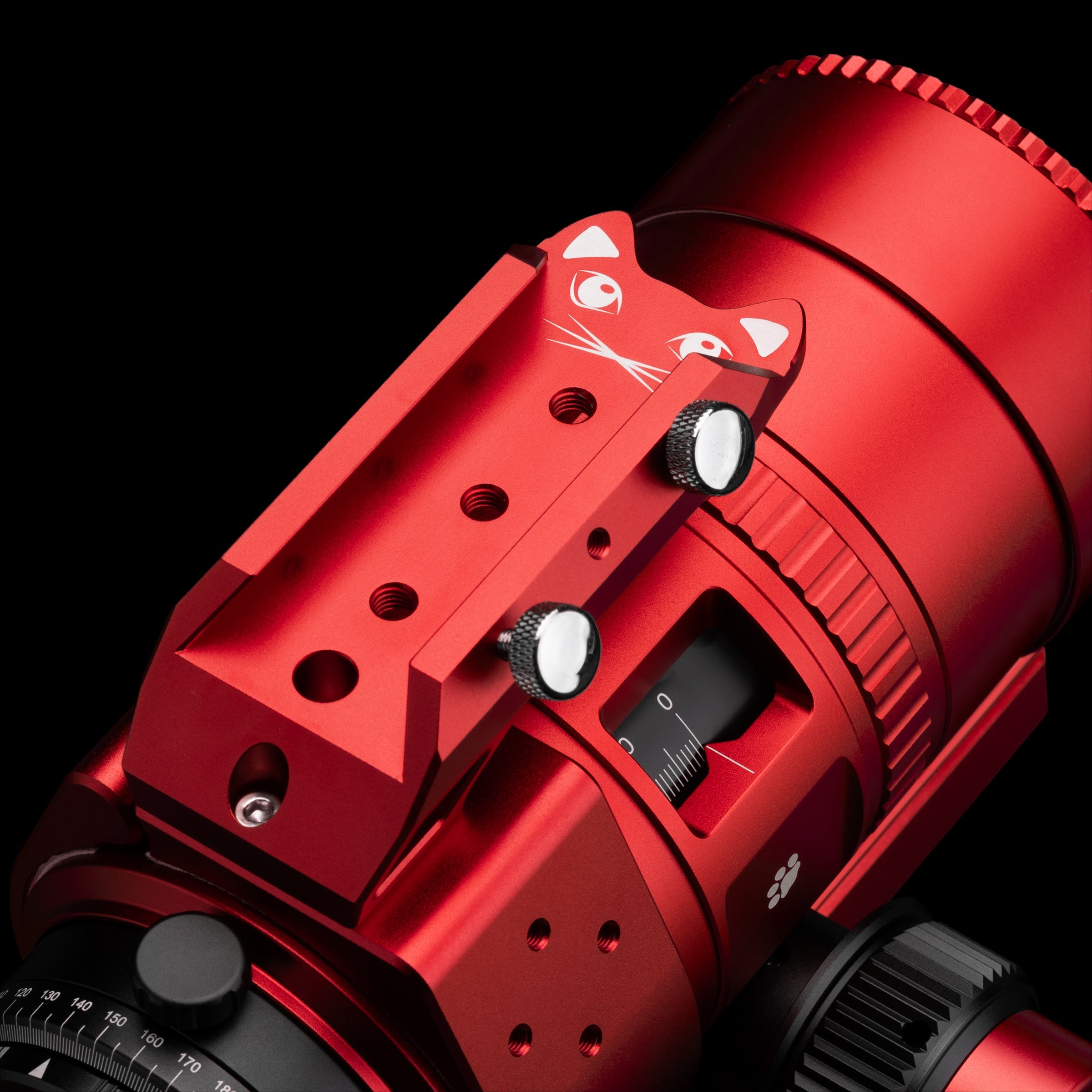
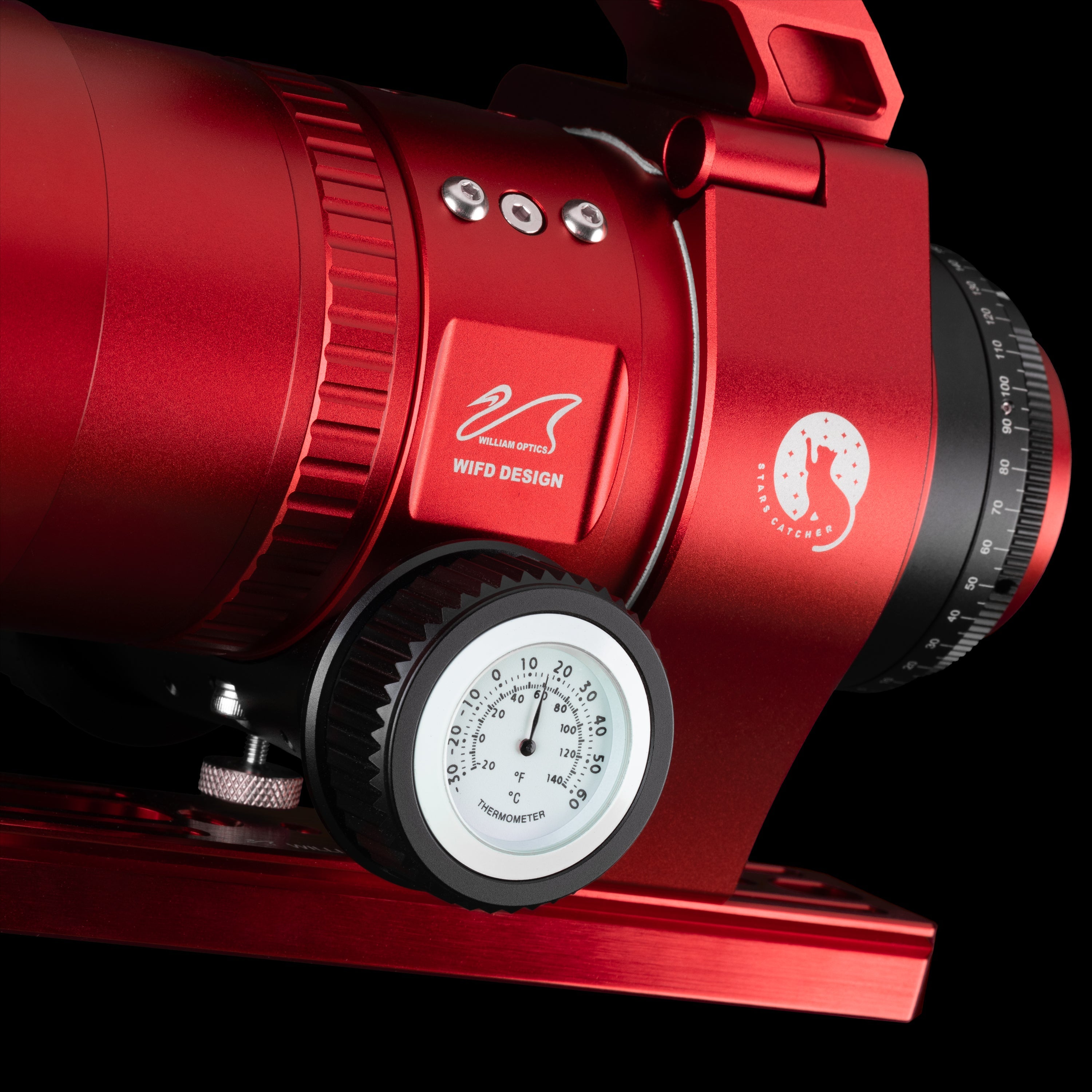
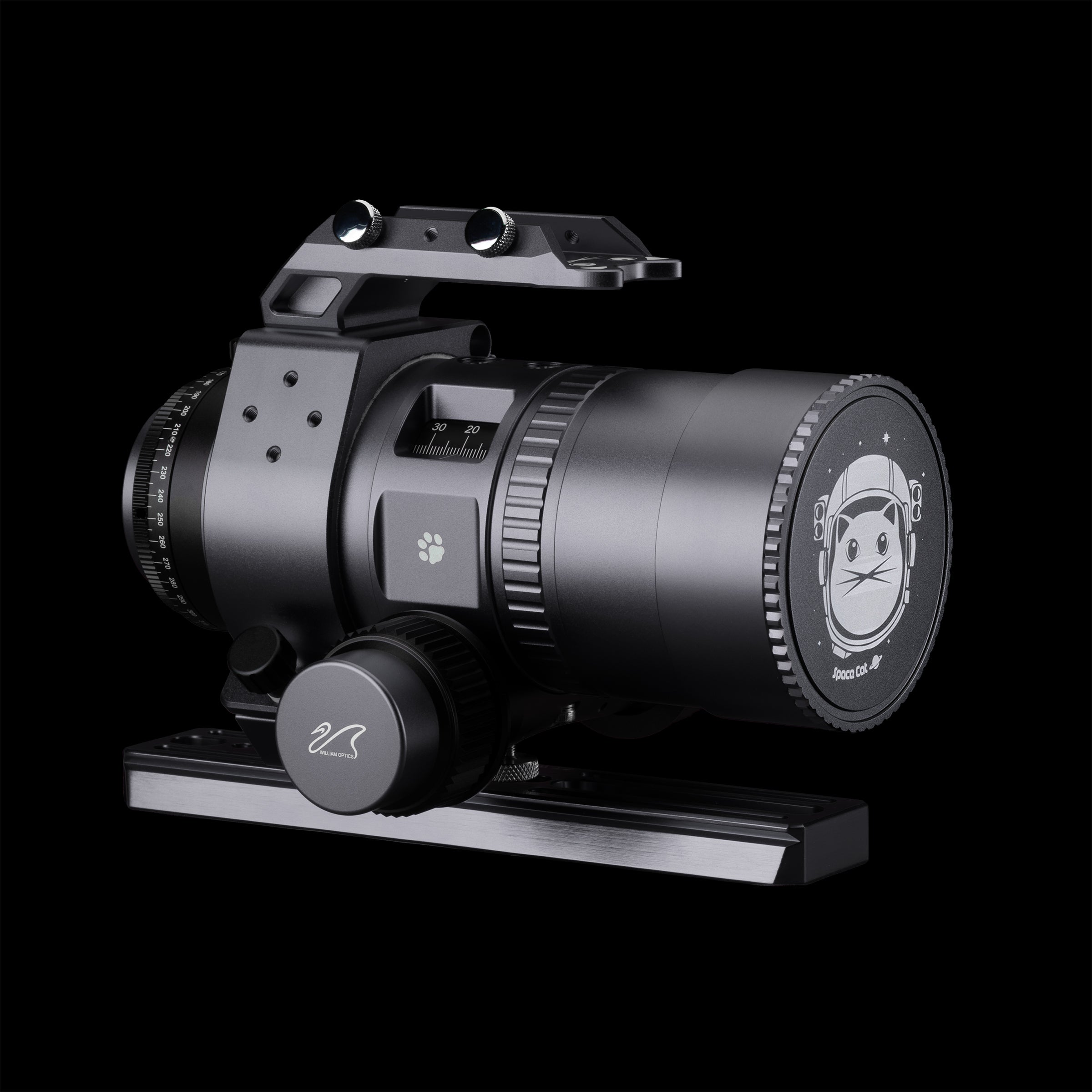
The William Optics MiniCat 51 WIFD is a compact 51mm f/3.5 Petzval astrograph designed for very wide-field deep-sky astrophotography and fast portable imaging. With a 178mm focal length, 6-element Petzval optical design, and 43.2mm image circle, it is built for photographers and astrophotographers who want an ultra-fast travel-friendly imaging telescope.
Who Is This Product Best For?
The MiniCat 51 WIFD is best for astrophotographers who want a small, fast astrograph for wide nebulae, comets, Milky Way regions, star fields, and portable deep-sky imaging. It is especially useful for travel setups, lightweight mounts, APS-C cameras, and users who want a simplified flat-field imaging system.
Why Choose This Product?
- Fast f/3.5 optics: Captures faint targets efficiently in shorter exposures.
- 178mm focal length: Excellent for ultra-wide-field astrophotography.
- 6-element Petzval design: Provides a corrected imaging field with no separate flattener required.
- WIFD internal focuser: Helps maintain stable focusing and camera alignment.
- Compact travel size: Ideal for lightweight imaging rigs and portable mounts.
Recommended Uses
- Wide-field deep-sky astrophotography
- Large nebula imaging
- Comet imaging
- Milky Way region imaging
- Travel astrophotography
- APS-C and Micro Four Thirds camera systems
Compatibility and Accessory Notes
The MiniCat 51 WIFD includes a tilt adjuster rotator and M54 to M48 adapter. It supports common camera mount ecosystems including Canon EF, Canon RF, Nikon F, Nikon Z, Sony E, Pentax K, Micro Four Thirds, and Fuji X. It is compatible with electronic automatic focusing systems and uses a Vixen to Arca-Swiss style dovetail arrangement.
Important Limitations
The MiniCat 51 WIFD is designed primarily for astrophotography. William Optics notes that because of the very fast f/3.5 optical design, edge stars may not be as round as with other RedCat models; aberration correction software can help improve peripheral star shapes, especially on APS-C sensors.
Frequently Asked Questions
Is the MiniCat 51 WIFD good for beginners?
It can be a good choice for beginners who are specifically building a compact astrophotography rig, but it is best used with an equatorial mount, camera, and basic imaging workflow.
What type of astrophotography is it best for?
It is best for ultra-wide-field deep-sky imaging, large nebulae, comets, Milky Way regions, and travel astrophotography.
Does it need a field flattener?
No. Its Petzval optical design is built to provide a flat field without a separate flattener.
What camera formats work with it?
APS-C is recommended, while full-frame is listed as compatible and may require more attention to edge correction.
Our Recommendation
The William Optics MiniCat 51 WIFD is a strong choice for astrophotographers who want the fastest and most portable Cat-series astrograph for large targets and travel imaging. Choose it for wide-field imaging speed and compact size. Consider a slower Cat model if your priority is cleaner edge performance without software correction.
Optical Diagram Reports
The following optical report graphics are included for customers who want to review optical performance, spot behavior, and field quality.


| Lens Type | 6-Element Advanced Petzval |
|---|---|
| Focal Length | 178 mm |
| Aperture | 51 mm |
| Focal Ratio | f/3.5 |
| Image Circle | 43.2 mm |
| Focuser | WIFD internal focuser; compatible with electronic focusing devices |
| Adapter Included | Tilt adjuster rotator and M54 to M48 adapter |
| Camera Mount Support | Canon EF, Canon RF, Nikon F, Nikon Z, Sony E, Pentax K, Micro Four Thirds, Fuji X |
| Recommended Camera Format | APS-C, Micro Four Thirds; full-frame compatible with attention to edge correction |
| Dovetail Type | Vixen / Arca-Swiss |
| Primary Use | Ultra-wide-field deep-sky astrophotography |
You may also like
Recently viewed
Recent Blog Posts
View all
Your Guide Graph Is Lying to You
Read More

D-Size vs V-Size: A Complete Guide to Telescope Dovetail Systems
Read More

What Is Back Focus in Astrophotography? Telescope Reducers, Flatteners, and Spacing Explained
Read More