


- Description
- Specifications
Introducing the WILLIAM OPTICS Internal Focus Design (WIFD) Apochromatic Series. This innovative and revolutionary design combines a precision (Patented) internal focusing mechanism with the highest quality optics available, providing the ultimate Apochromatic refractor for astrophotography. Designed from the ground up with the ability to handle the newest generation of large, heavy, high-resolution cooled cameras, the rock-solid optical tube assembly is uncompromised in quality. The movement of the focuser is integrated inside the main tube assembly, so there are no movements of a focuser drawtube visible from the outside. The user can enjoy the benefits of a traditional two speed fine focuser, while not worrying about limitations typically found in traditional rear mounted focusers.
NEW internal focuser. Our new design includes the Patented WO center focuser with precise internal sliding of fixed optics to prevent image shift. The integrated position viewing window on the focuser provides instant verification of the graduated numerical display. The smooth rack and pinion design is incorporated into the focuser to provide super fine adjustability for critical focus. The internal movement of the optical elements is protected from the elements and can’t come out of alignment. The redistribution of weight allows for better balance during imaging sessions.
Scalable Design. The WIFD series will allow for many sizes and is not limited to smaller refractors. Additional optical designs are possible to meet various photographic requirements enhancing the line to include a number of apertures and fast focal ratios.
Inspired by the tremendous success of the WO CAT series of astrographs, William Optics has advanced the capabilities of astrophotography to the next level with this “no weight limit on photo accessories” design. The solid tube where accessories are attached, has a rigid design, and will not flex or exhibit any change in the optical path regardless of the weight of the camera and filter wheel attached to it.
Improved “CAT” design ring tubes and dovetail base are lighter while remaining equally rigid. The new design allows for better balance with heavy accessories, and has integral placement of the focuser knobs, providing easy access to focusing during imaging. Included is the popular WO Saddle Bar Handle, critical for rigid guidescope mounting and autoguiding performance.
Super Smooth Field Rotator. Our field rotator design features smooth camera rotation with markings for degrees and a locking thumbscrew to prevent accidental camera movement,also new Electric Rotator will be available in near future.
- Lens Type
- Triplet Apochromatic Prime Lens
- Focal Length
- 478mm
- Diameter
- 81mm
- F/ Ratio
- f/5.9
- Optional Flattener
- FLAT6AIII 0.8x
- FLAT68III 1.0X (Require WIFD Extension Adapter)
- Focuser
- WIFD
- Compatible with EAF
- Color
- Red
- Lens Material
- FPL-53
- Strehl Ratio
- 0.95+
- Camera Format
- Full Frame
- DSLR
- Mirrorless
- CMOS
- CCD
- Test Report
- Included
- T-Mounts Supported
- Canon EF, RF
- Nikon F, Z
- Sony E
- Pentax K
- Micro Four Thirds (M4/3)
- FUJI X
- OTA Weight
- 7.3 lbs (3.3 kg)
- Total Weight
- 9.9 lbs (4.5 kgs)
- Tube Length (Retracted)
- 420mm
- Tube Length (Extended)
- 500mm
You may also like
Recently viewed
Recent Blog Posts
View all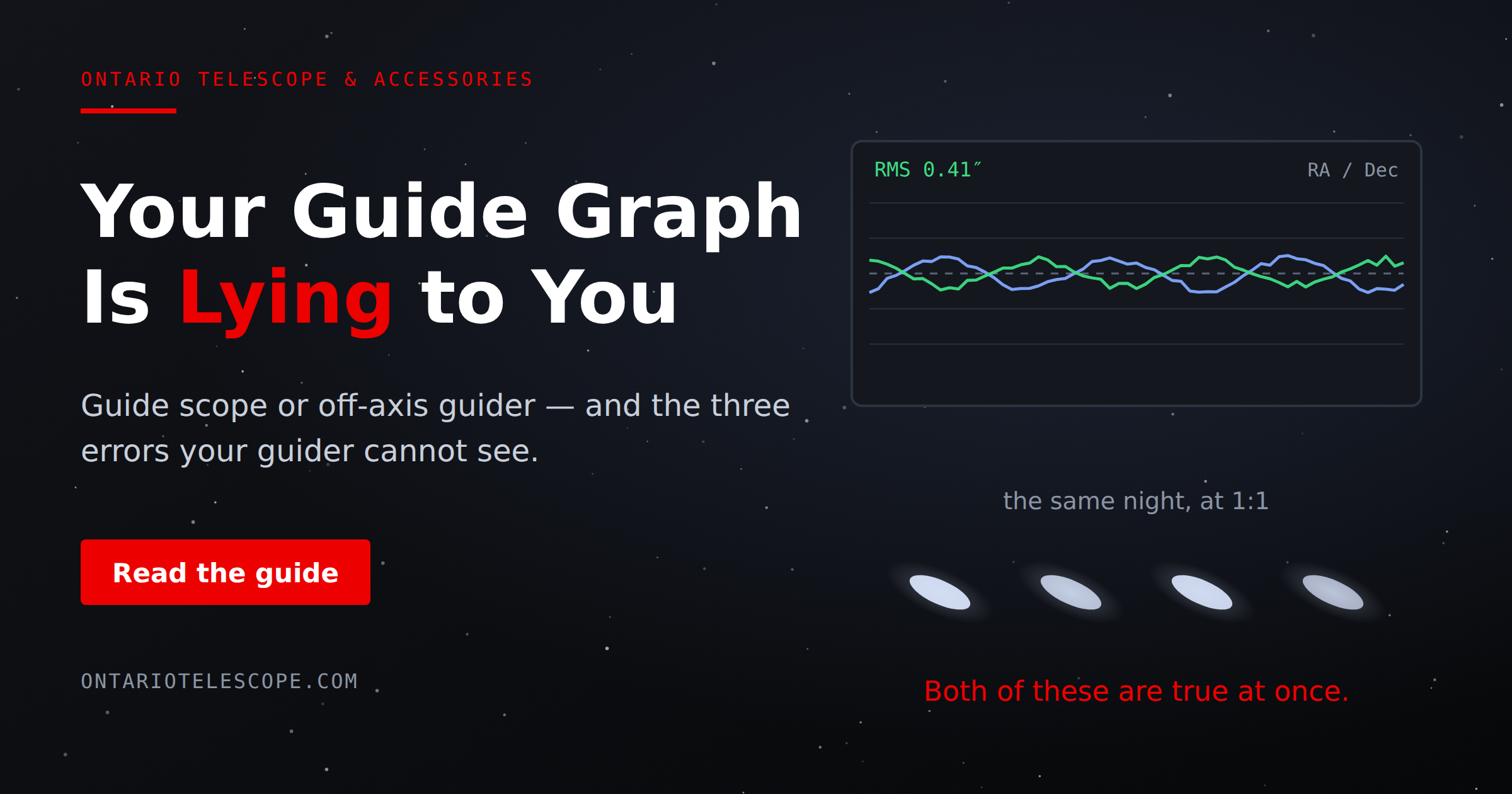
Your Guide Graph Is Lying to You
You drove ninety minutes to dark sky, PHD2 held 0.4 arcseconds all night, and half your subs still have eggs for stars. Here are the three things your
Read More
Read More
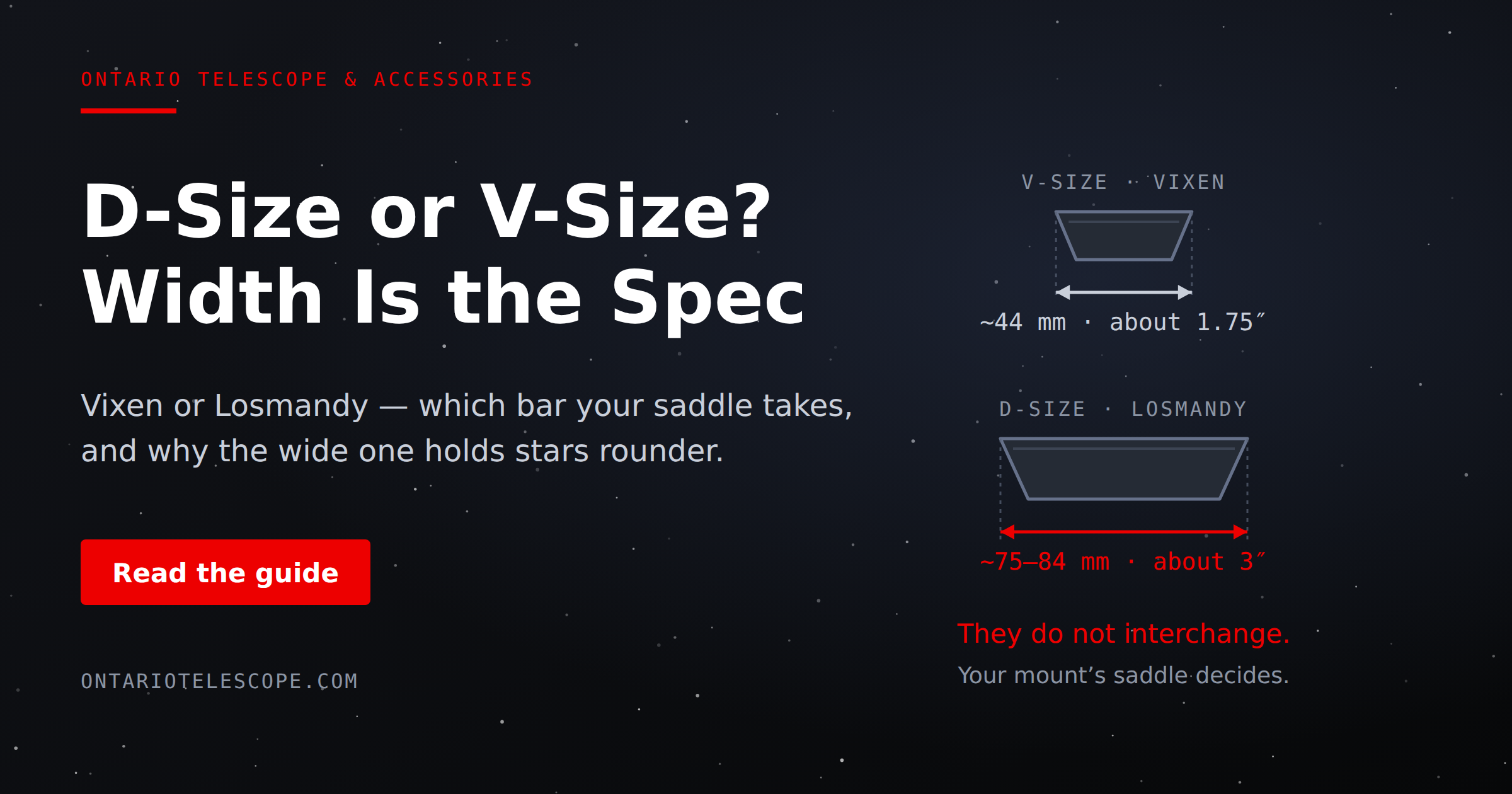
D-Size vs V-Size: A Complete Guide to Telescope Dovetail Systems
What's the difference between D-size and V-size telescope dovetails? Here's everything you need to know.
Read More
Read More
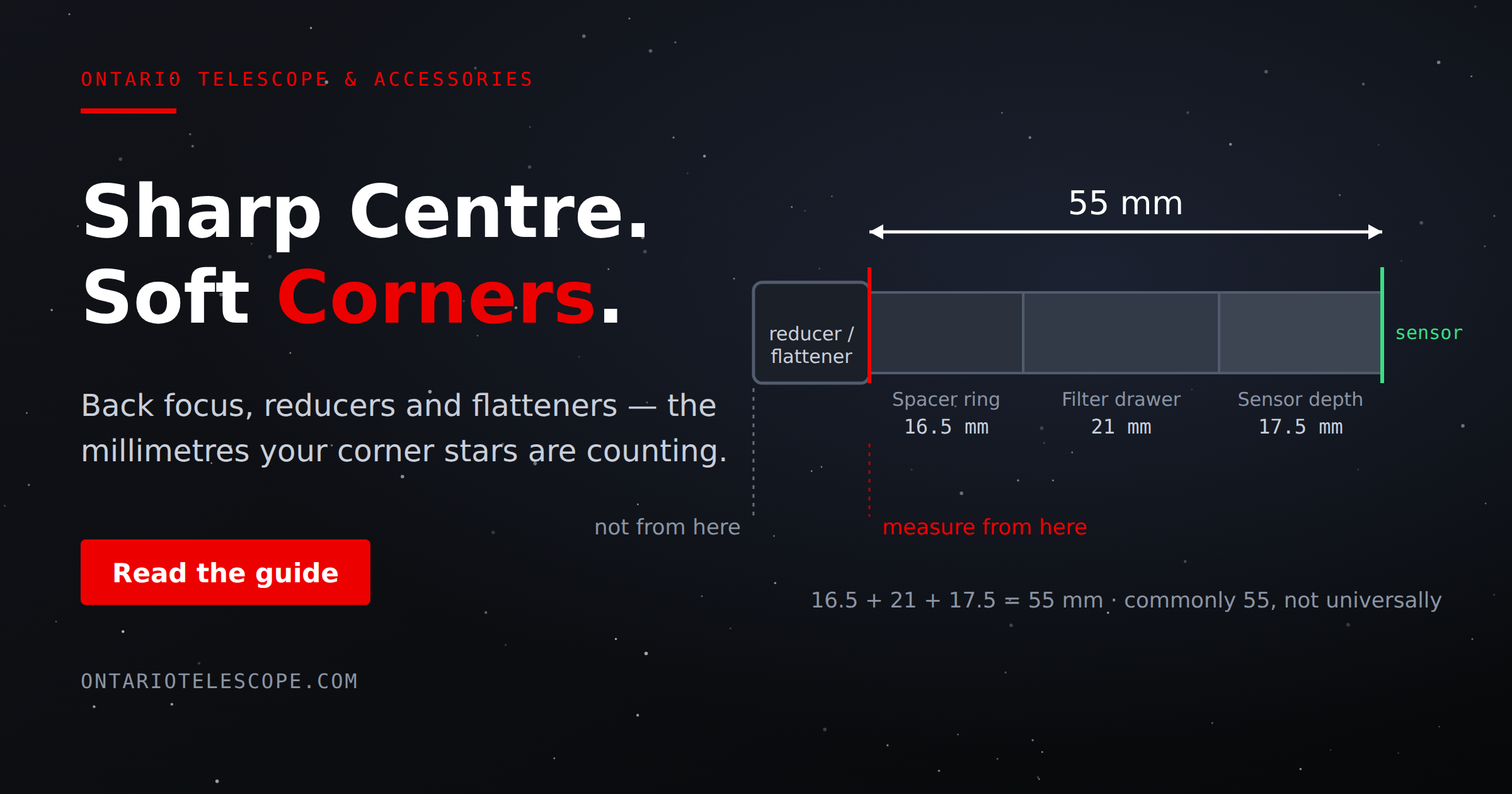
What Is Back Focus in Astrophotography? Telescope Reducers, Flatteners, and Spacing Explained
What Is Back Focus in Astrophotography? Telescope Reducers, Flatteners, and Spacing Explained
Back focus is one of those astrophotography terms that c
Read More
Read More