


- Description
The Celestron Universal T-Adapter connects a DSLR or SLR camera body to a telescope with a 1.25” focuser or eyepiece adapter installed. The T-Threads on the top of the Universal T-Adapter screw into a T-Ring (sold separately) that is designed to attach to the brand-specific mounting flange of your camera. The barrel end of the T-Adapter slides into the focuser, just like an eyepiece, and locks into place with the focuser or eyepiece adapter thumbscrew.
Please note that some telescopes, especially “fast” refractors and most Newtonians, may not have enough focus travel to allow the photographic image to come to focus when used in prime focus mode. In these instances, we recommend using the Universal Barlow & T-Adapter (#93640), which will double the magnification, but will allow the telescope to reach focus.
Prime focus photography is popular for short exposure images of terrestrial objects as well as celestial objects like the Moon.
You may also like
Recently viewed
Recent Blog Posts
View all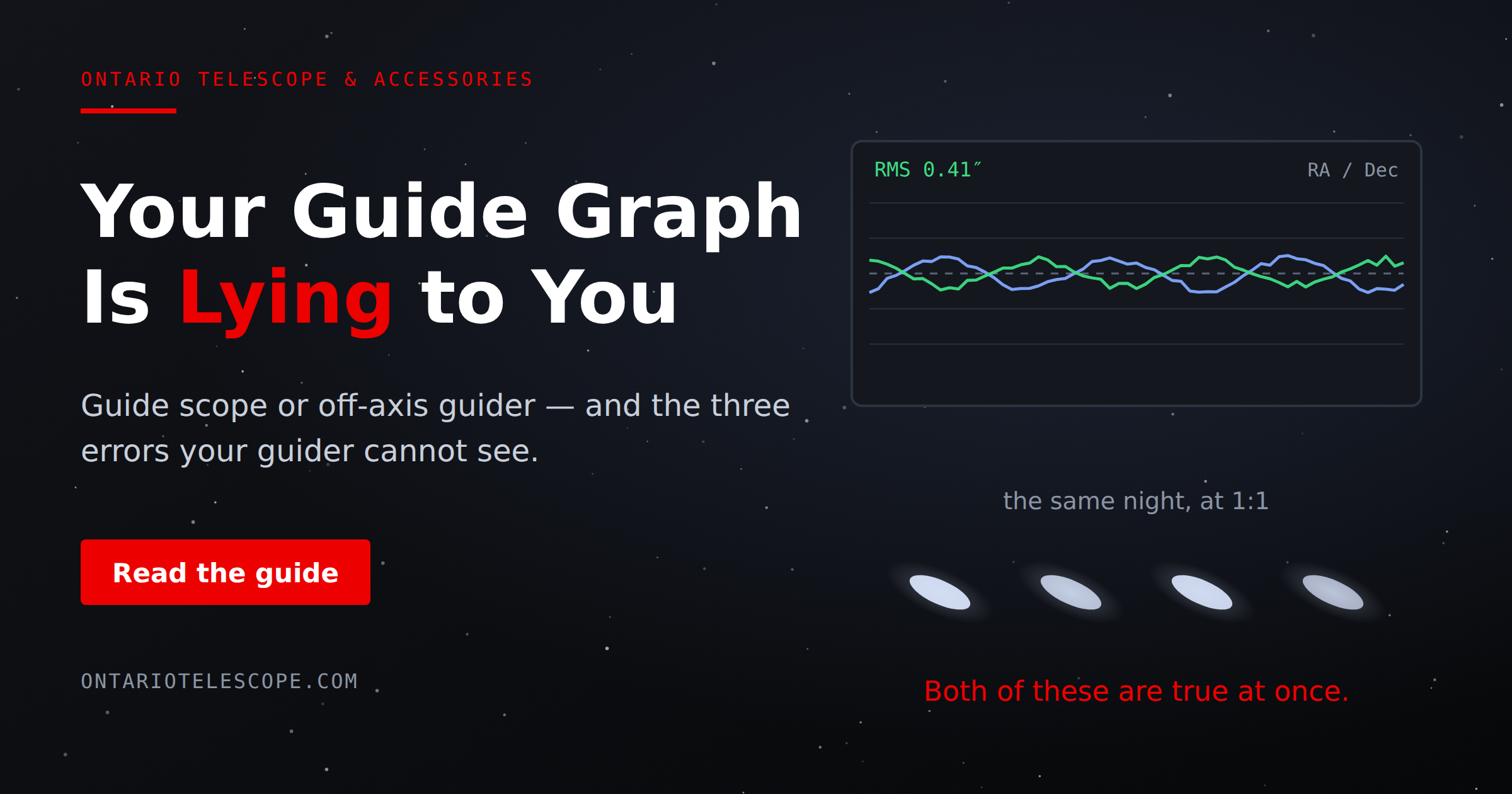
Your Guide Graph Is Lying to You
Read More
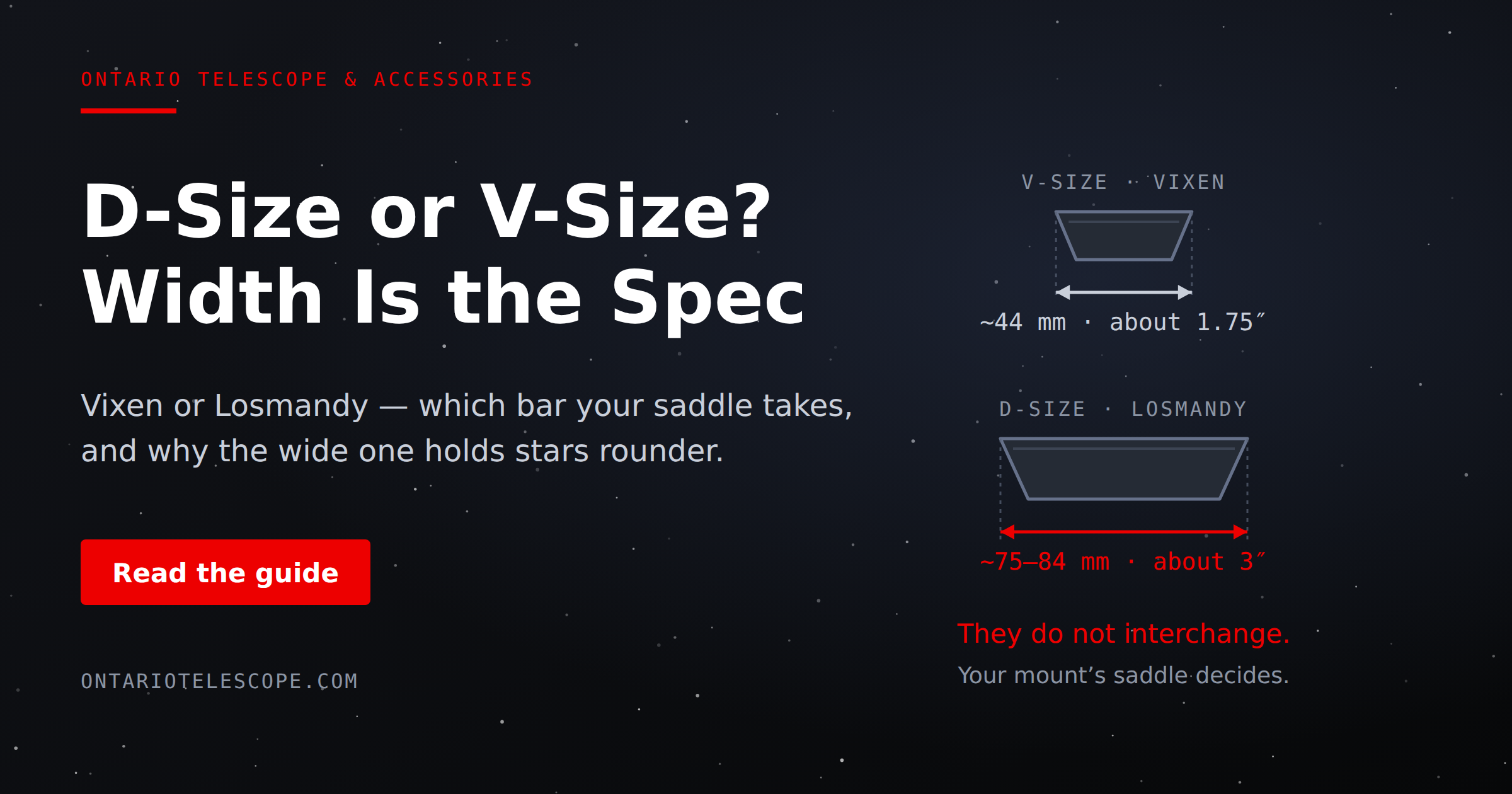
D-Size vs V-Size: A Complete Guide to Telescope Dovetail Systems
Read More
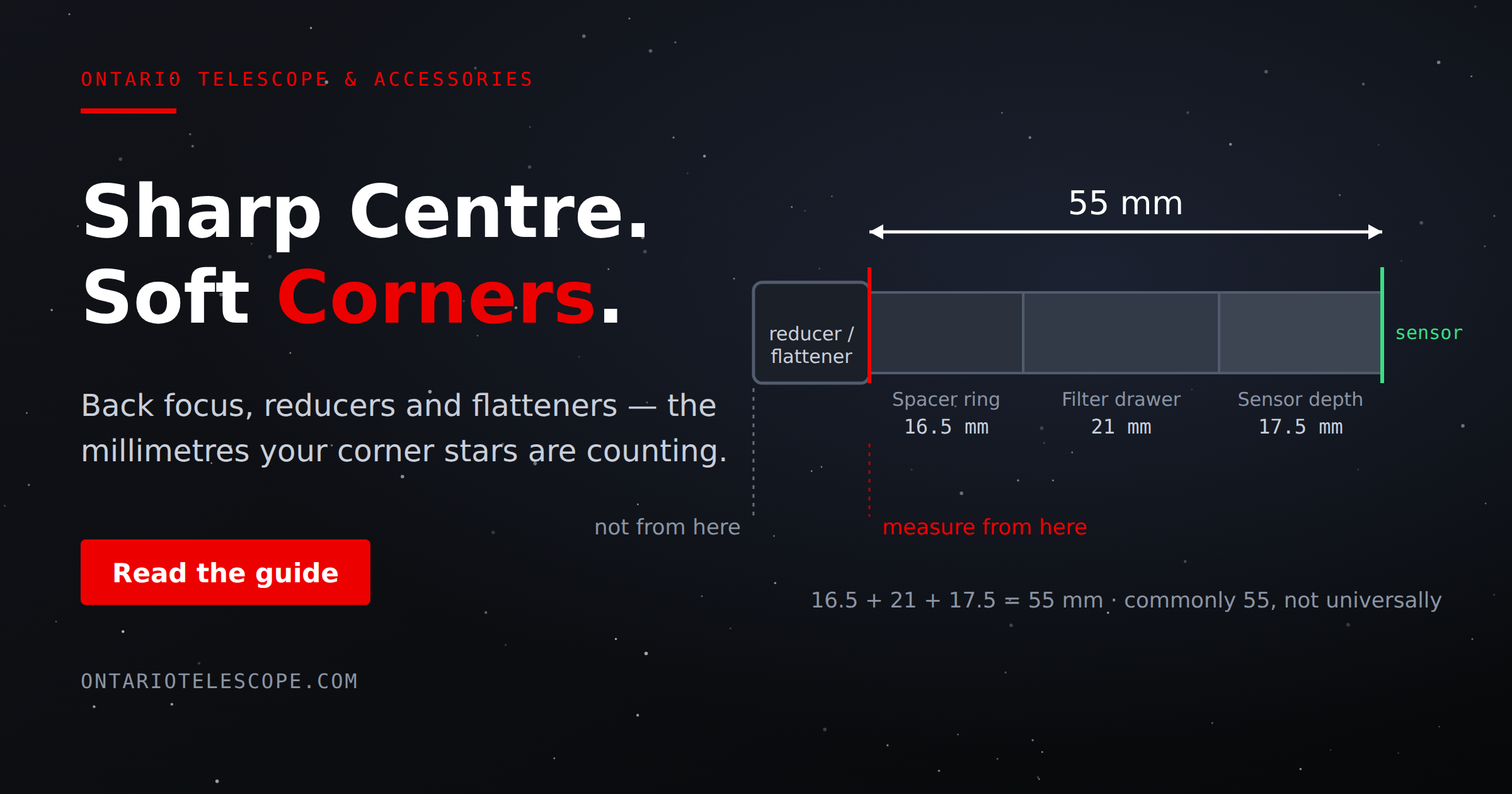
What Is Back Focus in Astrophotography? Telescope Reducers, Flatteners, and Spacing Explained
Read More