


- Description
- Specifications
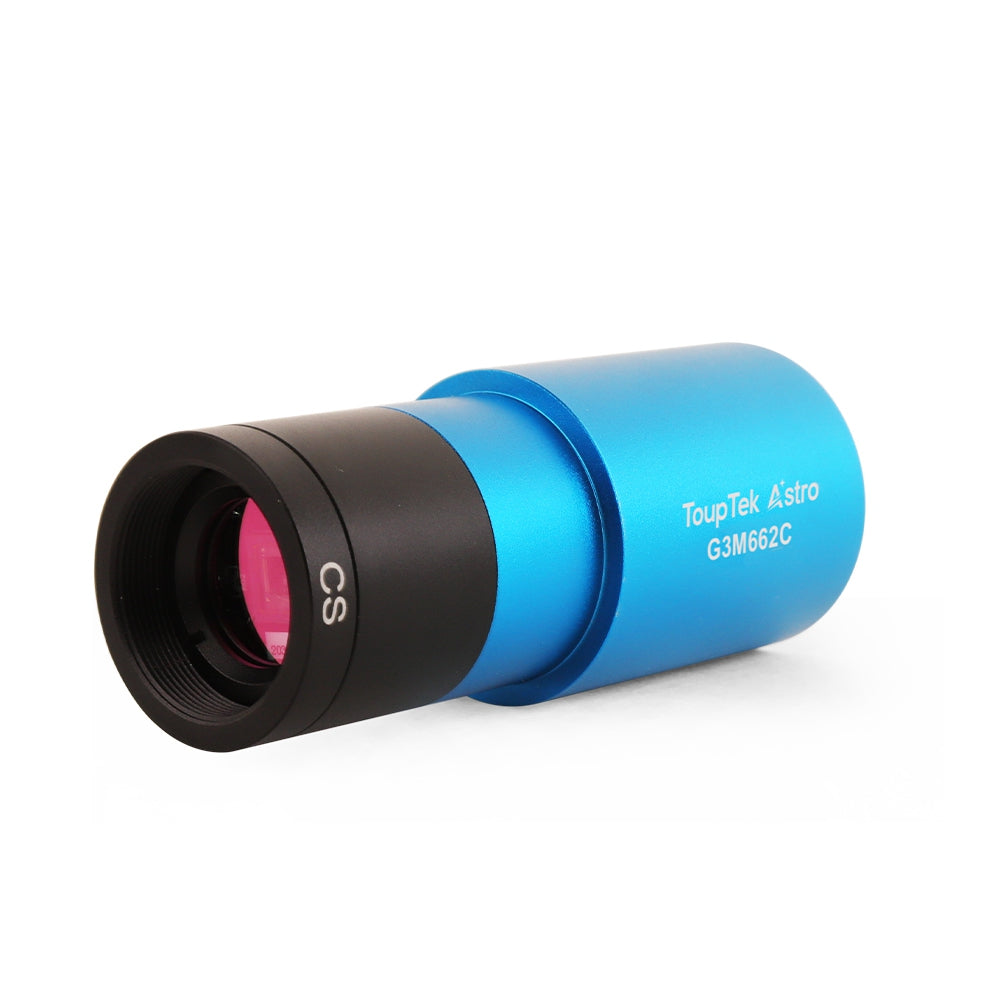
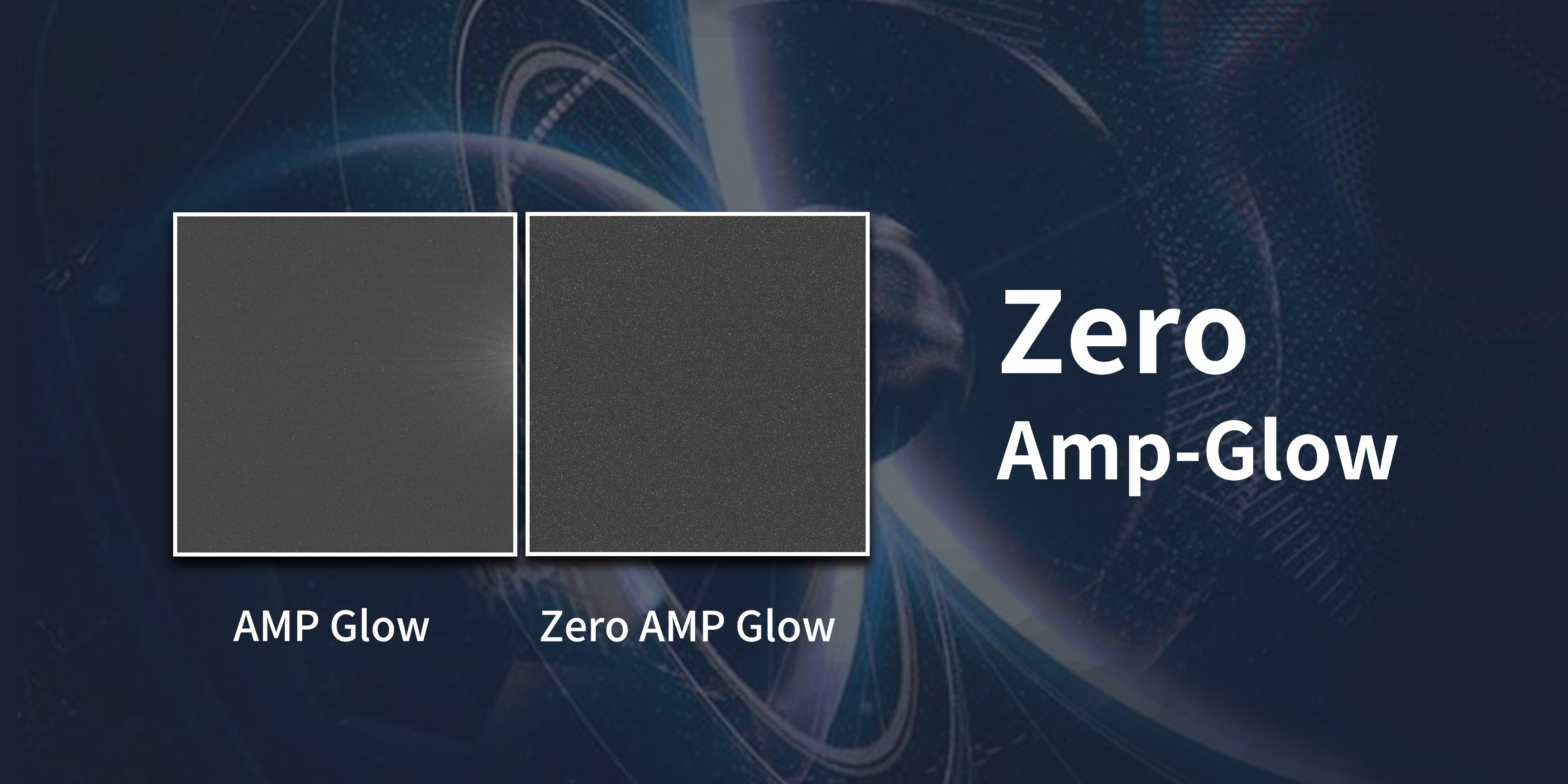
The ToupTek G3M662C is a professional compact colour planetary camera built around the Sony IMX662 back-illuminated CMOS sensor with Sony's latest STARVIS 2 technology. Offering significantly lower read noise and a larger full well capacity than the previous-generation G3M462C, the G3M662C is designed for high-frame-rate planetary imaging where image quality, dynamic range, and suppressed noise all matter. With up to 103.4 FPS at full 1920×1080 resolution, a peak QE exceeding 91%, and hardware-level zero amp-glow, this camera delivers clean, crisp planetary frames session after session.
Product Overview
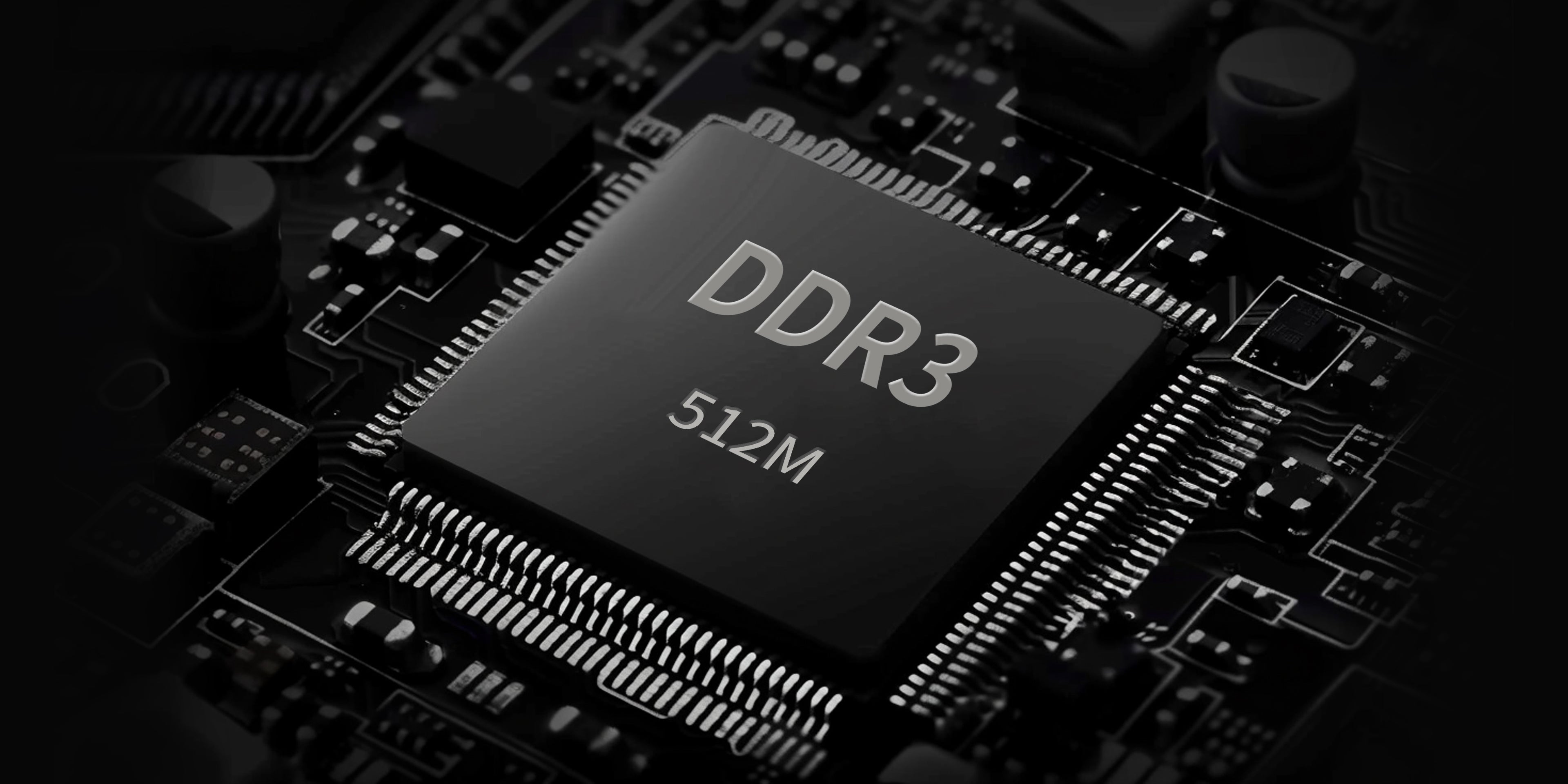
The G3M662C uses Sony's IMX662 1/2.8" STARVIS 2 BSI sensor in a colour (RGGB Bayer) configuration. The 512MB DDR3 onboard buffer ensures stable USB 3.0 transmission and further reduces amp-glow. The camera supports HCG (High Conversion Gain), LCG (Low Conversion Gain), and HDR mode switching to optimize performance across a wide range of planetary brightness conditions. Hardware ROI allows higher frame rates at reduced resolution, and digital and hardware binning are both supported. Standard C-mount design ensures broad compatibility with telescopes and accessories.
Who Is This Product Best For?
The G3M662C is the ideal upgrade for intermediate and advanced planetary imagers who want a step beyond entry-level cameras. The STARVIS 2 sensor and improved noise characteristics make a tangible difference in planetary image quality compared to older IMX462-based cameras. It also performs well as a guide camera thanks to its compact form and sensitivity.
Why Choose This Product?
- Sony STARVIS 2 IMX662 sensor — next-generation BSI technology with improved QE and lower noise vs. IMX462
- Lower read noise than the G3M462C — 0.46 e⁻ minimum for cleaner captures at high gain
- Larger full well capacity (39 ke⁻) — better dynamic range, less overexposure on bright planetary discs
- 103.4 FPS at full resolution — ample speed for effective lucky imaging
- HCG / LCG / HDR mode switching — configure for your target and imaging conditions on the fly
- 512MB DDR3 buffer — stable, uninterrupted data flow via USB 3.0
- Zero amp-glow at hardware level — no post-processing needed to clean thermal artifacts
- 77 dB dynamic range — outstanding tonal gradation from shadows to bright planetary limbs
Recommended Uses
- Planetary imaging — Jupiter, Saturn, Mars, Venus, and all solar system planets
- Lunar surface detail and mosaic imaging
- Solar photography with a solar telescope or appropriate solar filter
- Lucky imaging and high-speed video stacking in AutoStakkert! or RegiStax
- Autoguiding via guide scope or OAG
Compatibility and Accessory Notes
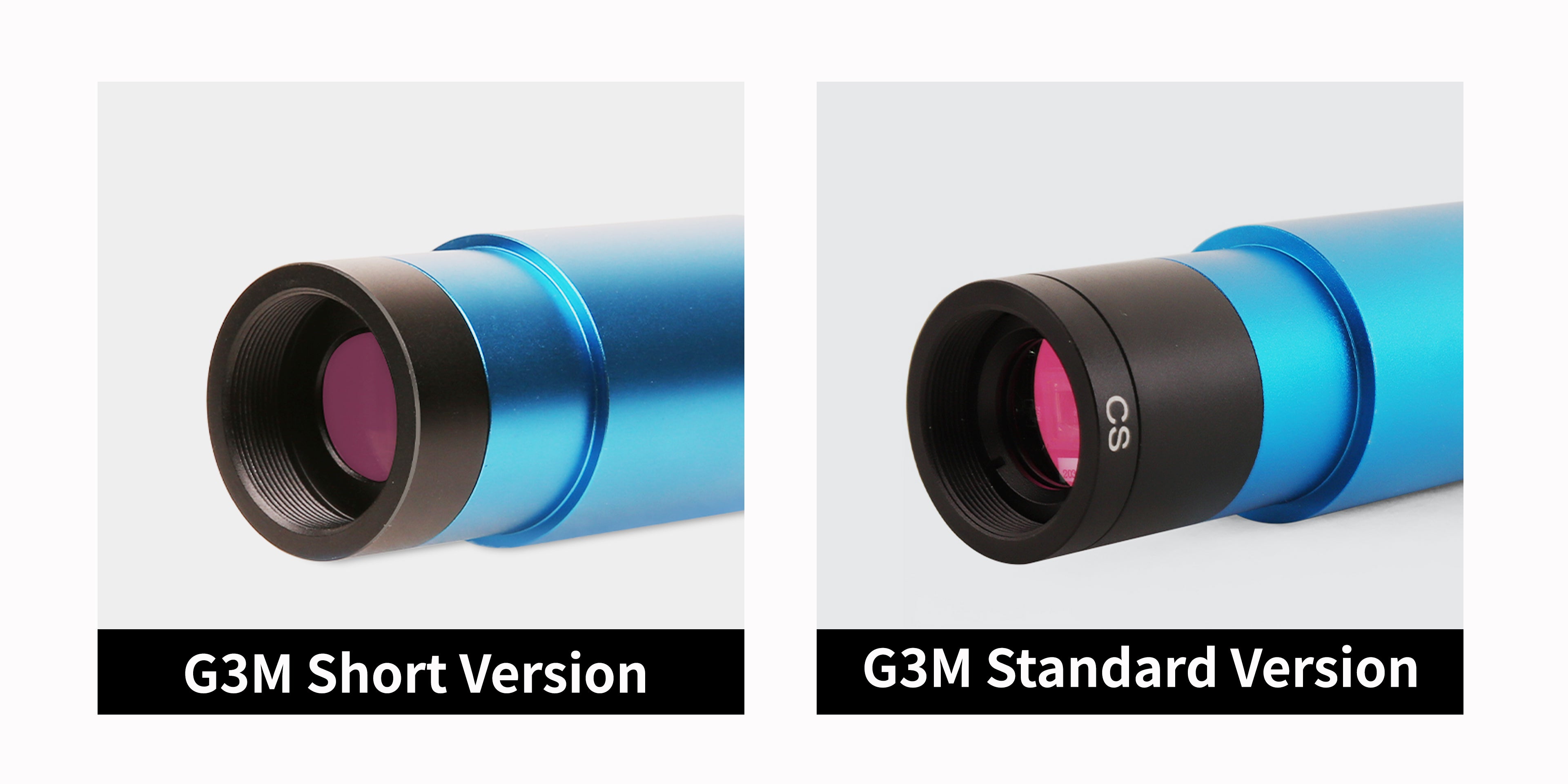
- Connection: Standard C-mount (17.5mm back focus) or Extended version (12.5mm back focus for OAG compatibility)
- Filters: Accepts 1.25" mounted filters via the included 1.25" extension tube
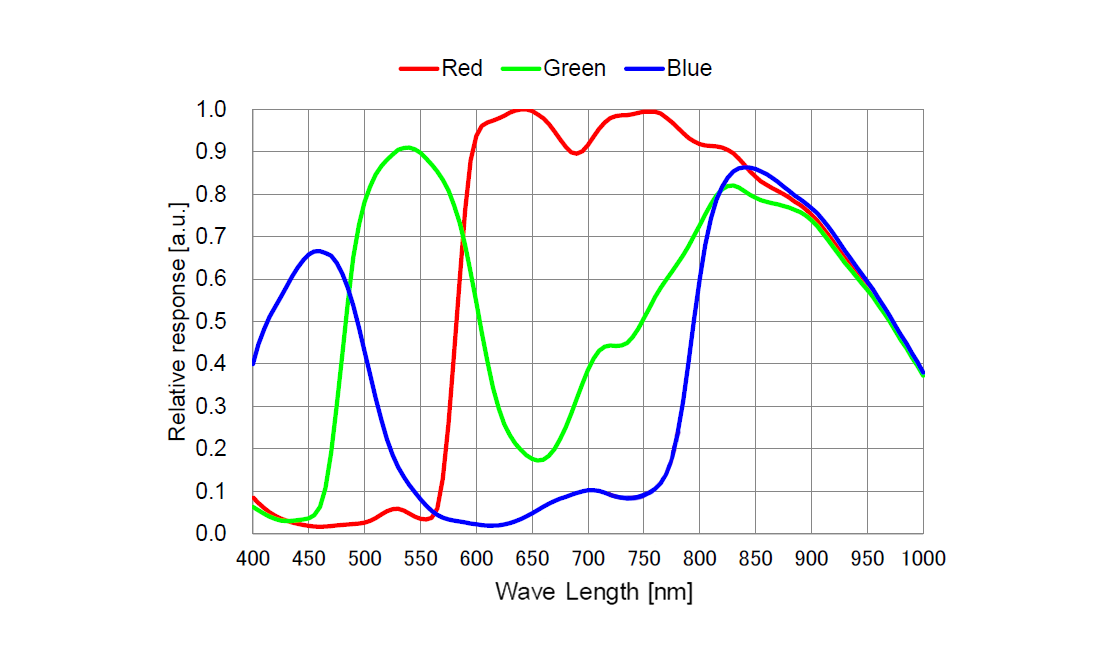
- Spectral range: 380–690 nm with IR cut filter; 400–1000 nm raw
- Software: ToupSky, SharpCap, FireCapture, NINA, PHD2, ASCOM; INDI for Linux
- Power: USB 3.0 bus-powered — no external supply required
Important Limitations
- Not designed for deep-sky imaging — no TEC cooling; not suited for long-exposure faint object imaging
- Not for visual observing — requires computer and capture software
- Colour sensor — monochrome version (G3M662M) preferred for narrowband or maximum resolution planetary work
- Small sensor format — 1/2.8" produces a narrow field of view on most telescopes
Frequently Asked Questions
How does the G3M662C compare to the G3M462C?
The G3M662C uses Sony's newer STARVIS 2 IMX662 sensor with lower read noise (0.46 vs 0.49 e⁻), a much larger full well (39 ke⁻ vs 11.8 ke⁻), higher dynamic range (77 dB vs 75 dB), and HCG/LCG/HDR modes. It is a meaningful step up in image quality, especially for bright planets where overexposure and dynamic range matter.
What is HCG mode?
High Conversion Gain mode optimizes the sensor for low-light conditions, achieving the camera's lowest read noise. LCG mode increases the full well capacity for bright targets. HDR mode combines both for the widest dynamic range in a single frame.
Can I use the G3M662C for solar imaging?
Yes, with appropriate solar safety equipment — a white light solar filter, Herschel wedge, or dedicated H-alpha solar telescope. Never point any camera at the Sun without a proper solar filter.
Is the G3M662C a good guide camera?
Yes. The compact C-mount body and high sensitivity make it effective on a guide scope or OAG. PHD2 and NINA both natively support ToupTek cameras.
Our Recommendation
The ToupTek G3M662C is our recommended mid-range compact planetary camera for serious solar system imagers. The STARVIS 2 sensor's improved performance over the IMX462 is real and measurable, particularly in dynamic range and low-noise high-gain operation. Choose the G3M662M instead if you want maximum per-pixel resolution or plan to do narrowband solar imaging. For deep-sky work, see our ToupTek ATR and SkyEye cooled camera range.
| Specification | Detail |
|---|---|
| Sensor | Sony IMX662 STARVIS 2 (Colour, RGGB Bayer) |
| Sensor Format | 1/2.8" |
| Resolution | 2.1 MP (1920 × 1080) |
| Pixel Size | 2.9 µm |
| Peak QE | >91% |
| Read Noise | 0.46 e⁻ min (HCG mode) |
| Full Well Capacity | 39 ke⁻ (LCG mode) |
| Dynamic Range | 77 dB |
| Max Frame Rate | 103.4 FPS @ 1920×1080 (USB 3.0) |
| ADC | Native 12-bit (16-bit output via 2×2 binning) |
| Buffer | 512MB DDR3 |
| Gain Modes | HCG, LCG, HDR |
| Interface | USB 3.0 |
| Back Focus (Standard) | 17.5 mm (C-mount) |
| Back Focus (Extended) | 12.5 mm (OAG-optimized) |
| Mount | C-mount / CS-mount |
| Filter Compatibility | 1.25" mounted filters via extension tube |
| Binning | Digital 1×1 to 8×8; Hardware 1×1 to 2×2 |
| Hardware ROI | Yes |
| Cooling | None (uncooled) |
| Amp Glow | Zero amp-glow (hardware level) |
| Power | USB 3.0 bus-powered |
| OS Compatibility | Windows, Linux, macOS (INDI) |
| Software | ToupSky, SharpCap, FireCapture, NINA, PHD2, ASCOM |
| Spectral Range | 380–690 nm (IR cut filter); 400–1000 nm (raw) |
| G Sensitivity | 5612 mV @ 1/30s |
You may also like
Recently viewed
Recent Blog Posts
View all
Your Guide Graph Is Lying to You
Read More

D-Size vs V-Size: A Complete Guide to Telescope Dovetail Systems
Read More

What Is Back Focus in Astrophotography? Telescope Reducers, Flatteners, and Spacing Explained
Read More