
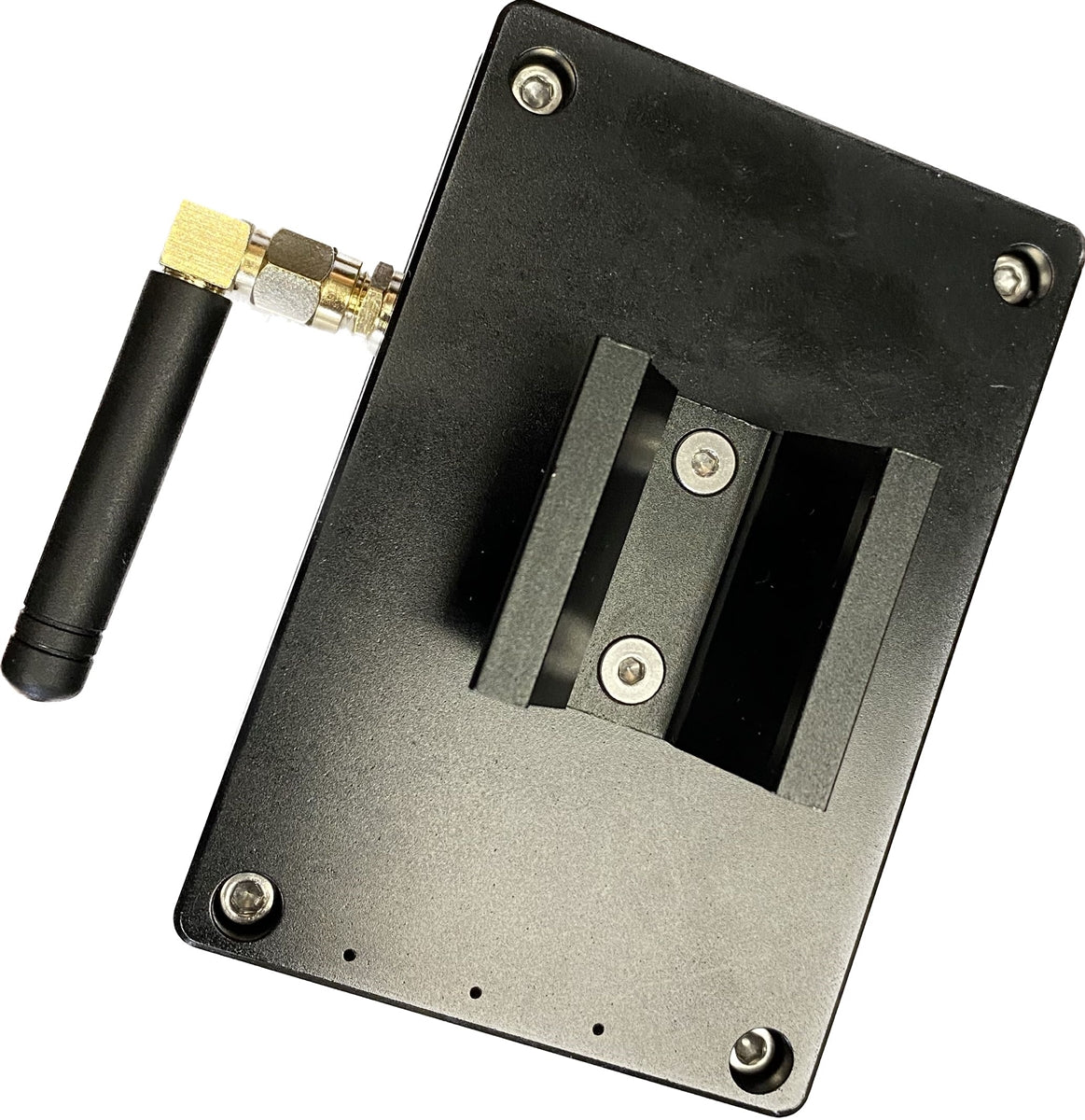


- Description
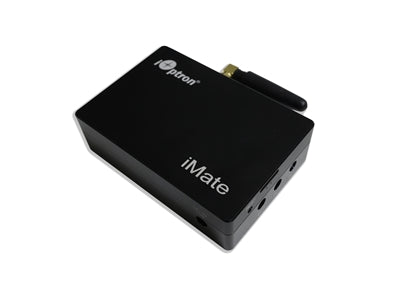
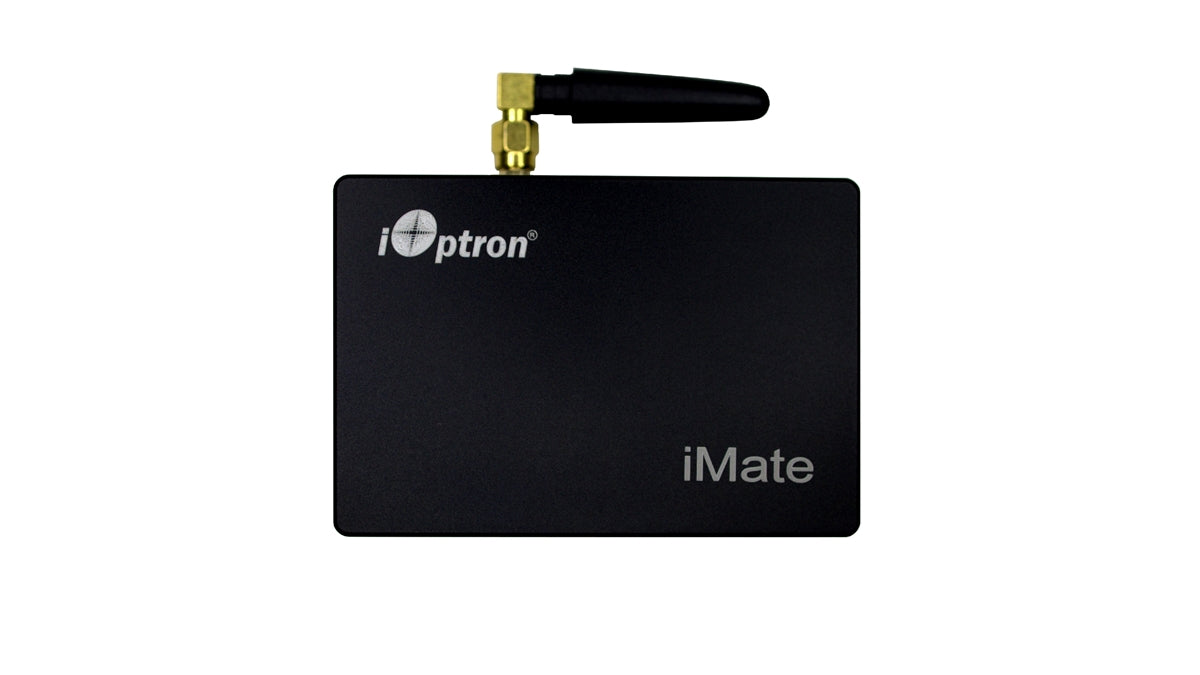
The iMate is a single-board computer that features a powerful 64-bit ARM processor with Wi-Fi, preloaded KStars planetarium software, Ekos control and automation tool, and INDI drivers. This hardware-software combination will support the use of most current and future devices (cameras, focusers, filter wheels, etc.) allowing the user to choose a brand and model.
With 32Gb eMMC storage along with a slot for up to 64Gb TF (micro SD) memory, iMate has the ability to control and capture an entire automated imaging session. The iMate is cross-platform; use it with Windows, IOS, Linux, Android, etc.
Features
- Orange Pi 3 LTS with 64-bit ARM processor, 2GB LPDDR3 SDRAM and 32GB EMMC flash memory
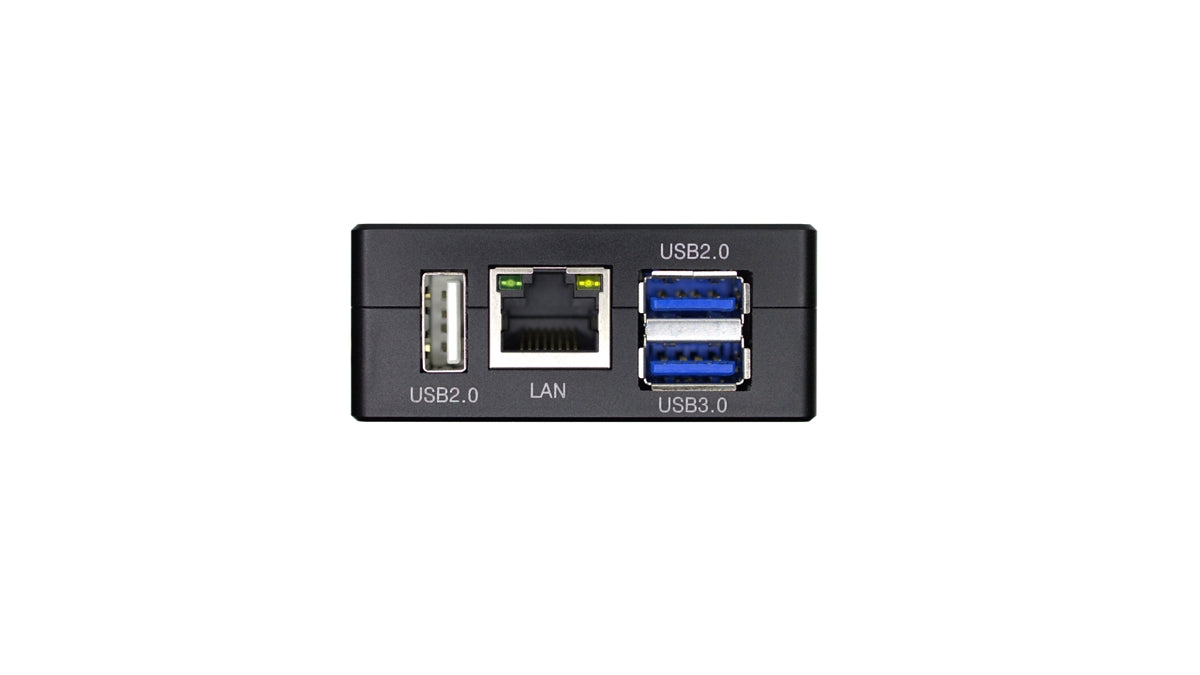
- 1X USB3.0 and 2X USB2.0 ports
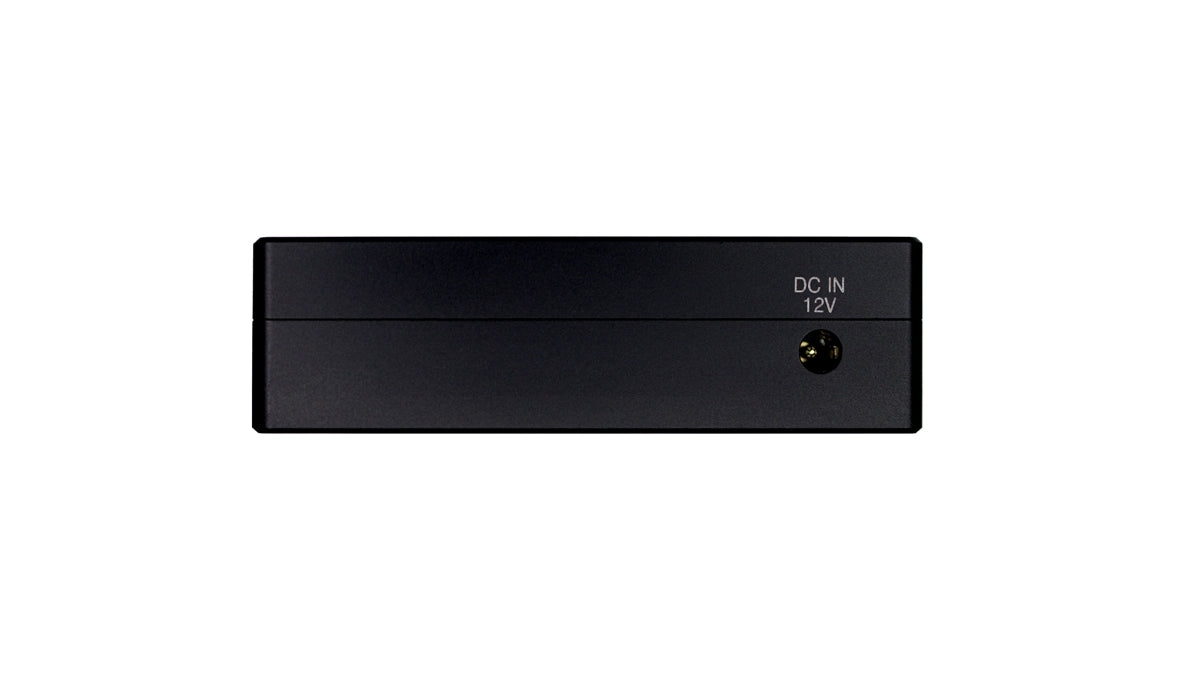
- 3X 12VDC outputs (2 programmable)
- Up to 64Gb high speed MicroSD card (class 10 or higher)
- Open Source Architecture
- Preloaded KStarts/Ekos/INDI driver for mount, camera, focuser and other device control
- iPolarServ for iOS and Android polar alignment
- Windows, MacOS, iOS, Linux, Android remote connection to iMate via WIFI network
- Mounting method: 31mm dovetail saddle for finder scope shoe mounting, 1/4"-20 threaded hole, or 2X M3 threaded holes
- One year Limited Warranty
 |
|
|
|
 |
You may also like
Recently viewed
Recent Blog Posts
View all
Your Guide Graph Is Lying to You
You drove ninety minutes to dark sky, PHD2 held 0.4 arcseconds all night, and half your subs still have eggs for stars. Here are the three things your
Read More
Read More
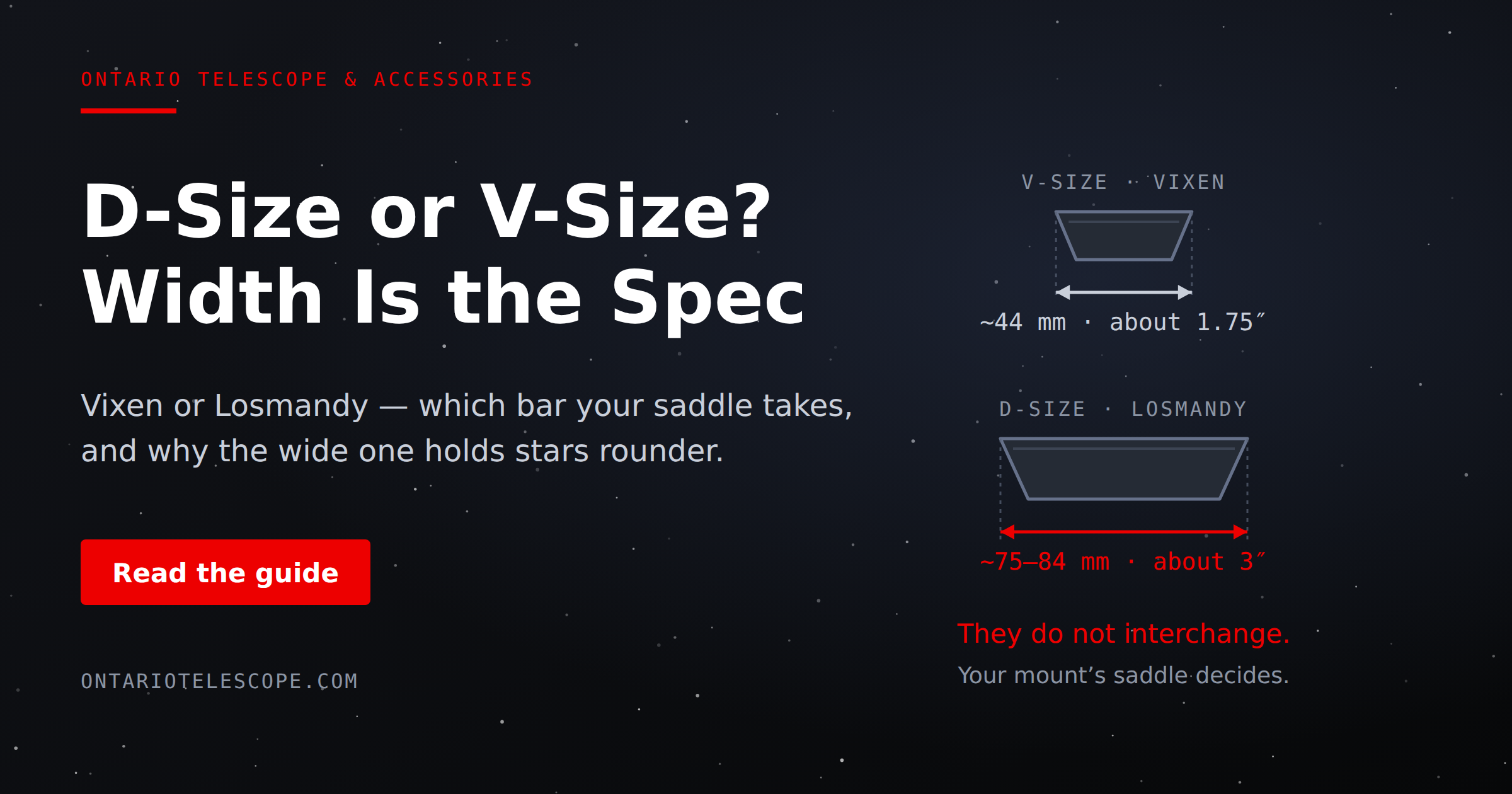
D-Size vs V-Size: A Complete Guide to Telescope Dovetail Systems
What's the difference between D-size and V-size telescope dovetails? Here's everything you need to know.
Read More
Read More
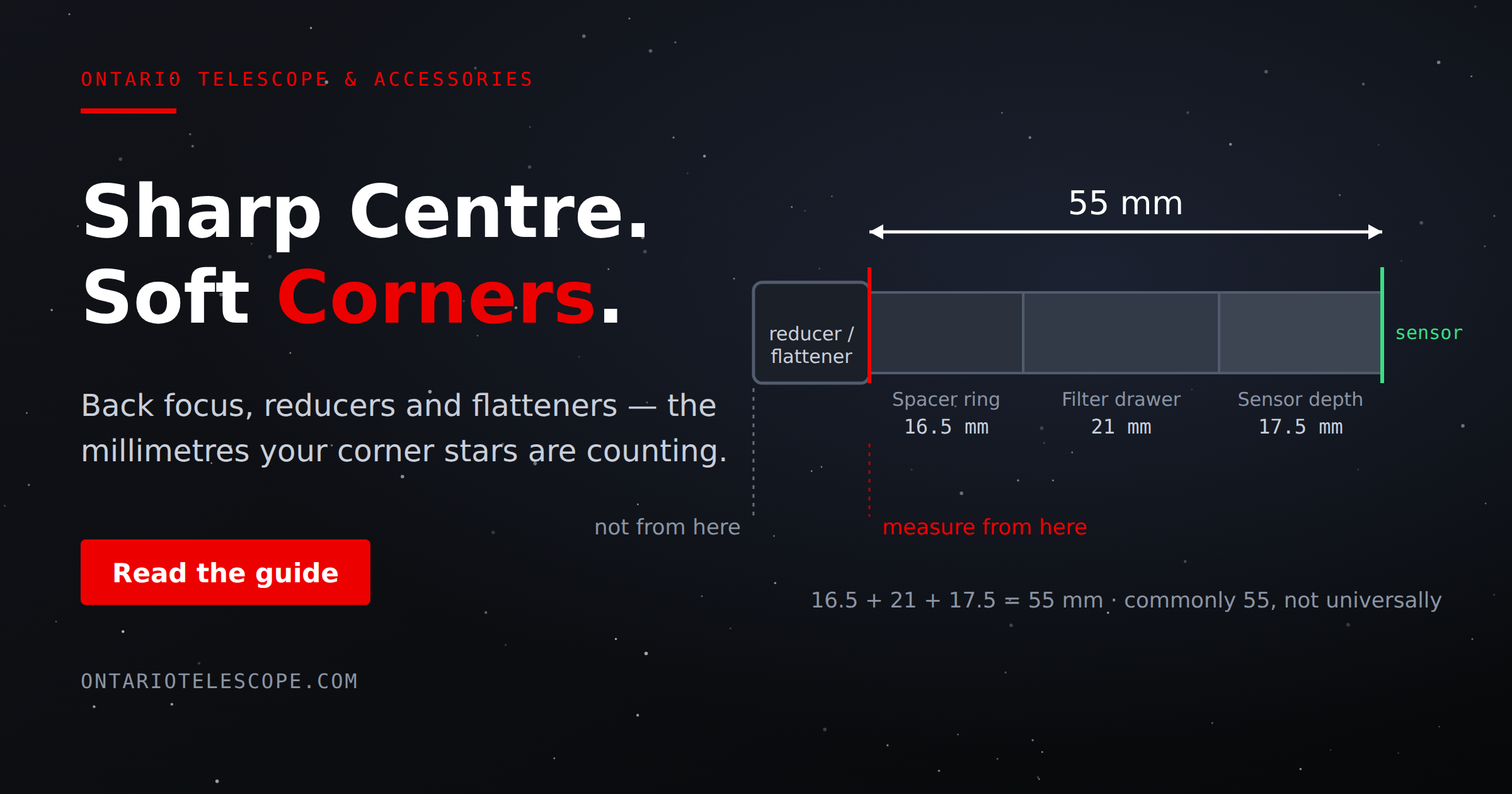
What Is Back Focus in Astrophotography? Telescope Reducers, Flatteners, and Spacing Explained
What Is Back Focus in Astrophotography? Telescope Reducers, Flatteners, and Spacing Explained
Back focus is one of those astrophotography terms that c
Read More
Read More