Nightscape Imaging with Sky-Watcher Guide
Nightscape Imaging with Sky-Watcher
If you are a landscape, nature, or travel photographer who has ever tried photographing the night sky, you have probably seen the same problem: short exposures keep the stars sharp, but they often require very high ISO; longer exposures collect more light, but the stars begin to trail. A star tracker solves that problem by slowly rotating your camera with the night sky, allowing longer exposures, cleaner files, sharper stars, and more detail in wide-field astronomy images.
This guide is designed for photographers using DSLR or mirrorless cameras with common landscape lenses. Whether your goal is a Milky Way arch over a lake, a clean star field above a campsite, or a tighter view of objects like Andromeda, Orion, or the Pleiades, the Sky-Watcher Star Adventurer systems below are a practical starting point.
Why Star Trackers Matter for Nightscape Photography
On a fixed tripod, the Earth keeps rotating while your camera stays still. During longer exposures, that motion turns stars into short streaks or full trails. A star tracker follows the apparent motion of the sky, which lets the stars stay sharper during longer exposures.
The result: lower ISO, cleaner shadows, better star colour, and more usable detail in the Milky Way, constellations, nebula regions, and wide star fields.

Tracking helps, but polar alignment is what makes tracking accurate. The better the polar alignment, the longer you can expose before stars become elongated.
What Can You Shoot at Different Focal Lengths?
Photographers usually think in lens focal lengths, not telescope terms. The examples below show how different lenses change what you can capture. Wider lenses are forgiving and excellent for landscapes. Longer lenses reveal more structure in the Milky Way and bright deep-sky objects, but they also demand better tracking and polar alignment.

| Lens Range | Best For | Tracking Need |
|---|---|---|
| 14-24mm | Milky Way arches, constellations, aurora, night landscapes | Helpful, especially for cleaner files |
| 35-50mm | Milky Way core, Cygnus, large star fields | Recommended |
| 85-135mm | Andromeda, Rho Ophiuchi, North America Nebula, large nebula fields | Strongly recommended |
| 200mm+ | Orion, Pleiades, bright nebulae, larger galaxies | Accurate tracking required |
Which Sky-Watcher Star Adventurer Should You Choose?

The Star Adventurer 2i is ideal for lightweight Milky Way and nightscape photography, while the Star Adventurer GTi adds GoTo capability and room to grow into longer lenses and more deliberate deep-sky framing.
Choose the Star Adventurer 2i Pro Pack if:
- You mainly want to shoot wide Milky Way landscapes and nightscape panoramas.
- You are using wide or moderate camera lenses, typically from about 14mm to 135mm.
- You want the smallest, lightest, most travel-friendly tracker.
- You are comfortable finding and framing your subject manually.
Choose the Star Adventurer GTi if:
- You want GoTo target finding from a phone or tablet.
- You plan to use longer lenses or move toward more deliberate deep-sky framing.
- You want help locating targets such as Andromeda, Orion, the Pleiades, or the Milky Way core.
- You want a portable system that can grow beyond basic Milky Way photography.
GTi Mount Kit or GTi Head Kit?
- GTi Mount Kit: best choice if you want the complete package with mount, tripod, and pier extension.
- GTi Head Kit: best choice if you already own a sturdy compatible tripod and only need the mount head.
Basic Nightscape Tracking Setup
A simple tracked nightscape kit usually includes:
- DSLR or mirrorless camera
- Wide-angle or standard camera lens
- Sky-Watcher Star Adventurer 2i or Star Adventurer GTi
- Sturdy tripod
- Ball head adapter or camera mounting hardware
- Intervalometer or camera control app
- Spare batteries or field power
- Red flashlight or headlamp
- Optional dew heater for cold or humid nights
Example Starting Settings
These settings are starting points only. Your final exposure will depend on your camera, lens speed, sky brightness, focal length, tracking accuracy, and how closely you inspect the stars.
| Lens | Static Tripod | Tracked |
|---|---|---|
| 18mm | f/2.8, ISO 3200-6400, 10-20 sec | f/2.8, ISO 1600-3200, 60-120 sec |
| 24mm | f/2.8, ISO 3200-6400, 8-15 sec | f/2.8, ISO 1600-3200, 60-120 sec |
| 50mm | f/1.8-f/2.8, ISO 3200, 4-8 sec | f/1.8-f/2.8, ISO 1600-3200, 60-180 sec |
| 135mm | Very short exposures only | f/2-f/4, ISO 1600-3200, 60-180 sec |
| 200mm+ | Not ideal untracked | Accurate polar alignment required |
How Long Can You Expose Before Stars Start Trailing?
When your camera is on a fixed tripod, the stars appear to move across the frame because the Earth is rotating. The longer the lens focal length, the faster that motion becomes visible as star trailing. A simple way to estimate your maximum untracked exposure time is the 300 Rule or 500 Rule.
The Simple Exposure Rule
Conservative modern rule:
Maximum exposure time = 300 / (focal length x crop factor)
Older, less conservative rule:
Maximum exposure time = 500 / (focal length x crop factor)
For full-frame cameras, the crop factor is 1.0. For Canon APS-C mirrorless cameras, the crop factor is usually 1.6. If you already know the full-frame equivalent focal length, you can divide by that number directly.
| Lens / Camera | 300 Rule | 500 Rule | What It Means |
|---|---|---|---|
| 18mm full-frame | About 17 sec | About 28 sec | Good for wide tripod Milky Way shots |
| 18mm Canon APS-C | About 10 sec | About 17 sec | Shorter exposure because of the 1.6x crop factor |
| 50mm full-frame | About 6 sec | About 10 sec | A tracker becomes much more useful |
| 50mm Canon APS-C | About 4 sec | About 6 sec | Very limited untracked exposure time |
| 200mm full-frame | About 1.5 sec | About 2.5 sec | Tracking is basically required |
| 200mm Canon APS-C | About 1 sec | About 1.5 sec | A star tracker is essential for useful exposures |
These rules are only estimates. Star trailing also depends on sensor resolution, where you are pointing in the sky, how closely you inspect the image, and whether the final image is viewed small or printed large. For modern cameras, the 300 Rule is usually the safer starting point.
Why this matters: as focal length increases, the maximum untracked exposure time gets shorter very quickly. A star tracker lets you break past these short exposure limits by following the motion of the sky.
Recommended Sky-Watcher Products
Star Adventurer GTi - GoTo Tracking System
The Star Adventurer GTi adds full GoTo functionality to portable tracking. Once polar aligned, it can locate and track targets across the sky, making it especially useful as you move beyond basic Milky Way landscapes into tighter wide-field and telephoto compositions.

Star Adventurer GTi Mount Kit
The complete GTi package with mount head, counterweight system, tripod, and pier extension. This is the best choice for photographers who want a ready-to-go GoTo tracking setup and do not already own a suitable tripod.

Star Adventurer GTi Head Kit
A lighter entry into the GTi system if you already have a sturdy compatible tripod. You still get GoTo performance and tracking, but without paying for tripod components you may not need.
Star Adventurer 2i - Lightweight Star Tracker
The Star Adventurer 2i Pro Pack is the classic compact tracker for wide-field Milky Way, star field, and travel nightscape photography. It does not include GoTo, but it is lightweight, simple, and excellent for photographers who want to keep their setup small.

Star Adventurer 2i Pro Pack with Wi-Fi
A compact, travel-friendly star tracker for wide-field and mid-range focal lengths. A strong choice for Milky Way landscapes, tracked panoramas, and photographers making the jump from tripod-only night shooting.
Helpful Accessories

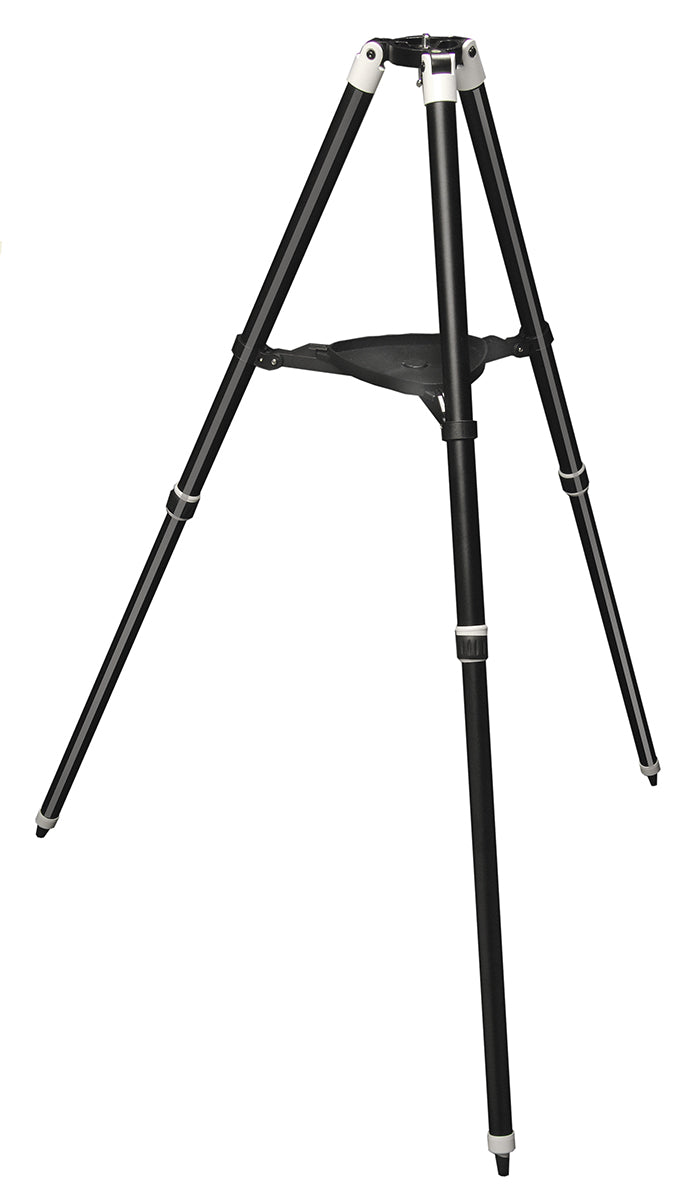
Sky-Watcher Star Adventurer Tripod
The matched field tripod for the Star Adventurer system. A solid choice if you want a tripod designed specifically around the mount and its load requirements.

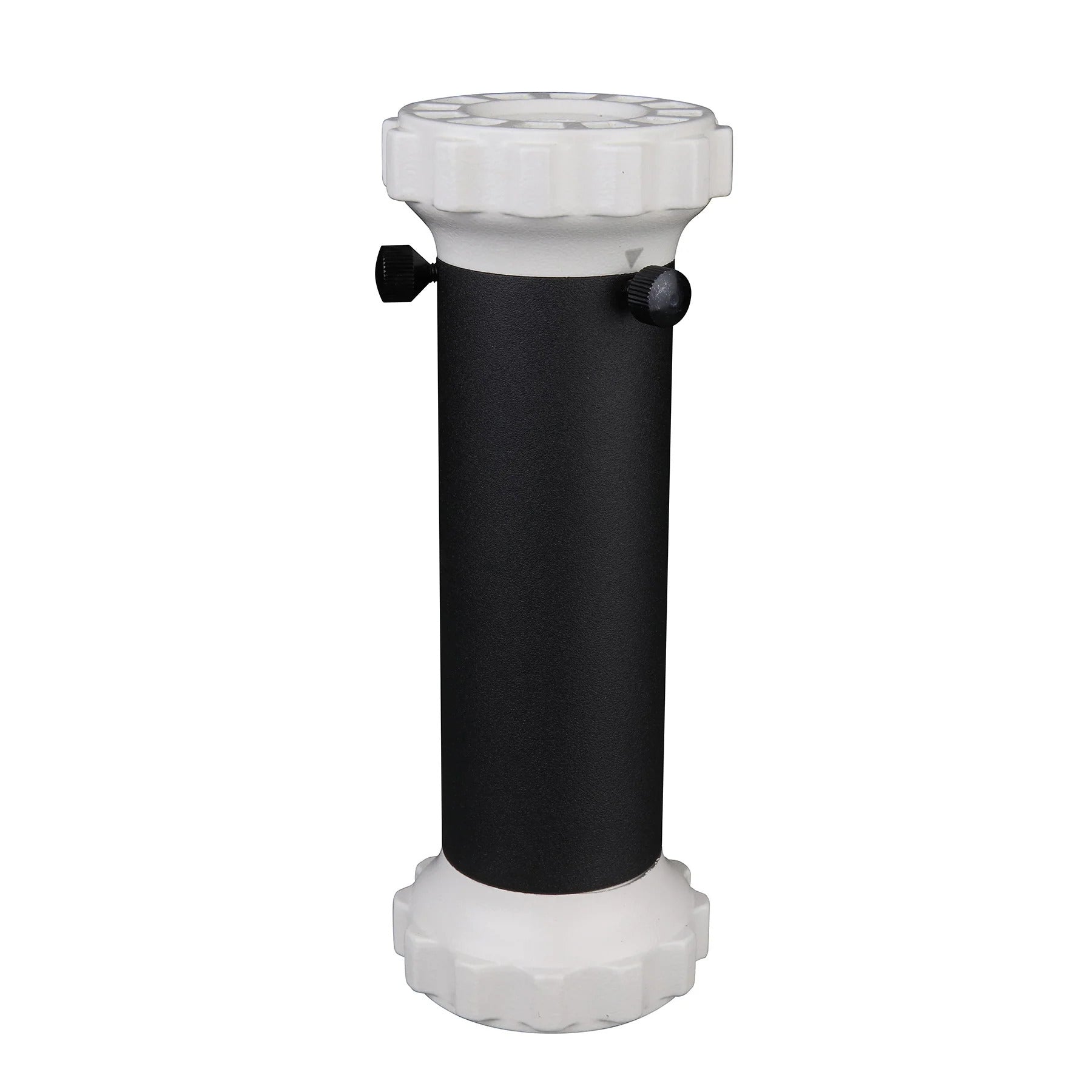
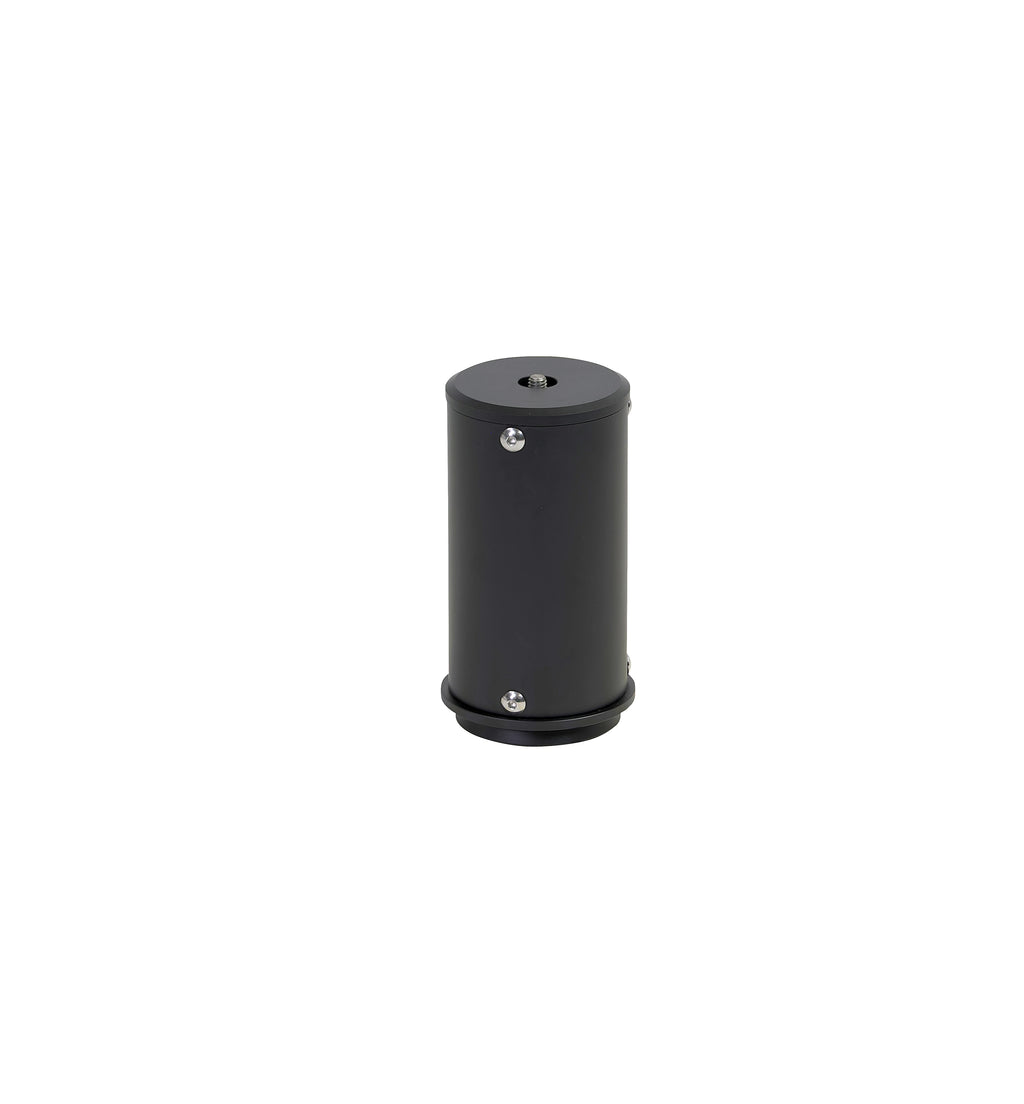
Star Adventurer Tripod Extension
Adds extra height and clearance between the mount and tripod, which is especially helpful when balancing longer lenses or improving access during setup.

Star Adventurer Latitude EQ Base
Improves polar alignment with finer altitude and azimuth adjustments. A very useful upgrade for anyone who wants faster setup and more repeatable tracking accuracy.

Star Adventurer DEC Bracket
Useful for improved balancing and finer framing adjustments, especially when moving from very wide lenses into more deliberate telephoto compositions.

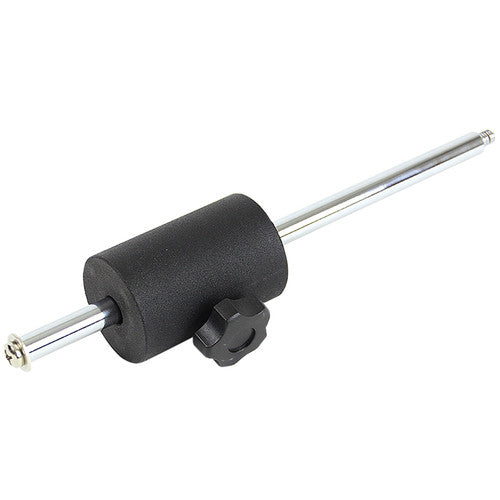
Star Adventurer Counterweight Kit
Helps balance heavier camera and lens combinations for smoother tracking. Particularly worthwhile as focal length and lens weight increase.

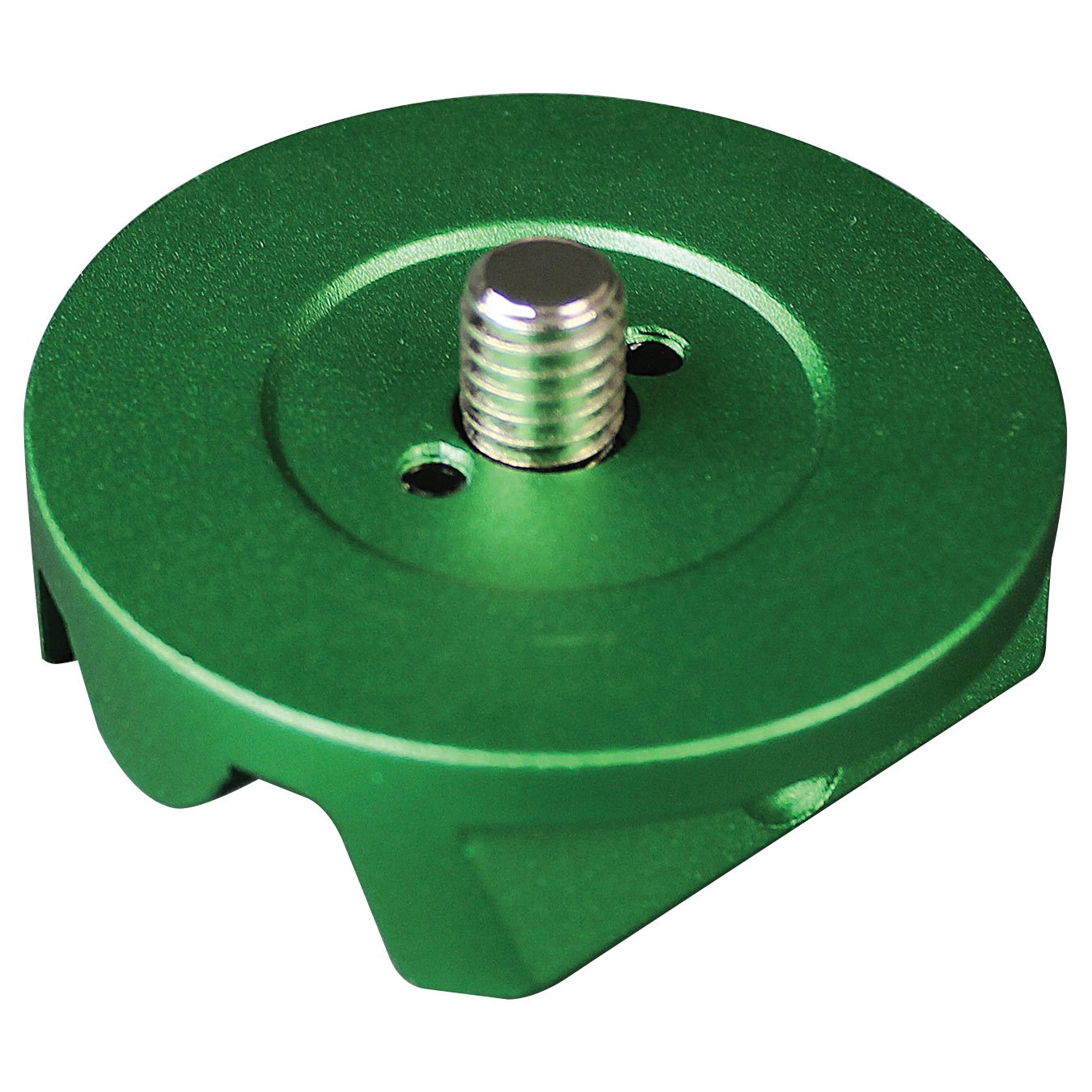
Star Adventurer Ball Head Adapter
Lets you mount a standard photo ball head so framing feels familiar to photographers coming from a regular tripod workflow.
Quick-Start Tutorial: Your First Tracked Nightscape
- Set up on stable ground. Use a sturdy tripod and avoid soft surfaces that can shift during the exposure sequence.
- Point the mount toward the celestial pole. In Canada and the Northern Hemisphere, this means aiming the polar axis toward Polaris.
- Set the mount angle to your latitude. This gets you close before fine polar alignment.
- Use the illuminated polar scope. Place Polaris in the correct position on the reticle using the mount app as a guide.
- Mount and balance the camera. Balance becomes more important as the lens gets heavier or longer.
- Start sidereal tracking. This is the standard tracking rate for stars.
- Take a test exposure. Zoom in on the camera screen and check the star shapes in the centre and corners.
- Adjust if needed. If stars are elongated, improve polar alignment, reduce exposure time, or check balance.
- Shoot your sequence. Many nightscape photographers capture a tracked sky exposure and a separate untracked foreground exposure, then blend them in post-processing.
FAQ
Do I need a tracker for Milky Way photography?
You can shoot the Milky Way from a fixed tripod, but a tracker lets you use longer exposures and lower ISO for cleaner, more detailed images.
Do I need GoTo for wide-field nightscapes?
No. For wide Milky Way landscapes, the Star Adventurer 2i is often enough. GoTo becomes more helpful when you want to frame specific deep-sky objects or use longer focal lengths.
How important is polar alignment?
Very important. Tracking only works well when the mount is aligned with the Earth's axis of rotation. Good polar alignment gives sharper stars during longer exposures.
Can I use my existing camera lenses?
Yes. These systems are designed around regular DSLR and mirrorless camera bodies with normal photo lenses.
Can I shoot at 200mm or longer?
Yes, but longer focal lengths are less forgiving. At 200mm and beyond, balance, polar alignment, and mount stability become much more important.
Do I need autoguiding?
For wide-field nightscape photography, usually no. Autoguiding is more common for longer focal-length deep-sky astrophotography.