


- Description
Add the Celestron Stereo Binocular Viewer to your repertoire and enjoy celestial views with more contrast and improved detail!
Our eyes work as a team, and our brains are wired to work with images that both eyes produce together. When we use just one eye to do observations through an optical device, the results are lacking somewhat in detail and contrast. A binoviewer uses two matching eyepieces to allow you to get the most out of your observations. Your eyes will relax, and you’ll find that you can observe for longer periods of time without suffering from eye fatigue.
The Celestron Binocular Viewer is well-made, with a rubberized coating to make it easy to grip, even with gloves on. The 22 mm BaK-4 fully multi-coated prisms provide increased light transmission with no vignetting or light cut-off. Each eyepiece holder can be individually focused, and diopter adjustment readings are well marked. The 1.25” insert barrel is threaded for filters, allowing you to use one filter instead of threading them on each individual eyepiece.
The Celestron Binocular Viewer weighs about 18 oz and uses approximately 3.5" of back focus. This is sufficient for most catadioptric telescopes (Schmidt-Cassegrain, Maksutov-Cassegrain, etc.) as well as a good number of refractor-style telescopes. Newtonians and some spotting scopes have the least amount of back focus. Using a binoviewer on these designs may result in the inability to focus to infinity. Remember, binocular viewers require the use of two matched 1.25” eyepieces, which are sold separately.
You may also like
Recently viewed
Recent Blog Posts
View all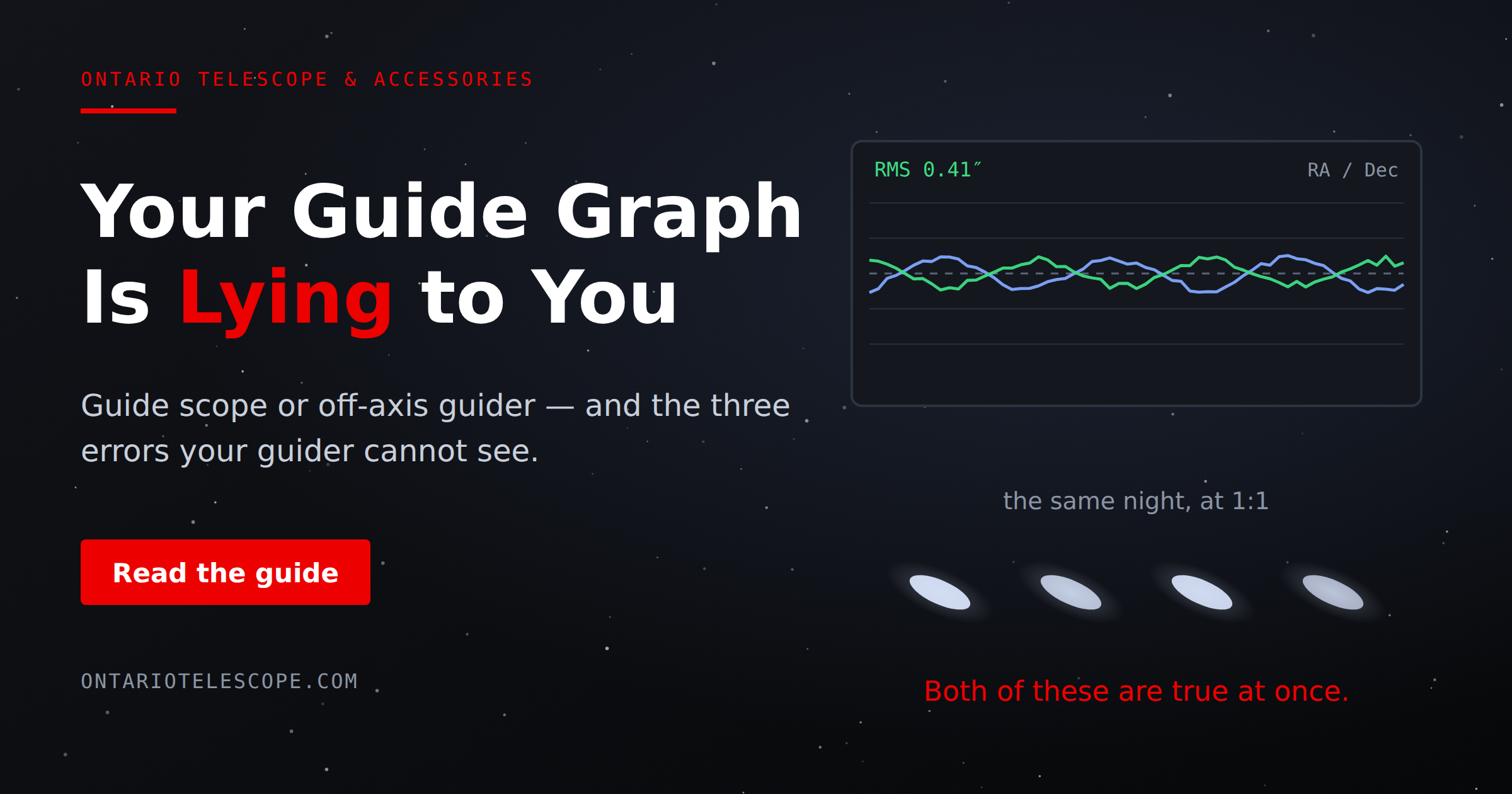
Your Guide Graph Is Lying to You
You drove ninety minutes to dark sky, PHD2 held 0.4 arcseconds all night, and half your subs still have eggs for stars. Here are the three things your
Read More
Read More
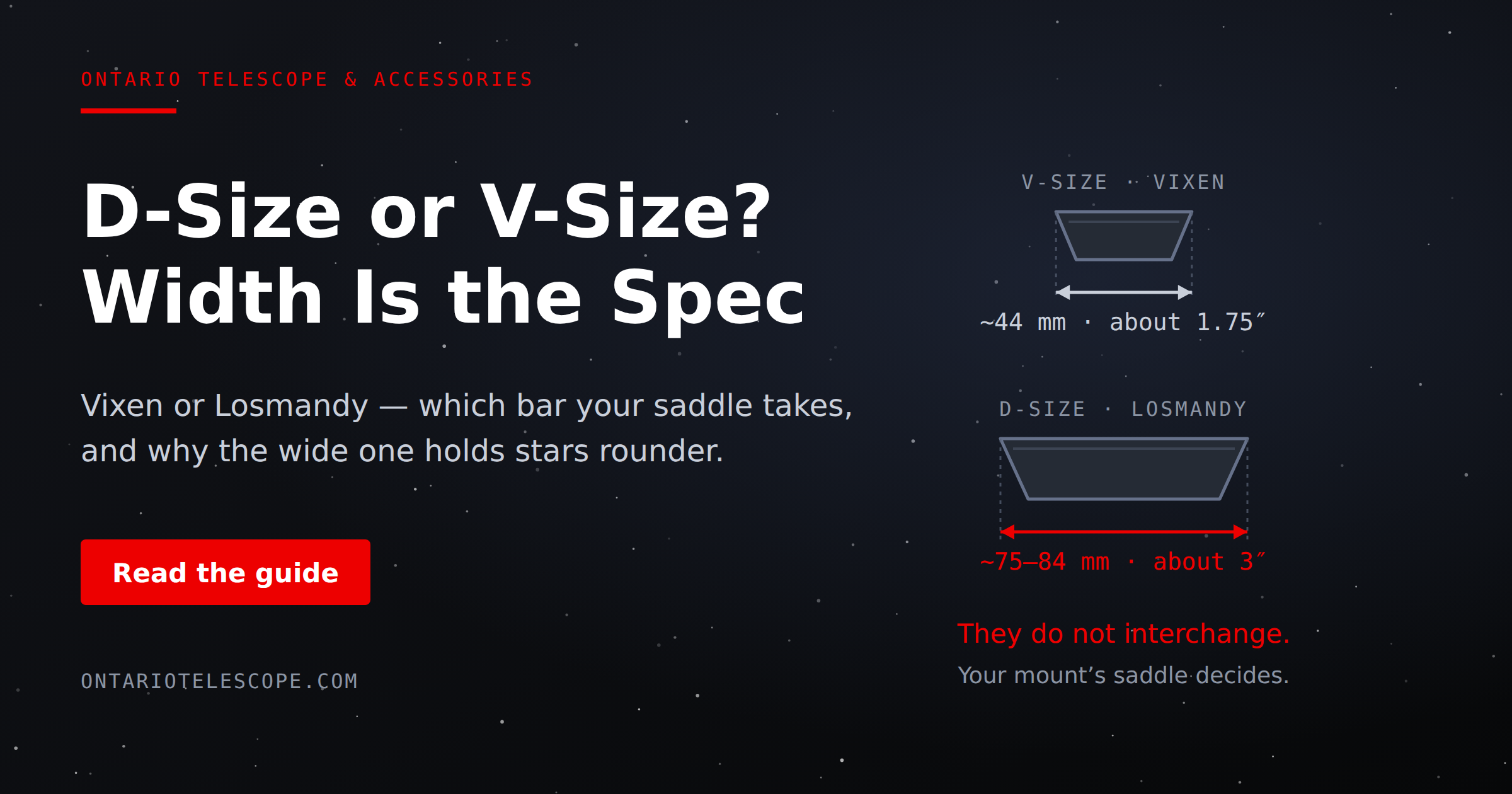
D-Size vs V-Size: A Complete Guide to Telescope Dovetail Systems
What's the difference between D-size and V-size telescope dovetails? Here's everything you need to know.
Read More
Read More
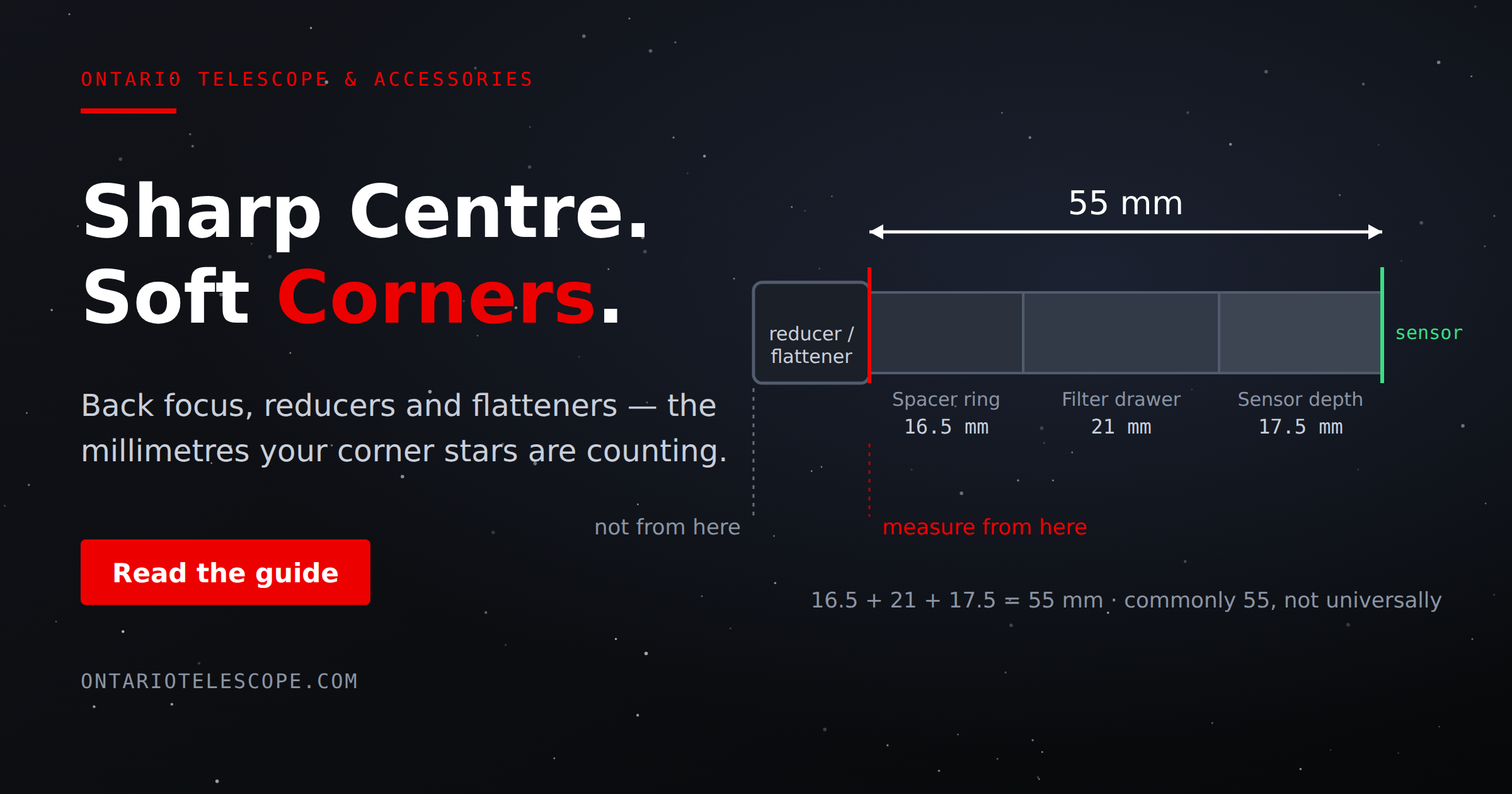
What Is Back Focus in Astrophotography? Telescope Reducers, Flatteners, and Spacing Explained
What Is Back Focus in Astrophotography? Telescope Reducers, Flatteners, and Spacing Explained
Back focus is one of those astrophotography terms that c
Read More
Read More